UEG Week Recordings UEG Week Posters Online courses Guidelines Mistakes in... Podcasts Webinars
Visit ueg.eu Create myUEG account Log In

Filters:

UEG Presentation
Share via Email Share on Facebook Share on X Share on LinkedIn Share on Bluesky
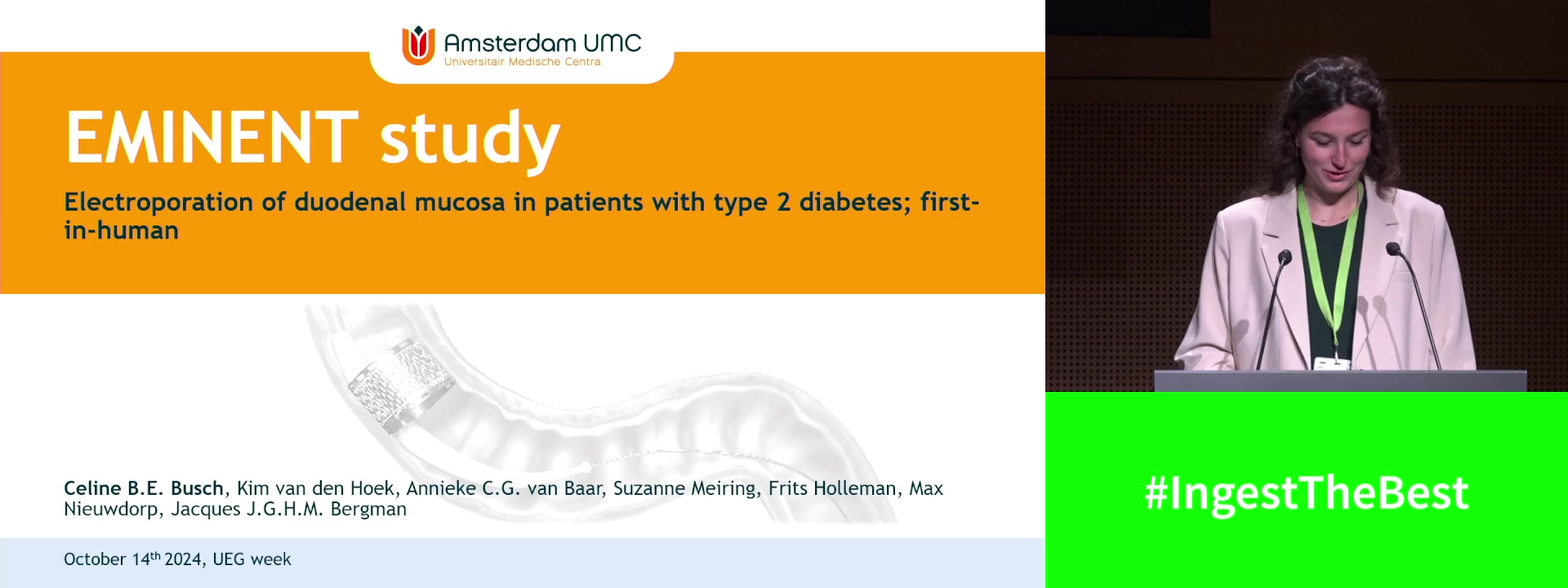
DURABLE EFFECTS OF DUODENAL ABLATION USING ELECTROPORATION COMBINED WITH SEMAGLUTIDE TO ELIMINATE INSULIN THERAPY IN PATIENTS WITH TYPE 2 DIABETES; THE 24-MONTH RESULTS

Log in to access this content.

Free for all myUEG account holders. Your access level is set automatically based on your occupation. Medical professionals get full access to all content. If you are a non-medical user, you can only access UEG Week content from congresses you attended.

Log In Create a free account

Not sure what you can access? Learn more about account types.
Introduction

Progressive hyperglycemia in type 2 diabetes (T2D) leads to the need for exogenous insulin therapy in many patients, which is associated with weight gain and hypoglycemia. Studies have shown that hydrothermal duodenal mucosal ablation improves glycemic control by improving insulin resistance. Re-Cellularization via Electroporation Therapy (ReCET) is a novel endoscopic procedure that uses electroporation to induce duodenal mucosal renewal. This technology uses pulsed electric fields to induce natural cell death through an apoptosis-like process without generating heat, thereby eliminating the risk of thermal damage to deeper layers of the duodenum. In this study, we aimed to eliminate insulin treatment in T2D patients with a single ReCET procedure combined with a GLP-1 receptor agonist (GLP-1RA, semaglutide). Here, we present our 24-month results.

Aims & Methods

Single-arm, single-center, first-in-human study in 14 patients with T2D (28-75 years, body mass index (BMI) 24-40 kg/m2, glycosylated hemoglobin (HbA1c) ≤8.0%, basal insulin dose <1U/kg/day, C-peptide ≥0.2 nmol/L). All patients underwent the ReCET procedure under deep sedation followed by a 2-week isocaloric liquid diet. Thereafter, semaglutide was titrated up to 1 mg/week. Primary feasibility endpoints were procedure time (catheter in–out), technical success, and % of patients tolerating GLP-1RA. Primary safety endpoints were (serious) adverse events ([S]AEs) and hypoglycemic events. Efficacy endpoint was the percentage of patients off exogenous insulin at 6 months while maintaining HbA1c ≤7.5%. Baseline and follow-up glycemic and metabolic data and treatment satisfaction scores were assessed.

Results

The technical success rate of the ReCET procedure was 100% (14/14 patients) with a median axial treatment length of 12cm. The median procedure time was 58 minutes (IQR 49–79). No device-related SAEs or severe hypoglycemic events were observed. The maximum dose of semaglutide was tolerated by 13 (93%) patients. At 6 and 12 months, 12 (86%) patients were still not using insulin, yet showed significant improvements in glycemic control (HbA1c) and metabolic parameters (Table 1). Eleven patients completed the 24-month follow-up; one patient withdrew consent after 18 months while in good glycemic control. All eleven remained off insulin with adequate glycemic control.

Baseline6 monthsp-value12 months* p-value18 monthsp-value24 monthsp-value
Number of patients1414NA13NA12NA11NA
Haemoglobin A1c, %7.2 (7.0 – 7.4)6.6 (5.8 – 6.9)0.0036.5 (6.1 – 7.0)0.0116.7 (5.9 – 7.1)0.0126.7 (6.0 – 7.4)0.126
Fasting plasma glucose, mmol/L8.8 (7.6 – 10.6)6.8 (6.1 – 8.7)0.0046.6 (5.8 – 7.2)0.0037.6 (6.6 – 8.8)0.0607.5 (6.8 – 8.1)0.286
Homeostatic model assessment for insulin resistance5.84 (3.92 – 7.50)2.47 (1.50 – 3.25)0.0131.78 (1.05 – 2.71)0.0022.70 (1.44 – 4.81)0.0413.16 (1.64 – 3.78)0.008
Time in range, %72 (46 – 85)92 (79 – 96)0.01989 (76 – 97)0.01191 (81 – 93)**0.24886 (78 – 98)0.062
Weight, kg90.7 (82.3 – 104.2)77.6 (75.4 – 93.4)<0.00174.0 (67.2 – 98.6)0.00274.5 (65.8 – 90.4)0.00273.0 (64.4 – 89.5)0.003
Body mass index, kg/m228.8 (25.1 – 31.2)24.9 (23.0 – 27.0)<0.00122.6 (22.1 – 27.1)0.00222.9 (21.8 – 27.0)0.00223.6 (22.2 – 26.8)0.003
Waist circumference, cm107 (97 – 111)95 (85 – 99)0.00291 (79 – 101)0.00289 (81 – 98)0.00393 (79 – 100)0.010
Liver fat fraction, %9.2 (6.0 – 15.4)6.3 (4.3 – 10.5)0.0304.2 (3.0 – 10.0)0.016NANA3.9 (1.8 – 9.8)0.006
Table 1. Glycaemic and metabolic secondary endpoints. Values are presented as median (interquartile range). Differences between the baseline, 6, 12, 18 and 24 months data were assessed using the Wilcoxon signed-rank paired test. *One patient was excluded due to steroid use. **One patient was excluded since GLP1-RA was discontinued once sensor was placed.

Conclusion

These results suggest that duodenal ReCET is feasible and safe. Combined with semaglutide, ReCET eliminated the need for insulin therapy in 86% of patients until 12 months post-treatment while improving glycaemia and metabolic health. Patients who were off exogenous insulin at 12 months had a durable glycaemic response and remained insulin-free at 24 months.

Disclosure

Unrestricted research grant from Endogenex.

DURABLE EFFECTS OF DUODENAL ABLATION USING ELECTROPORATION COMBINED WITH SEMAGLUTIDE TO ELIMINATE INSULIN THERAPY IN PATIENTS WITH TYPE 2 DIABETES; THE 24-MONTH RESULTS

Celine B. E. Busch 1, Kim van den Hoek 1, Annieke van Baar 1, Suzanne Meiring 1, Frits Holleman 1, Max Nieuwdorp 1, Jacques J. Bergman 1

1 Amsterdam UMC, Amsterdam, Netherlands

Event

UEG Week Vienna 2024

Topics

Endoscopy Mechanisms & Personalised Medicine Oesophagus

Submission format

Abstract

Session

Obesity: Endoscopy and drugs

Citation

United European Gastroenterology Journal 2024; 12 (Supplement 8)

Published

2024
UEG Mistakes In Articles
Share via Email Share on Facebook Share on X Share on LinkedIn Share on Bluesky

Log in to access this content.

Free for all myUEG account holders. Your access level is set automatically based on your occupation. Medical professionals get full access to all content. If you are a non-medical user, you can only access UEG Week content from congresses you attended.

Log In Create a free account

Not sure what you can access? Learn more about account types.

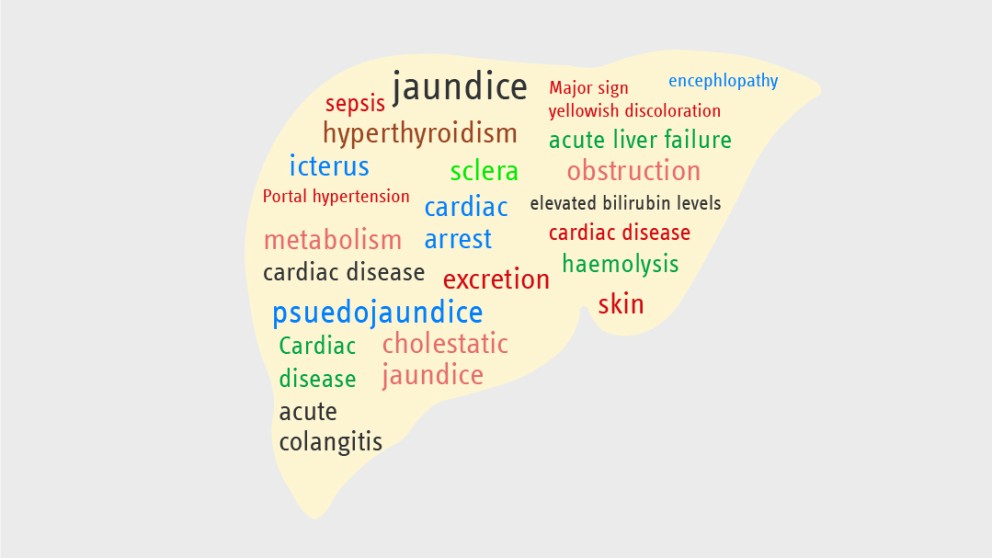
Jaundice can be caused by abnormalities in any of the steps comprising the formation, metabolism and excretion of bilirubin. In addition, these processes may be functioning properly, but jaundice can be seen because of an obstruction of the biliary tree at any point, from its intrahepatic origins to its end at the ampulla of Vater. For this reason, it is clear that numerous conditions can result in jaundice. When faced with a patient presenting with jaundice a reasonable and careful diagnostic approach is, therefore, warranted to elucidate the underlying cause of this sign. Conventional wisdom may be that “jaundice by itself never killed anyone,” but it is imperative to find the cause as soon as possible, as prompt intervention saves lives in many cases.

Mistakes in acute jaundice and how to avoid them

Mistakes in acute jaundice and how to avoid them

Spyridon Siakavellas, Georgios Papatheodoridis

Topics

Hepatobiliary

Citation

Siakavellas S and Papatheodoridis G. Mistakes in acute jaundice and how to avoid them. UEG Education 2018; 18: 24–26.

Published

2025
UEG Mistakes In Articles
Share via Email Share on Facebook Share on X Share on LinkedIn Share on Bluesky

Log in to access this content.

Free for all myUEG account holders. Your access level is set automatically based on your occupation. Medical professionals get full access to all content. If you are a non-medical user, you can only access UEG Week content from congresses you attended.

Log In Create a free account

Not sure what you can access? Learn more about account types.
The introduction and general use of new immunosuppressive agents, including biologic agents and small molecules, has revolutionised the therapeutic management of inflammatory bowel disease (IBD). Such immunosuppression may expose patients to opportunistic infections, which can be challenging to recognise. These infections are crucial due to their association with morbidity or mortality and the challenges regarding effective treatment. New evidence in this field and vaccination strategies for immunosuppressed IBD patients led to updated European Crohn’s and Colitis Organization (ECCO) guidelines in 2021. Here we discuss the errors to avoid when managing the risk of opportunistic infections in IBD patients. The discussion is based on evidence, whenever possible, and our clinical experience.


Mistakes in opportunistic infections and vaccinations in IBD and how to avoid them

Mistakes in opportunistic infections and vaccinations in IBD and how to avoid them

Paul McLellan, Julien Kirchgesner

Topics

IBD

Citation

Kirchgesner J and McLellan P. Mistakes in opportunistic infections and vaccinations in IBD and how to avoid them. UEG Education 2022; 22: 26–28.

Published

2022
UEG Mistakes In Articles
Share via Email Share on Facebook Share on X Share on LinkedIn Share on Bluesky

Log in to access this content.

Free for all myUEG account holders. Your access level is set automatically based on your occupation. Medical professionals get full access to all content. If you are a non-medical user, you can only access UEG Week content from congresses you attended.

Log In Create a free account

Not sure what you can access? Learn more about account types.

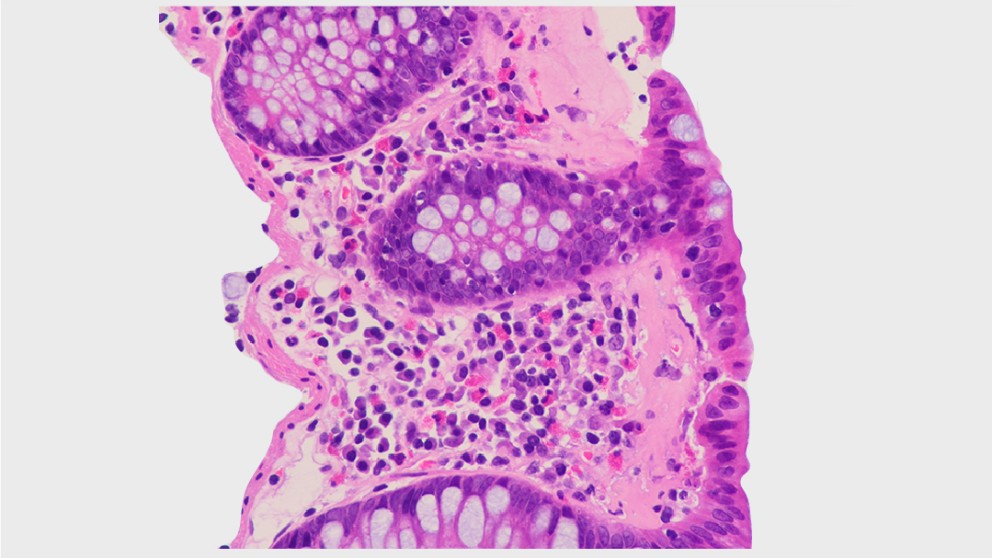
Microscopic colitis is an inflammatory bowel disease (IBD) that leads to chronic, watery diarrhoea. First believed to be rare, microscopic colitis has received more attention in recent decades, resulting in increasing incidence rates that exceed those of classic IBD in some countries. Hopefully, it is common practice nowadays to refer patients with chronic diarrhoea for a colonoscopy with biopsy samples taken, as this is the only way to diagnose microscopic colitis. Histology results distinguish between the subtypes of microscopic colitis — lymphocytic colitis, collagenous colitis and the more recently introduced incomplete microscopic colitis.


Mistakes in microscopic colitis and how to avoid them

Mistakes in microscopic colitis and how to avoid them

Andreas Münch

Topics

IBD

Citation

Münch A. Mistakes in microscopic colitis and how to avoid them. UEG Education 2021; 21: 10–13.

Published

2021
UEG Standards and Guidelines
Clinical Practice Guideline
Share via Email Share on Facebook Share on X Share on LinkedIn Share on Bluesky

Log in to access this content.

Free for all myUEG account holders. Your access level is set automatically based on your occupation. Medical professionals get full access to all content. If you are a non-medical user, you can only access UEG Week content from congresses you attended.

Log In Create a free account

Not sure what you can access? Learn more about account types.
Abstract

This Technical and Technology Review from the European Society of Gastrointestinal Endoscopy (ESGE) represents an update of the previous document on the technical aspects of endoscopic ultrasound (EUS)-guided sampling in gastroenterology, including the available types of needle, technical aspects of tissue sampling, new devices, and specimen handling and processing. Among the most important new recommendations are:

ESGE recommends end-cutting fine-needle biopsy (FNB) needles over reverse-bevel FNB or fine-needle aspiration (FNA) needles for tissue sampling of solid pancreatic lesions; FNA may still have a role when rapid on-site evaluation (ROSE) is available.

ESGE recommends EUS-FNB or mucosal incision-assisted biopsy (MIAB) equally for tissue sampling of subepithelial lesions ≥20 mm in size. MIAB could represent the first choice for smaller lesions (<20 mm) if proper expertise is available.

ESGE does not recommend the use of antibiotic prophylaxis before EUS-guided tissue sampling of solid masses and EUS-FNA of pancreatic cystic lesions.

Endoscopic ultrasound-guided tissue sampling: European Society of Gastrointestinal Endoscopy (ESGE) Technical and Technology Review

Endoscopic ultrasound-guided tissue sampling: European Society of Gastrointestinal Endoscopy (ESGE) Technical and Technology Review

Antonio Facciorusso

Publisher

European Society of Gastrointestinal Endoscopy logo
European Society of Gastrointestinal Endoscopy

Guideline

Clinical Practice Guideline

Topics

Endoscopy

Citation

Endoscopy 2025; 57(04): 390-418

Published

2025
Login to access
UEG Mistakes In Articles
Share via Email Share on Facebook Share on X Share on LinkedIn Share on Bluesky

Log in to access this content.

Free for all myUEG account holders. Your access level is set automatically based on your occupation. Medical professionals get full access to all content. If you are a non-medical user, you can only access UEG Week content from congresses you attended.

Log In Create a free account

Not sure what you can access? Learn more about account types.

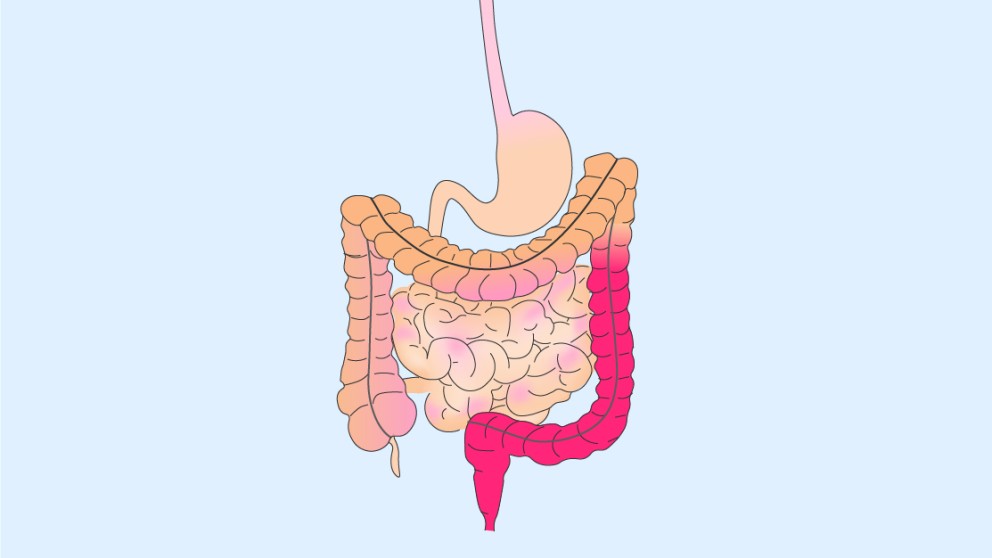
Ulcerative colitis (UC) is a lifelong inflammatory bowel disease (IBD) of unknown origin characterized by alternating flare and remission periods. An acute severe episode, so-called acute severe UC (ASUC), may happen in approximately one-quarter of patients during their life.1 Notably, more than 25% of ASUC episodes correspond to the index presentation of the disease. Patients with ASUC should be promptly identified by the modified Truelove and Witts criteria recommended by the most recent international guidelines and admitted rapidly to a digestive unit. Indeed, ASUC is a life-threatening condition still leading to a 1% death rate in Western countries. In the current article, we will discuss the most frequent and/or relevant mistakes in managing patients admitted for an ASUC episode and how to avoid them. The manuscript is based on the available evidence and expert opinion when evidence is lacking.

Mistakes in acute severe ulcerative colitis and how to avoid them

Mistakes in acute severe ulcerative colitis and how to avoid them

David Laharie

Topics

IBD

Citation

David Laharie. Mistakes in acute severe ulcerative colitis and how to avoid them. UEG Education 2023; 23: 19-21.

Published

2023
UEG Standards and Guidelines
Clinical Practice Guideline
Share via Email Share on Facebook Share on X Share on LinkedIn Share on Bluesky

Log in to access this content.

Free for all myUEG account holders. Your access level is set automatically based on your occupation. Medical professionals get full access to all content. If you are a non-medical user, you can only access UEG Week content from congresses you attended.

Log In Create a free account

Not sure what you can access? Learn more about account types.

Summary

Background & aims

Dementia is accompanied by a variety of changes that result in an increased risk of malnutrition and low-intake dehydration. This guideline update aims to give evidence-based recommendations for nutritional care of persons with dementia in order to prevent and treat these syndromes.

Methods

The previous guideline version was reviewed and expanded in accordance with the standard operating procedure for ESPEN guidelines. Based on a systematic search in three databases, strength of evidence of appropriate literature was graded by use of the SIGN system. The original recommendations were reviewed and reformulated, and new recommendations were added, which all then underwent a consensus process.

Results

40 recommendations for nutritional care of older persons with dementia were developed and agreed, seven at institutional level and 33 at individual level. As a prerequisite for good nutritional care, organizations caring for persons with dementia are recommended to employ sufficient qualified staff and offer attractive food and drinks with choice in a functional and appealing environment. Nutritional care should be based on a written care concept with standardized operating procedures. At the individual level, routine screening for malnutrition and dehydration, nutritional assessment and close monitoring are unquestionable. Oral nutrition may be supported by eliminating potential causes of malnutrition and dehydration, and adequate social and nursing support (including assistance, utensils, training and oral care). Oral nutritional supplements are recommended to improve nutritional status but not to correct cognitive impairment or prevent cognitive decline. Routine use of dementia-specific ONS, ketogenic diet, omega-3 fatty acid supplementation and appetite stimulating agents is not recommended. Enteral and parenteral nutrition and hydration are temporary options in patients with mild or moderate dementia, but not in severe dementia or in the terminal phase of life. In all stages of the disease, supporting food and drink intake and maintaining or improving nutrition and hydration status requires an individualized, comprehensive approach. Due to a lack of appropriate studies, most recommendations are good practice points.

Conclusion

Nutritional care should be an integral part of dementia management. Numerous interventions are available that should be implemented in daily practice. Future high-quality studies are needed to clarify the evidence.

Keywords

Dementia, Malnutrition, Dehydration, Guideline, Nutritional care

ESPEN guideline on nutrition and hydration in dementia – Update 2024

ESPEN guideline on nutrition and hydration in dementia – Update 2024

Dorothee Volkert

Publisher

The European Society for Clinical Nutrition and Metabolism logo
The European Society for Clinical Nutrition and Metabolism

Guideline

Clinical Practice Guideline

Topics

Small Intestine & Nutrition

Citation

Clinical Nutrition 43 (2024) 1599-1626

Published

2024
Login to access

The global reference point for the digestive health community

Platform Publisher

United European Gastroenterology

Wickenburggasse 1 1080 Vienna, Austria

Contact us

support@ueg.eu

ueg.eu

T: +43 1 997 1639

Legal

Terms & Conditions

Imprint

Privacy Policy

Explore

My Bookmarks

My recommendations

My fields of interest

© 2026 United European Gastroenterology

Change fields of interest

These fields are selected based on the interests in your myUEG profile.
Click the item to unselect it. You can select multiple items.