UEG Week Recordings UEG Week Posters Online courses Guidelines Mistakes in... Podcasts Webinars
Visit ueg.eu Create myUEG account Log In

Filters:

UEG Mistakes In Articles
Share via Email Share on Facebook Share on X Share on LinkedIn Share on Bluesky

Log in to access this content.

Free for all myUEG account holders. Your access level is set automatically based on your occupation. Medical professionals get full access to all content. If you are a non-medical user, you can only access UEG Week content from congresses you attended.

Log In Create a free account

Not sure what you can access? Learn more about account types.

People with irritable bowel syndrome (IBS) experience chronic intermittent symptoms, such as abdominal pain, bloating and/or altered bowel movements. These symptoms may negatively impact their daily life, prohibiting participation in social activities or leading to work absenteeism, and they are associated with increased healthcare utilisation.More than 85% of people with IBS indicate that food is one of the triggers for their gastrointestinal symptoms. Many of them have also tried diets, eliminated certain foods, taken supplements or used over-the-counter remedies before consulting a doctor or dietitian.4 Somewhat contradictorily, according to surveys of patients’ expectations in primary care, patients with IBS expect their general practitioner to provide reassurance or drug treatments, but less than 10% value dietary intervention. This is despite the fact that almost 95% of general practitioners report that they start the treatment of IBS by giving nutritional advice.5 Dietary interventions are also given a prominent place in the guidelines as both first- and second-line treatments for IBS.


Mistakes in dietary management of IBS and how to avoid them

Mistakes in dietary management of IBS and how to avoid them

Jean W.M. Muris, Daniel Keszthelyi, Jenny Brouns, Zlatan Mujagic

Topics

Neurogastroenterology & Motility

Citation

Mujagic Z, Brouns J, Keszthelyi D and Muris JWM. Mistakes in dietary management of IBS and how to avoid them. UEG Education 2022; 22: 1–4.

Published

2022
UEG Mistakes In Articles
Share via Email Share on Facebook Share on X Share on LinkedIn Share on Bluesky

Log in to access this content.

Free for all myUEG account holders. Your access level is set automatically based on your occupation. Medical professionals get full access to all content. If you are a non-medical user, you can only access UEG Week content from congresses you attended.

Log In Create a free account

Not sure what you can access? Learn more about account types.
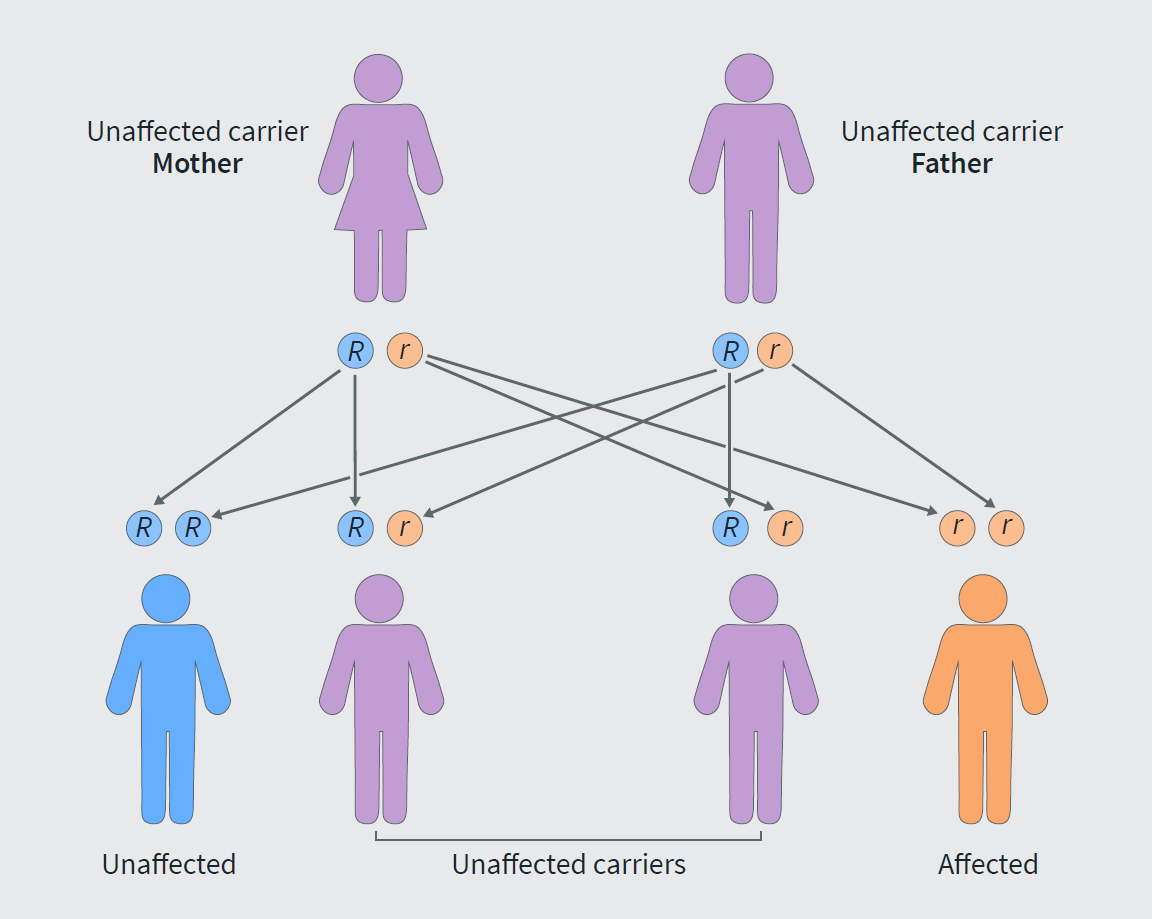
Familial Mediterranean fever (FMF), also called periodic disease, Armenian disease, etc., is a prototypical autoinflammatory disorder where the underlying mechanism is the dysfunction of innate immunity, resulting in unprovoked episodes of inflammation.1 Although considered rare worldwide, it is prevalent in people of Mediterranean origin; however, one can expect to encounter patients in all parts of the modern world. FMF is a monogenic disease with autosomal recessive inheritance.2 Unlike other monogenic disorders, the diagnosis remains largely clinical, and it is important to understand the limitations of genetic testing. Another distinguishing feature is the well-established effectiveness of lifelong monotherapy with colchicine in preventing attacks and complications.3

Mistakes in Familial Mediterranean Fever and how to avoid them

Mistakes in Familial Mediterranean Fever and how to avoid them

Manik Gemilyan, Gagik Hakobyan

Topics

Primary Care

Published

2025
UEG Mistakes In Articles
Share via Email Share on Facebook Share on X Share on LinkedIn Share on Bluesky

Log in to access this content.

Free for all myUEG account holders. Your access level is set automatically based on your occupation. Medical professionals get full access to all content. If you are a non-medical user, you can only access UEG Week content from congresses you attended.

Log In Create a free account

Not sure what you can access? Learn more about account types.

Carbohydrates not absorbed in the small intestine are fermented by colonic bacteria to organic acids and gases(e.g. carbon dioxide, hydrogen and methane), part of which is absorbed in the colon, the other part remaining in the lumen. Large interindividual differences have been demonstrated for the production of such acids and gas. Carbohydrate malabsorption can be diagnosed by using the hydrogen breath test, because the gases produced after administration of a provocative dose of carbohydrate are unique products of bacterial carbohydrate fermentation.

Mistakes in the management of carbohydrate intolerance and how to avoid them

Mistakes in the management of carbohydrate intolerance and how to avoid them

Johann Hammer, Heinz Florian Hammer, Mark Fox

Topics

Small Intestine & Nutrition

Citation

Hammer HF, Hammer J and Fox M. Mistakes in the management of carbohydrate intolerance and how to avoid them. UEG Education 2019; 19: 9–14

Published

2019
UEG Mistakes In Articles
Share via Email Share on Facebook Share on X Share on LinkedIn Share on Bluesky

Log in to access this content.

Free for all myUEG account holders. Your access level is set automatically based on your occupation. Medical professionals get full access to all content. If you are a non-medical user, you can only access UEG Week content from congresses you attended.

Log In Create a free account

Not sure what you can access? Learn more about account types.
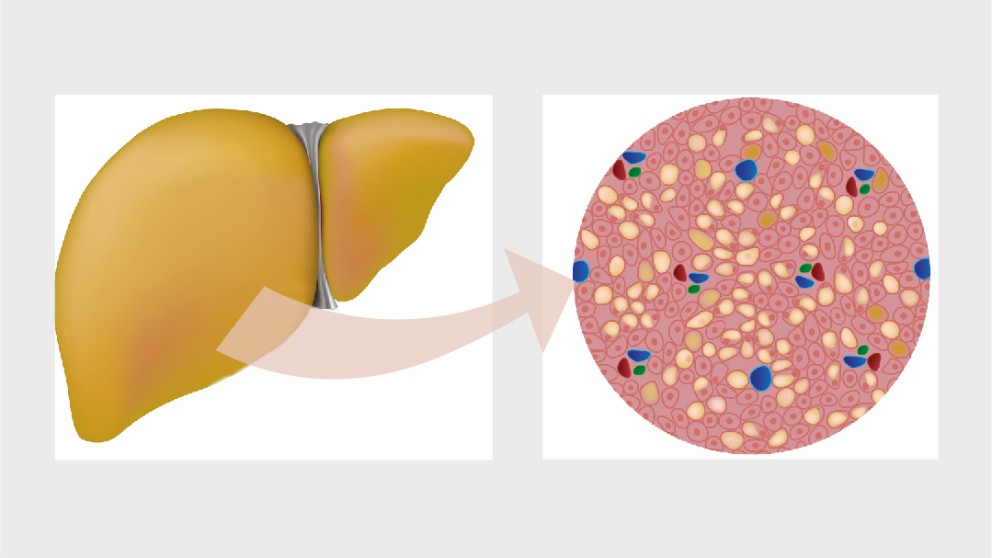
Metabolic Dysfunction-Associated Steatotic Liver Disease (MASLD) is a subclassification of steatotic liver disease (SLD), defined as the presence of excess triglyceride storage in the liver in conjunction with at least one cardiometabolic risk factor and no other discernible cause.1 Cirrhosis secondary to MASH is the most common cause of liver disease in the world and is the fastest-growing indication for liver transplantation, but it also has a >50% recurrence rate post-transplantation.

Mistakes in metabolic dysfunction associated steatotic liver disease and how to avoid them

Mistakes in metabolic dysfunction associated steatotic liver disease and how to avoid them

Sarah Townsend, Philip Newsome

Topics

Hepatobiliary

Citation

Townsend SA and Newsome PN. Mistakes in nonalcoholic fatty liver disease and how to avoid them. UEG Education 2017; 17: 39–41.

Published

2024
UEG Standards and Guidelines
Clinical Practice Guideline
Share via Email Share on Facebook Share on X Share on LinkedIn Share on Bluesky

Log in to access this content.

Free for all myUEG account holders. Your access level is set automatically based on your occupation. Medical professionals get full access to all content. If you are a non-medical user, you can only access UEG Week content from congresses you attended.

Log In Create a free account

Not sure what you can access? Learn more about account types.


Abstract

Irritable bowel syndrome with diarrhoea (IBS-D) and functional diarrhoea (FDr) are the two major functional bowel disorders characterized by diarrhoea. In spite of their high prevalence, IBS-D and FDr are associated with major uncertainties, especially regarding their optimal diagnostic work-up and management. A Delphi consensus was performed with experts from 10 European countries who conducted a literature summary and voting process on 31 statements. Quality of evidence was evaluated using the grading of recommendations, assessment, development, and evaluation criteria. Consensus (defined as >80% agreement) was reached for all the statements. The panel agreed with the potential overlapping of IBS-D and FDr. In terms of diagnosis, the consensus supports a symptom-based approach also with the exclusion of alarm symptoms, recommending the evaluation of full blood count, C-reactive protein, serology for coeliac disease, and faecal calprotectin, and consideration of diagnosing bile acid diarrhoea. Colonoscopy with random biopsies in both the right and left colon is recommended in patients older than 50 years and in presence of alarm features. Regarding treatment, a strong consensus was achieved for the use of a diet low fermentable oligo-, di-, monosaccharides and polyols, gut-directed psychological therapies, rifaximin, loperamide, and eluxadoline. A weak or conditional recommendation was achieved for antispasmodics, probiotics, tryciclic antidepressants, bile acid sequestrants, 5-hydroxytryptamine-3 antagonists (i.e. alosetron, ondansetron, or ramosetron). A multinational group of European experts summarized the current state of consensus on the definition, diagnosis, and management of IBS-D and FDr.

Keywords: abdominal pain, clinical practice guidelines, diarrhea, FDr, functional bowel disorders, functional diarrhea, IBS-D,  irritable bowel syndrome


Functional bowel disorders with diarrhoea: Clinical guidelines of the United European Gastroenterology and European Society for Neurogastroenterology and Motility

Functional bowel disorders with diarrhoea: Clinical guidelines of the United European Gastroenterology and European Society for Neurogastroenterology and Motility

Edoardo Vincenzo Savarino

Publisher

European Society of Neurogastroenterology and Motility logo
European Society of Neurogastroenterology and Motility

Guideline

Clinical Practice Guideline

Topics

Neurogastroenterology & Motility

Citation

United European Gastroenterol J.2022;10:556–584

Published

2022
Login to access
UEG Standards and Guidelines
Clinical Practice Guideline
Share via Email Share on Facebook Share on X Share on LinkedIn Share on Bluesky

Log in to access this content.

Free for all myUEG account holders. Your access level is set automatically based on your occupation. Medical professionals get full access to all content. If you are a non-medical user, you can only access UEG Week content from congresses you attended.

Log In Create a free account

Not sure what you can access? Learn more about account types.

Abstract

Background
Malnutrition and dehydration are widespread in older people, and obesity is an increasing problem. In clinical practice, it is often unclear which strategies are suitable and effective in counteracting these key health threats.

Aim
To provide evidence-based recommendations for clinical nutrition and hydration in older persons in order to prevent and/or treat malnutrition and dehydration. Further, to address whether weight-reducing interventions are appropriate for overweight or obese older persons.

Methods
This guideline was developed according to the standard operating procedure for ESPEN guidelines and consensus papers. A systematic literature search for systematic reviews and primary studies was performed based on 33 clinical questions in PICO format. Existing evidence was graded according to the SIGN grading system. Recommendations were developed and agreed in a multistage consensus process.

Results
We provide eighty-two evidence-based recommendations for nutritional care in older persons, covering four main topics: Basic questions and general principles, recommendations for older persons with malnutrition or at risk of malnutrition, recommendations for older patients with specific diseases, and recommendations to prevent, identify and treat dehydration. Overall, we recommend that all older persons shall routinely be screened for malnutrition in order to identify an existing risk early. Oral nutrition can be supported by nursing interventions, education, nutritional counseling, food modification and oral nutritional supplements. Enteral nutrition should be initiated if oral, and parenteral if enteral nutrition is insufficient or impossible and the general prognosis is altogether favorable. Dietary restrictions should generally be avoided, and weight-reducing diets shall only be considered in obese older persons with weight-related health problems and combined with physical exercise. All older persons should be considered to be at risk of low-intake dehydration and encouraged to consume adequate amounts of drinks. Generally, interventions shall be individualized, comprehensive and part of a multimodal and multidisciplinary team approach.

Conclusion
A range of effective interventions is available to support adequate nutrition and hydration in older persons in order to maintain or improve nutritional status and improve clinical course and quality of life. These interventions should be implemented in clinical practice and routinely used.

Keywords: guideline; recommendations; geriatrics; nutritional care; malnutrition; dehydration

ESPEN guideline on clinical nutrition and hydration in geriatrics

ESPEN guideline on clinical nutrition and hydration in geriatrics

Dorothee Volkert, Anne Marie Beck, Tommy Cederholm, Alfonso Cruz-Jentoft, Sabine Goisser, Lee Hooper, Eva Kiesswetter, Marcello Maggio, Agathe Raynaud-Simon, C. Sieber, Lubos Sobotka, Dieneke van Asselt, Rainer Wirth, Stephan Bischoff

Publisher

The European Society for Clinical Nutrition and Metabolism logo
The European Society for Clinical Nutrition and Metabolism

Guideline

Clinical Practice Guideline

Topics

Primary Care Small Intestine & Nutrition

Citation

Clinical Nutrition 38 (2019) 10-47

Published

2019
Login to access
UEG Standards and Guidelines
Clinical Practice Guideline
Share via Email Share on Facebook Share on X Share on LinkedIn Share on Bluesky

Log in to access this content.

Free for all myUEG account holders. Your access level is set automatically based on your occupation. Medical professionals get full access to all content. If you are a non-medical user, you can only access UEG Week content from congresses you attended.

Log In Create a free account

Not sure what you can access? Learn more about account types.

Abstract

Background and Aims
A growing body of evidence supports the need for detailed attention to nutrition and diet in children with inflammatory bowel disease (IBD). We aimed to define the steps in instituting dietary or nutritional management in light of the current evidence and to offer a useful and practical guide to physicians and dieticians involved in the care of pediatric IBD patients.

Methods
A group of 20 experts in pediatric IBD participated in an iterative consensus process including 2 face-to-face meetings, following an open call to Nutrition Committee of the European Society of Pediatric Gastroenterology, Hepatology and Nutrition Porto, IBD Interest, and Nutrition Committee. A list of 41 predefined questions was addressed by working subgroups based on a systematic review of the literature.

Results
A total of 53 formal recommendations and 47 practice points were endorsed with a consensus rate of at least 80% on the following topics: nutritional assessment; macronutrients needs; trace elements, minerals, and vitamins; nutrition as a primary therapy of pediatric IBD; probiotics and prebiotics; specific dietary restrictions; and dietary compounds and the risk of IBD.

Conclusions
This position paper represents a useful guide to help the clinicians in the management of nutrition issues in children with IBD.

Keywords: Crohn disease; enteral nutrition; inflammatory bowel disease; nutrition; nutritional therapy; pediatrics; ulcerative colitis

Nutrition in Pediatric Inflammatory Bowel Disease: A Position Paper on Behalf of the Porto Inflammatory Bowel Disease Group of the European Society of Pediatric Gastroenterology, Hepatology and Nutrition

Nutrition in Pediatric Inflammatory Bowel Disease: A Position Paper on Behalf of the Porto Inflammatory Bowel Disease Group of the European Society of Pediatric Gastroenterology, Hepatology and Nutrition

Erasmo Miele, Raanan Shamir, Marina Aloi, Amit Assa, Christian Braegger, Jiri Bronsky, Lissy de Ridder, Johanna Escher, Iva Hojsak, Sanja Kolacek, Sibylle Koletzko, Arie Levine, Paolo Lionetti, Massimo Martinelli, Frank Ruemmele, Richard K Russell, Rotem Boneh, Johan E. van Limbergen, Gigi Veereman, Annamaria Staiano

Publisher

European Society for Paediatric Gastroenterology, Hepatology and Nutrition logo
European Society for Paediatric Gastroenterology, Hepatology and Nutrition

Guideline

Clinical Practice Guideline

Topics

IBD Paediatrics Small Intestine & Nutrition

Citation

Journal of Pediatric Gastroenterology and Nutrition, 66: 687-708

Published

2018
Login to access

The global reference point for the digestive health community

Platform Publisher

United European Gastroenterology

Wickenburggasse 1 1080 Vienna, Austria

Contact us

support@ueg.eu

ueg.eu

T: +43 1 997 1639

Legal

Terms & Conditions

Imprint

Privacy Policy

Explore

My Bookmarks

My recommendations

My fields of interest

© 2026 United European Gastroenterology

Change fields of interest

These fields are selected based on the interests in your myUEG profile.
Click the item to unselect it. You can select multiple items.