UEG's content platform for gastroenterology education bringing recordings, courses, guidelines, and more together in one place.
Trending on Gutflix
Rate for better recommendations!
Your feedback helps us show you more of what you like and less of what you dislike!

Log in to continue.
This content is part of Gutflix. Log in with your myUEG account, or create one free, to watch it.
Not sure what you can access? Learn more about account types.
Discussion: Green endoscopy
Affiliations
1 University General Hospital Attikon, Athens, Greece

Log in to continue.
This content is part of Gutflix. Log in with your myUEG account, or create one free, to watch it.
Not sure what you can access? Learn more about account types.
Moving green endoscopy forward: Do we need a strategy?
Affiliations
1 Stadtspital Triemli, Zürich, Switzerland
Log in to continue.
This content is part of Gutflix. Log in with your myUEG account, or create one free, to watch it.
Not sure what you can access? Learn more about account types.
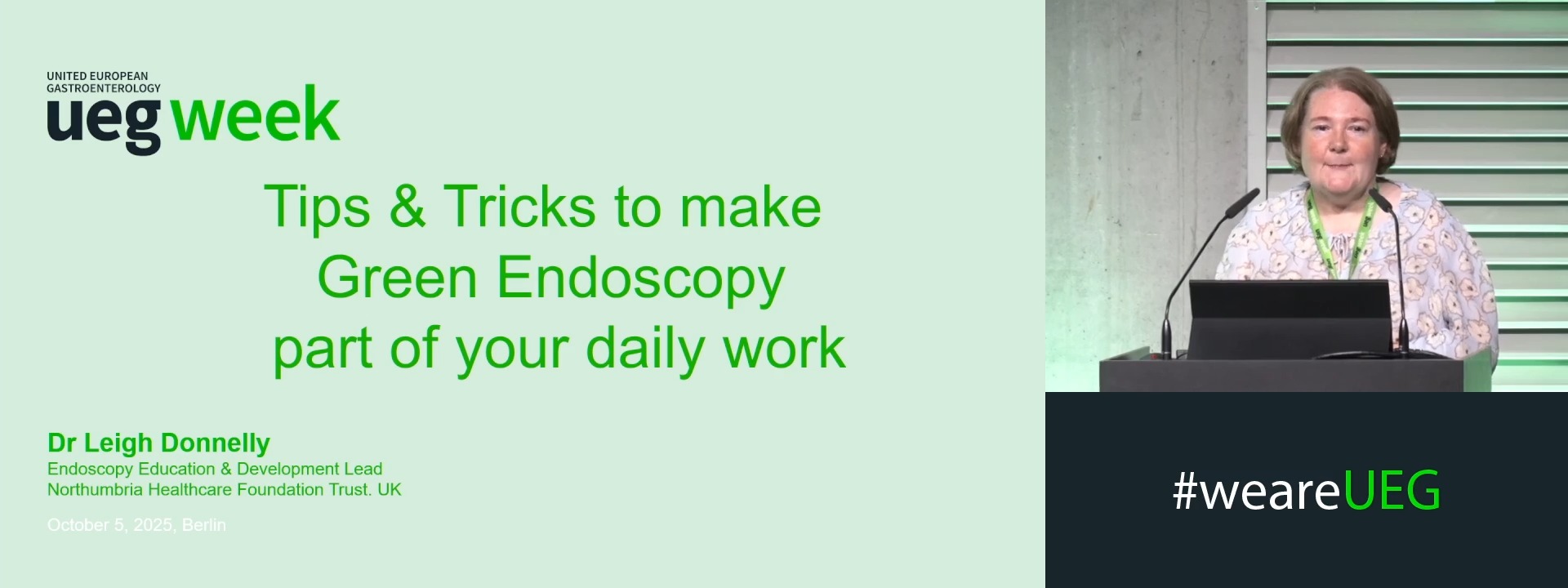
Tips and tricks to make green endoscopy part of your daily work
Affiliations
1 WANSBECK HOSPITAL, Ashington, United Kingdom

Log in to continue.
This content is part of Gutflix. Log in with your myUEG account, or create one free, to watch it.
Not sure what you can access? Learn more about account types.
How to implement “green endoscopy” in daily routines?
Affiliations
1 WANSBECK HOSPITAL, Ashington, United Kingdom

Log in to continue.
This content is part of Gutflix. Log in with your myUEG account, or create one free, to watch it.
Not sure what you can access? Learn more about account types.
Opportunities for disposable endoscopes in green endoscopy
Affiliations
1 BSCI Boston Scientific, Niederkassel, Germany
Log in to continue.
This content is part of Gutflix. Log in with your myUEG account, or create one free, to watch it.
Not sure what you can access? Learn more about account types.
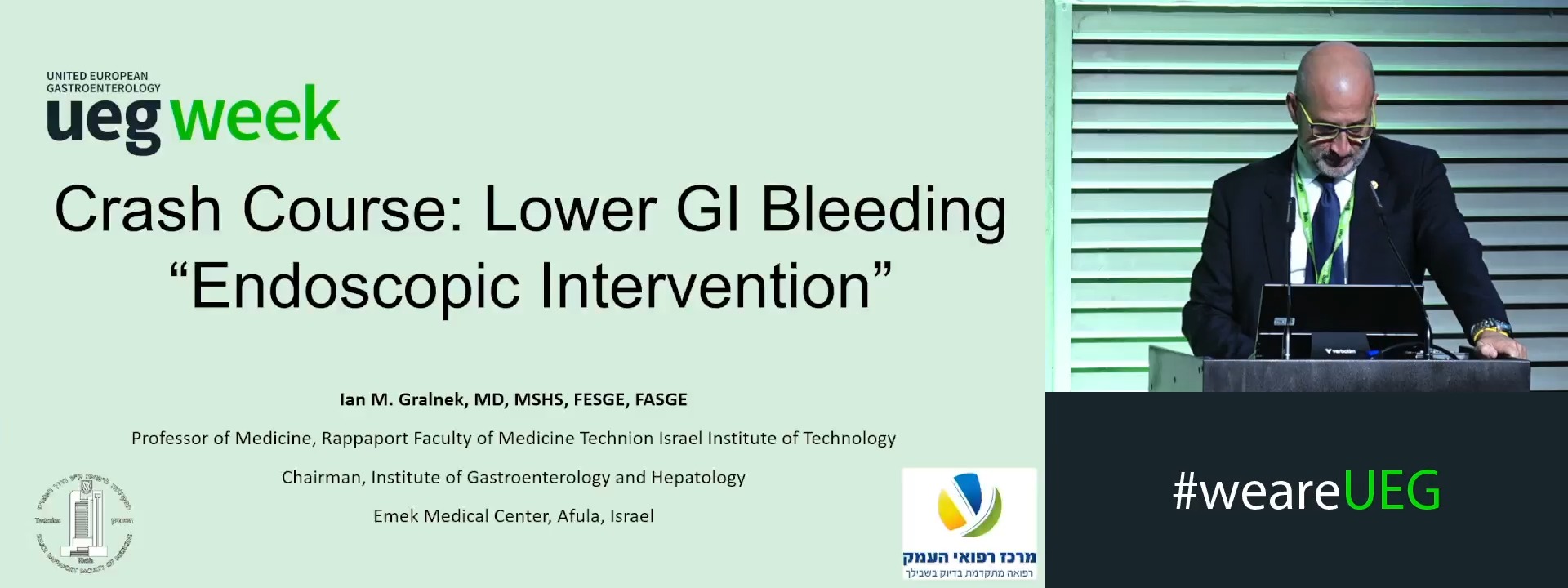
Endoscopic intervention
Affiliations
1 Ha'Emek Medical Center, Haifa, Israel