UEG's content platform for gastroenterology education bringing recordings, courses, guidelines, and more together in one place.
Trending on Gutflix
Rate for better recommendations!
Your feedback helps us show you more of what you like and less of what you dislike!
Log in to continue.
This content is part of Gutflix. Log in with your myUEG account, or create one free, to watch it.
Not sure what you can access? Learn more about account types.
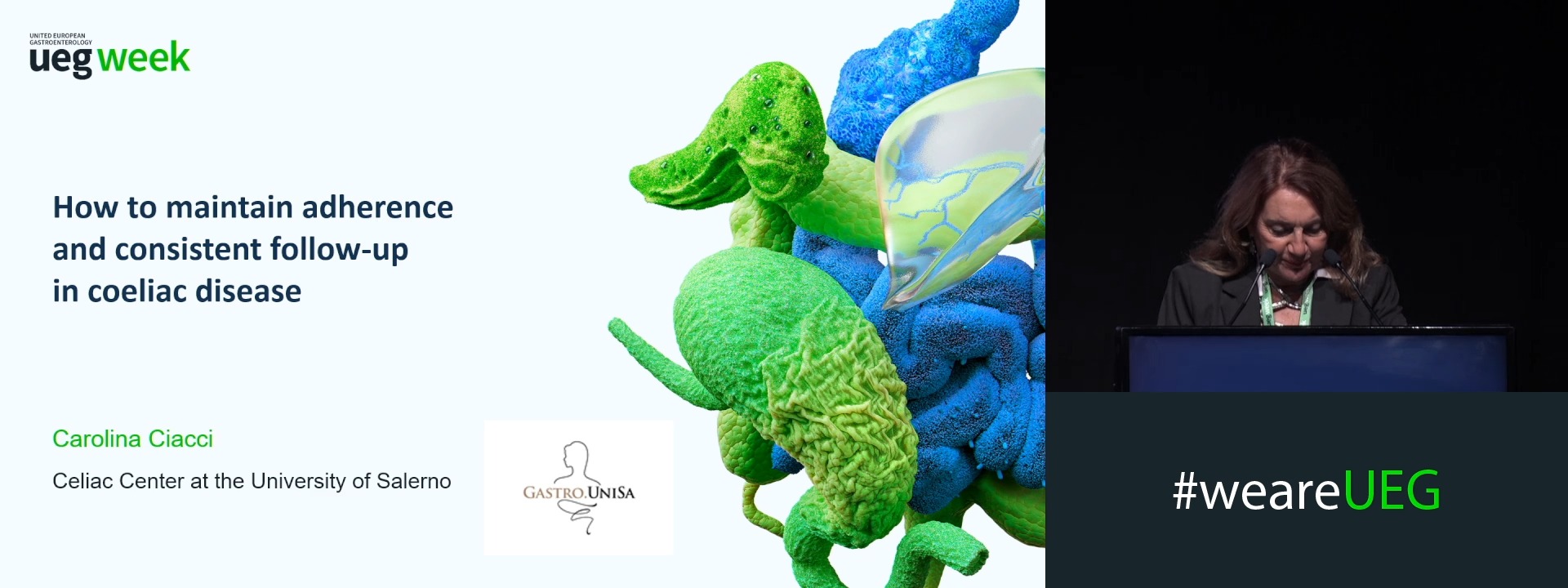
How to maintain adherence and consistent follow-up in coeliac disease
Affiliations
1 University of Salerno, Salerno, Italy
Log in to continue.
This content is part of Gutflix. Log in with your myUEG account, or create one free, to watch it.
Not sure what you can access? Learn more about account types.
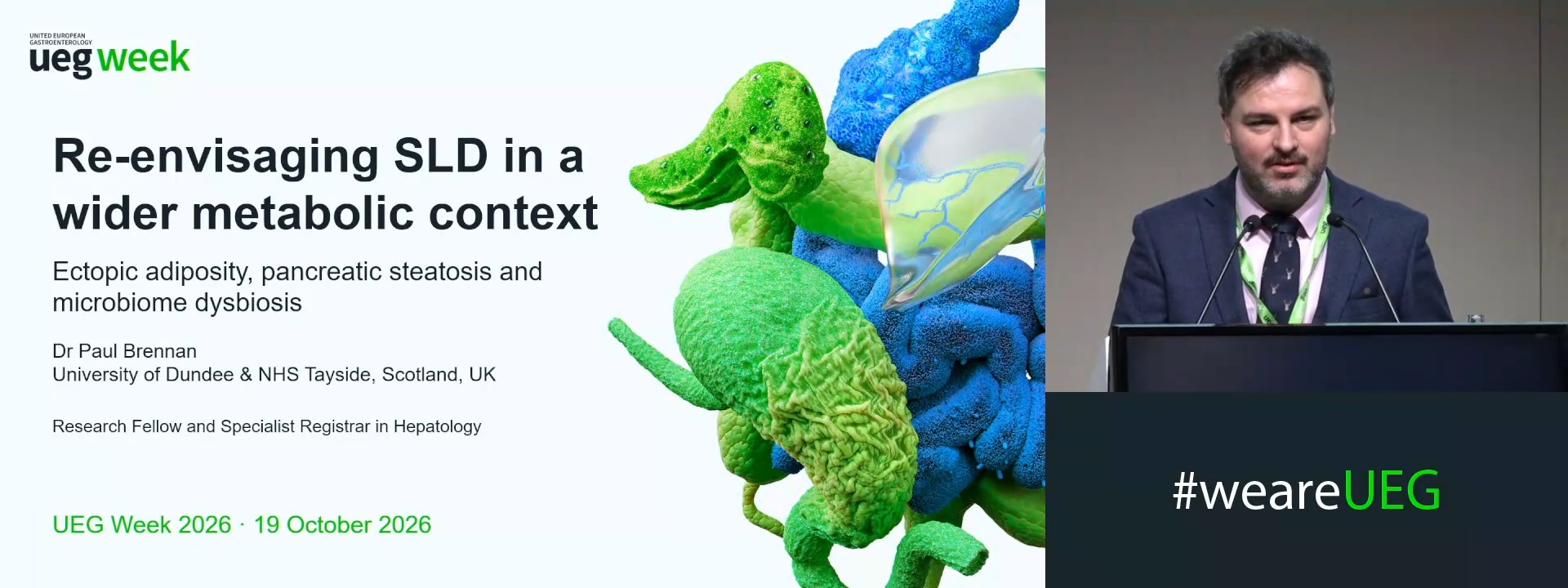
Re‑envisaging SLD in a wider metabolic context: ectopic adiposity, pancreatic steatosis and microbiome dysbiosis
Affiliations
1 Royal Infirmary of Edinburgh, Edinburgh, United Kingdom
Log in to continue.
This content is part of Gutflix. Log in with your myUEG account, or create one free, to watch it.
Not sure what you can access? Learn more about account types.
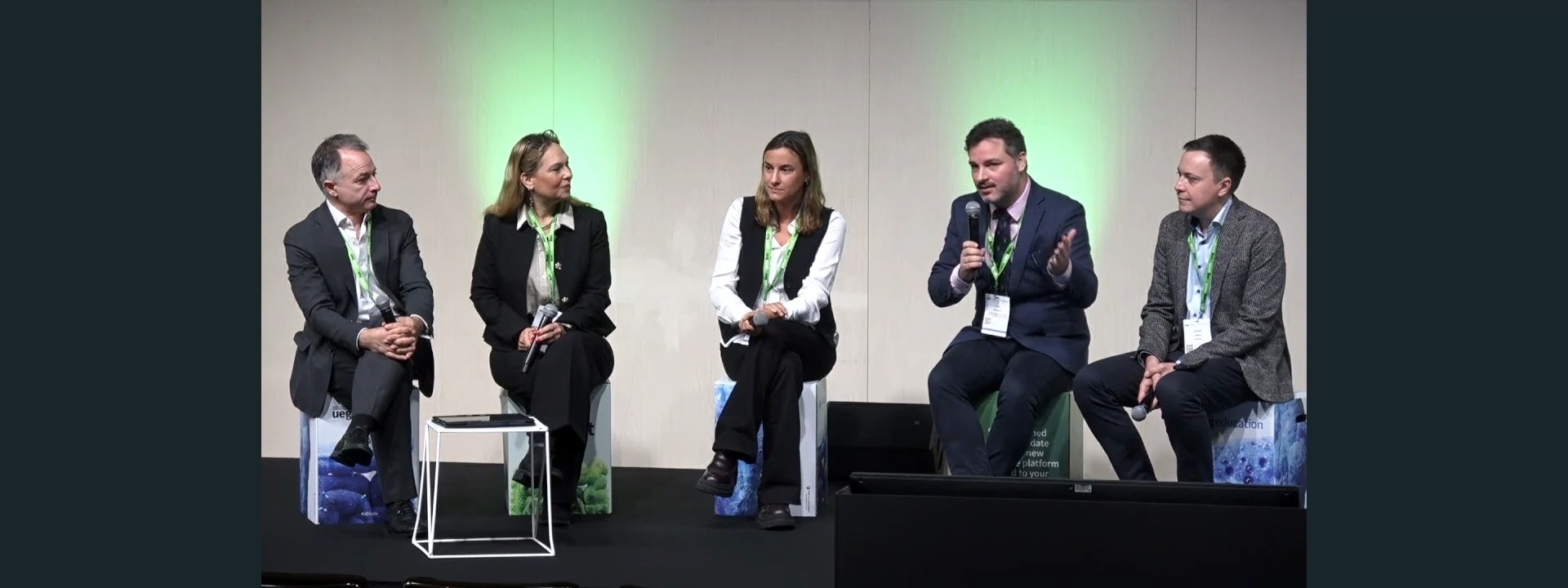
Panel discussion: Does SLD matter to you in your practice?
Log in to continue.
This content is part of Gutflix. Log in with your myUEG account, or create one free, to watch it.
Not sure what you can access? Learn more about account types.
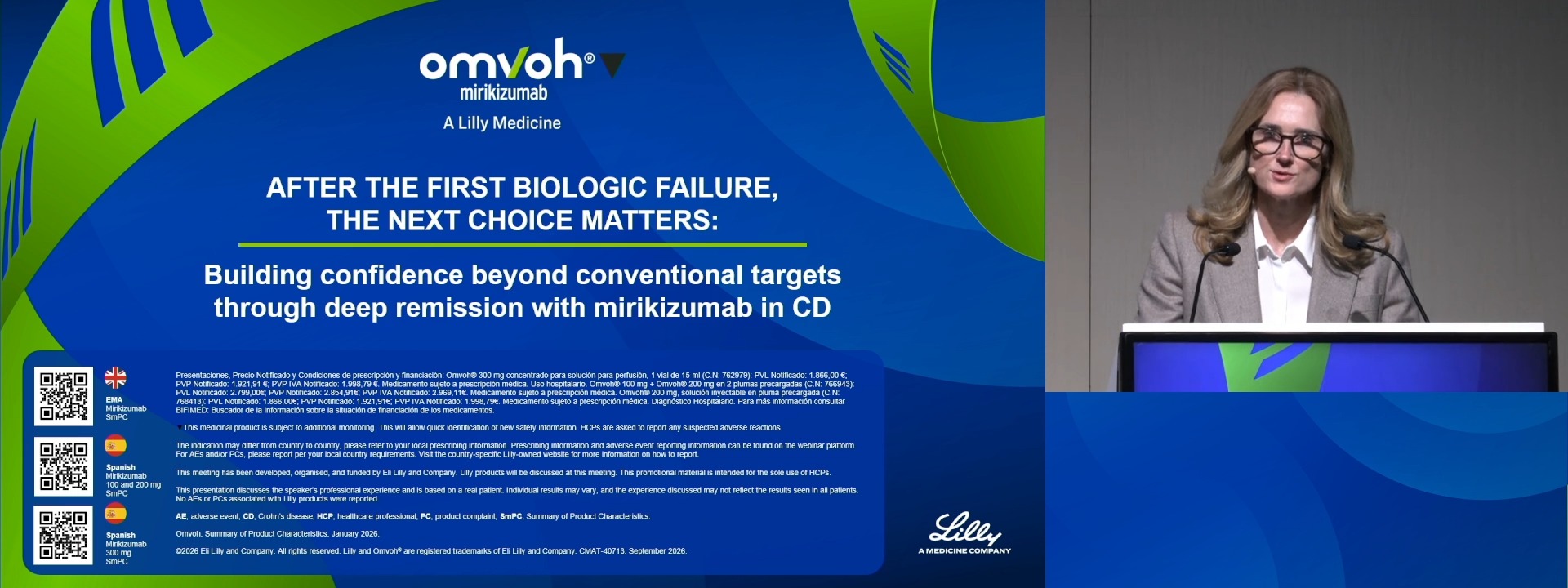
After the first biologic failure, the next choice matters: Building confidence beyond conventional targets through deep remission with mirikizumab in CD (Eli Lilly and Company) (Complete Session)
Affiliations
1 Translational Gastroenterology Unit, Oxford University Hospital, Oxford, United Kingdom
2 University Hospitals Leuven, Leuven, Belgium
3 Department of Internal Medicine I, University Hospital Schleswig-Holstein, Kiel University, Kiel, Germany
Log in to continue.
This content is part of Gutflix. Log in with your myUEG account, or create one free, to watch it.
Not sure what you can access? Learn more about account types.
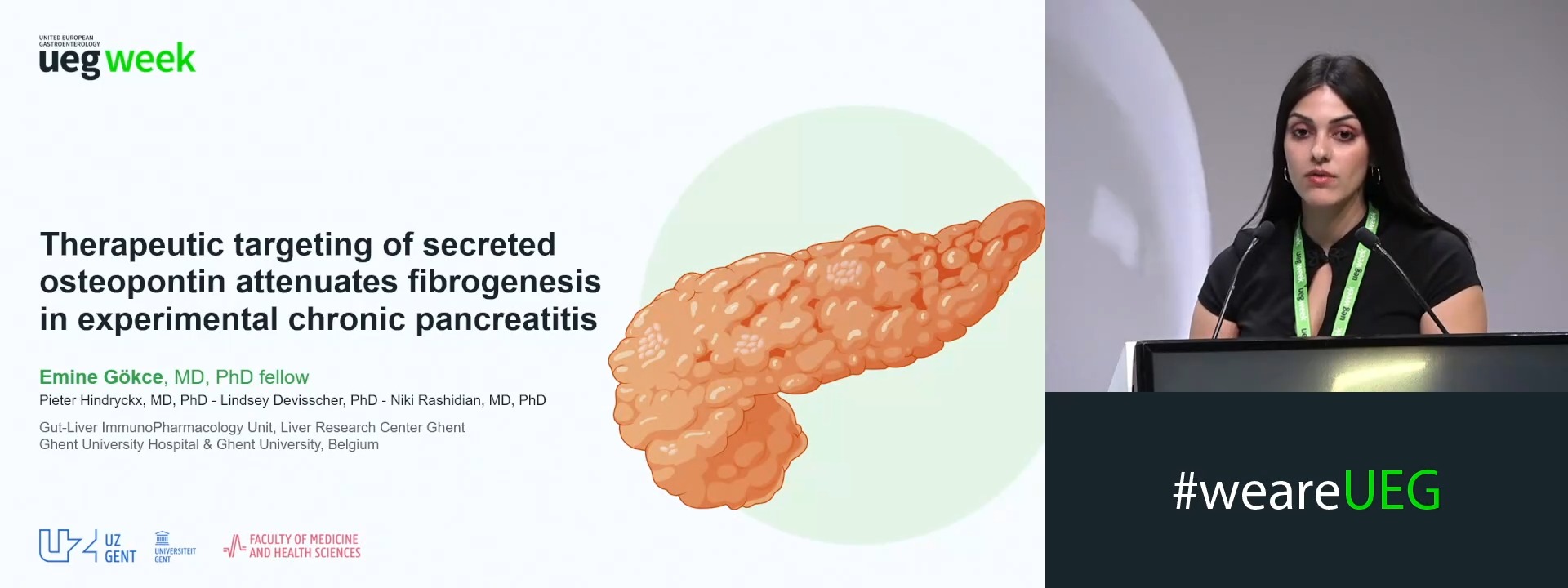
THERAPEUTIC TARGETING OF SECRETED OSTEOPONTIN ATTENUATES THE FIBROTIC PHENOTYPE IN EXPERIMENTAL CHRONIC PANCREATITIS
Affiliations
1 Ghent University Hospital, Ghent, Belgium
2 Ghent University, Ghent, Belgium
Log in to continue.
This content is part of Gutflix. Log in with your myUEG account, or create one free, to watch it.
Not sure what you can access? Learn more about account types.
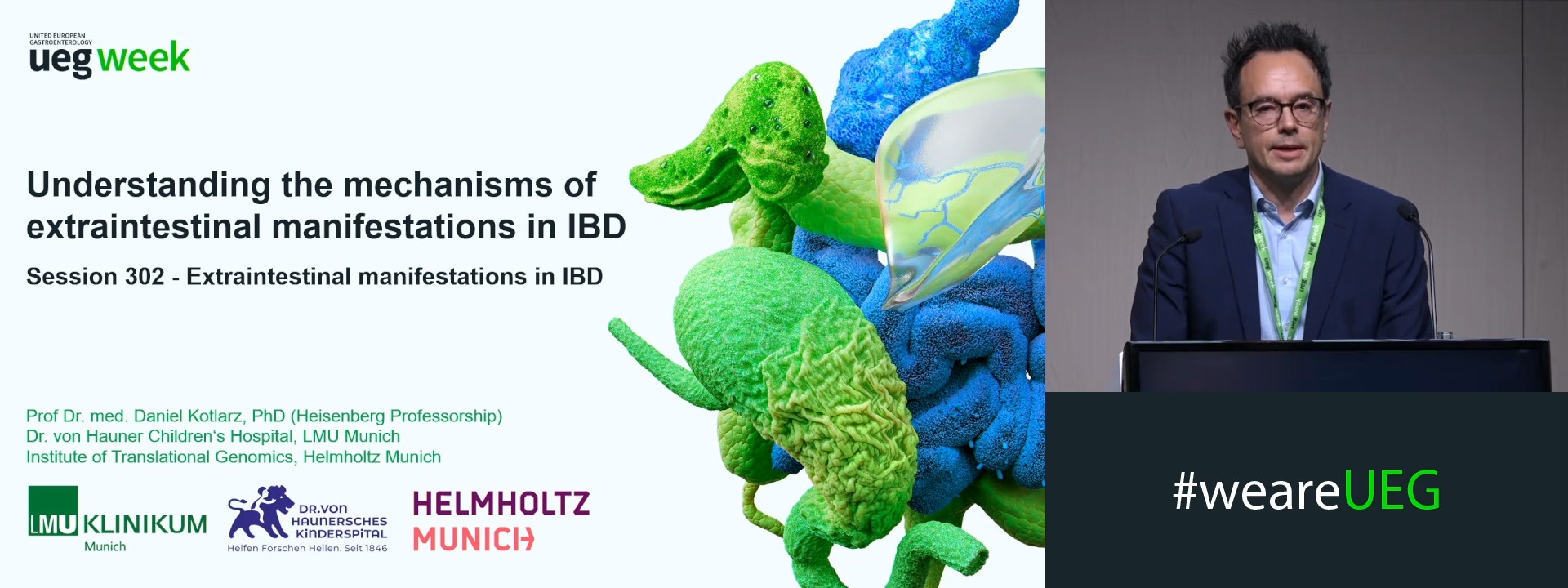
Understanding the mechanisms of extraintestinal manifestations of IBD
Affiliations
1 Ludwig-Maximilians-University of Munich, Muniche, Germany
Log in to continue.
This content is part of Gutflix. Log in with your myUEG account, or create one free, to watch it.
Not sure what you can access? Learn more about account types.
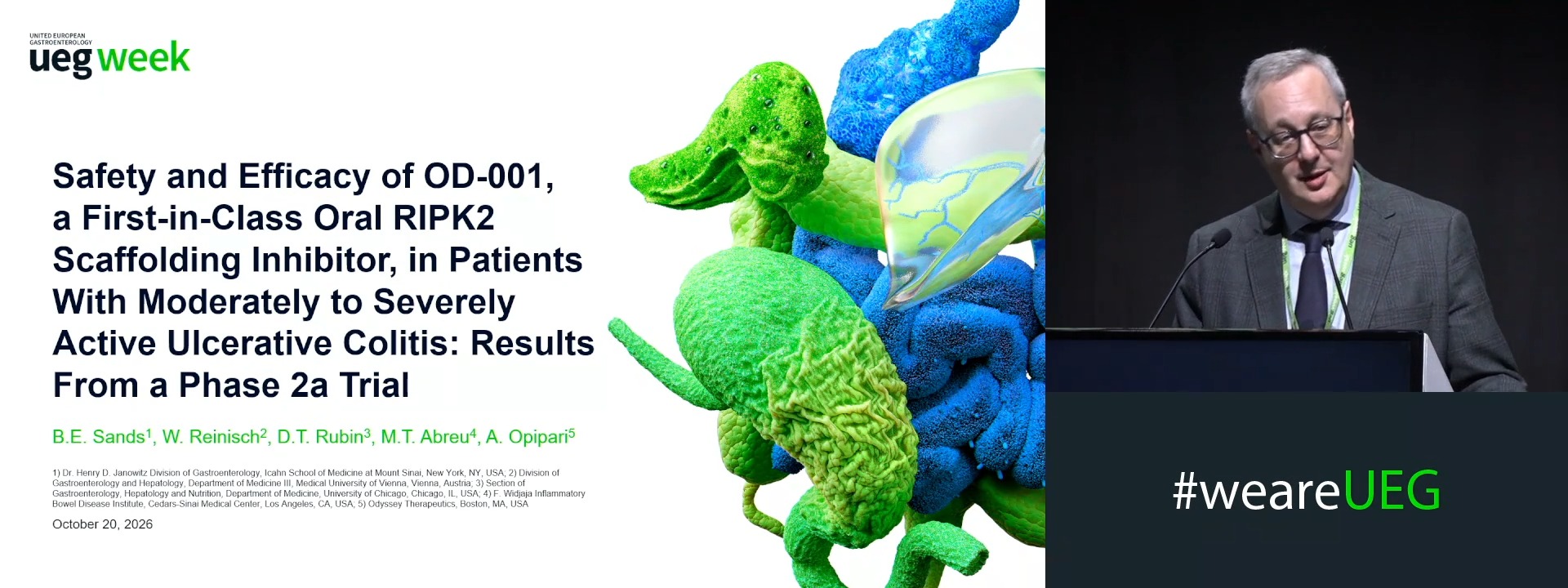
SAFETY AND EFFICACY OF OD-001, A FIRST-IN-CLASS ORAL RIPK2 SCAFFOLDING INHIBITOR, IN PATIENTS WITH MODERATELY TO SEVERELY ACTIVE ULCERATIVE COLITIS: RESULTS FROM A PHASE 2A TRIAL (NCT06850727)
Affiliations
1 Icahn School of Medicine at Mount Sinai, New York, United States
2 Medical University of Vienna, Wien, Austria
3 University of Chicago Medicine, Chicago, United States
4 Cedars-Sinai IBD Institute, Los Angeles, United States
5 Odyssey Therapeutics, Boston, United States