UEG's content platform for gastroenterology education bringing recordings, courses, guidelines, and more together in one place.
Trending on Gutflix
Rate for better recommendations!
Your feedback helps us show you more of what you like and less of what you dislike!
Log in to continue.
This content is part of Gutflix. Log in with your myUEG account, or create one free, to watch it.
Not sure what you can access? Learn more about account types.
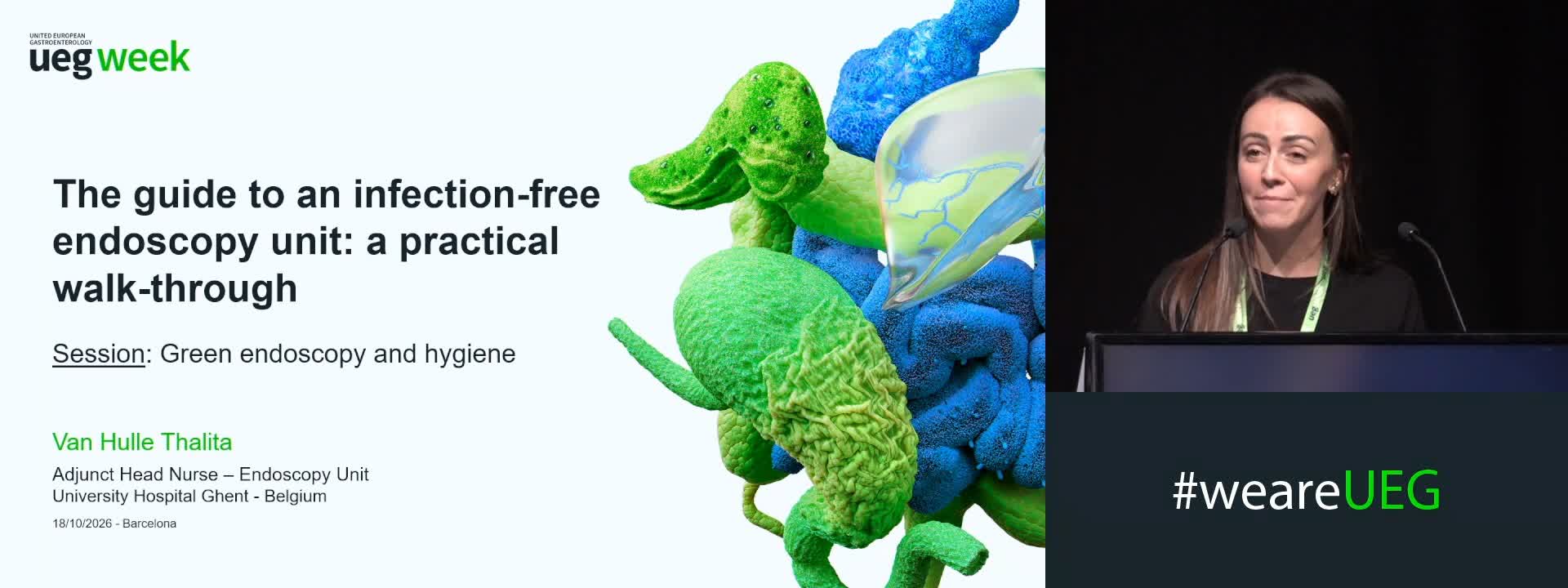
The guide to infection-free endoscopy in UZ Ghent
Affiliations
1 None, None, Belgium
Log in to continue.
This content is part of Gutflix. Log in with your myUEG account, or create one free, to watch it.
Not sure what you can access? Learn more about account types.
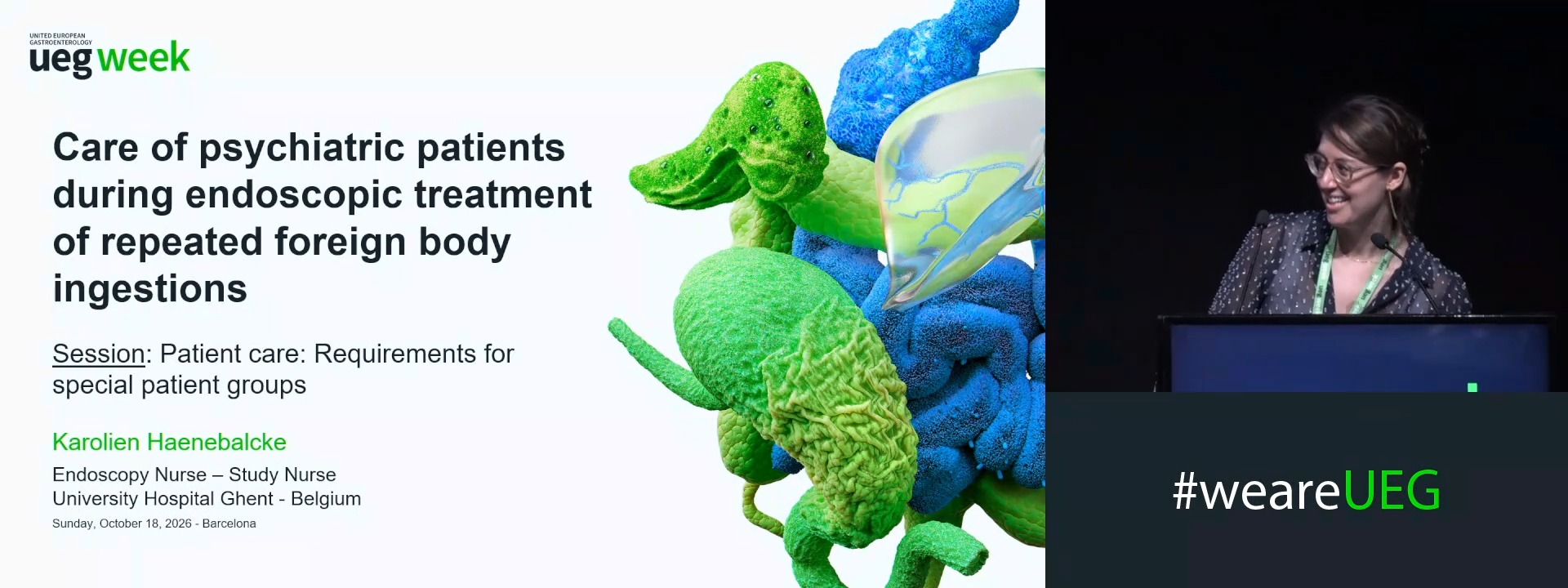
Care of psychiatric patients during endoscopic treatment of repeated foreign body ingestions
Affiliations
1 None, None, Belgium
Log in to continue.
This content is part of Gutflix. Log in with your myUEG account, or create one free, to watch it.
Not sure what you can access? Learn more about account types.
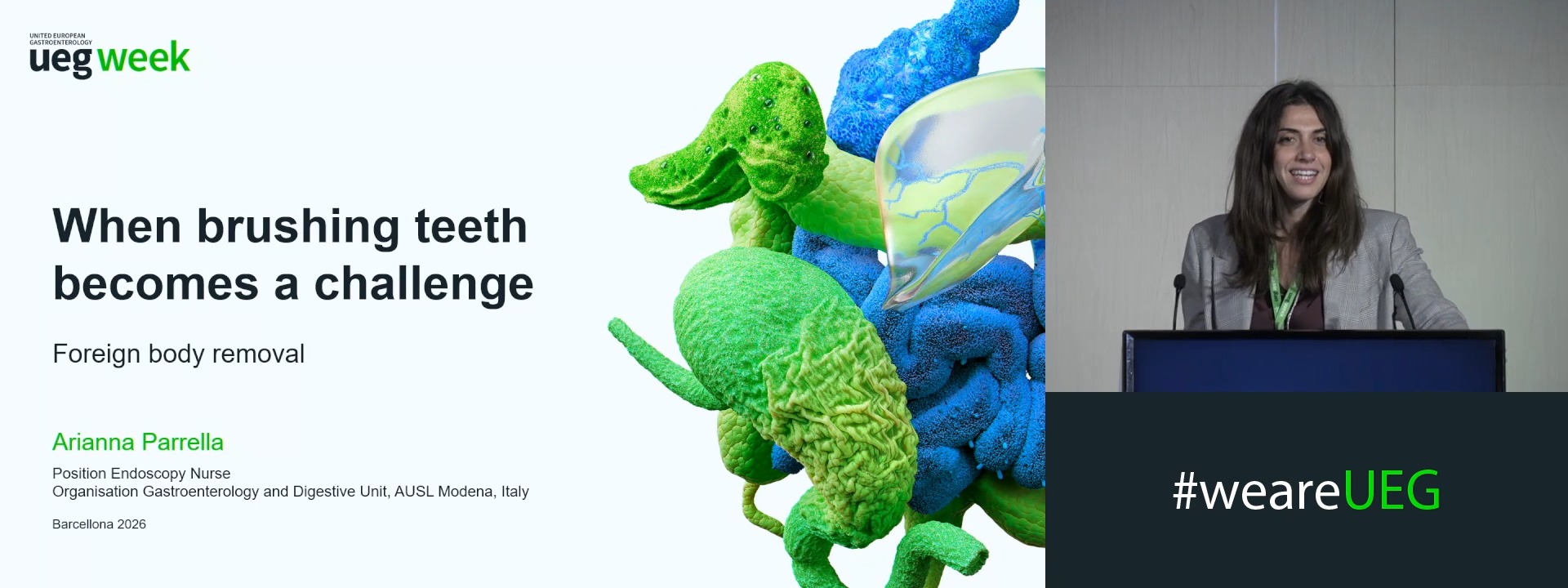
When brushing teeth becomes a challenge: Foreign body removal
Affiliations
1 Ramazzini Hospital, Carpi, Italy
Log in to continue.
This content is part of Gutflix. Log in with your myUEG account, or create one free, to watch it.
Not sure what you can access? Learn more about account types.
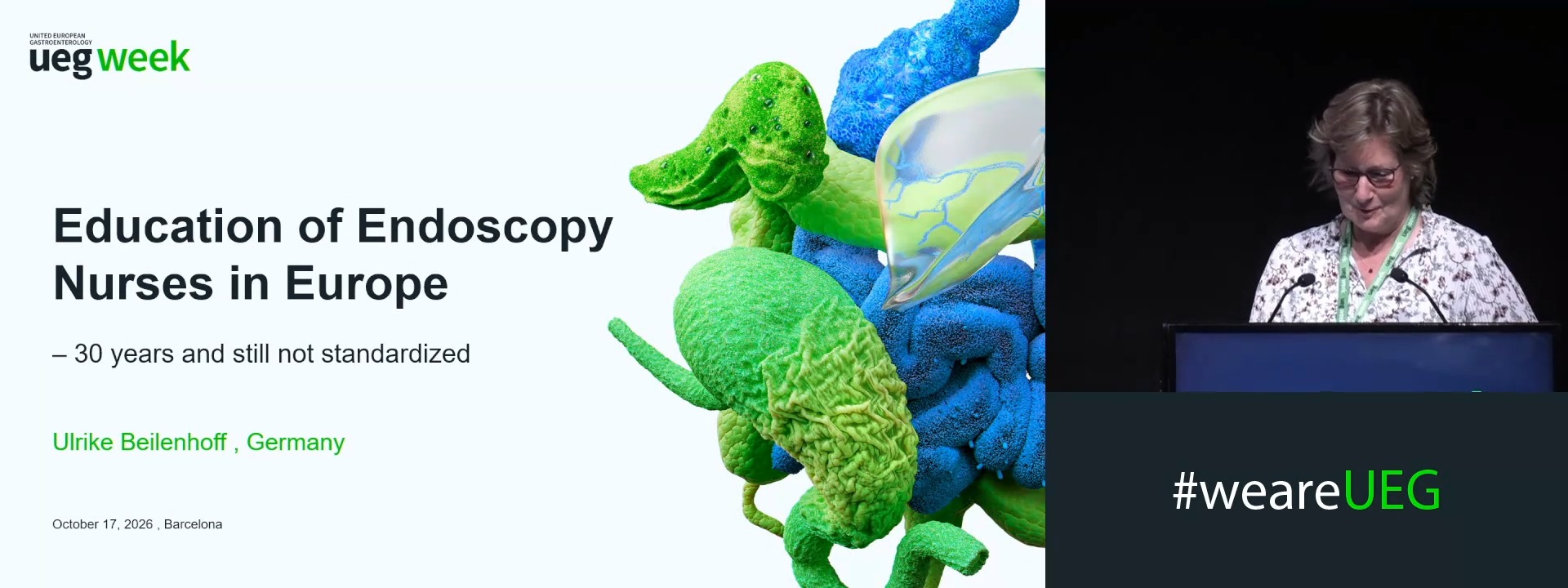
Education of endoscopy nurses in Europe – 30 years and still not standardised
Affiliations
1 ESGENA Scientific Secretary, Ulm, Germany