UEG's content platform for gastroenterology education bringing recordings, courses, guidelines, and more together in one place.
Trending on Gutflix
Rate for better recommendations!
Your feedback helps us show you more of what you like and less of what you dislike!
Log in to continue.
This content is part of Gutflix. Log in with your myUEG account, or create one free, to watch it.
Not sure what you can access? Learn more about account types.
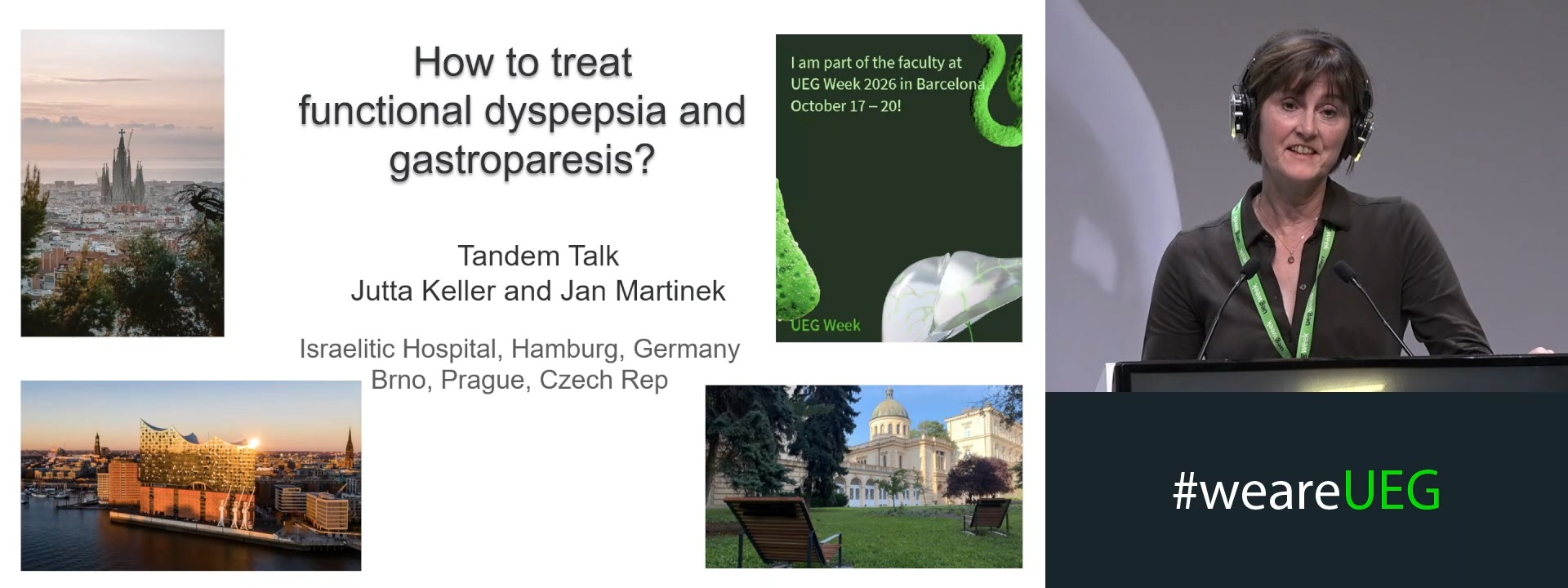
How to treat functional dyspepsia and gastroparesis
Affiliations
1 Israelitic Krankenhaus, Hamburg, Germany
2 Institute for Clinical and Experimental Medicine Gastroenterology & Hepatology, Praha, Czech Republic
Log in to continue.
This content is part of Gutflix. Log in with your myUEG account, or create one free, to watch it.
Not sure what you can access? Learn more about account types.
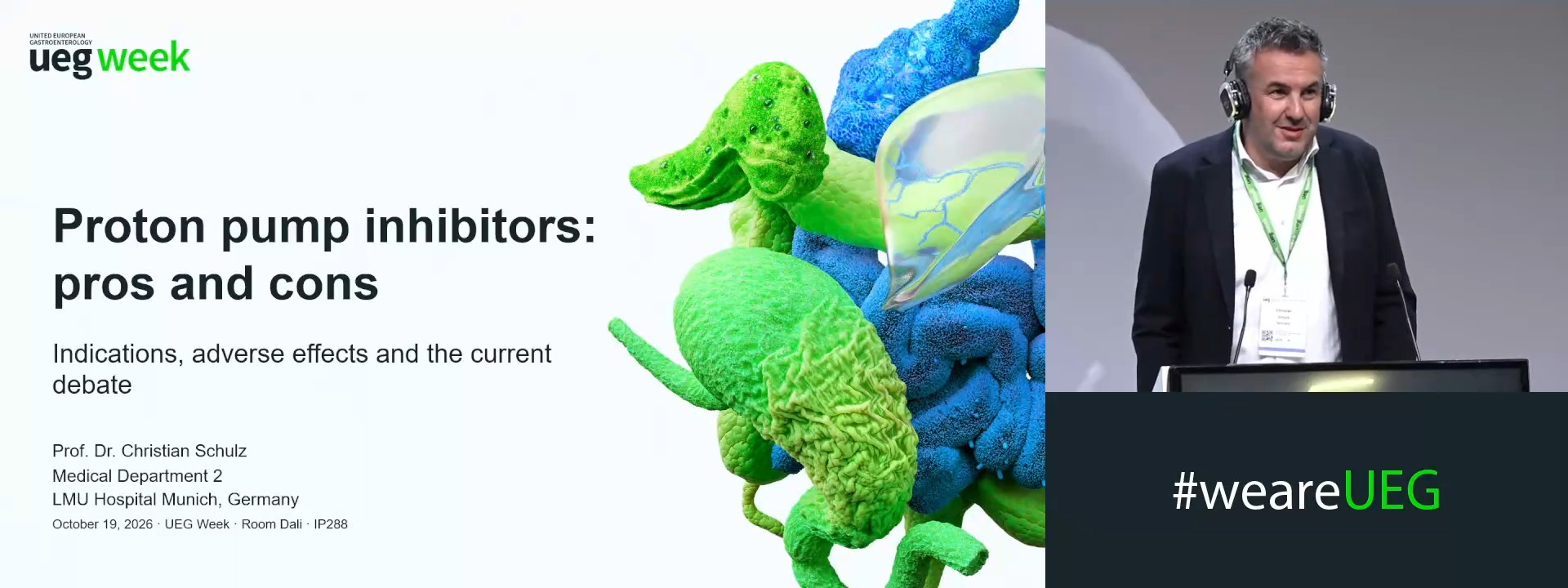
PPIs: Pros and cons evidence-based data
Affiliations
1 Ludwig Maximilian University, Munich, Germany
Log in to continue.
This content is part of Gutflix. Log in with your myUEG account, or create one free, to watch it.
Not sure what you can access? Learn more about account types.
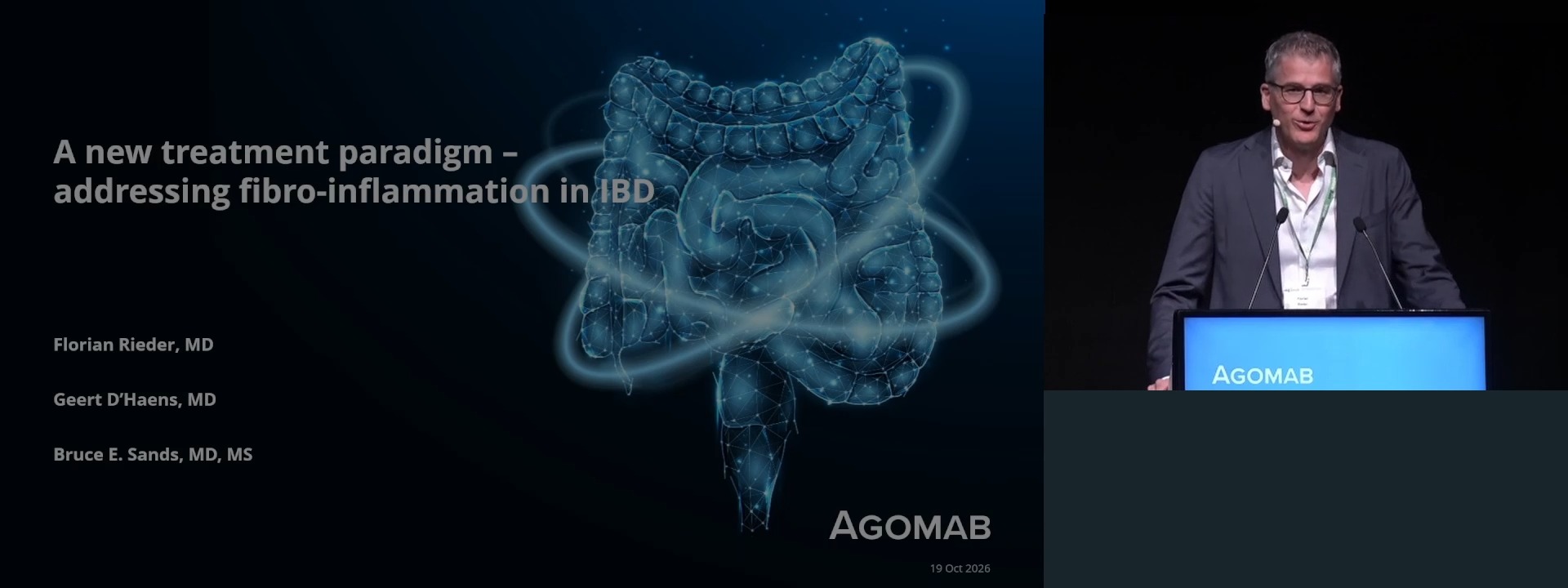
A new treatment paradigm – addressing fibro-inflammation in IBD (Agomab) (Complete Session)
Affiliations
1 Icahn School of Medicine at Mount Sinai, New York, United States of America
2 Cleveland Clinic Foundation, Cleveland, United States of America
3 AMC Amsterdam Inflammatory Bowel Disease Centre - Academic Medical Center, AMC Amsterdam Inflammator, Amsterdam, Netherlands
Log in to continue.
This content is part of Gutflix. Log in with your myUEG account, or create one free, to watch it.
Not sure what you can access? Learn more about account types.
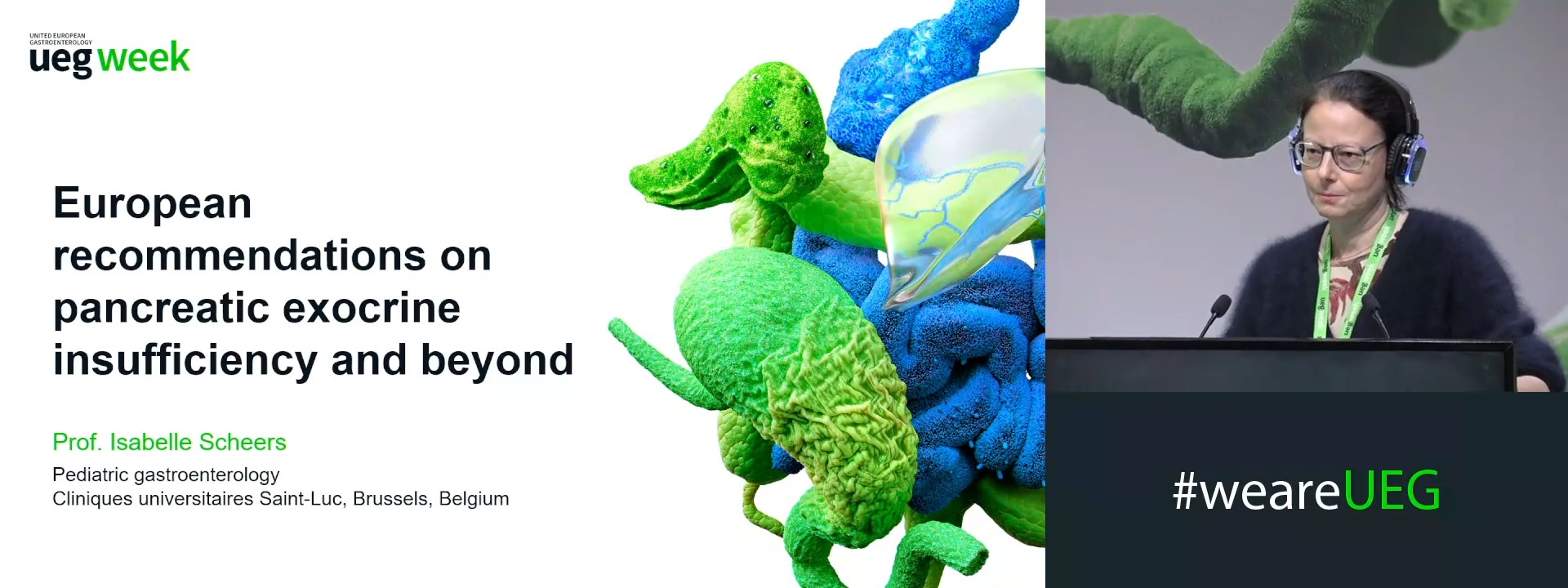
From first flare to lifelong care: European recommendations on pancreatic exocrine insufficiency and beyond
Affiliations
1 Cliniques universitaires Saint-Luc, Brussels, Belgium
Log in to continue.
This content is part of Gutflix. Log in with your myUEG account, or create one free, to watch it.
Not sure what you can access? Learn more about account types.
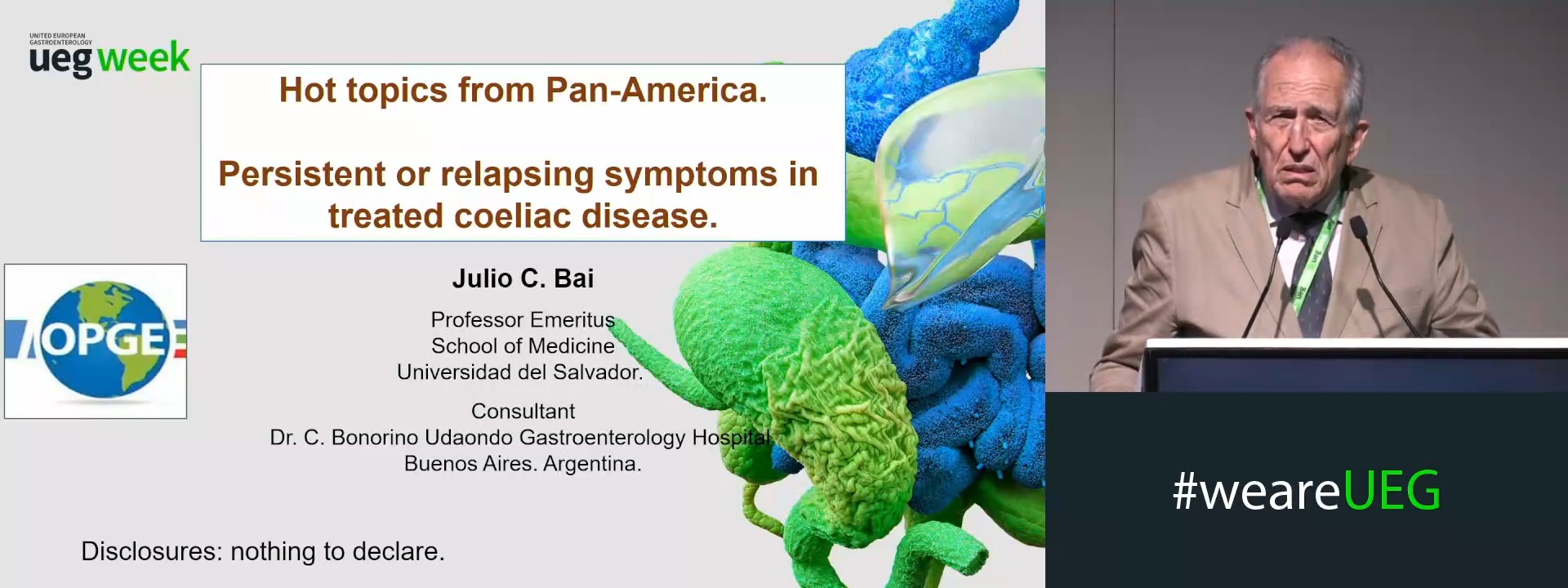
Persistent or relapsing symptoms in treated coeliac disease
Affiliations
1 Hospital de Gastroenterología Dr. C. Bonorino Udaondo, Buenos Aires, Argentina