UEG's content platform for gastroenterology education bringing recordings, courses, guidelines, and more together in one place.
Trending on Gutflix
Rate for better recommendations!
Your feedback helps us show you more of what you like and less of what you dislike!
Log in to continue.
This content is part of Gutflix. Log in with your myUEG account, or create one free, to watch it.
Not sure what you can access? Learn more about account types.
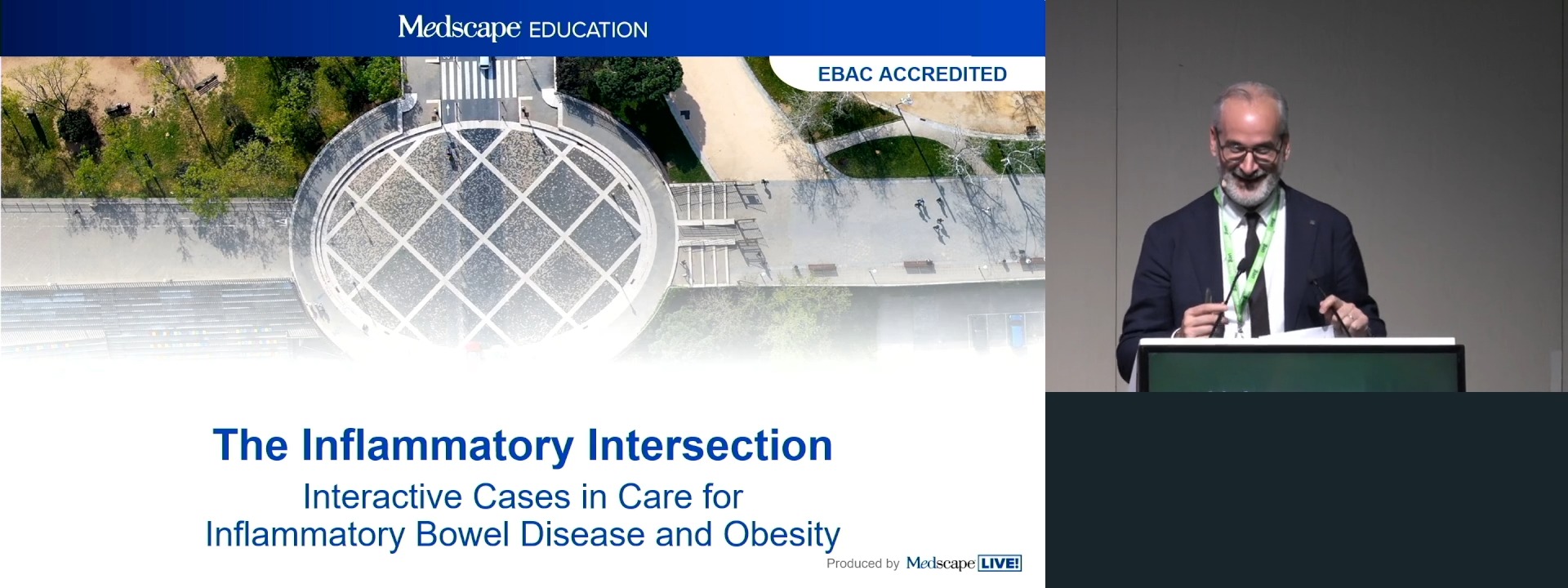
The Inflammatory Intersection: Interactive Cases in Care for IBD and Obesity (Medscape Education Global) (Complete Session)
Affiliations
1 Northwestern Medicine Digestive Health Center, Chicago, United States of America
2 Department of Internal Medicine I, University Hospital Schleswig-Holstein, Kiel University, Kiel, Germany
3 Johns Hopkins University School of Medicine, Baltimore, United States of America
Log in to continue.
This content is part of Gutflix. Log in with your myUEG account, or create one free, to watch it.
Not sure what you can access? Learn more about account types.
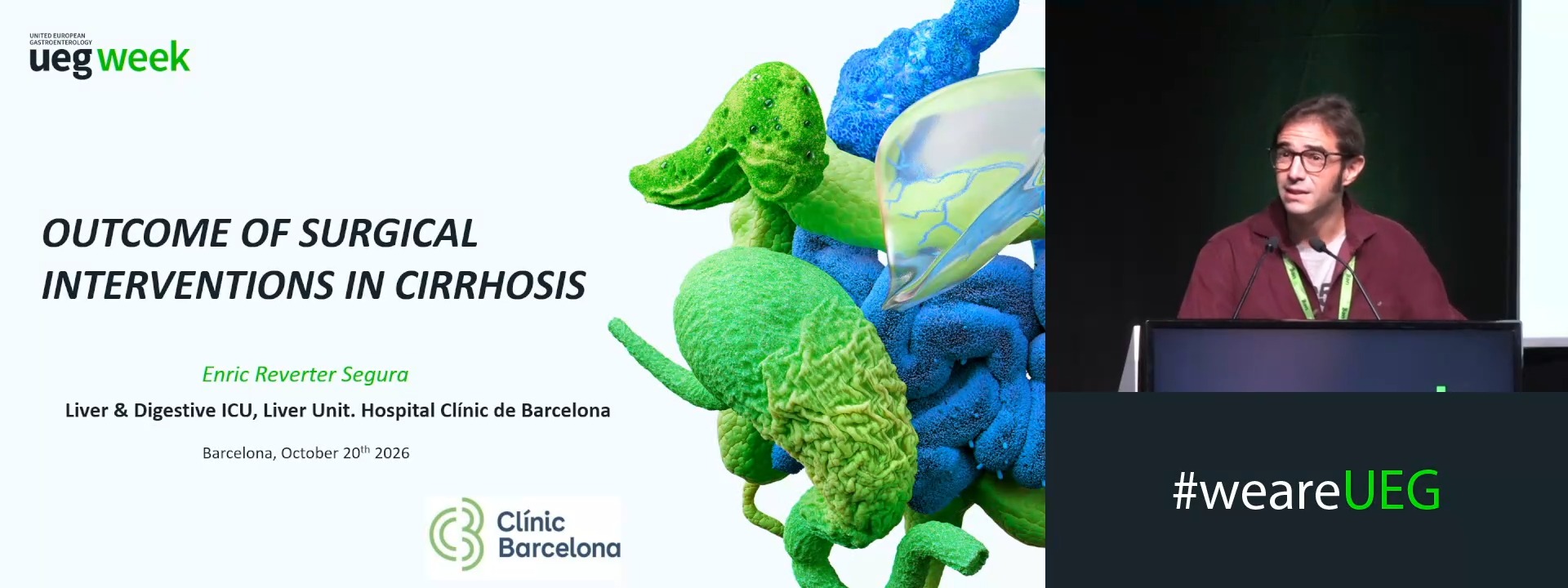
Outcome of surgical interventions in cirrhotic patients
Affiliations
1 Hospital Clínic de Barcelona, Barcelona, Spain
Log in to continue.
This content is part of Gutflix. Log in with your myUEG account, or create one free, to watch it.
Not sure what you can access? Learn more about account types.
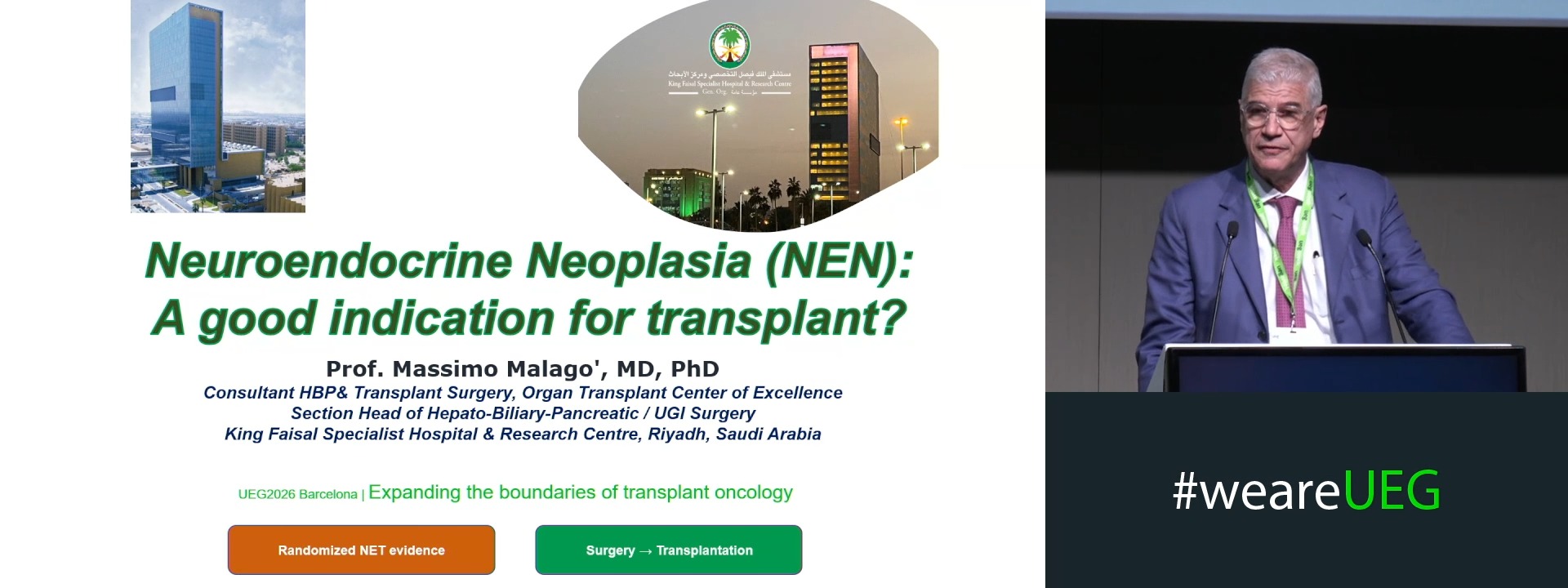
Neuroendocrine cancer: A good indication for transplant?
Affiliations
1 King Faisal Specialist Hospital and Research Center, Riyadh, Saudi Arabia
Log in to continue.
This content is part of Gutflix. Log in with your myUEG account, or create one free, to watch it.
Not sure what you can access? Learn more about account types.
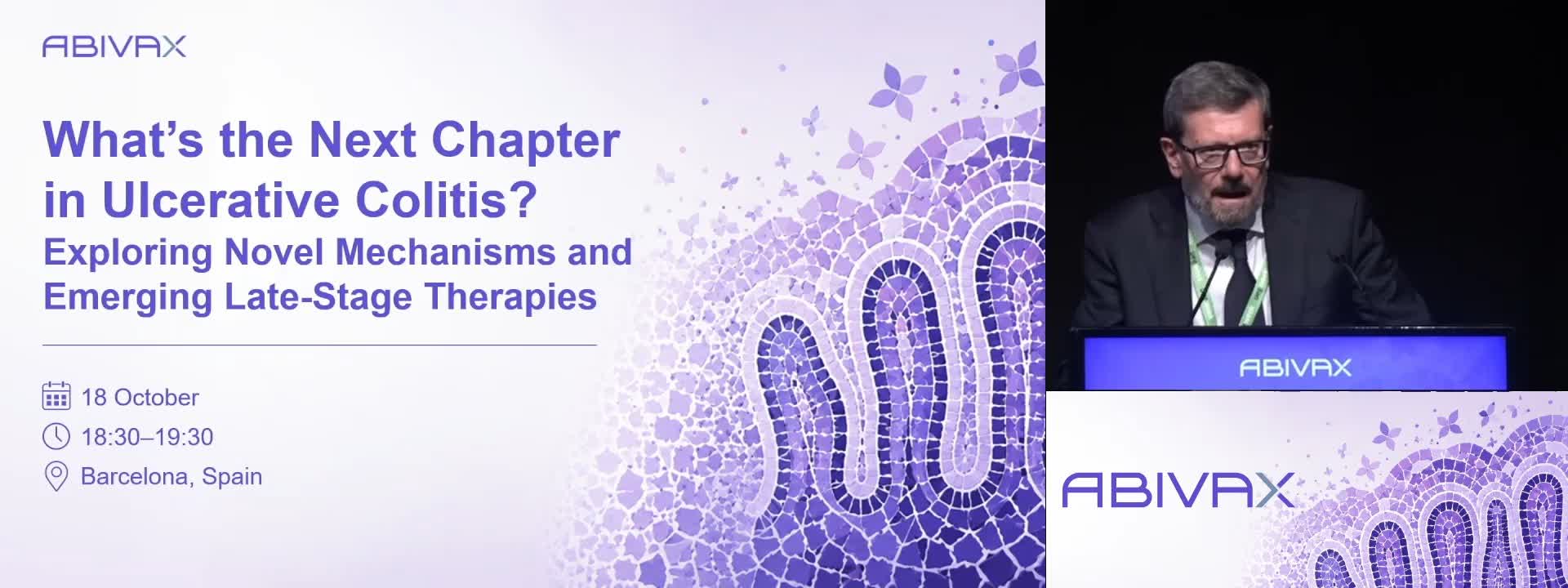
What’s the Next Chapter in Ulcerative Colitis? Exploring Novel Mechanisms and Emerging Late-Stage Therapies (Abivax) (Complete Session)
Affiliations
1 University of Calgary, Calgary, Canada
2 IBD Center, IRCCS Humanitas Research Hospital, Rozzano, Milan, Italy
3 Friedrich-Alexander-Universität Erlangen-Nürnberg, Erlangen, Germany
Log in to continue.
This content is part of Gutflix. Log in with your myUEG account, or create one free, to watch it.
Not sure what you can access? Learn more about account types.
When the acid is gone: Dealing with gastric atrophy
Affiliations
1 Fondazione IRCCS Policlinico San Matteo, University of Pavia, Pavia, Italy
Log in to continue.
This content is part of Gutflix. Log in with your myUEG account, or create one free, to watch it.
Not sure what you can access? Learn more about account types.
CLINICAL CORRELATES OF FATIGUE SEVERITY AND FUNCTIONAL IMPACT IN INFLAMMATORY BOWEL DISEASE: IMPLICATIONS FOR NURSE-LED ASSESSMENT AND CARE
Daniele Napolitano 1, Maria Vittoria De Girolamo 1, Carlotta Marinucci 2, Nicoletta Orgiana 2, Piergiorgio Martella 2, Alessio Lo Cascio 3, Mattia Bozzetti 4, Franco Scaldaferri 5
Affiliations
1 Fondazione Policlinico Gemelli IRCCS, Rome, Italy
2 Fondazione Policlinico Gemelli, Rome, Italy
3 La Maddalena Cancer Center, Palermo, Italy
4 ASST Cremona, Cremona, Italy
5 Catholic University of Rome Dept. of Internal Medicine Dept. of Gastroenterology, Roma, Italy