UEG's content platform for gastroenterology education bringing recordings, courses, guidelines, and more together in one place.
Trending on Gutflix
Rate for better recommendations!
Your feedback helps us show you more of what you like and less of what you dislike!
Log in to continue.
This content is part of Gutflix. Log in with your myUEG account, or create one free, to watch it.
Not sure what you can access? Learn more about account types.
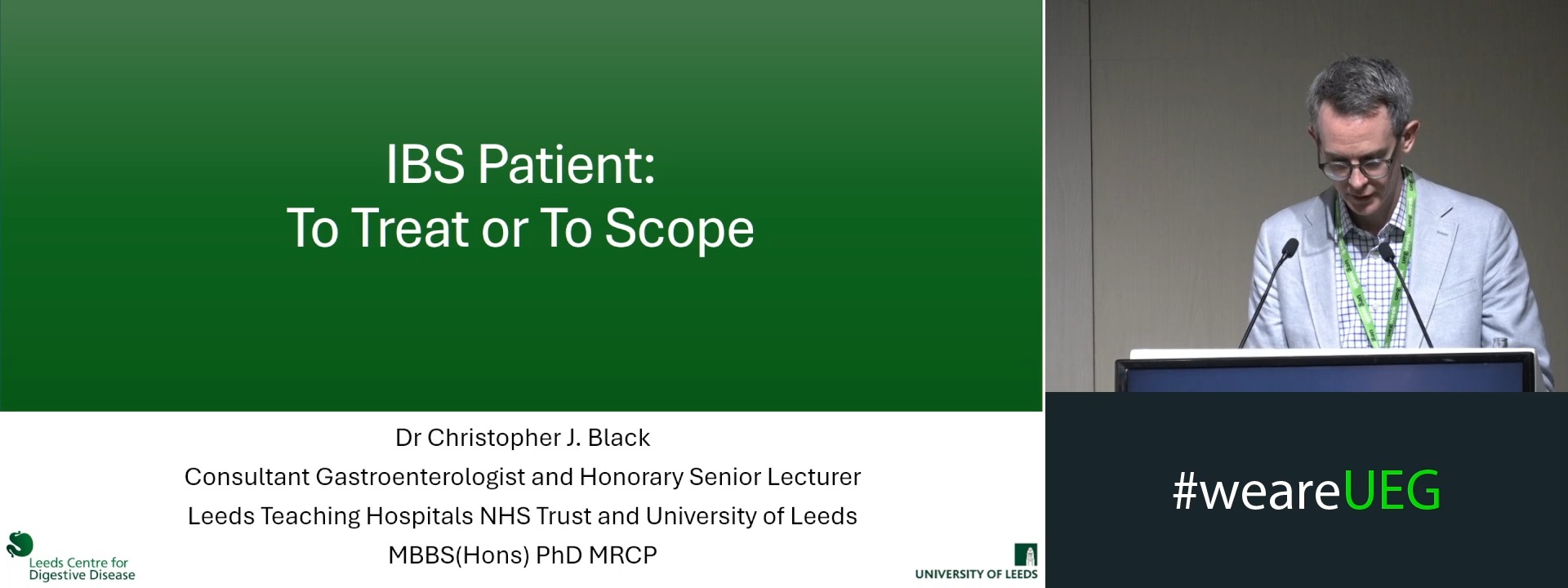
IBS patient: To treat or to scope
Affiliations
1 Leeds Teaching Hospitals NHS Trust, Leeds, United Kingdom
Log in to continue.
This content is part of Gutflix. Log in with your myUEG account, or create one free, to watch it.
Not sure what you can access? Learn more about account types.
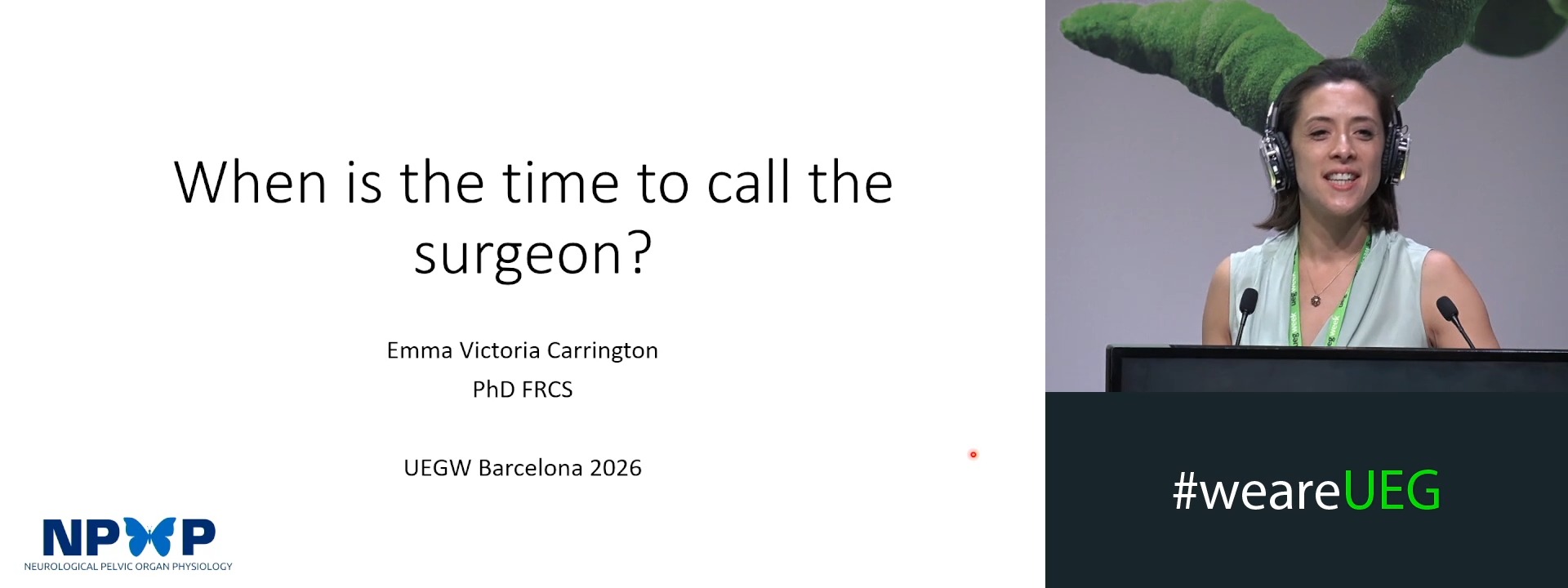
When is the time to call the surgeon?
Affiliations
1 University of North Carolina / NCRBSI, London, United Kingdom
Log in to continue.
This content is part of Gutflix. Log in with your myUEG account, or create one free, to watch it.
Not sure what you can access? Learn more about account types.
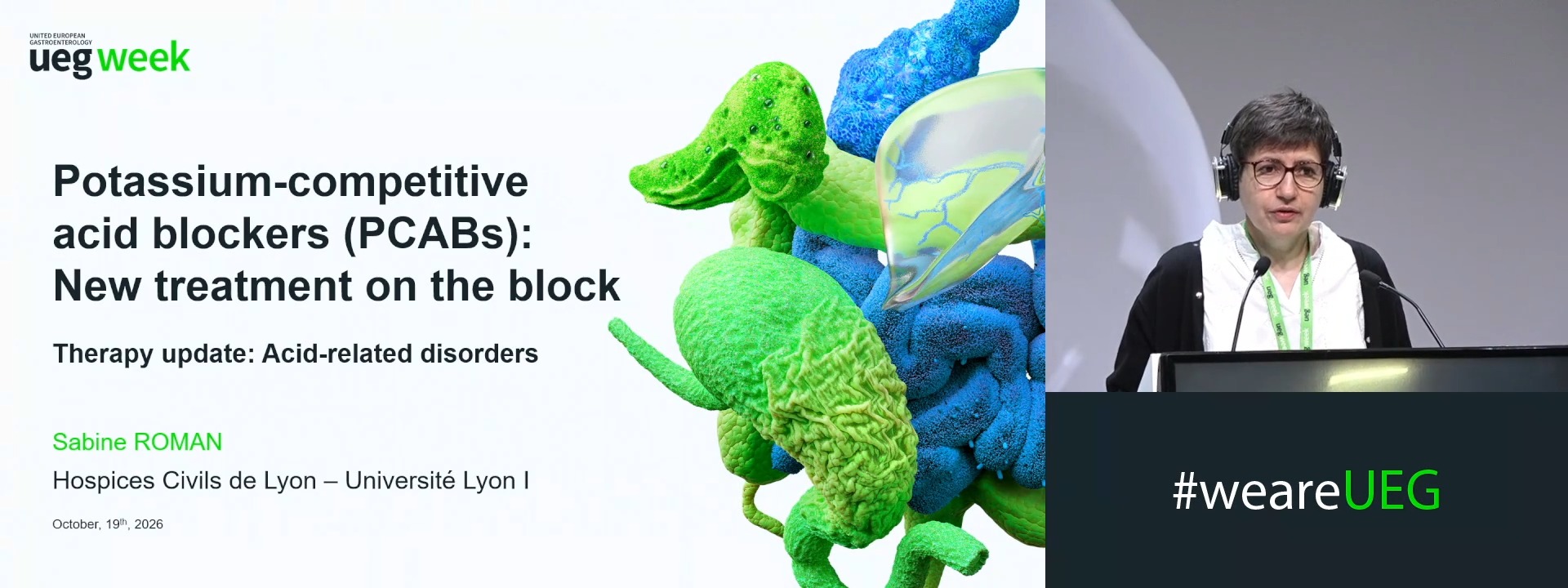
Potassium-competitive acid blocker (PCABs): New treatment on the block
Affiliations
1 Hôpital Edouard Herriot, Lyon, France
Log in to continue.
This content is part of Gutflix. Log in with your myUEG account, or create one free, to watch it.
Not sure what you can access? Learn more about account types.
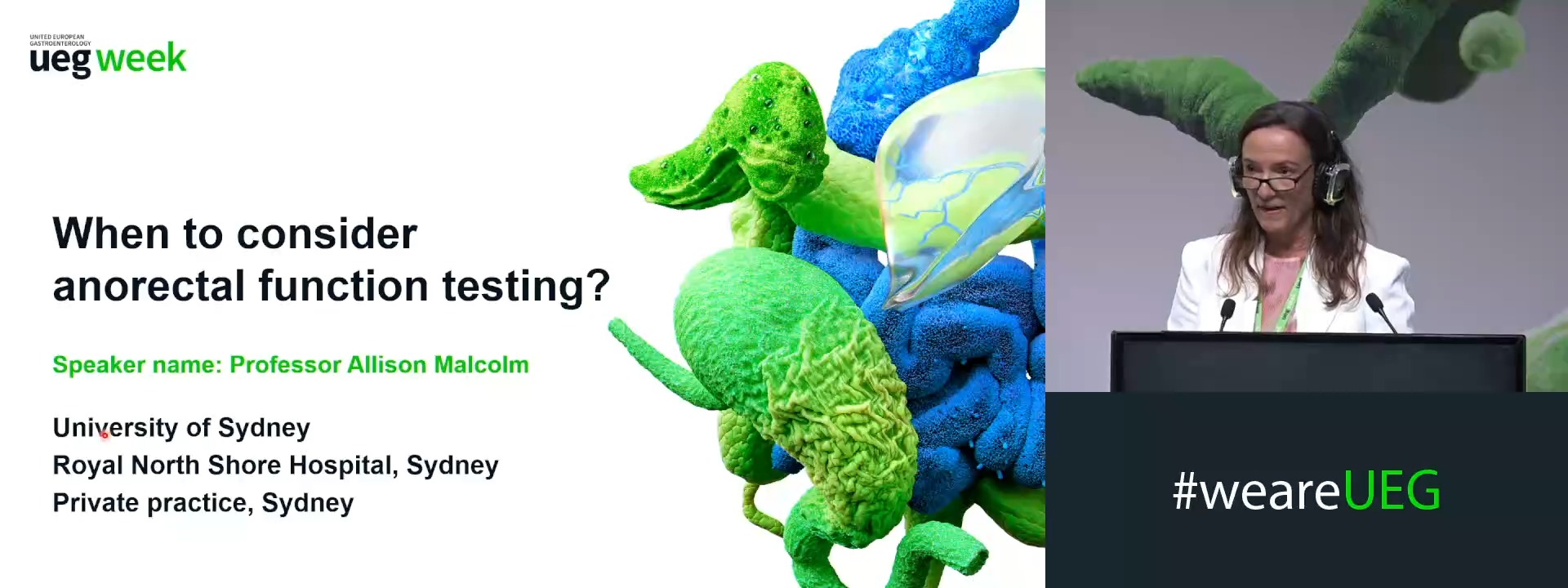
When to consider anorectal function tests?
Affiliations
1 University Of Sydney, Sydney, Australia

Log in to continue.
This content is part of Gutflix. Log in with your myUEG account, or create one free, to watch it.
Not sure what you can access? Learn more about account types.
Panel discussion: How to make and not miss the diagnosis: Coeliac disease across the spectrum
Log in to continue.
This content is part of Gutflix. Log in with your myUEG account, or create one free, to watch it.
Not sure what you can access? Learn more about account types.
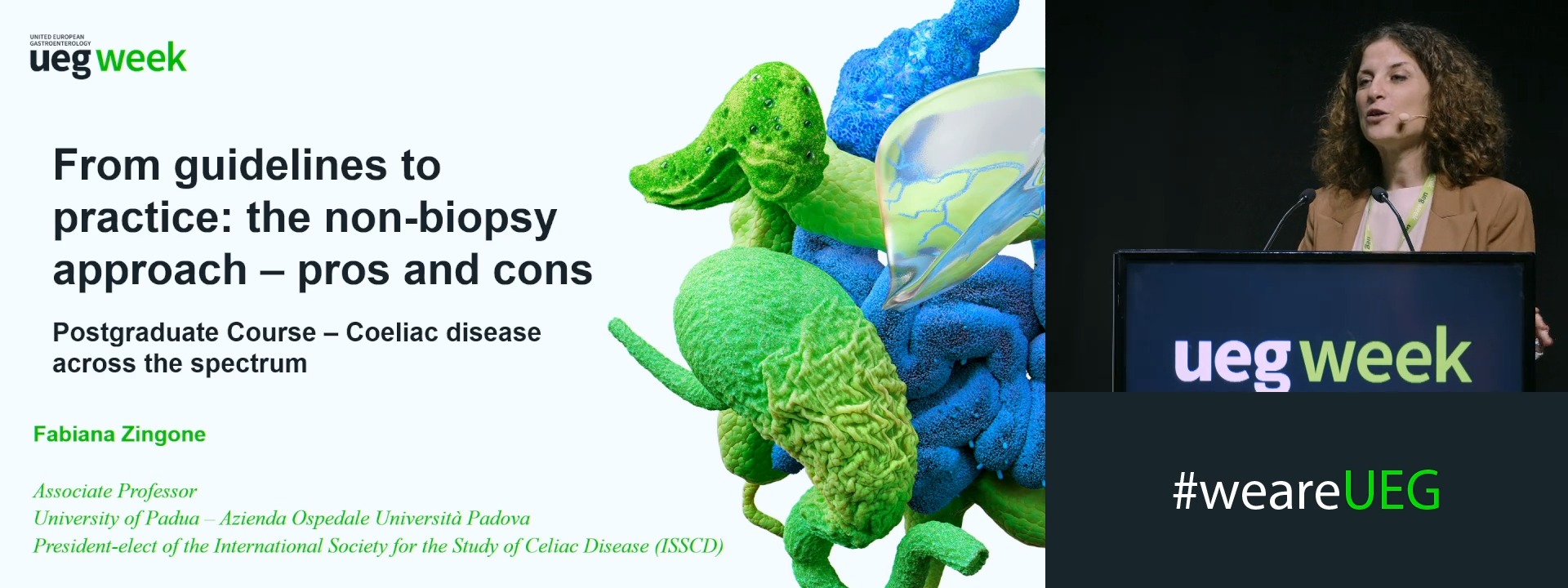
From guidelines to practice: The non-biopsy approach - pros and cons
Affiliations
1 University of Padua, Padua, Italy
Log in to continue.
This content is part of Gutflix. Log in with your myUEG account, or create one free, to watch it.
Not sure what you can access? Learn more about account types.
Summary: Chronic constipation: How to diagnose and treat this frequent condition in clinical practice
Affiliations
1 University Of Sydney, Sydney, Australia