UEG's content platform for gastroenterology education bringing recordings, courses, guidelines, and more together in one place.
Trending on Gutflix
Rate for better recommendations!
Your feedback helps us show you more of what you like and less of what you dislike!
Log in to continue.
This content is part of Gutflix. Log in with your myUEG account, or create one free, to watch it.
Not sure what you can access? Learn more about account types.
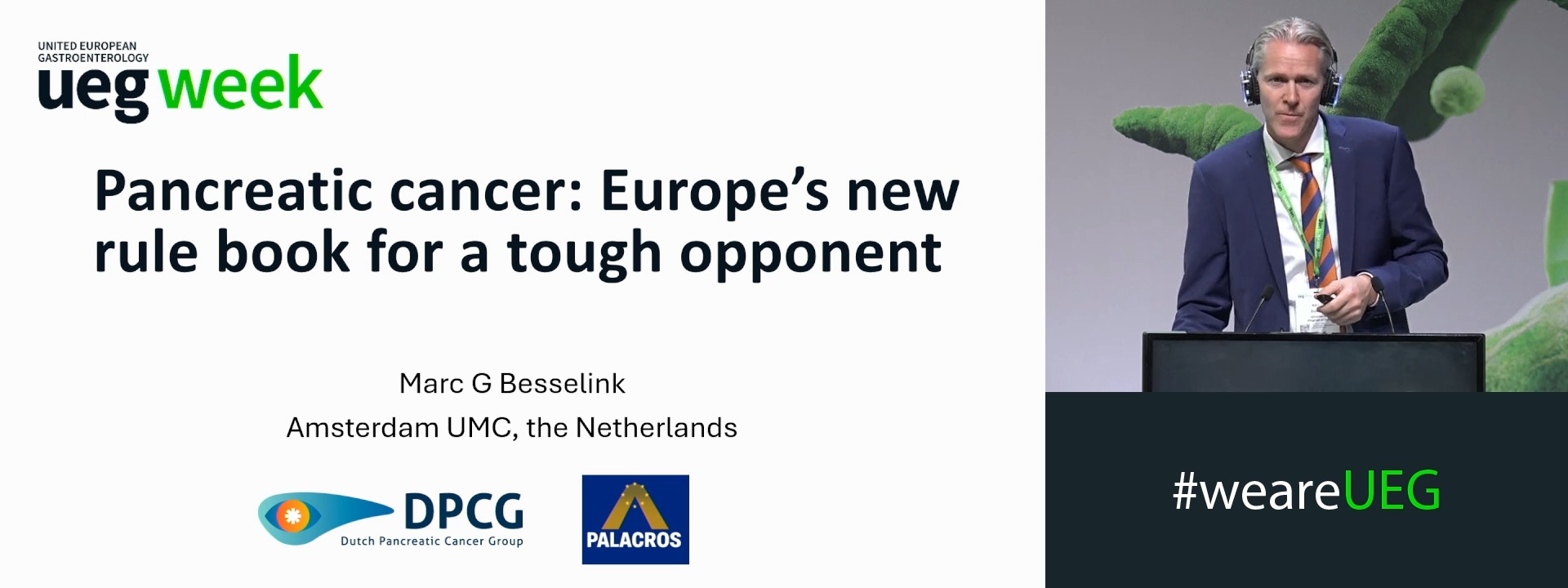
Pancreatic cancer: Europe’s new rule book for a tough opponent
Affiliations
1 Amsterdam UMC, Amsterdam, Netherlands
Log in to continue.
This content is part of Gutflix. Log in with your myUEG account, or create one free, to watch it.
Not sure what you can access? Learn more about account types.
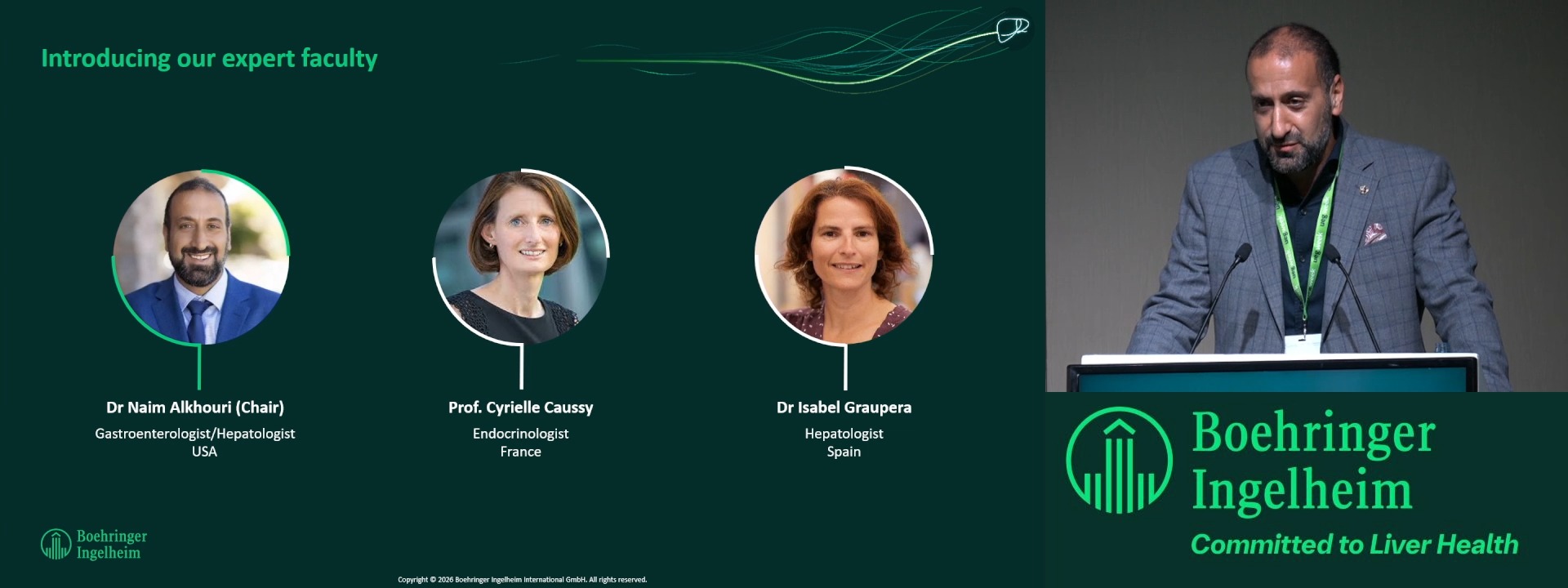
The Liver as the Metabolic Hub: Connecting Obesity, MASLD/MASH, and GI Practice (Boehringer Ingelheim) (Complete Session)
Affiliations
1 Transplant Hepatology Arizona Liver Health Phoenix, AZ, Phoenix, United States of America
2 Hospices civils de Lyon, Lyon, France
3 Hospital Clínic Barcelona, None, Spain
Log in to continue.
This content is part of Gutflix. Log in with your myUEG account, or create one free, to watch it.
Not sure what you can access? Learn more about account types.
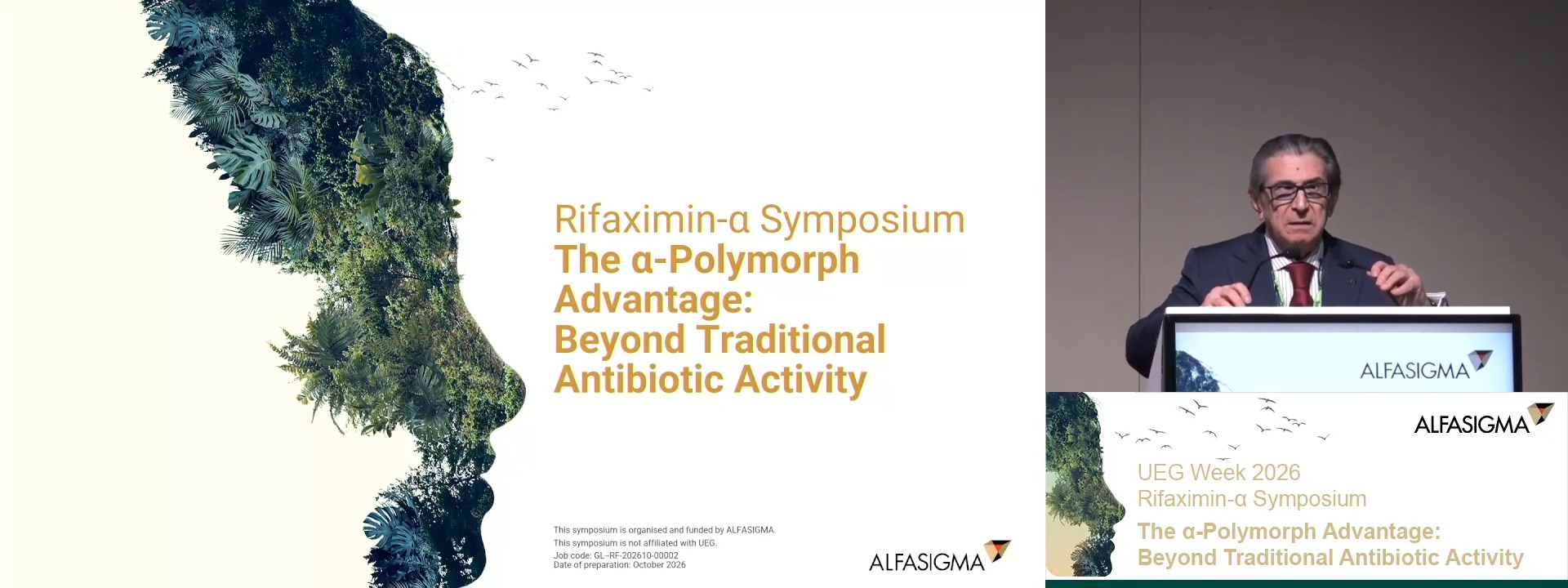
The α‑Polymorph Advantage: Beyond Traditional Antibiotic Activity (ALFASIGMA) (Complete Session)
Affiliations
1 Clinical Pharmacologist & Gastroenterologist, University of Parma, Parma, Italy
2 Hospital da Luz Lisboa, Lisbon, Portugal
3 GI Department, National Medical Institute of the Ministry of the Interior and Administration, Warsaw, Poland
Log in to continue.
This content is part of Gutflix. Log in with your myUEG account, or create one free, to watch it.
Not sure what you can access? Learn more about account types.
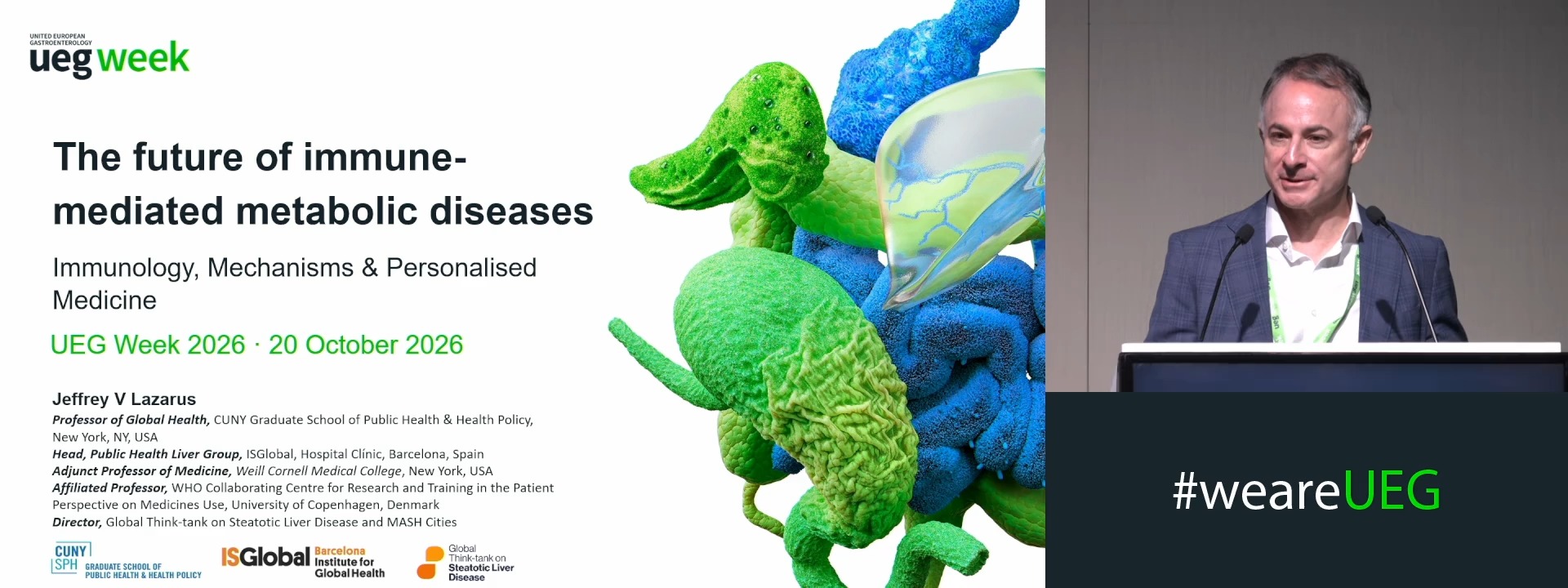
Metabolic liver diseases: Today and tomorrow
Affiliations
1 Barcelona Institute for Global Health (ISGlobal), Barcelona, Spain
Log in to continue.
This content is part of Gutflix. Log in with your myUEG account, or create one free, to watch it.
Not sure what you can access? Learn more about account types.
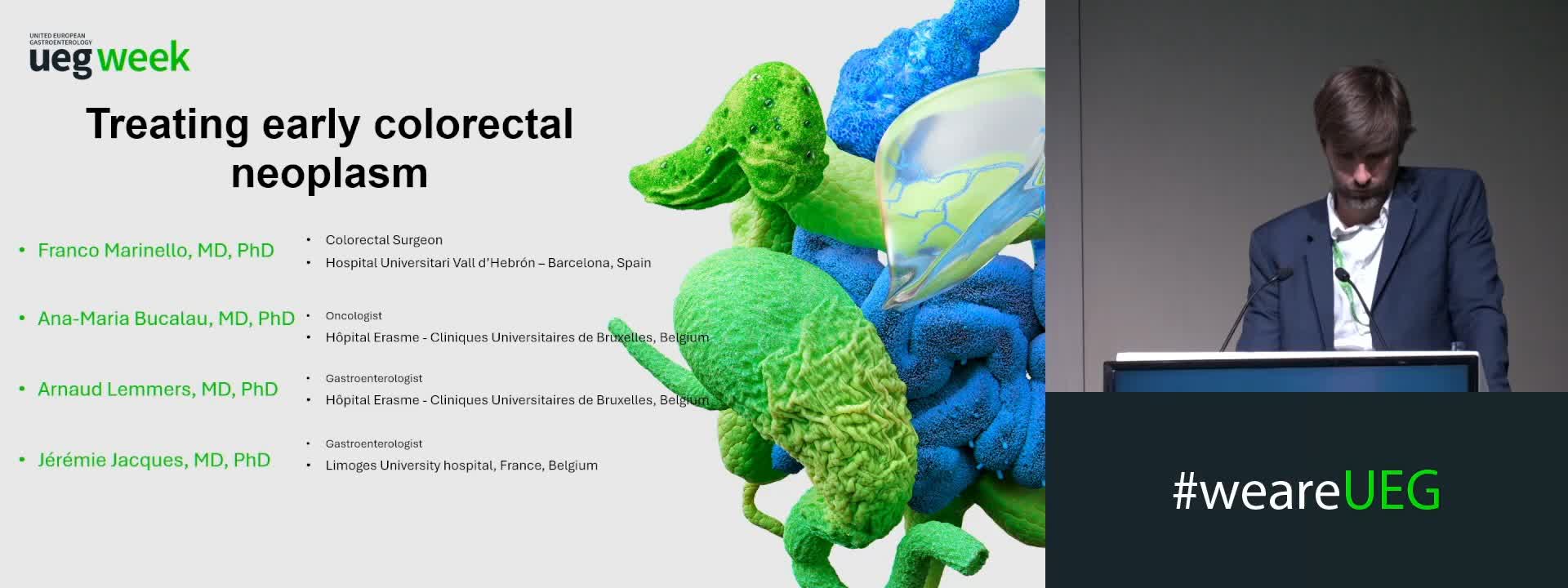
Treating early colonic neoplasm (Complete Session)
Log in to continue.
This content is part of Gutflix. Log in with your myUEG account, or create one free, to watch it.
Not sure what you can access? Learn more about account types.
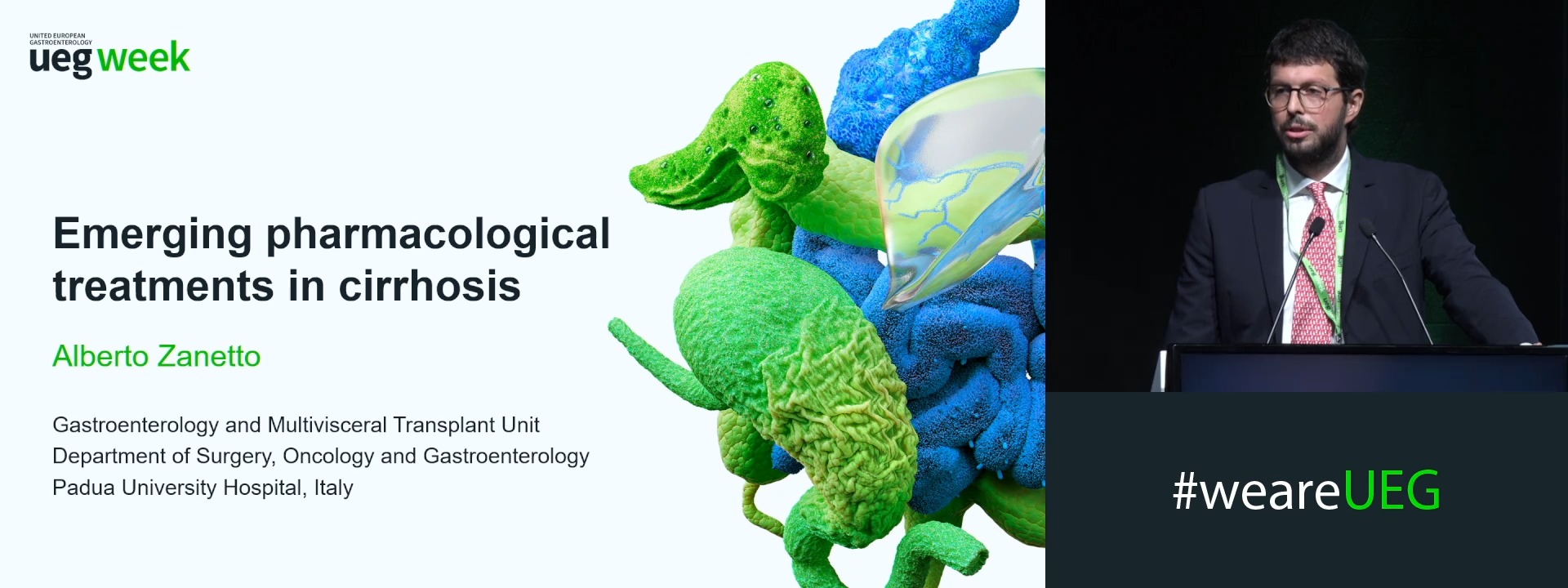
Emerging pharmacological treatments in cirrhosis
Affiliations
1 Department of Surgery, Oncology and Gastroenterology, University of Padua, Padua, Italy