UEG's content platform for gastroenterology education bringing recordings, courses, guidelines, and more together in one place.
Trending on Gutflix
Rate for better recommendations!
Your feedback helps us show you more of what you like and less of what you dislike!
Log in to continue.
This content is part of Gutflix. Log in with your myUEG account, or create one free, to watch it.
Not sure what you can access? Learn more about account types.
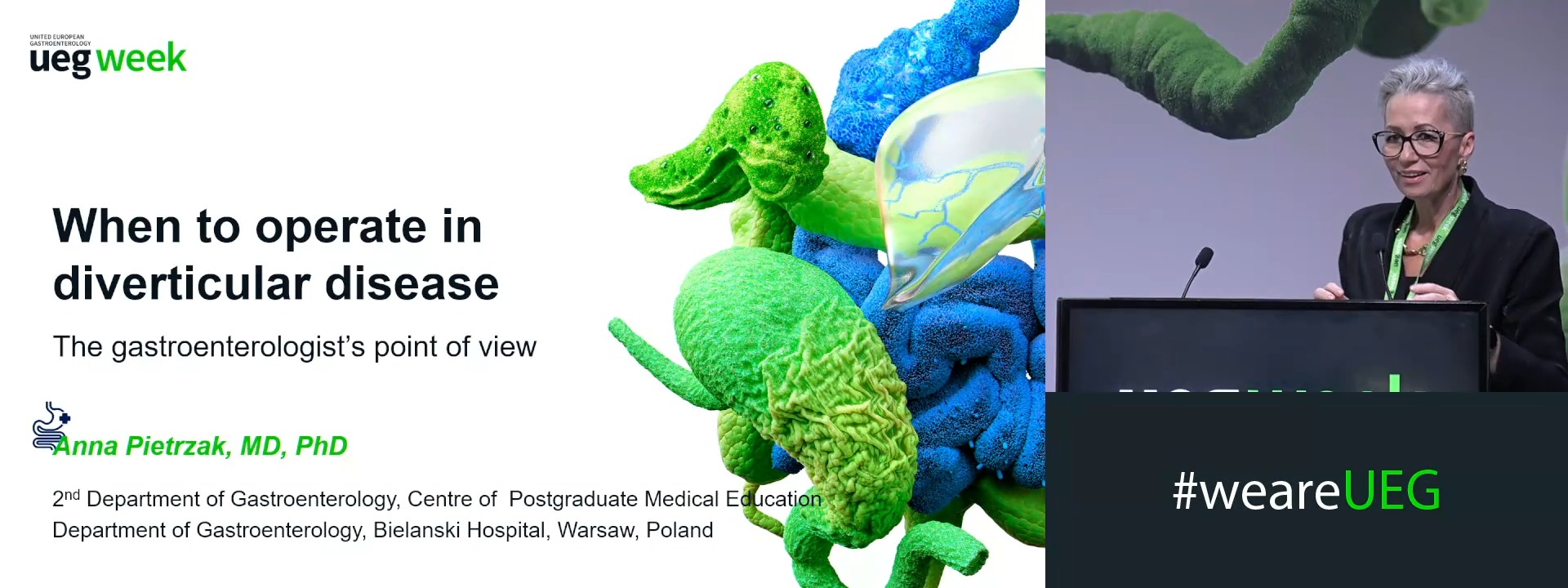
When to operate in diverticular disease: The gastroenterologist's and the surgeon's point of view
Affiliations
1 Medical Centre for Postgraduate Education Gastroenterology and Hepatology, Warsaw, Poland
2 King's College Hospital NHS Foundation Trust, London, United Kingdom
Log in to continue.
This content is part of Gutflix. Log in with your myUEG account, or create one free, to watch it.
Not sure what you can access? Learn more about account types.
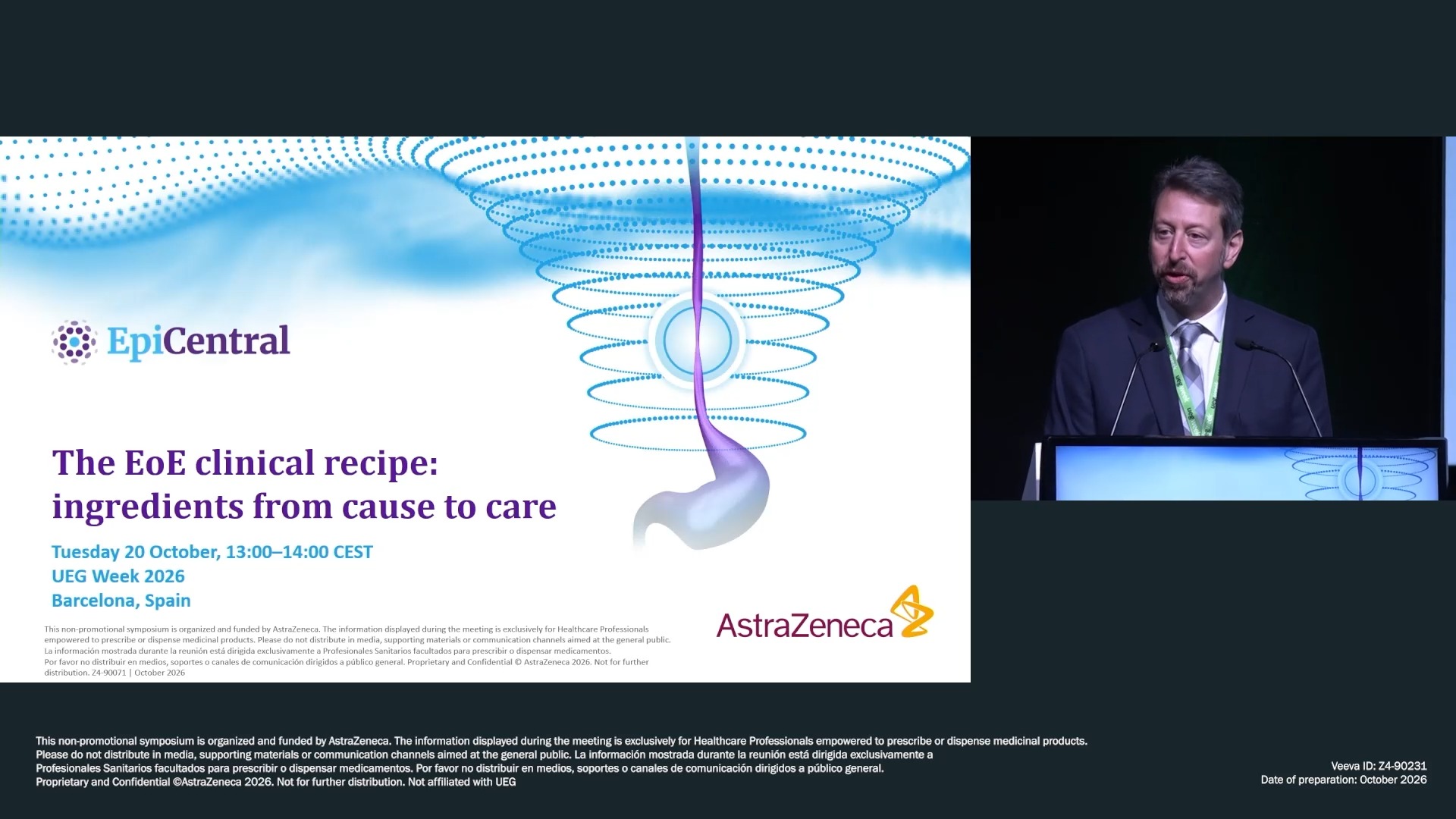
The EoE clinical recipe: ingredients from cause to care (AstraZeneca) (Complete Session)
Affiliations
1 University of North Carolina School of Medicine, Chapel Hill, NC, United States of America
2 USZ Zürich, Zurich, Switzerland
3 Otto-Von Guericke University, Madgeburg, Germany
4 Humanitas Gavazzeni e Castelli, None, Italy
5 Hospital General de Tomelloso, Madrid, Spain
Log in to continue.
This content is part of Gutflix. Log in with your myUEG account, or create one free, to watch it.
Not sure what you can access? Learn more about account types.
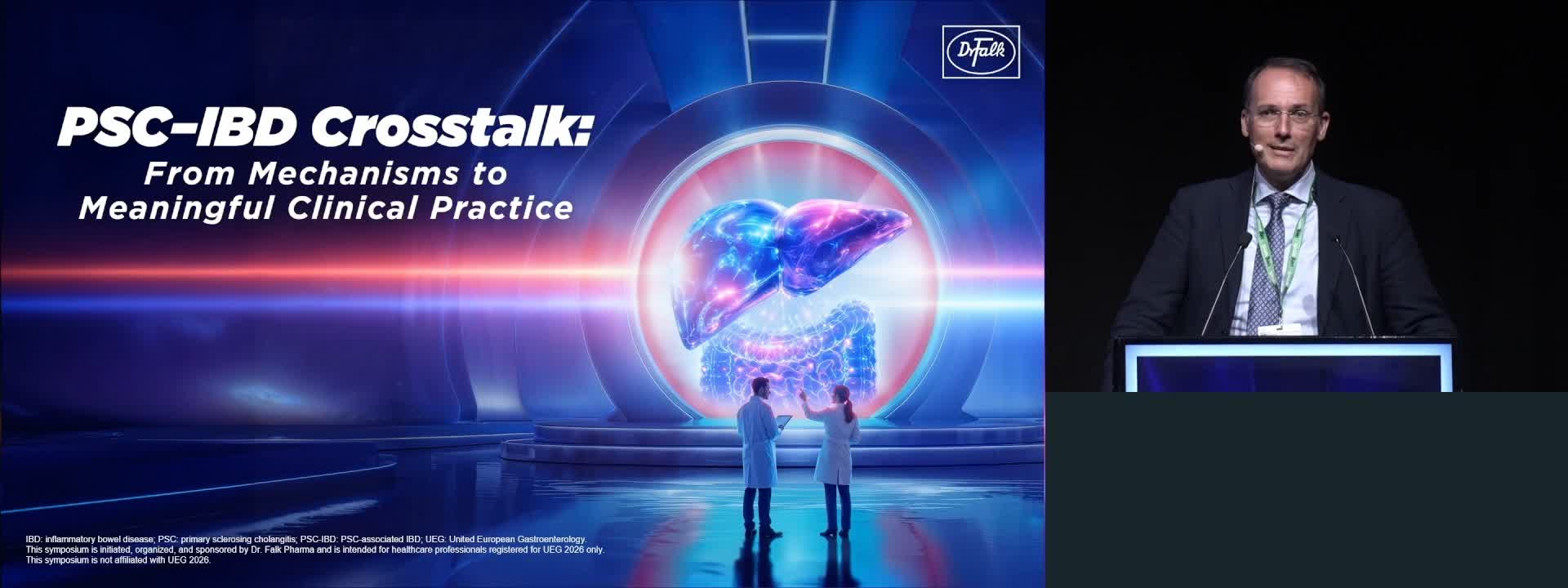
PSC-IBD crosstalk: From mechanisms to meaningful clinical practice (Dr. Falk Pharma) (Complete Session)
Affiliations
1 Charité - Universitätsmedizin, Berlin, Germany
2 Medical University of Vienna, Vienna, Austria
3 John Radcliffe Hospital, Oxford, Oxford, United Kingdom
4 University of Birmingham, Birmingham, United Kingdom
Log in to continue.
This content is part of Gutflix. Log in with your myUEG account, or create one free, to watch it.
Not sure what you can access? Learn more about account types.
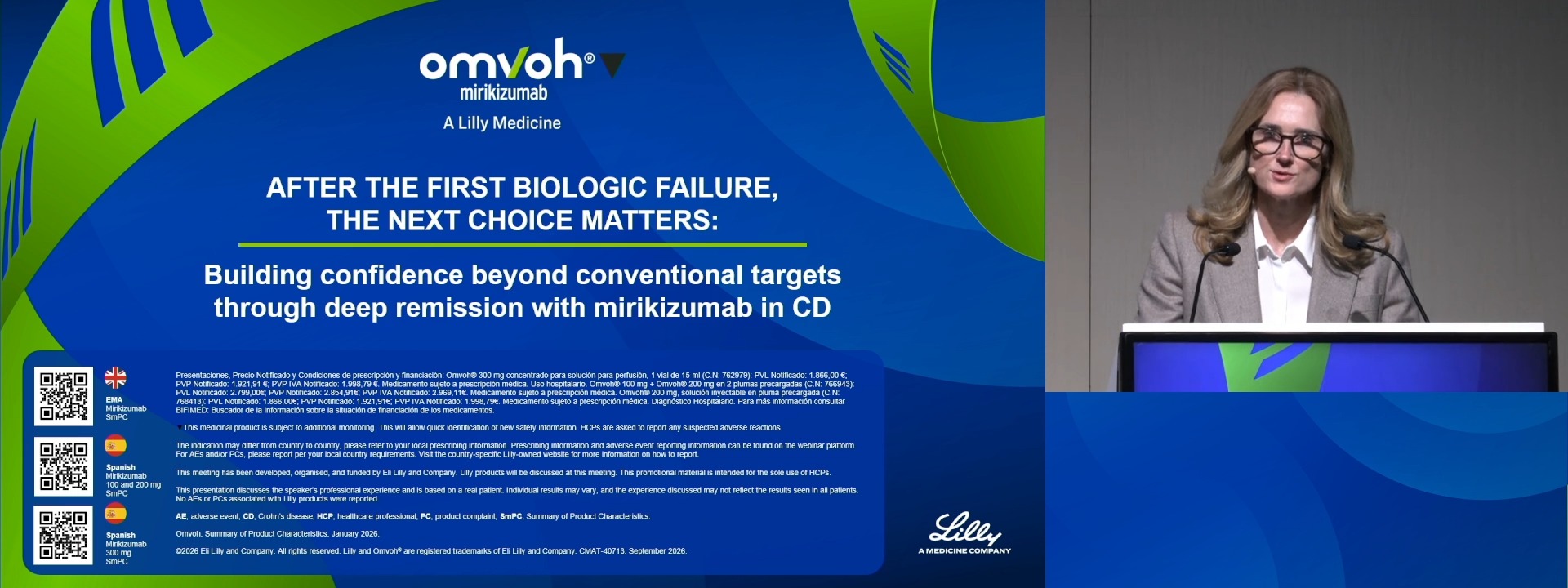
After the first biologic failure, the next choice matters: Building confidence beyond conventional targets through deep remission with mirikizumab in CD (Eli Lilly and Company) (Complete Session)
Affiliations
1 Translational Gastroenterology Unit, Oxford University Hospital, Oxford, United Kingdom
2 University Hospitals Leuven, Leuven, Belgium
3 Department of Internal Medicine I, University Hospital Schleswig-Holstein, Kiel University, Kiel, Germany
Log in to continue.
This content is part of Gutflix. Log in with your myUEG account, or create one free, to watch it.
Not sure what you can access? Learn more about account types.
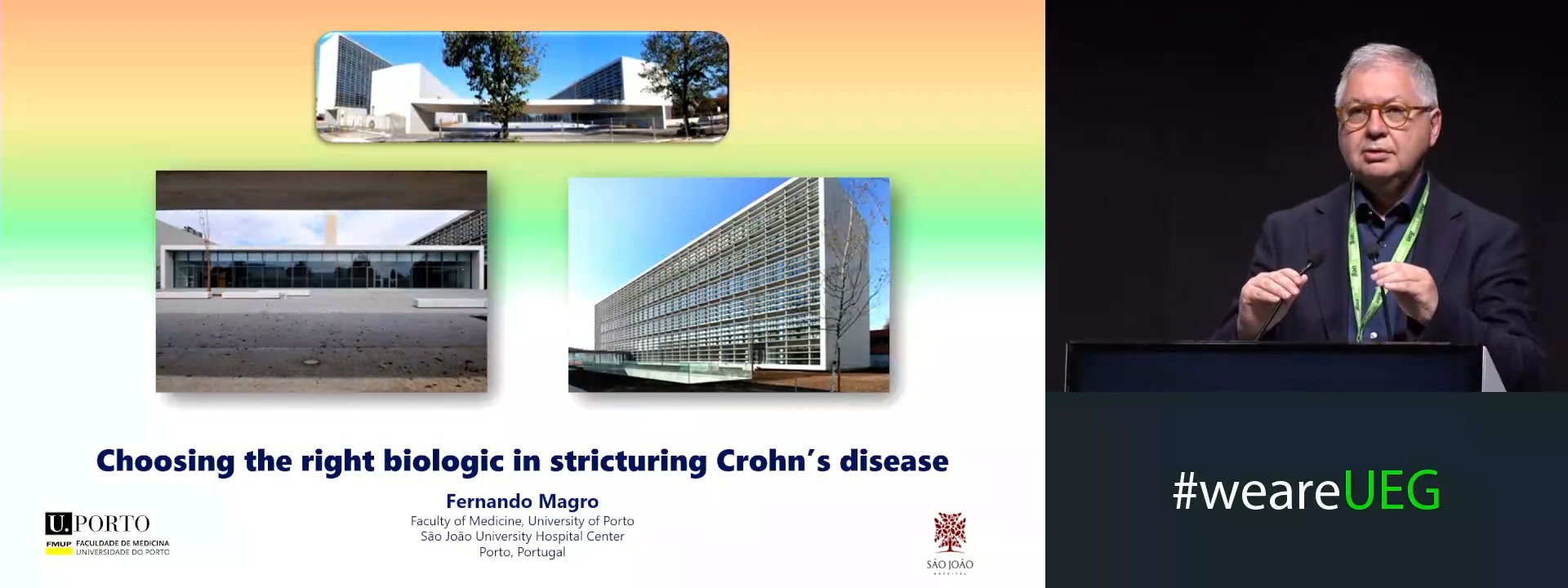
Choosing the right biologic in stricturing Crohn’s disease
Affiliations
1 CINTESIS@RISE, University of Porto, Porto, Portugal
Log in to continue.
This content is part of Gutflix. Log in with your myUEG account, or create one free, to watch it.
Not sure what you can access? Learn more about account types.
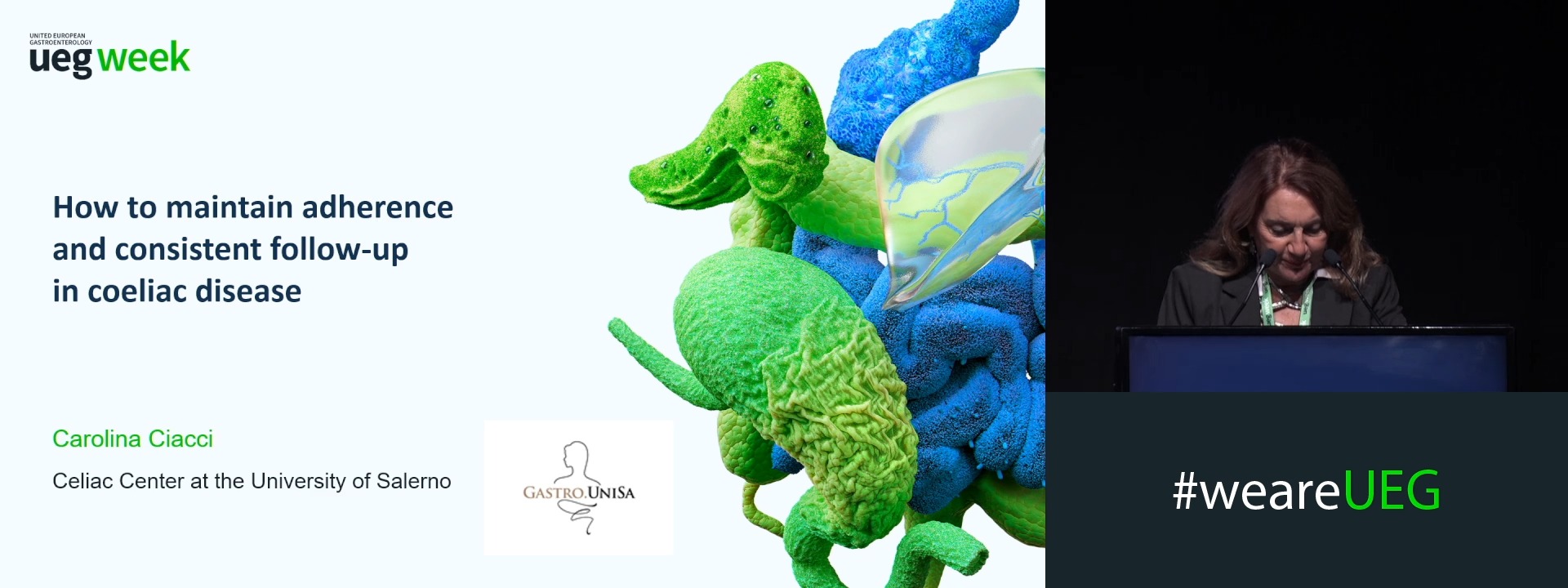
How to maintain adherence and consistent follow-up in coeliac disease
Affiliations
1 University of Salerno, Salerno, Italy