UEG's content platform for gastroenterology education bringing recordings, courses, guidelines, and more together in one place.
Trending on Gutflix
Rate for better recommendations!
Your feedback helps us show you more of what you like and less of what you dislike!
Log in to continue.
This content is part of Gutflix. Log in with your myUEG account, or create one free, to watch it.
Not sure what you can access? Learn more about account types.
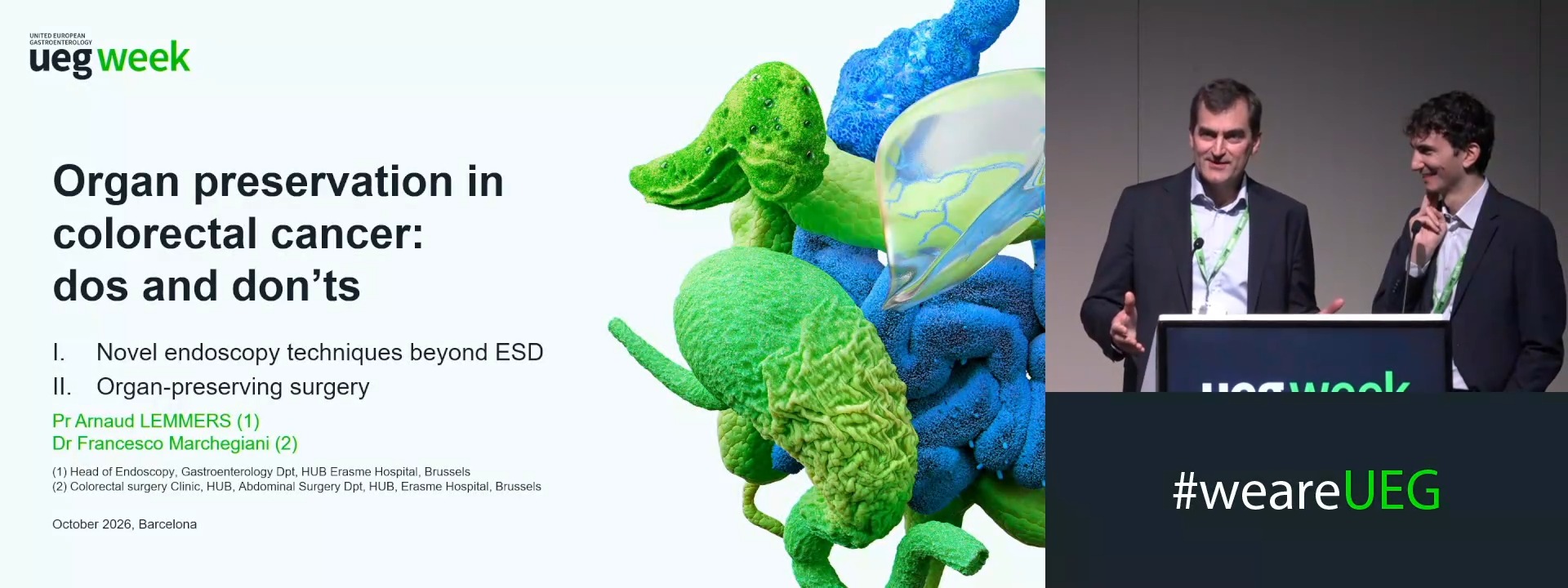
Novel endoscopy techniques beyond ESD vs. organ-preserving surgery
Affiliations
1 Hôpital Univ. Erasme (Gastro), Bruxelles, Belgium
2 Hôpital Universitaire de Bruxelles, Brussels, Belgium
Log in to continue.
This content is part of Gutflix. Log in with your myUEG account, or create one free, to watch it.
Not sure what you can access? Learn more about account types.
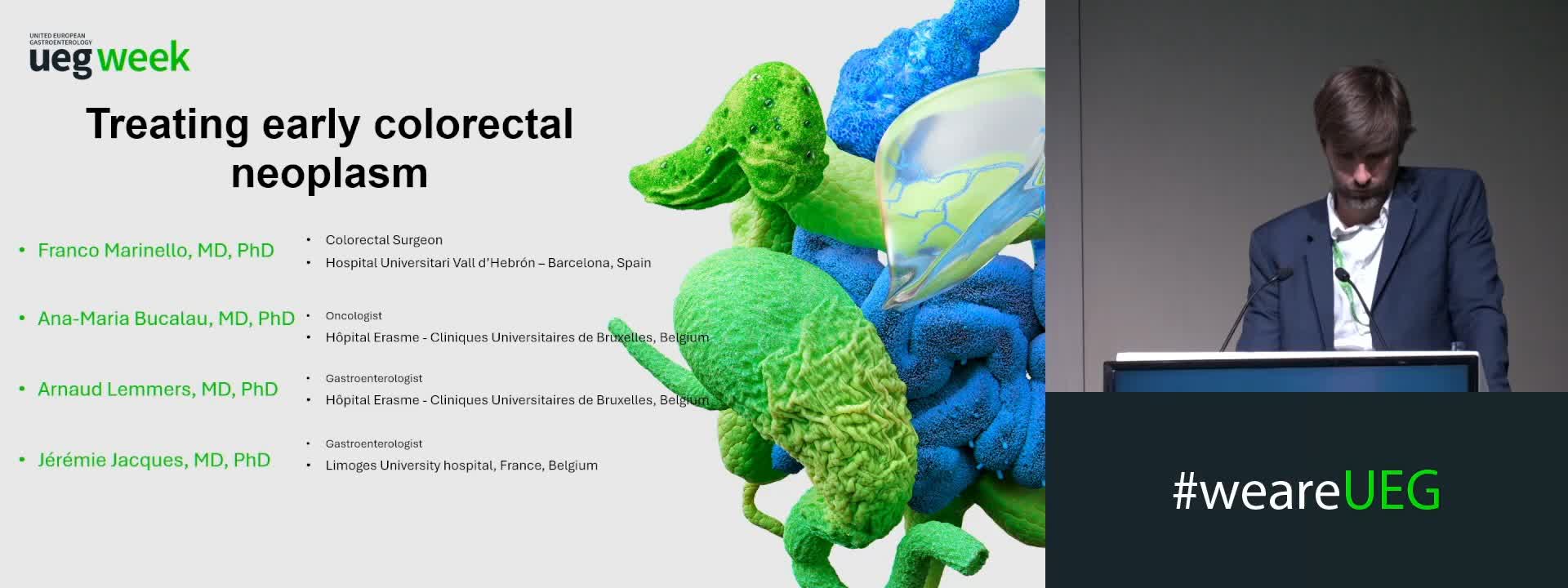
Treating early colonic neoplasm (Complete Session)
Log in to continue.
This content is part of Gutflix. Log in with your myUEG account, or create one free, to watch it.
Not sure what you can access? Learn more about account types.
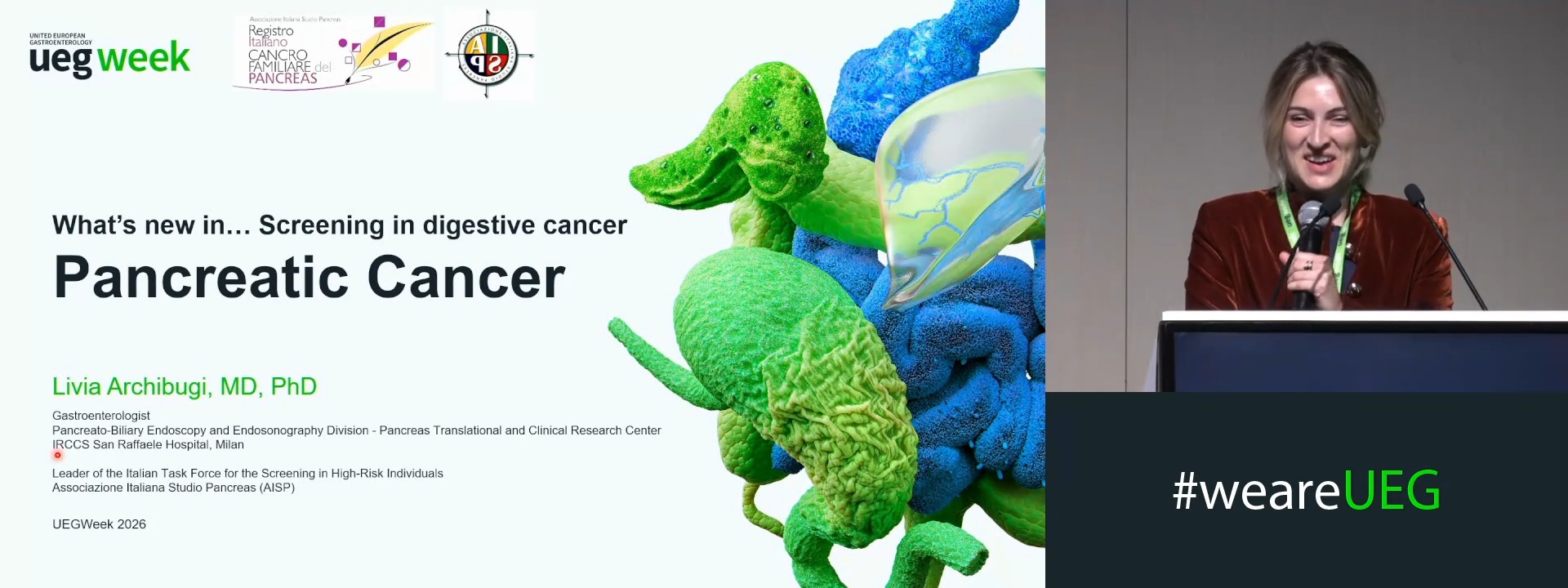
Pancreatic cancer
Affiliations
1 Hospital San Raffaele, Milan, Italy
Log in to continue.
This content is part of Gutflix. Log in with your myUEG account, or create one free, to watch it.
Not sure what you can access? Learn more about account types.
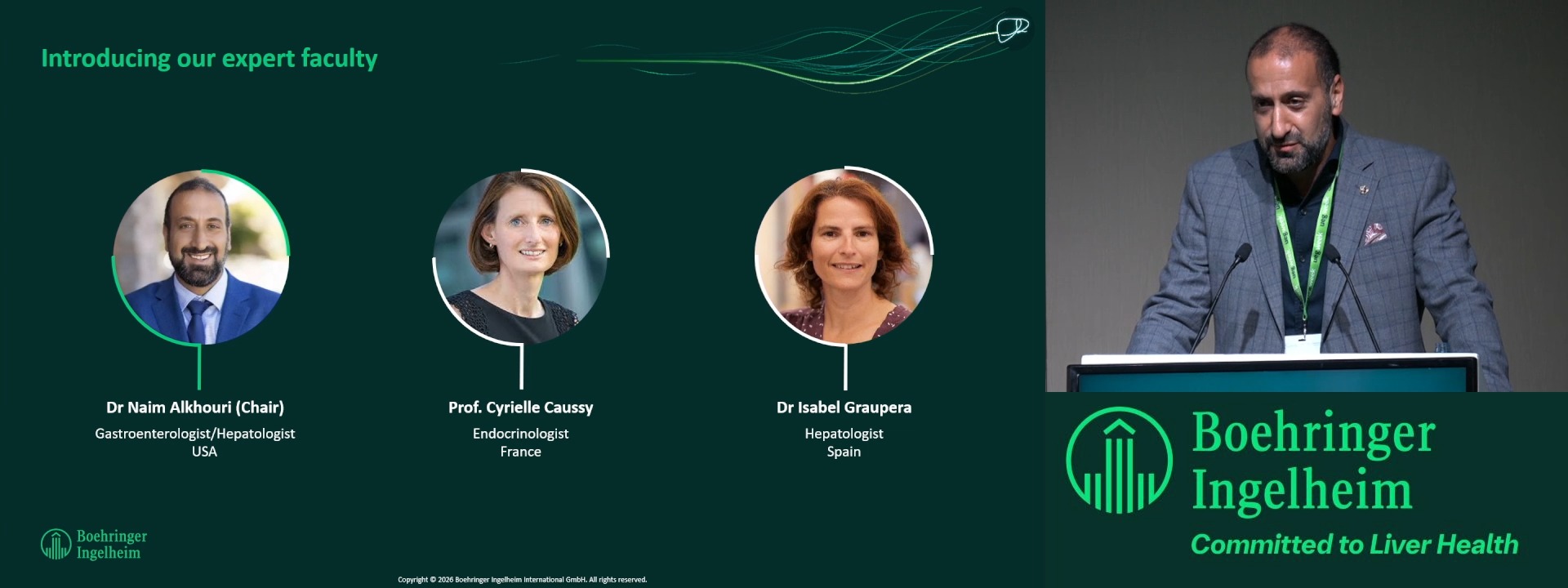
The Liver as the Metabolic Hub: Connecting Obesity, MASLD/MASH, and GI Practice (Boehringer Ingelheim) (Complete Session)
Affiliations
1 Transplant Hepatology Arizona Liver Health Phoenix, AZ, Phoenix, United States of America
2 Hospices civils de Lyon, Lyon, France
3 Hospital Clínic Barcelona, None, Spain
Log in to continue.
This content is part of Gutflix. Log in with your myUEG account, or create one free, to watch it.
Not sure what you can access? Learn more about account types.
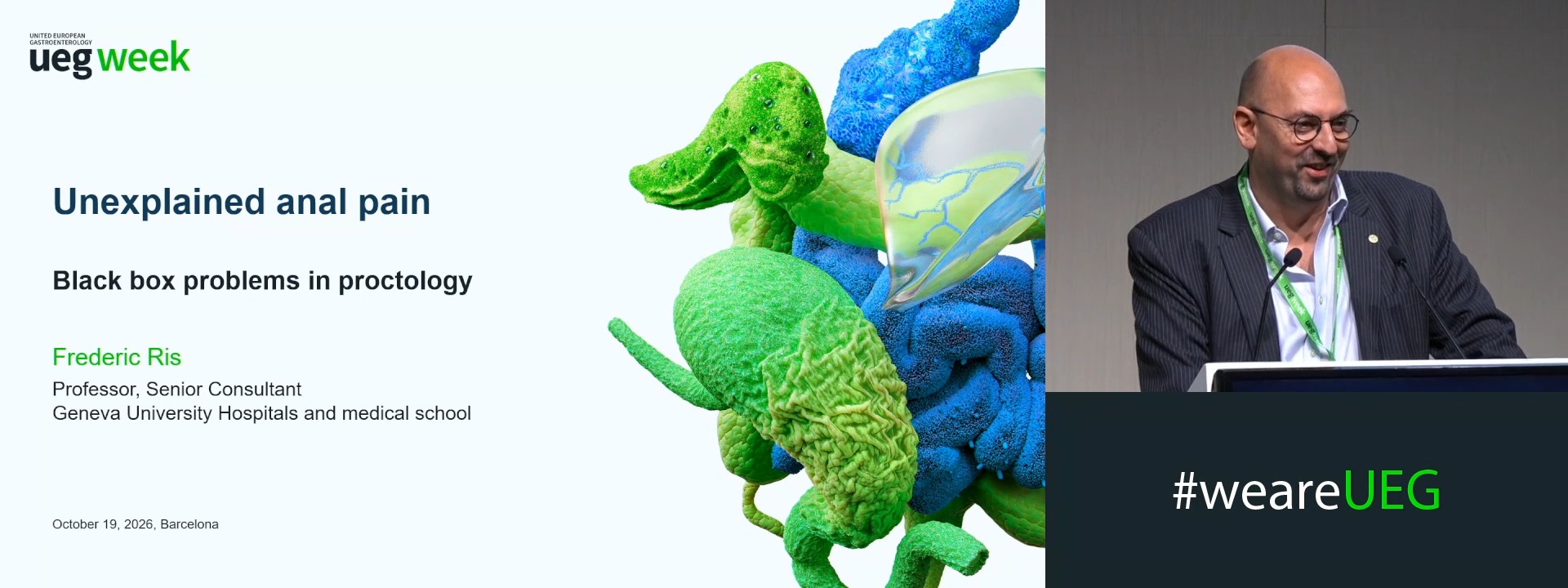
Unexplained anal pain
Affiliations
1 Geneva University Hospitals, Geneva, Switzerland
Log in to continue.
This content is part of Gutflix. Log in with your myUEG account, or create one free, to watch it.
Not sure what you can access? Learn more about account types.
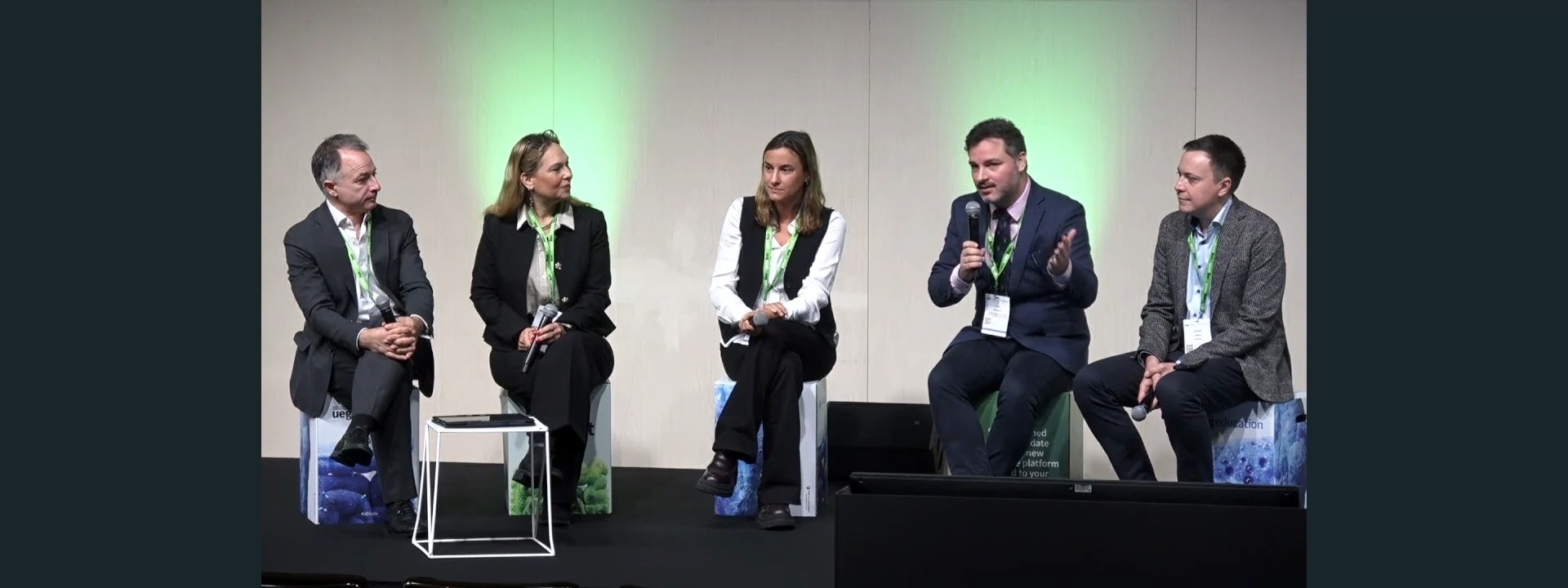
Panel discussion: Does SLD matter to you in your practice?