UEG's content platform for gastroenterology education bringing recordings, courses, guidelines, and more together in one place.
Trending on Gutflix
Rate for better recommendations!
Your feedback helps us show you more of what you like and less of what you dislike!
Log in to continue.
This content is part of Gutflix. Log in with your myUEG account, or create one free, to watch it.
Not sure what you can access? Learn more about account types.
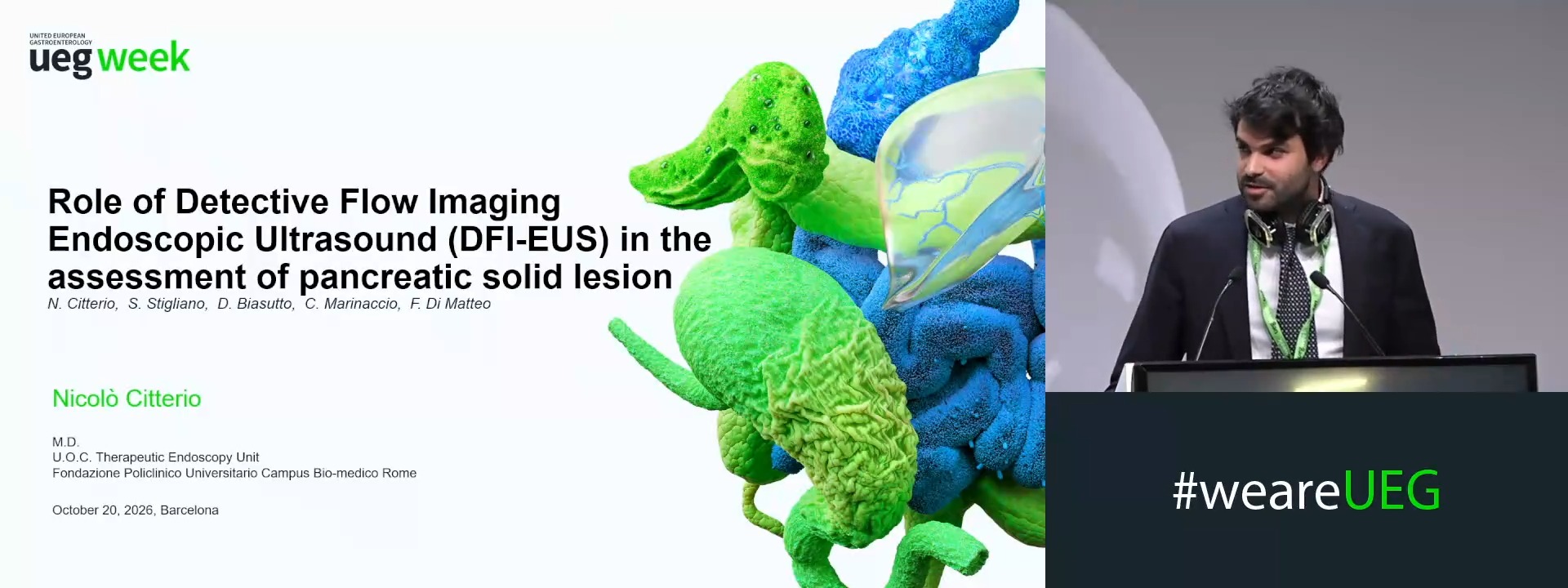
ROLE OF DETECTIVE FLOW IMAGING ENDOSCOPIC ULTRASOUND (DFI-EUS) IN THE ASSESSMENT OF PANCREATIC SOLID LESION
Nicolò Citterio 1, Serena Stigliano 2, Dario Biasutto 3, Claudia Marinaccio 1, Francesco Di Matteo 4
Affiliations
1 Fondazione Policlinico Universitario Campus Bio-medico, Rome, Italy
2 Campus Biomedico, Roma, Italy
3 Campus Bio-Medico, Velletri, Italy
4 Campus Bio-Medico Of Rome, Roma, Italy
Log in to continue.
This content is part of Gutflix. Log in with your myUEG account, or create one free, to watch it.
Not sure what you can access? Learn more about account types.
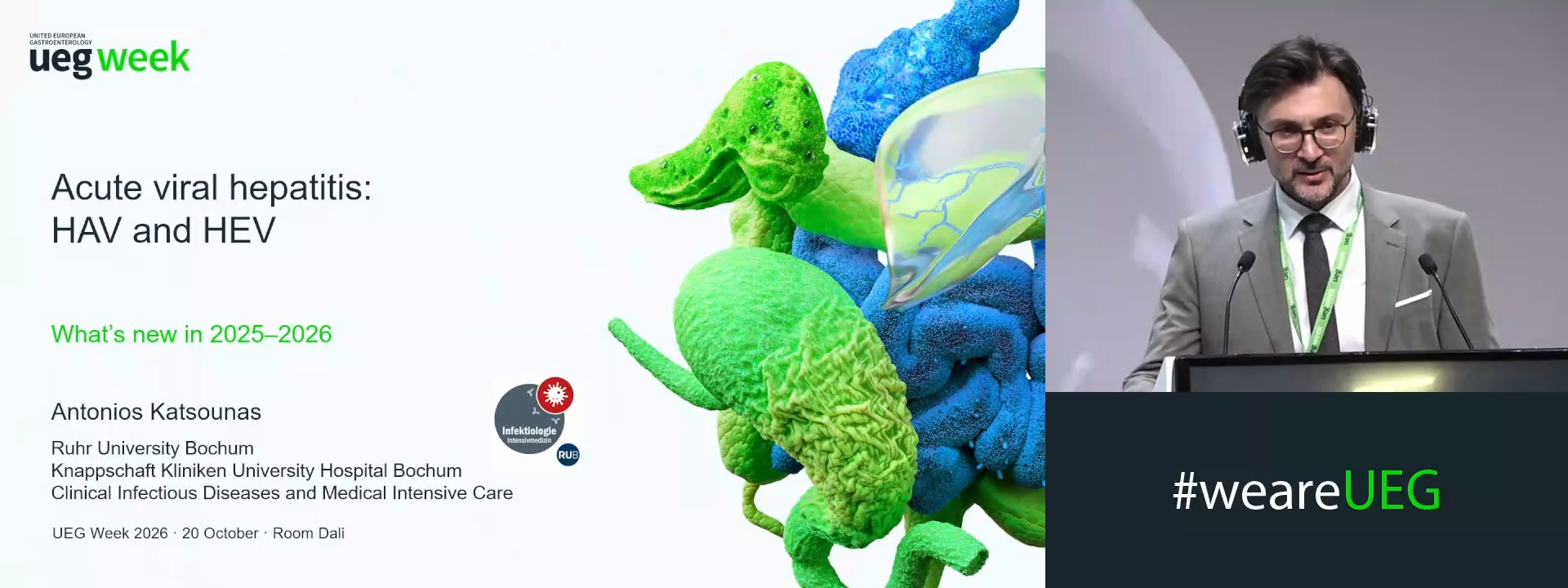
Acute viral hepatitis: HAV and HEV
Affiliations
1 University Hospital Knappschaftskrankenhaus., Bochum, Germany
Log in to continue.
This content is part of Gutflix. Log in with your myUEG account, or create one free, to watch it.
Not sure what you can access? Learn more about account types.
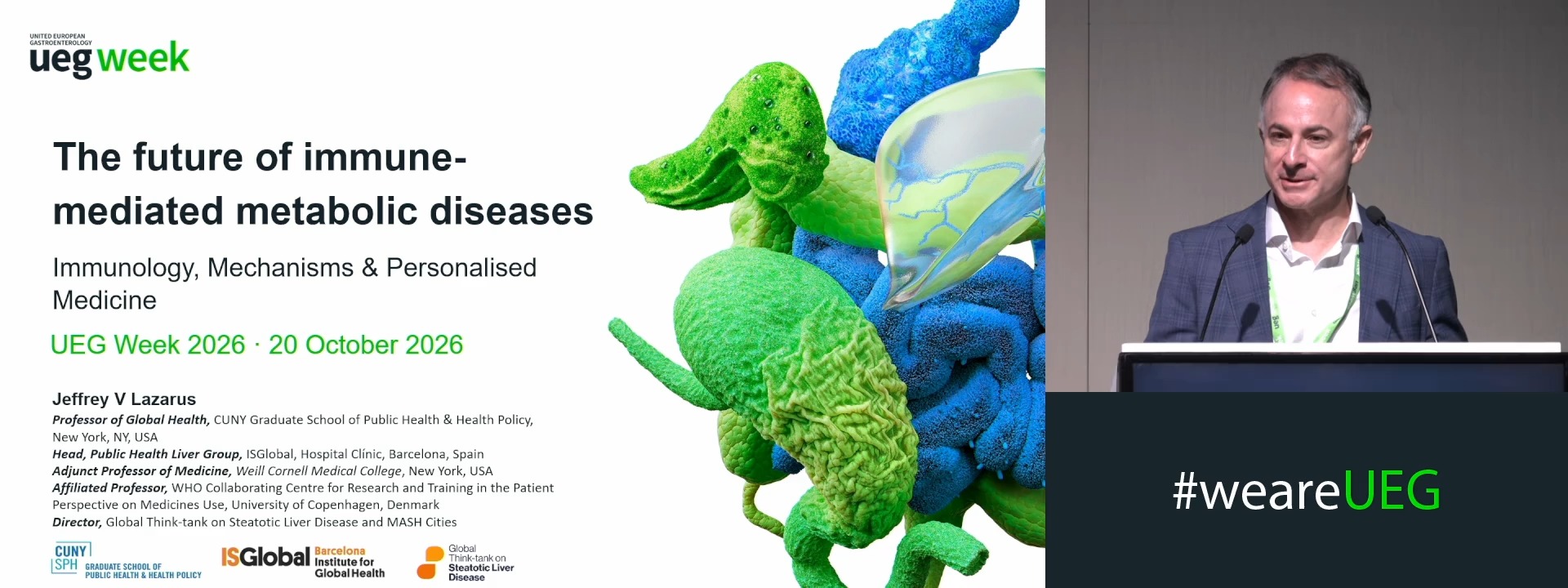
Metabolic liver diseases: Today and tomorrow
Affiliations
1 Barcelona Institute for Global Health (ISGlobal), Barcelona, Spain
Log in to continue.
This content is part of Gutflix. Log in with your myUEG account, or create one free, to watch it.
Not sure what you can access? Learn more about account types.
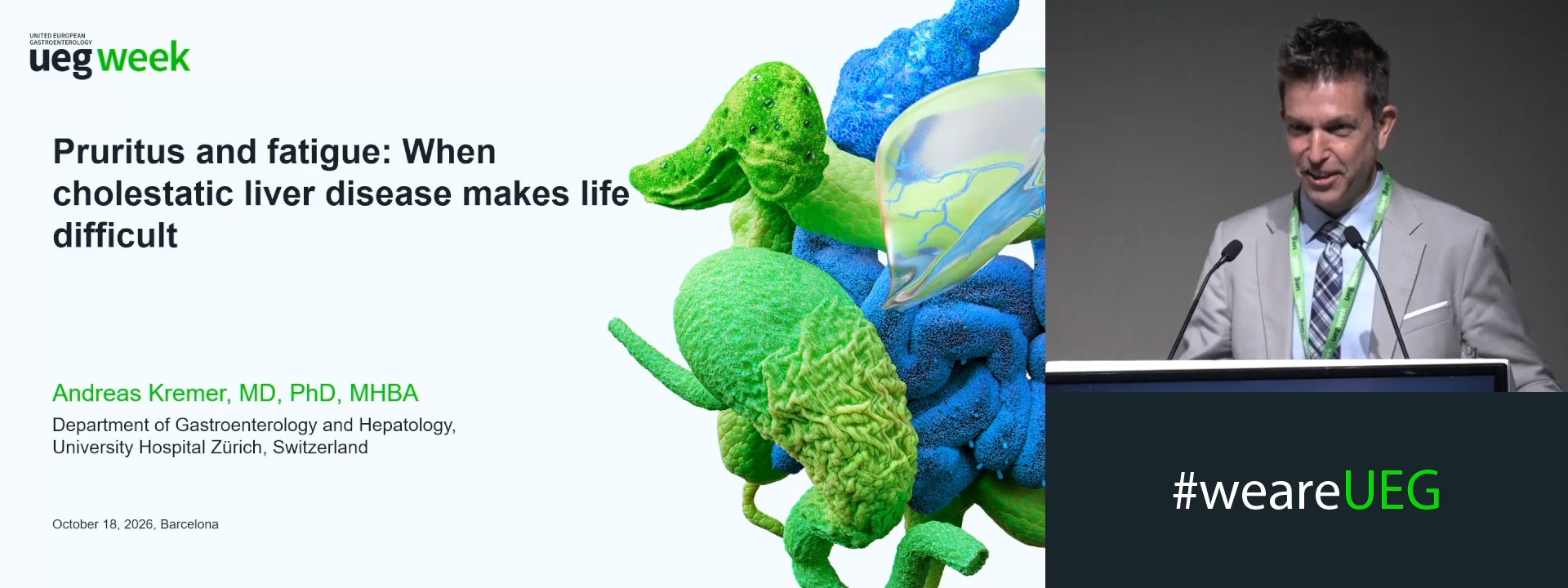
Pruritus and fatigue: When cholestatic liver disease makes life difficult
Affiliations
1 University Hospital Zurich, Zurich, Switzerland
Log in to continue.
This content is part of Gutflix. Log in with your myUEG account, or create one free, to watch it.
Not sure what you can access? Learn more about account types.
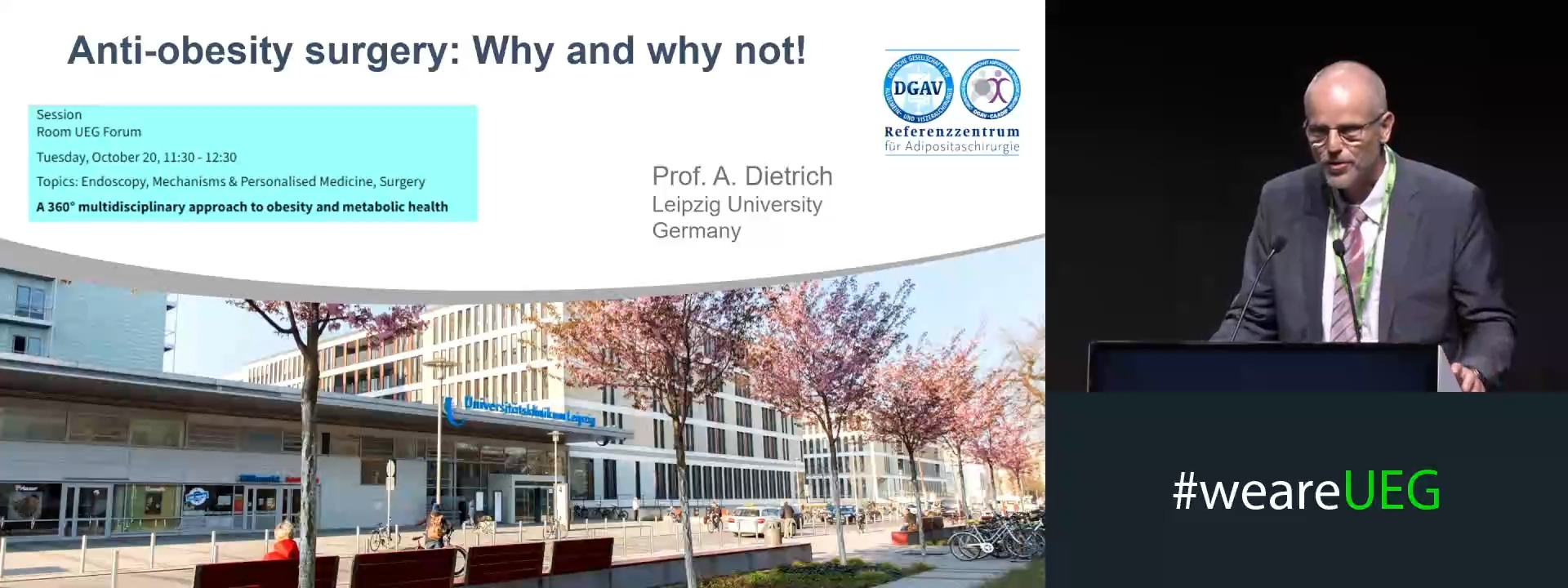
Anti-obesity surgery: Why and why not?
Affiliations
1 Leipzig University, Leipzig, Germany
Log in to continue.
This content is part of Gutflix. Log in with your myUEG account, or create one free, to watch it.
Not sure what you can access? Learn more about account types.
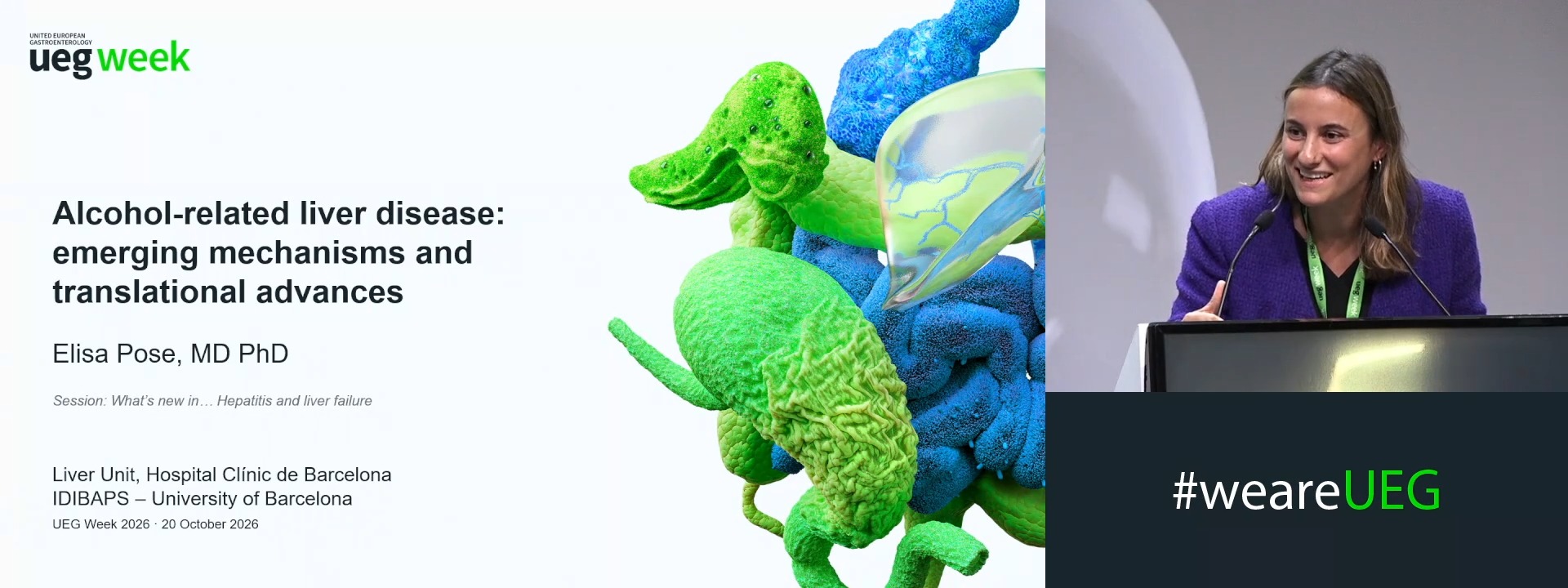
Alcohol-related liver disease: Emerging mechanisms and translational advances
Affiliations
1 Hospital Clínic of Barcelona - IDIBAPS, Barcelona, Spain