UEG's educational platform for gastroenterology education bringing recordings, courses, guidelines, and more together in one place.
Trending on Gutflix
Rate for better recommendations!
Your feedback helps us show you more of what you like and less of what you dislike!
Log in to continue.
This content is part of Gutflix. Log in with your myUEG account, or create one free, to watch it.
Not sure what you can access? Learn more about account types.
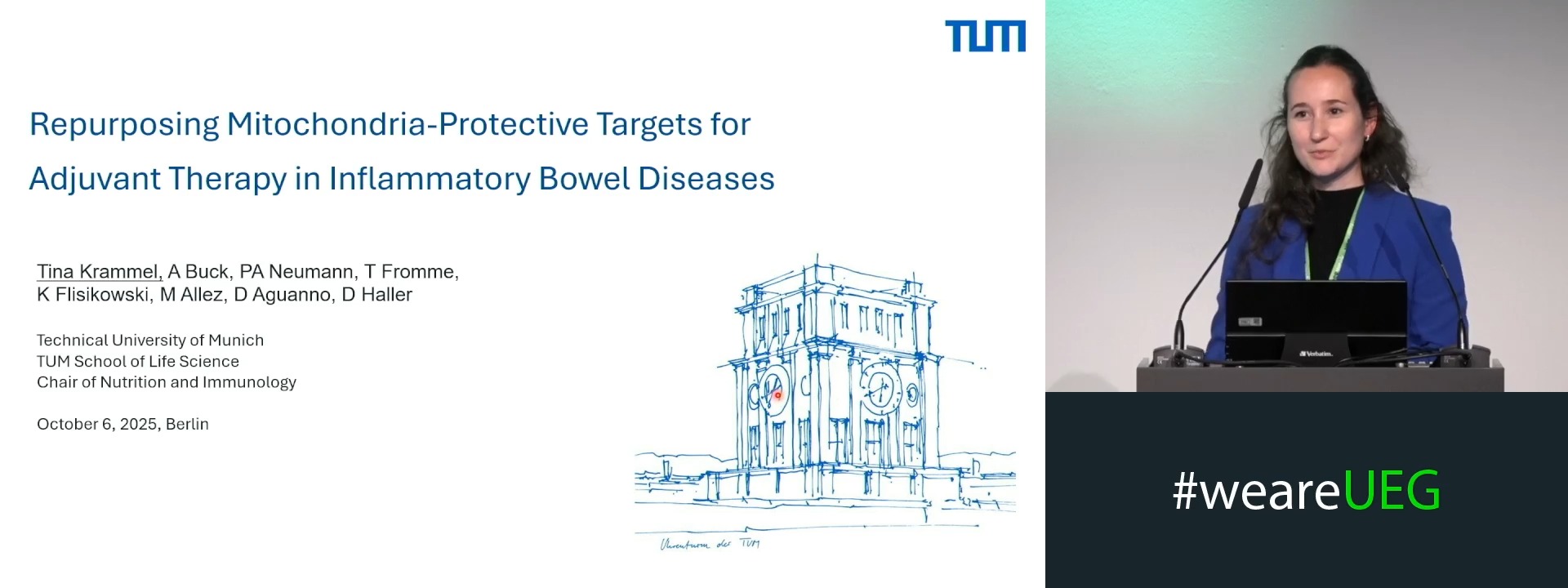
REPURPOSING MITOCHONDRIA PROTECTIVE TARGETS FOR ADJUVANT THERAPY IN INFLAMMATORY BOWEL DISEASES
Tina Krammel 1, Annalisa Buck 2, Philipp-alexander Neumann 2, Tobias Fromme 1, Krzysztof Flisikowski 1, Matthieu Allez 3, Doriane Aguanno 1, Dirk Haller 1
Affiliations
1 Technical University of Munich, Freising, Germany
2 Klinikum Rechts Der Isar, Munich, Germany
3 Hopital Saint-Louis APHP, Université Denis Diderot Paris 7, Paris, France
Log in to continue.
This content is part of Gutflix. Log in with your myUEG account, or create one free, to watch it.
Not sure what you can access? Learn more about account types.
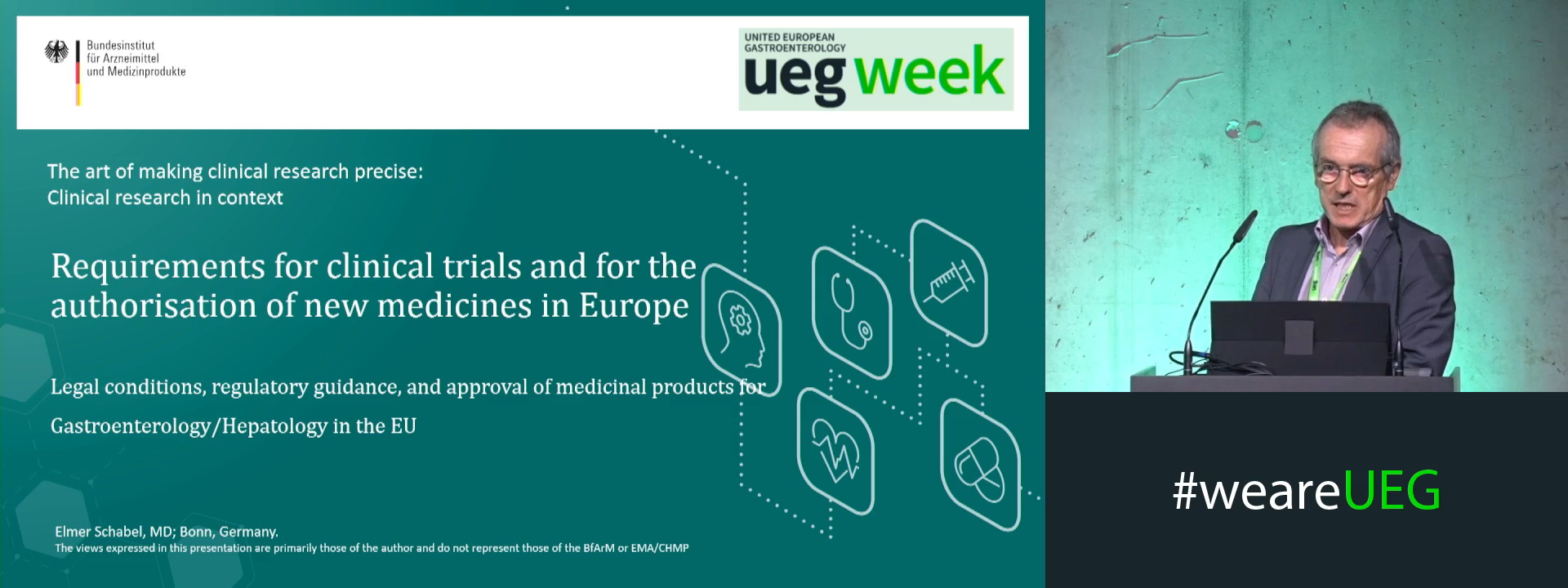
Requirements for clinical trials and for the authorisation of new medicines in Europe
Affiliations
1 Bundesinstitut für Arzneimittel und Medizinprodukte Abt. 2/FG Gastroenterologie, Bonn, Germany
Log in to continue.
This content is part of Gutflix. Log in with your myUEG account, or create one free, to watch it.
Not sure what you can access? Learn more about account types.
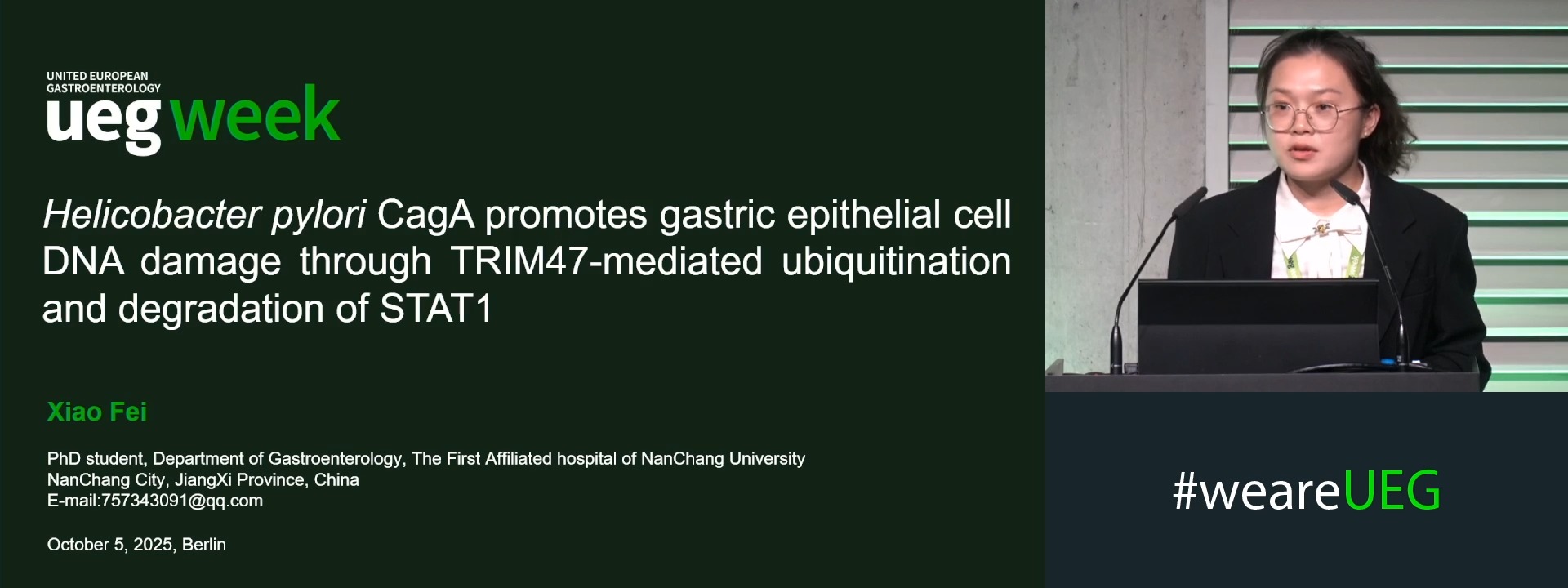
HELICOBACTER PYLORI CAGA PROMOTES GASTRIC EPITHELIAL CELL DNA DAMAGE THROUGH TRIM47-MEDIATED UBIQUITINATION AND DEGRADATION OF STAT1
Affiliations
1 The First Affiliated Hospital, Jiangxi Medical College, Nanchang University, Nanchang, China
Log in to continue.
This content is part of Gutflix. Log in with your myUEG account, or create one free, to watch it.
Not sure what you can access? Learn more about account types.
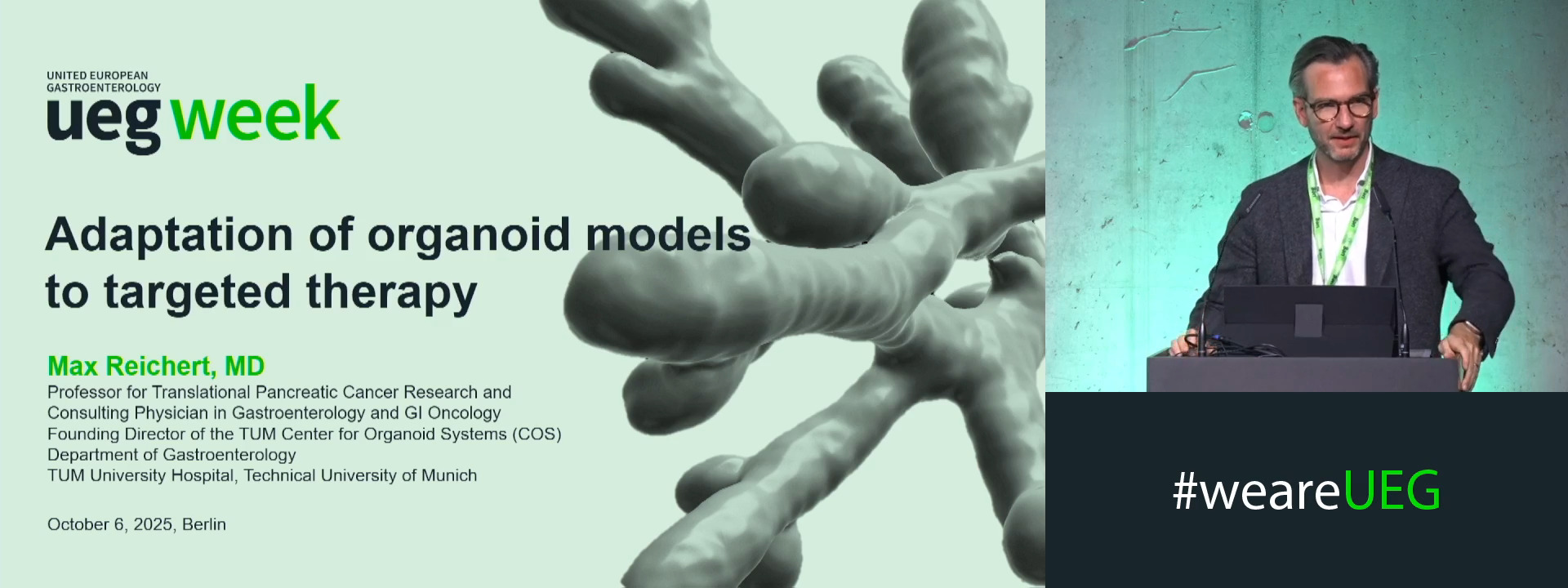
Adaptation of organoid models to targeted therapy
Affiliations
1 TUM Klinikum Rechts der Isar, Munich, Germany
Log in to continue.
This content is part of Gutflix. Log in with your myUEG account, or create one free, to watch it.
Not sure what you can access? Learn more about account types.
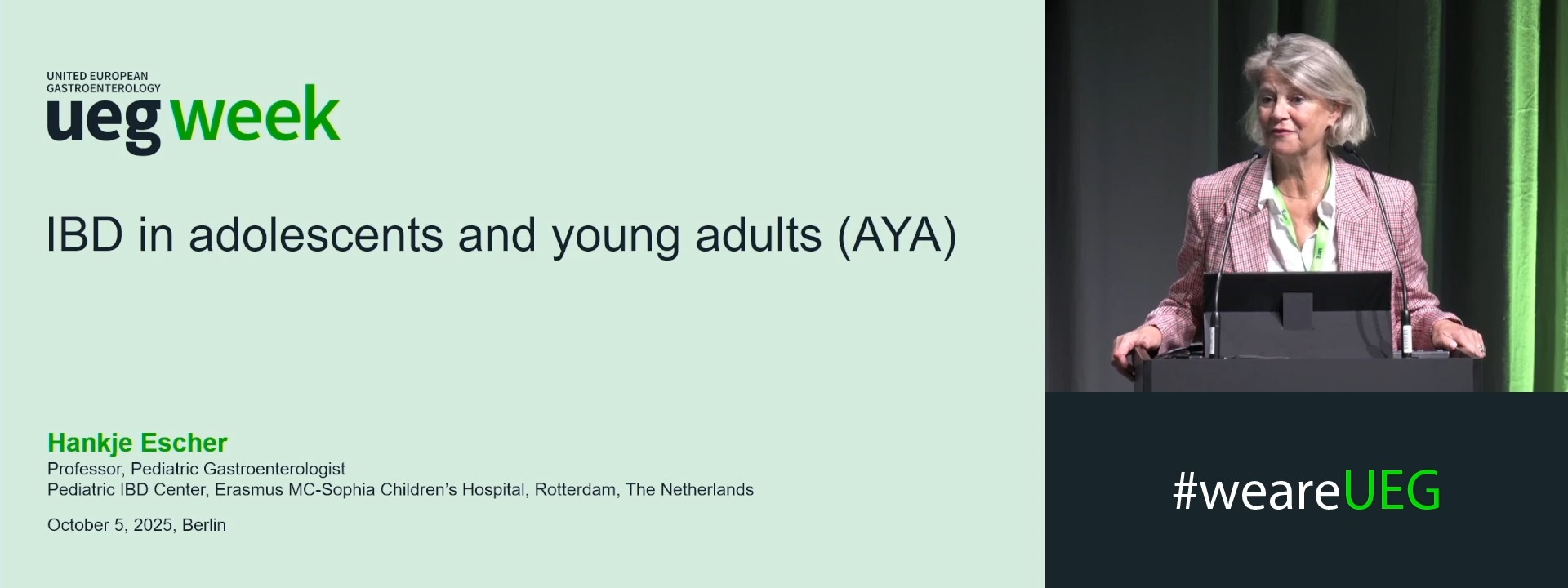
AYA: Adolescents and young adults
Affiliations
1 Erasmus Medical Center, Rotterdam, Netherlands
Log in to continue.
This content is part of Gutflix. Log in with your myUEG account, or create one free, to watch it.
Not sure what you can access? Learn more about account types.
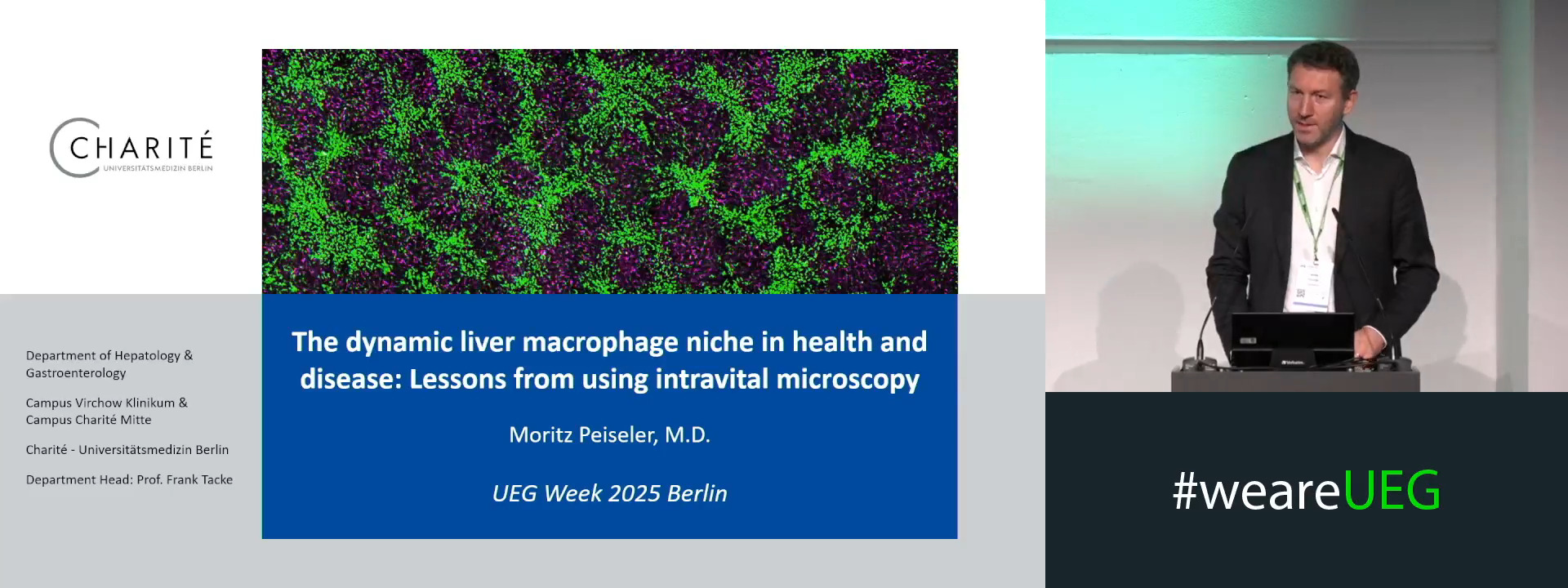
The dynamic liver macrophage niche in health and disease: Lessons from using intravital microscopy
Affiliations
1 Charité University Medicine Berlin, Berlin, Germany
Log in to continue.
This content is part of Gutflix. Log in with your myUEG account, or create one free, to watch it.
Not sure what you can access? Learn more about account types.
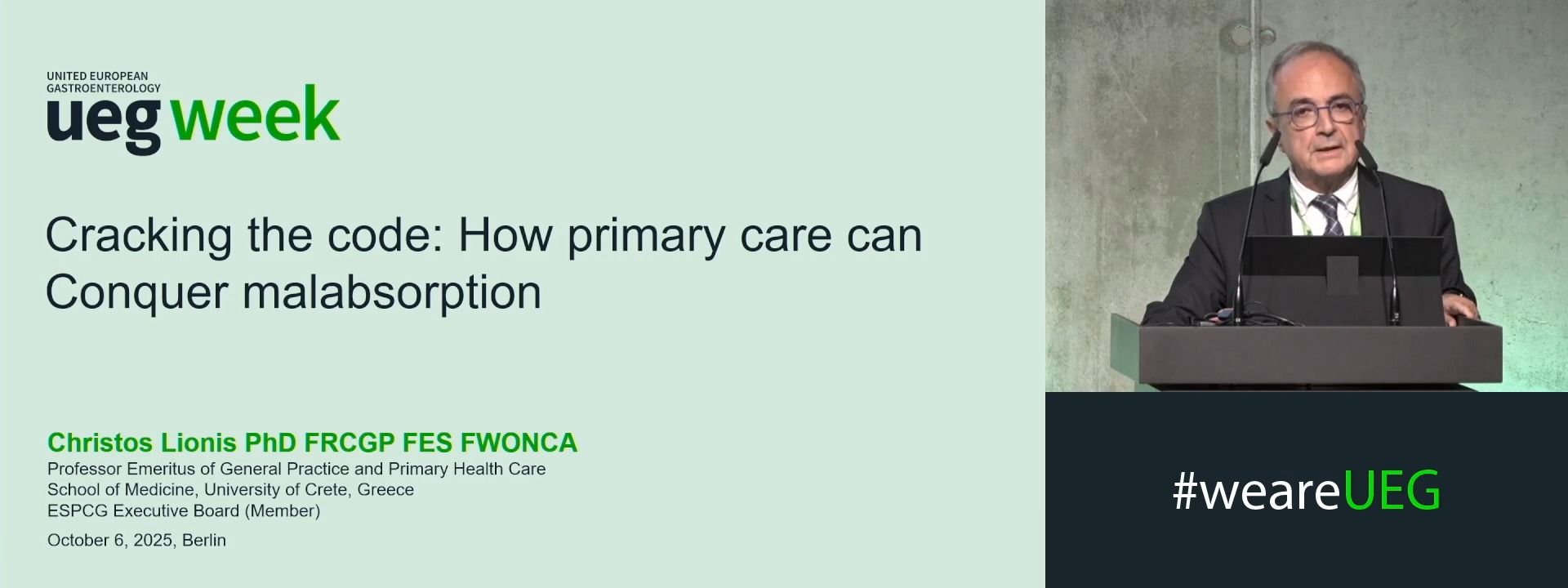
Cracking the code: How primary care can conquer malabsorption
Affiliations
1 University of Crete, Heraklion, Greece