UEG's content platform for gastroenterology education bringing recordings, courses, guidelines, and more together in one place.
Trending on Gutflix
Rate for better recommendations!
Your feedback helps us show you more of what you like and less of what you dislike!
Log in to continue.
This content is part of Gutflix. Log in with your myUEG account, or create one free, to watch it.
Not sure what you can access? Learn more about account types.
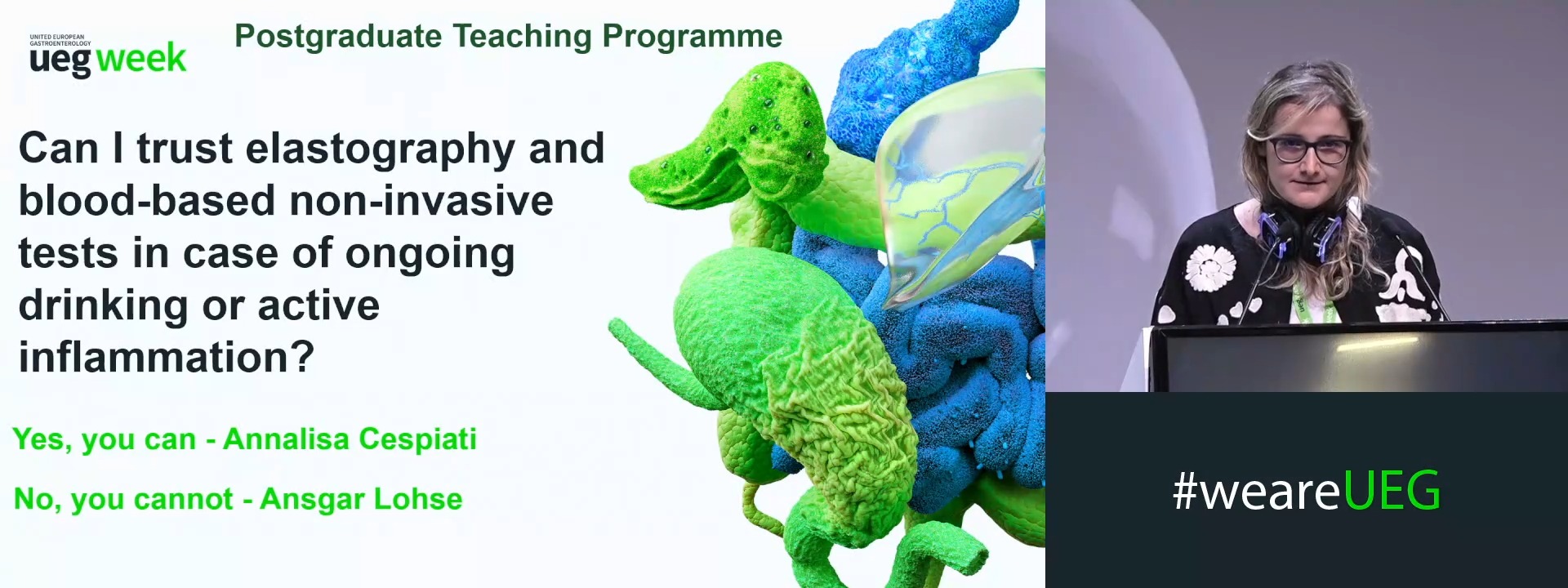
Can I trust elastography and blood-based non-invasive tests in case of ongoing drinking or active inflammation? Yes or no?
Affiliations
1 Fondazione IRCCS Ca' Granda Ospedale Maggiore Policlinico, Milan, Italy
2 University Medical Centre Hamburg-Eppendorf, Hamburg, Germany
Log in to continue.
This content is part of Gutflix. Log in with your myUEG account, or create one free, to watch it.
Not sure what you can access? Learn more about account types.
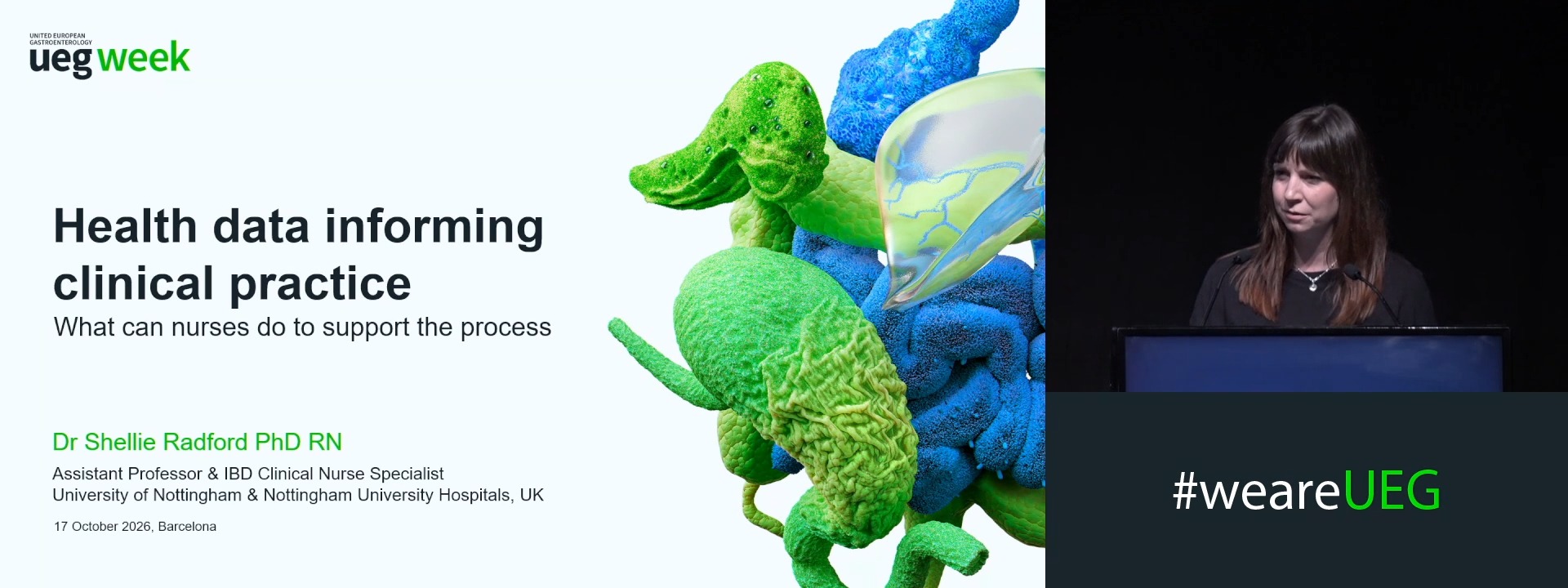
Health data informing clinical practice – what can nurses do to support the process
Affiliations
1 None, None, United Kingdom
Log in to continue.
This content is part of Gutflix. Log in with your myUEG account, or create one free, to watch it.
Not sure what you can access? Learn more about account types.
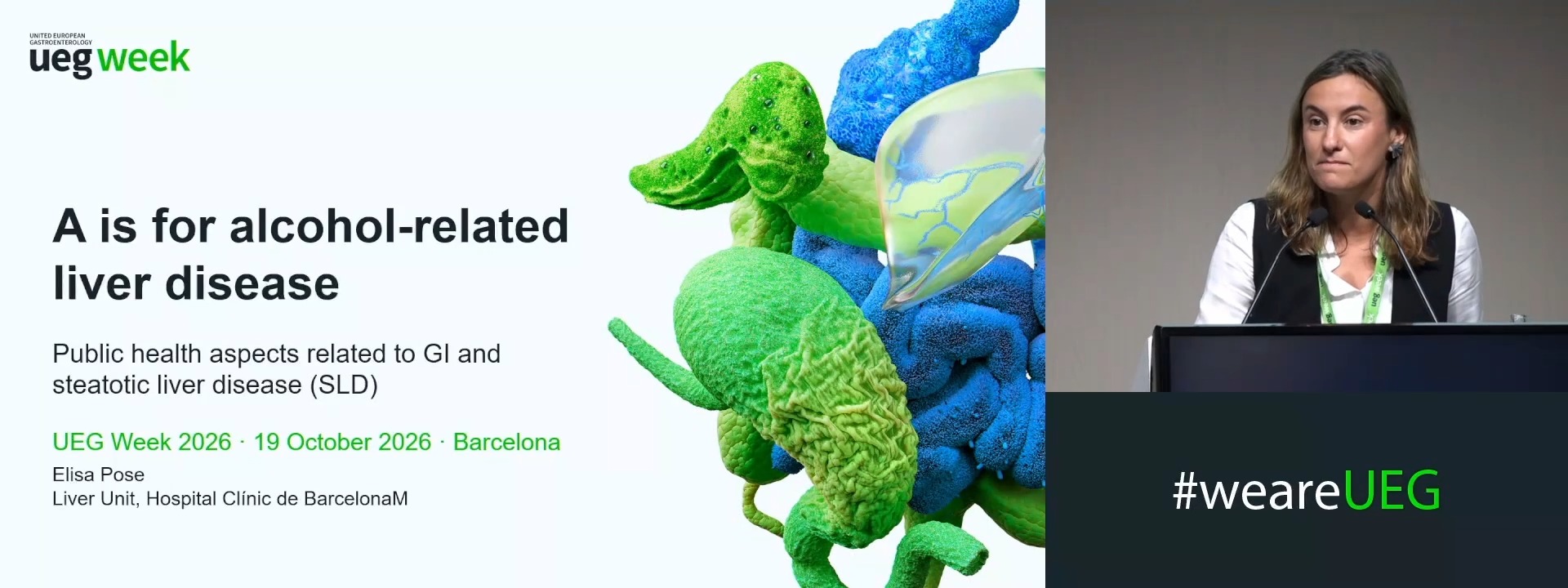
A is for alcohol-related liver disease
Affiliations
1 Hospital Clínic of Barcelona - IDIBAPS, Barcelona, Spain
Log in to continue.
This content is part of Gutflix. Log in with your myUEG account, or create one free, to watch it.
Not sure what you can access? Learn more about account types.
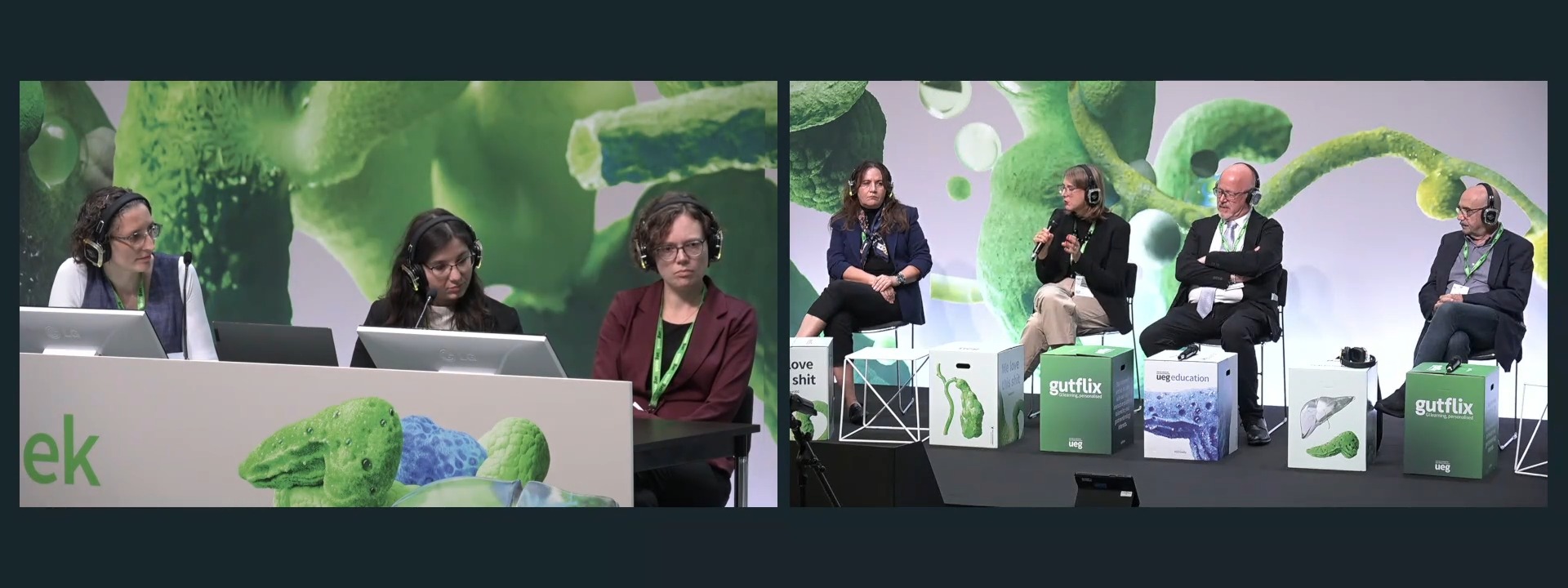
Panel discussion: Beyond calories: Managing complications and refeeding syndrome in clinical nutrition support
Log in to continue.
This content is part of Gutflix. Log in with your myUEG account, or create one free, to watch it.
Not sure what you can access? Learn more about account types.
Summary: Beyond calories: Managing complications and refeeding syndrome in clinical nutrition support
Affiliations
1 Semmelweis University, Budapest, Hungary
Log in to continue.
This content is part of Gutflix. Log in with your myUEG account, or create one free, to watch it.
Not sure what you can access? Learn more about account types.
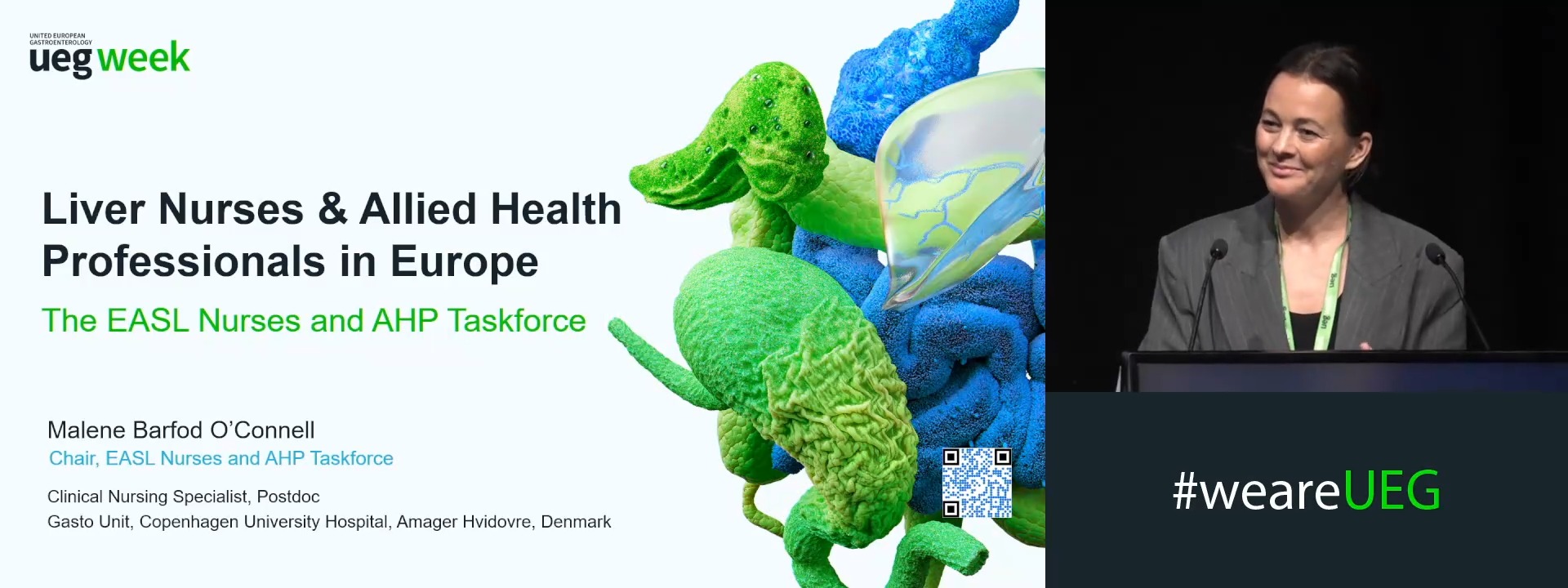
Liver nurses & allied health professions in Europe – the EASL Nurses and AHP Taskforce