UEG's content platform for gastroenterology education bringing recordings, courses, guidelines, and more together in one place.
Trending on Gutflix
Rate for better recommendations!
Your feedback helps us show you more of what you like and less of what you dislike!
Log in to continue.
This content is part of Gutflix. Log in with your myUEG account, or create one free, to watch it.
Not sure what you can access? Learn more about account types.
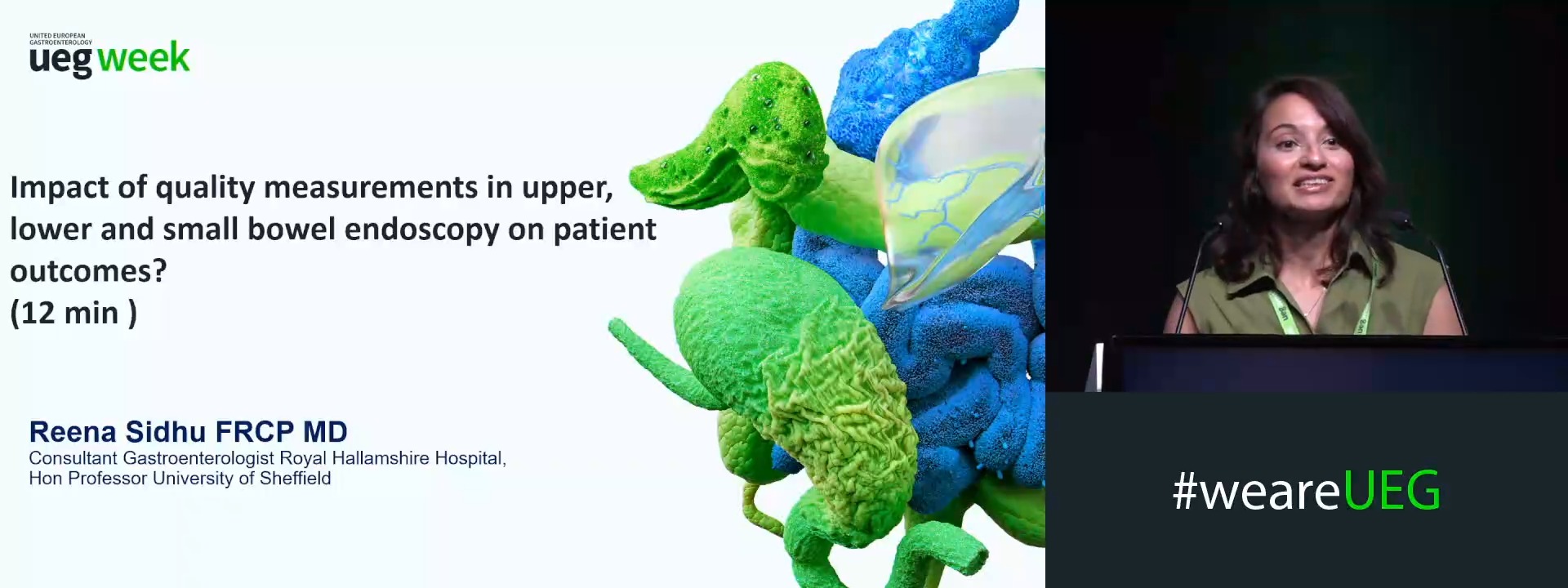
Impact of quality measurements in upper, lower and small bowel endoscopy on patient outcomes?
Affiliations
1 Royal Hallamshire Hospital , Sheffield Teaching Hospitals, Sheffield, United Kingdom
Log in to continue.
This content is part of Gutflix. Log in with your myUEG account, or create one free, to watch it.
Not sure what you can access? Learn more about account types.
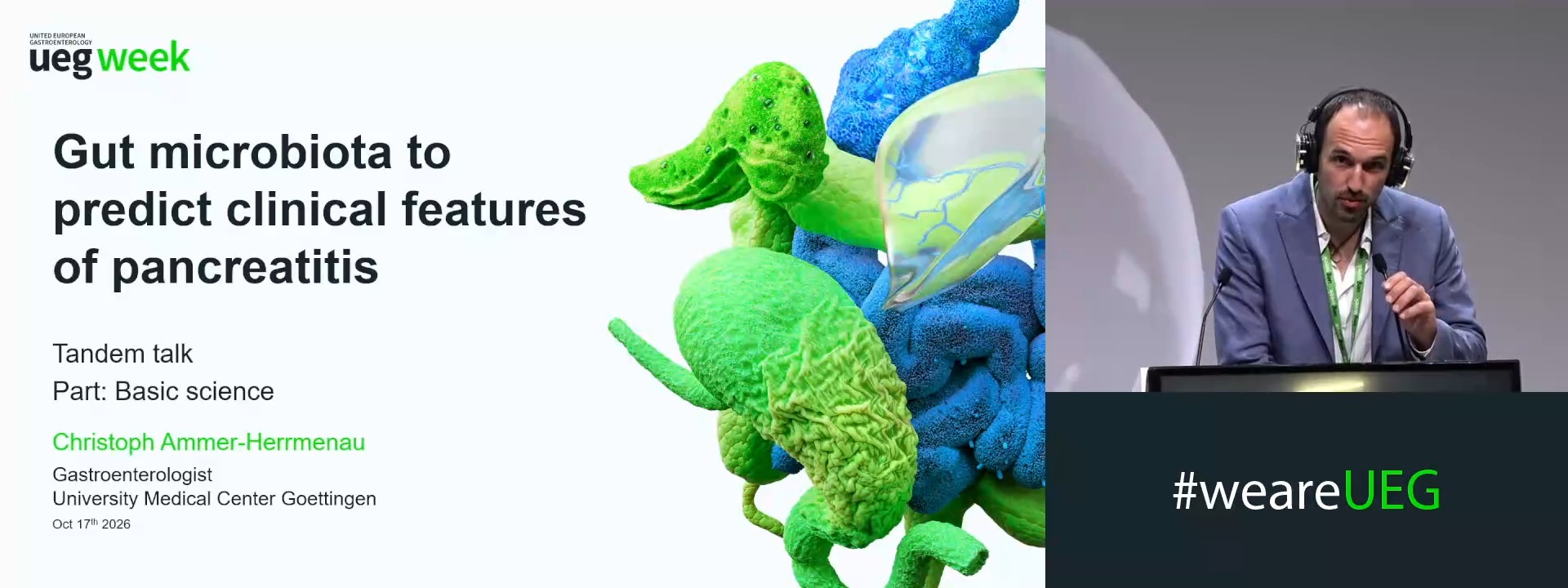
Gut microbiota to predict clinical features of pancreatitis: Basic science and clinical perspective
Affiliations
1 University Medical Centre Goettingen, Goettingen, Germany
2 Mayo Clinic, Rochester, United States of America
Log in to continue.
This content is part of Gutflix. Log in with your myUEG account, or create one free, to watch it.
Not sure what you can access? Learn more about account types.
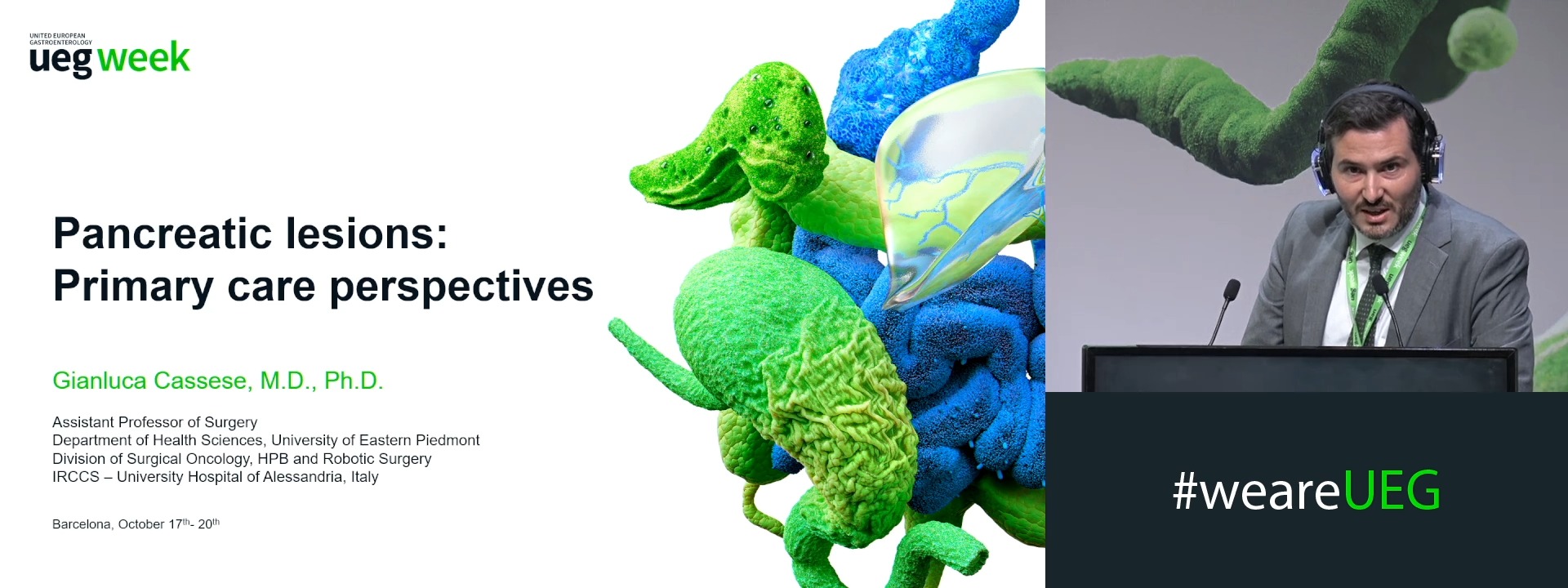
Pancreatic lesions: Primary care perspectives
Affiliations
1 University of Eastern Piedmont "Amedeo Avogadro", Milan, Italy
Log in to continue.
This content is part of Gutflix. Log in with your myUEG account, or create one free, to watch it.
Not sure what you can access? Learn more about account types.
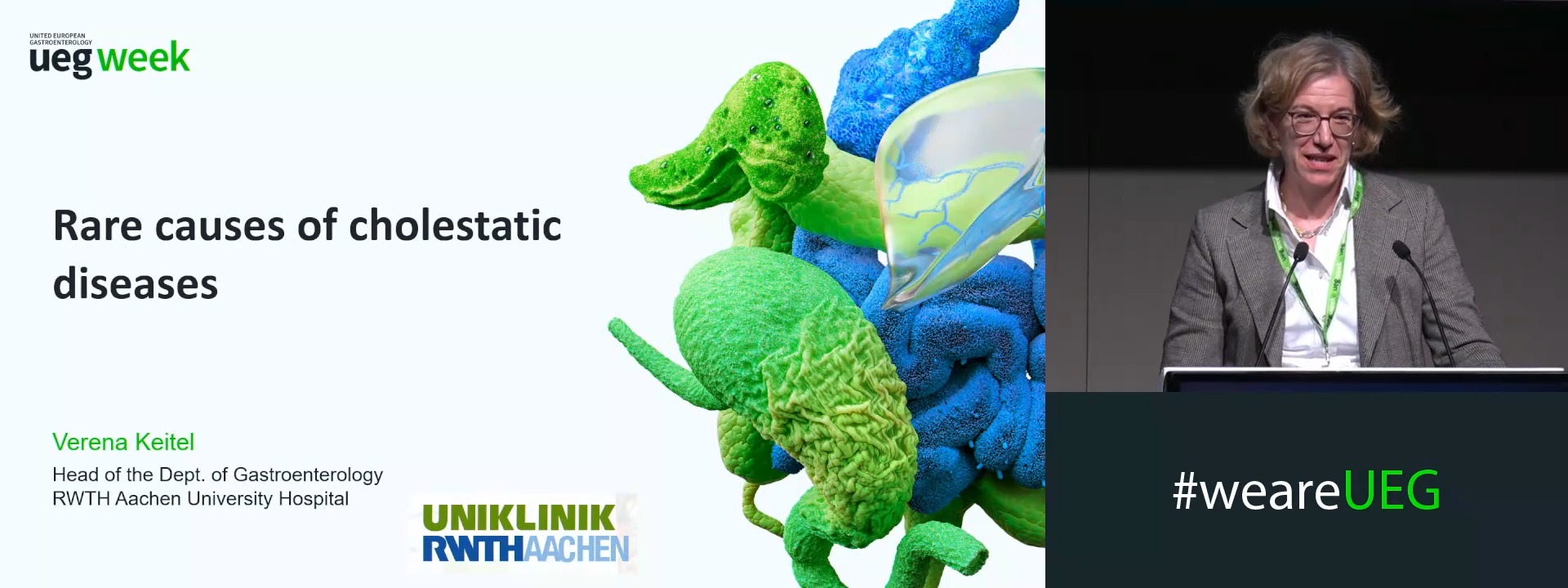
Rare causes of cholestatic diseases
Affiliations
1 University Hospital Magdeburg, Magdeburg, Germany
Log in to continue.
This content is part of Gutflix. Log in with your myUEG account, or create one free, to watch it.
Not sure what you can access? Learn more about account types.
The role of microbiota in MASLD: Basic science and clinical perspective
Affiliations
1 Kings College London, NHS Foundation Trust, London, United Kingdom
2 Innsbruck Medical University - Department of Medicine, Innsbruck Medical University; Innsbruck/AT, Innsbruck, Austria