UEG's content platform for gastroenterology education bringing recordings, courses, guidelines, and more together in one place.
Trending on Gutflix
Rate for better recommendations!
Your feedback helps us show you more of what you like and less of what you dislike!
Log in to continue.
This content is part of Gutflix. Log in with your myUEG account, or create one free, to watch it.
Not sure what you can access? Learn more about account types.
Words of welcome
Affiliations
1 Saarland University Medical Center, Homburg, Germany
2 University of Nottingham, Nottingham, United Kingdom
Log in to continue.
This content is part of Gutflix. Log in with your myUEG account, or create one free, to watch it.
Not sure what you can access? Learn more about account types.
From first flare to lifelong care: European recommendations on pancreatic exocrine insufficiency and beyond
Affiliations
1 Cliniques universitaires Saint-Luc, Brussels, Belgium
Log in to continue.
This content is part of Gutflix. Log in with your myUEG account, or create one free, to watch it.
Not sure what you can access? Learn more about account types.
Diagnosis and management of IBS: Past, present and future
Affiliations
1 Leeds Teaching Hospitals NHS Trust, Leeds, United Kingdom
Log in to continue.
This content is part of Gutflix. Log in with your myUEG account, or create one free, to watch it.
Not sure what you can access? Learn more about account types.
Teamwork at the tip: Nursing excellence in endoscopic resection (OLYMPUS EUROPA SE & CO. KG )
Log in to continue.
This content is part of Gutflix. Log in with your myUEG account, or create one free, to watch it.
Not sure what you can access? Learn more about account types.
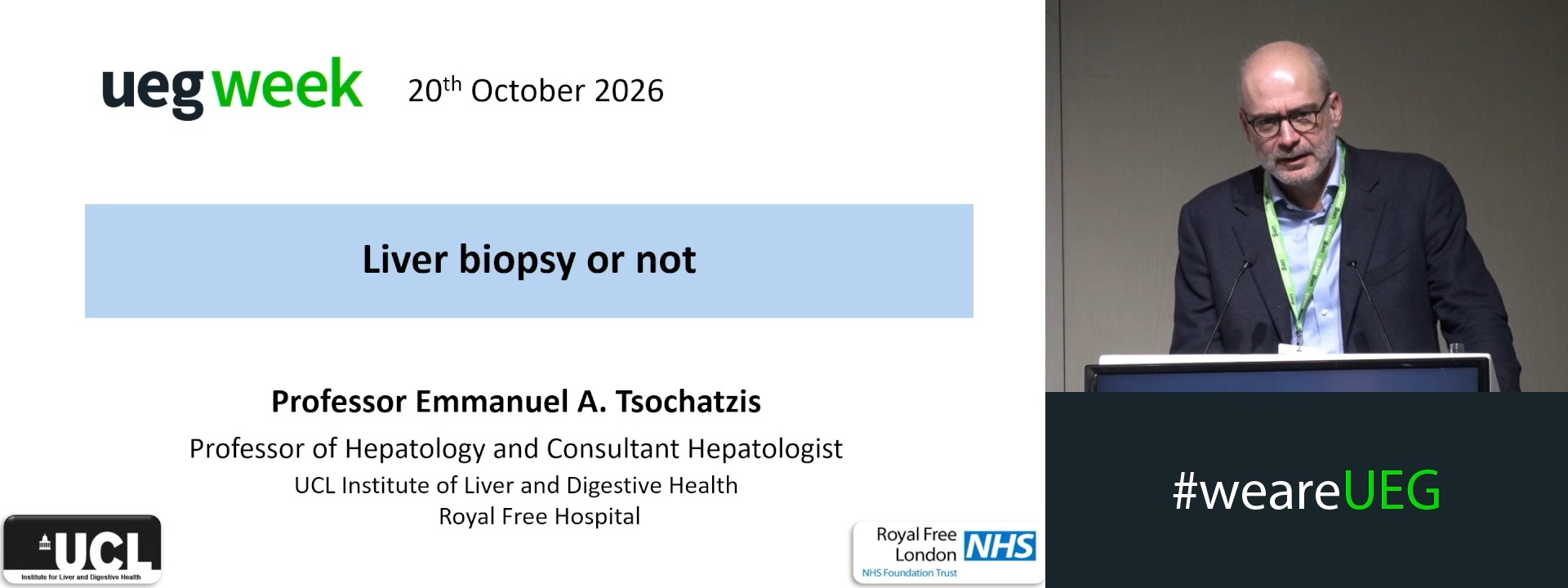
Liver biopsy or not
Affiliations
1 UCL Institute of Liver and Digestive Health, London, United Kingdom
Log in to continue.
This content is part of Gutflix. Log in with your myUEG account, or create one free, to watch it.
Not sure what you can access? Learn more about account types.
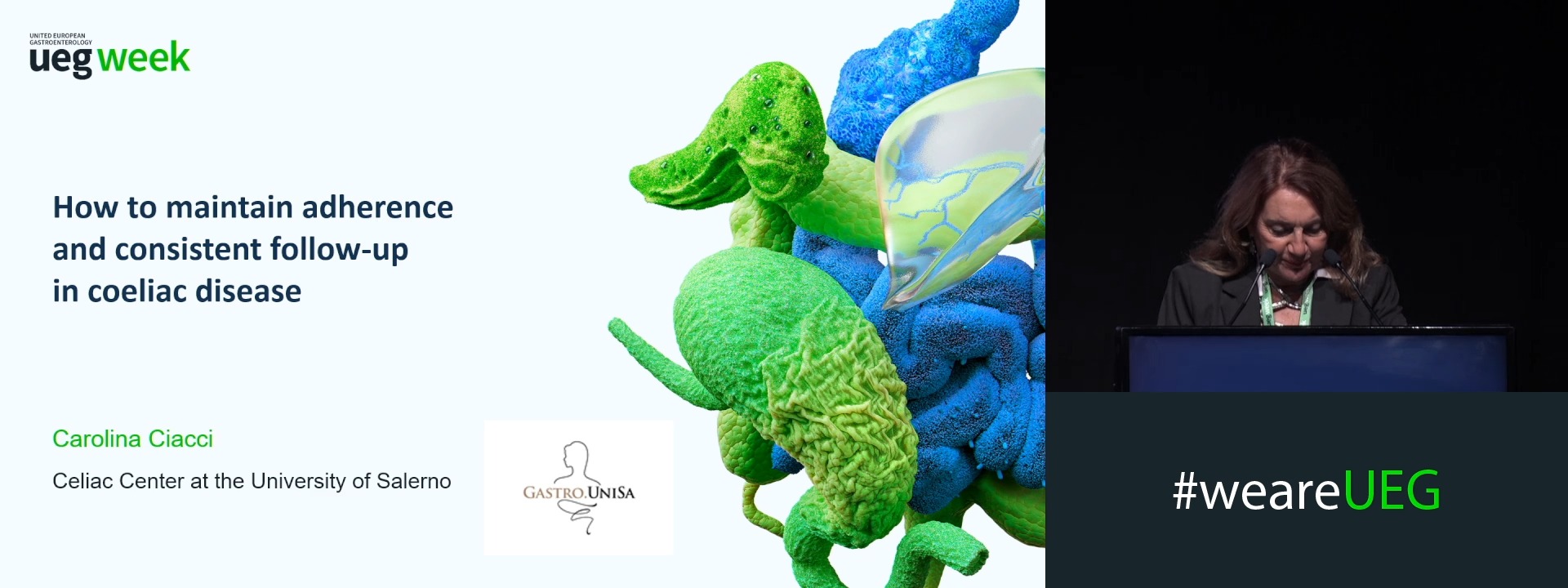
How to maintain adherence and consistent follow-up in coeliac disease
Affiliations
1 University of Salerno, Salerno, Italy
Log in to continue.
This content is part of Gutflix. Log in with your myUEG account, or create one free, to watch it.
Not sure what you can access? Learn more about account types.
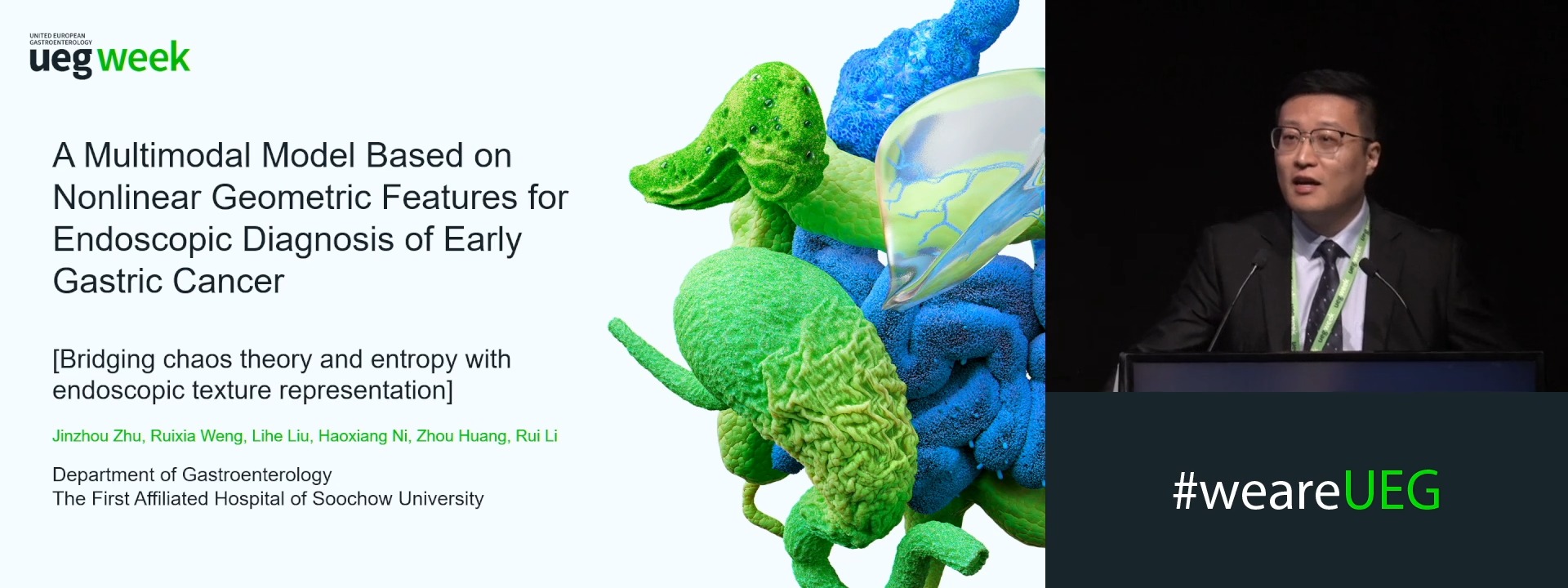
CHAOS THEORY AND MULTISCALE ENTROPY FOR GASTRIC CANCER DIAGNOSIS IN ENDOSCOPIC IMAGES
Affiliations
1 The First Affiliated Hospital of Soochow University, Suzhou, China