UEG's content platform for gastroenterology education bringing recordings, courses, guidelines, and more together in one place.
Trending on Gutflix
Rate for better recommendations!
Your feedback helps us show you more of what you like and less of what you dislike!
Log in to continue.
This content is part of Gutflix. Log in with your myUEG account, or create one free, to watch it.
Not sure what you can access? Learn more about account types.
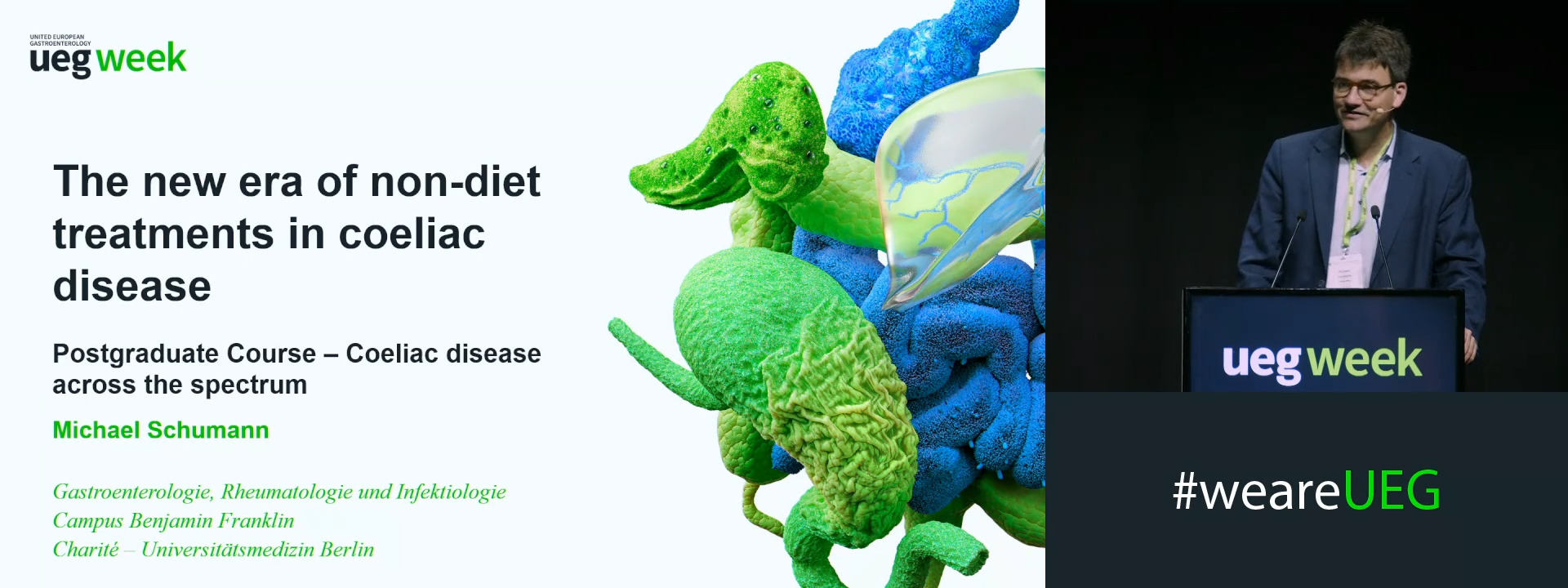
The new era of non-diet treatments in coeliac disease
Affiliations
1 Charité – Universitätsmedizin Berlin, Berlin, Germany
Log in to continue.
This content is part of Gutflix. Log in with your myUEG account, or create one free, to watch it.
Not sure what you can access? Learn more about account types.
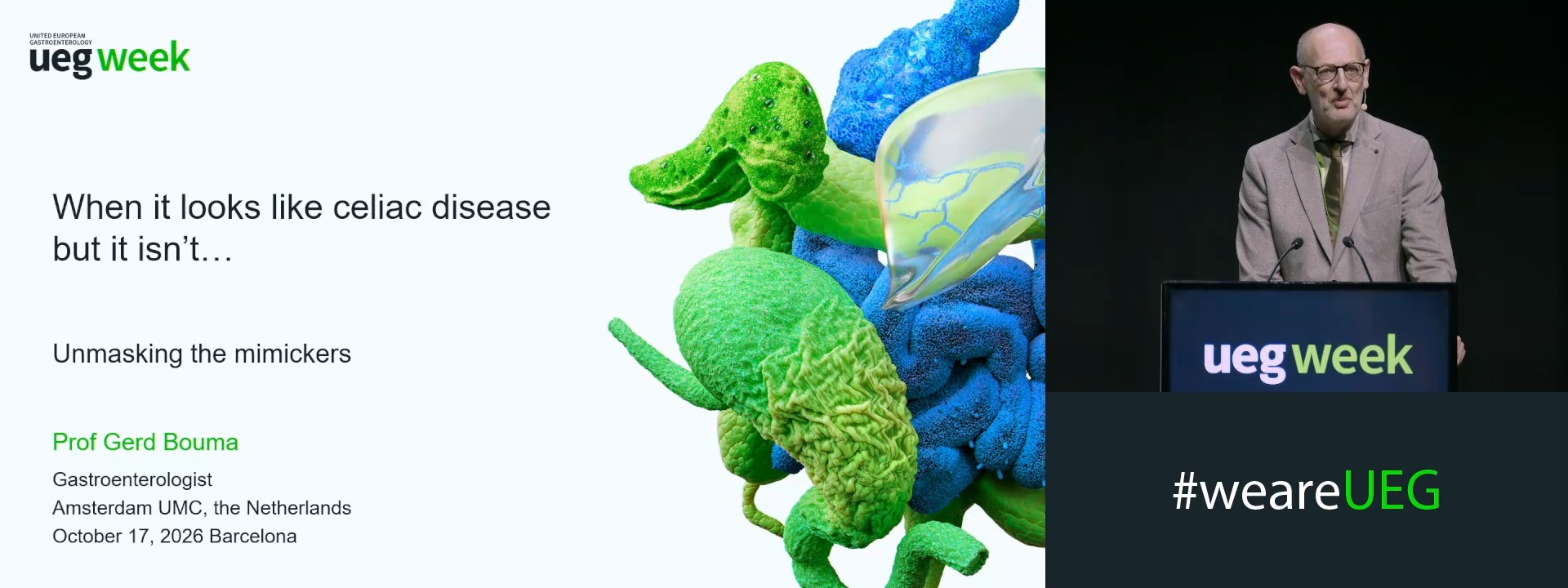
When it looks like coeliac disease but isn’t: Unmasking the mimickers
Affiliations
1 Vrije Universiteit Medical Center, Amsterdam, Netherlands
Log in to continue.
This content is part of Gutflix. Log in with your myUEG account, or create one free, to watch it.
Not sure what you can access? Learn more about account types.
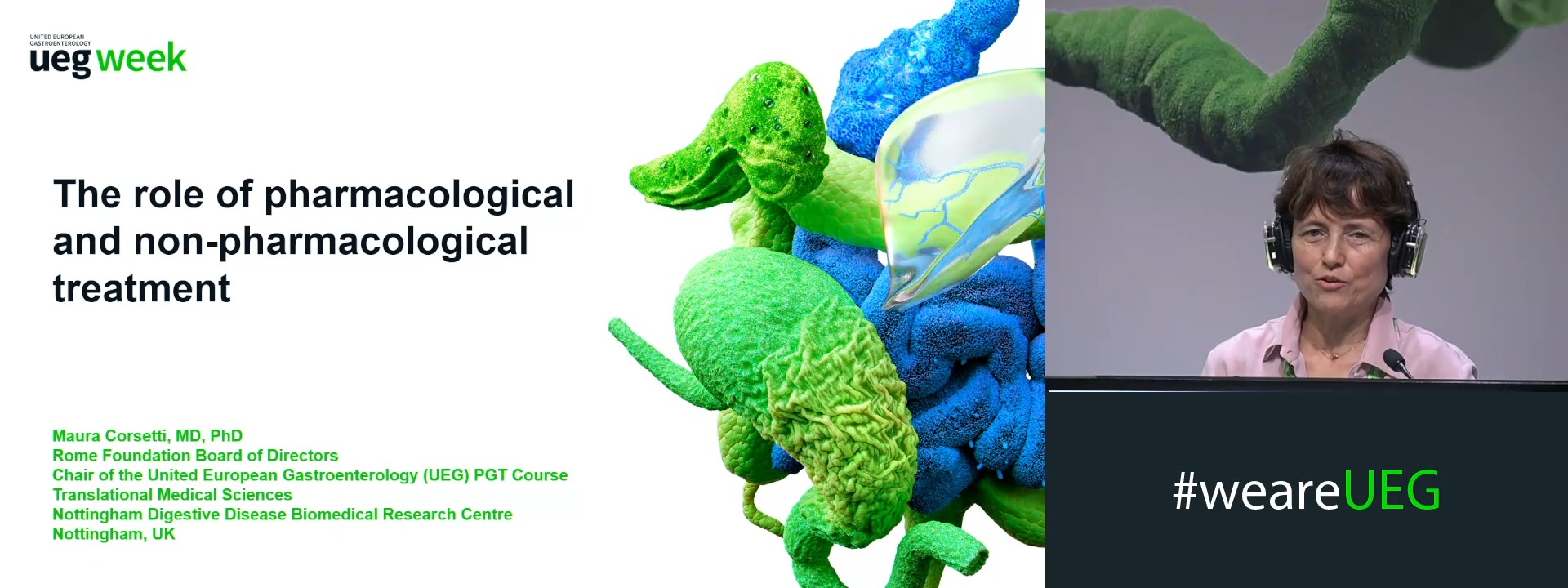
The role of pharmacological and non-pharmacological treatment
Affiliations
1 University of Nottingham, Nottingham, United Kingdom
Log in to continue.
This content is part of Gutflix. Log in with your myUEG account, or create one free, to watch it.
Not sure what you can access? Learn more about account types.
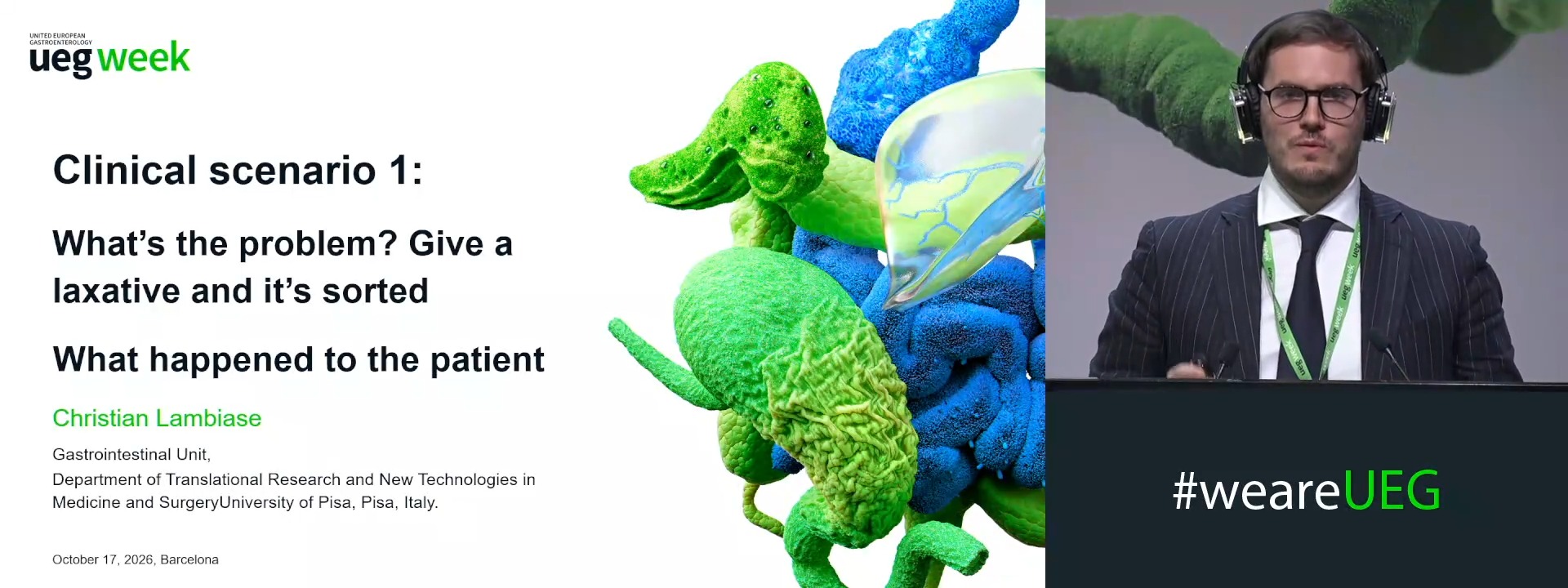
Summary: What happened to the patient?
Affiliations
1 Gastrointestinal Unit, Department of Translational Sciences and New Technologies in Medicine and Surgery, University of Pisa, Pisa, Italy
Log in to continue.
This content is part of Gutflix. Log in with your myUEG account, or create one free, to watch it.
Not sure what you can access? Learn more about account types.
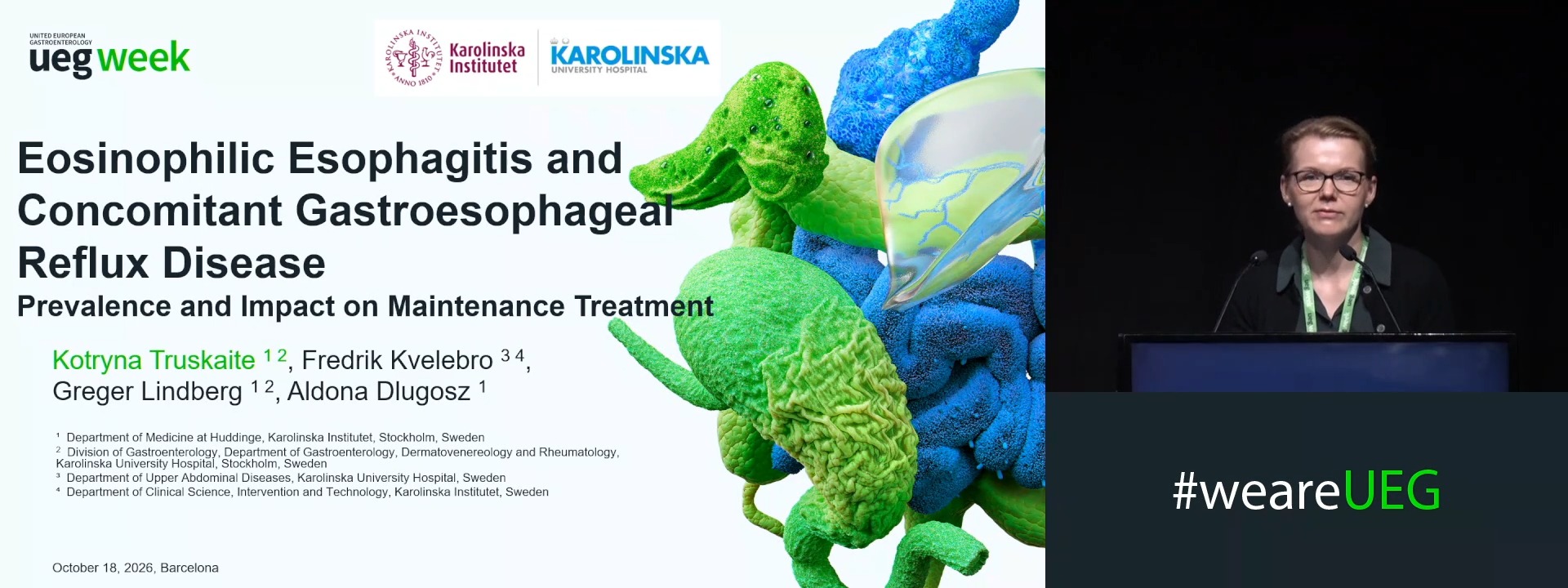
PREVALENCE OF GERD IN PATIENTS WITH EOSINOPHILIC ESOPHAGITIS AND ITS IMPACT ON TREATMENT OUTCOMES: INSIGHTS FROM A SWEDISH TERTIARY CENTRE COHORT
Affiliations
1 Karolinska Institutet, Stockholm, Sweden
2 Karolinska University Hospital, Stockholm, Sweden
Log in to continue.
This content is part of Gutflix. Log in with your myUEG account, or create one free, to watch it.
Not sure what you can access? Learn more about account types.
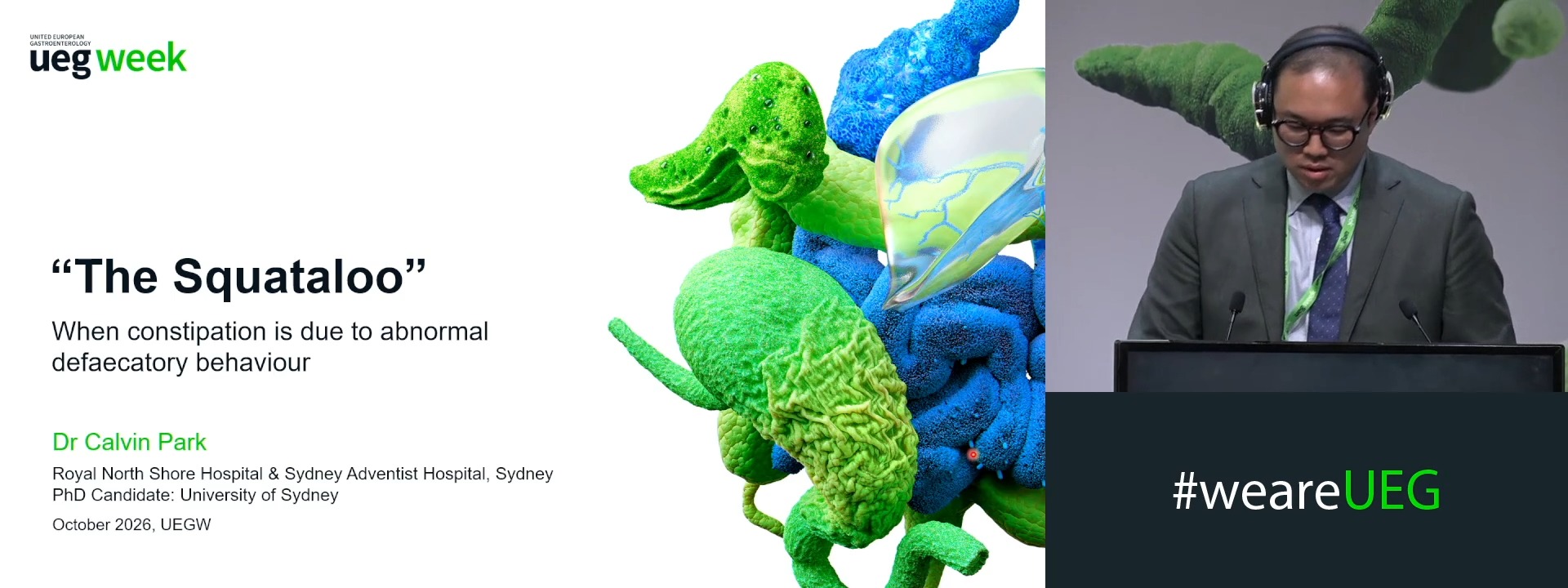
Summary: What happened to the patient?
Affiliations
1 Royal North Shore Hospital, Sydney, Australia
Log in to continue.
This content is part of Gutflix. Log in with your myUEG account, or create one free, to watch it.
Not sure what you can access? Learn more about account types.
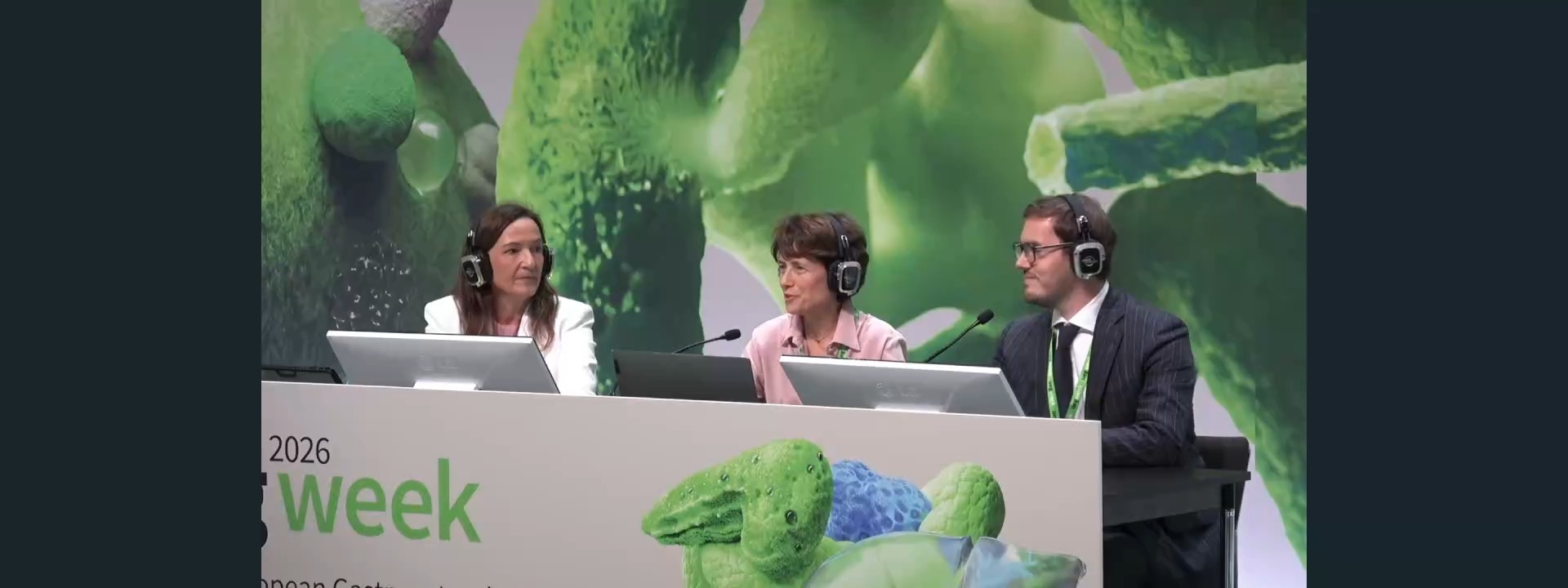
Introduction: Chronic constipation: How to diagnose and treat this frequent condition in clinical practice
Affiliations
1 University of Nottingham, Nottingham, United Kingdom