UEG's content platform for gastroenterology education bringing recordings, courses, guidelines, and more together in one place.
Trending on Gutflix
Rate for better recommendations!
Your feedback helps us show you more of what you like and less of what you dislike!
Log in to continue.
This content is part of Gutflix. Log in with your myUEG account, or create one free, to watch it.
Not sure what you can access? Learn more about account types.
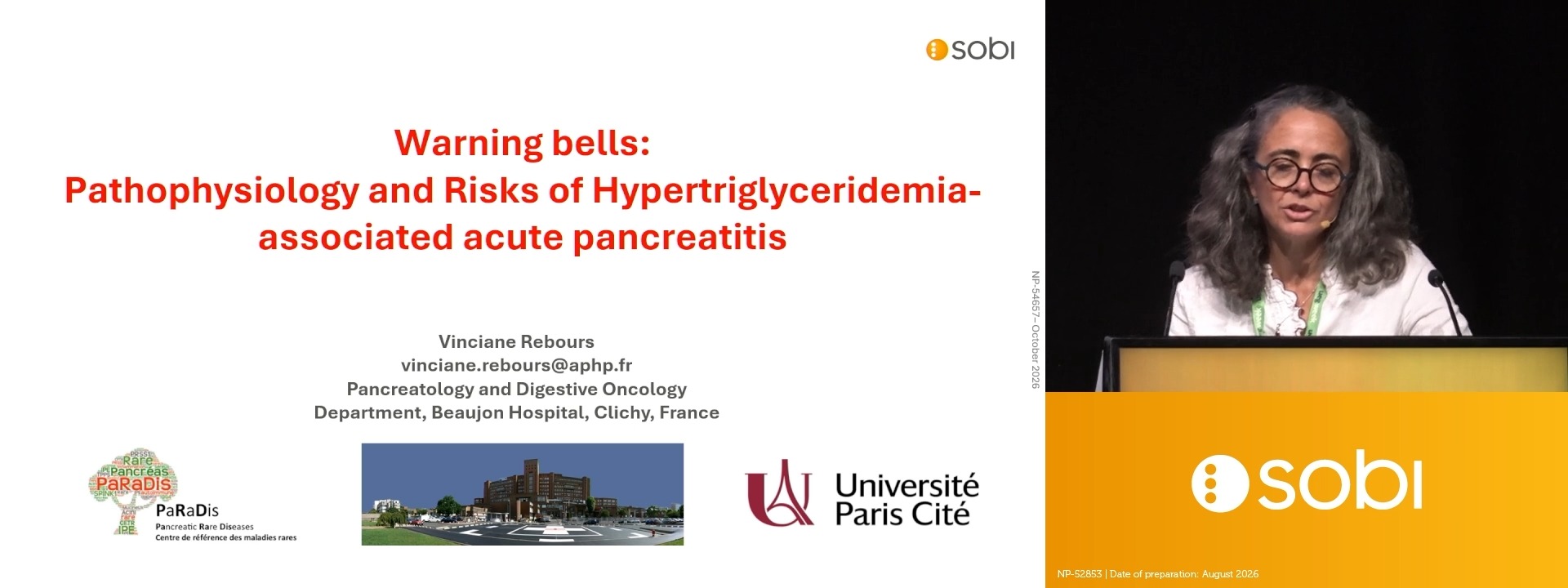
Guiding the care of hypertriglyceridemia-induced acute pancreatitis: Multidisciplinary care and the role of new therapies through apoC-III inhibition (Sobi (Swedish Orphan Biovitrum)) (Complete Session)
Affiliations
1 Hopital Beaujon, Clichy, France
2 San Raffaele Scientific Institute Irccs, Rome, Italy
3 Clínic Barcelona, Barcelona, Spain
Log in to continue.
This content is part of Gutflix. Log in with your myUEG account, or create one free, to watch it.
Not sure what you can access? Learn more about account types.
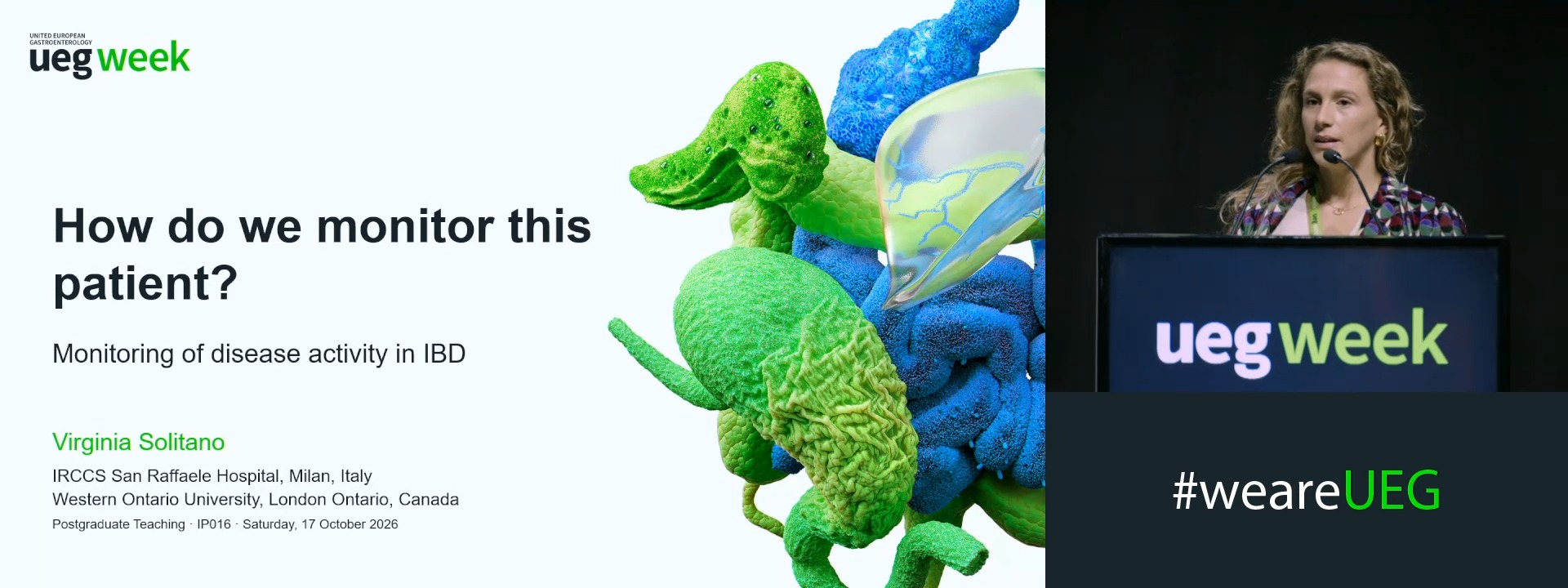
How do we monitor this patient?
Affiliations
1 IRCCS Ospedale San Raffaele, Milan, Italy
Log in to continue.
This content is part of Gutflix. Log in with your myUEG account, or create one free, to watch it.
Not sure what you can access? Learn more about account types.
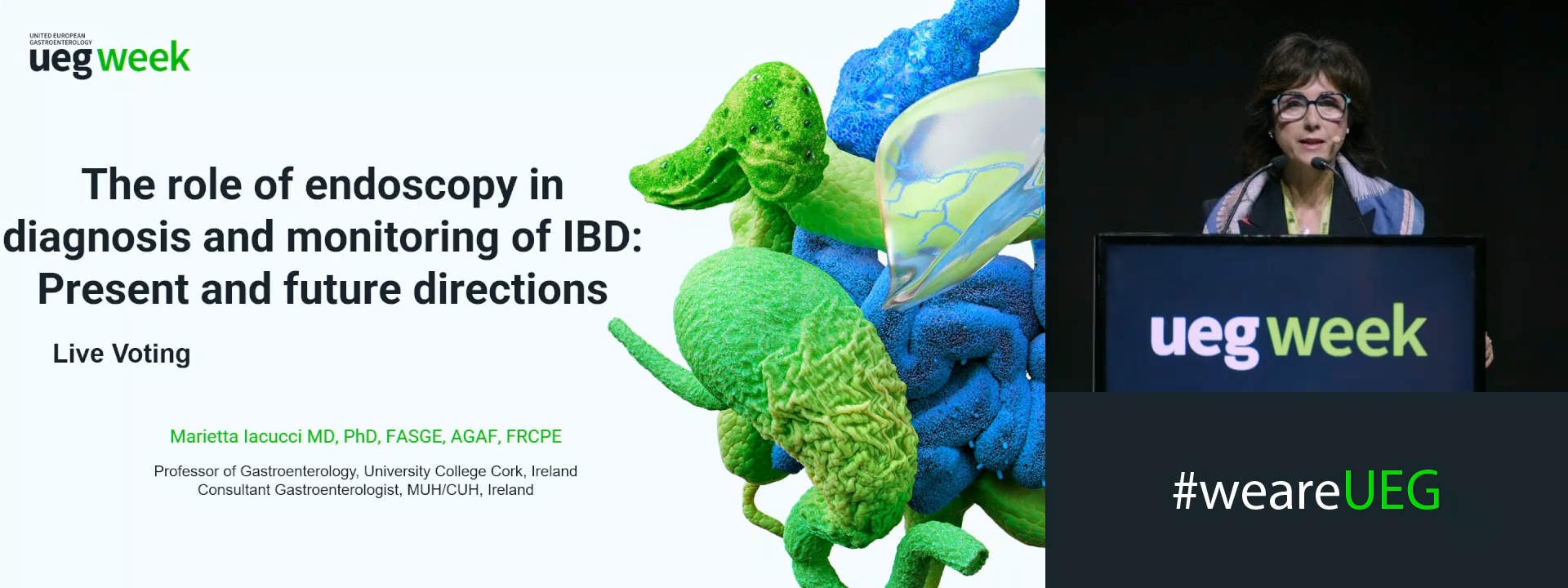
The role of endoscopy in diagnosis and monitoring of IBD: Present and future directions
Affiliations
1 University College Cork, Cork, Ireland
Log in to continue.
This content is part of Gutflix. Log in with your myUEG account, or create one free, to watch it.
Not sure what you can access? Learn more about account types.
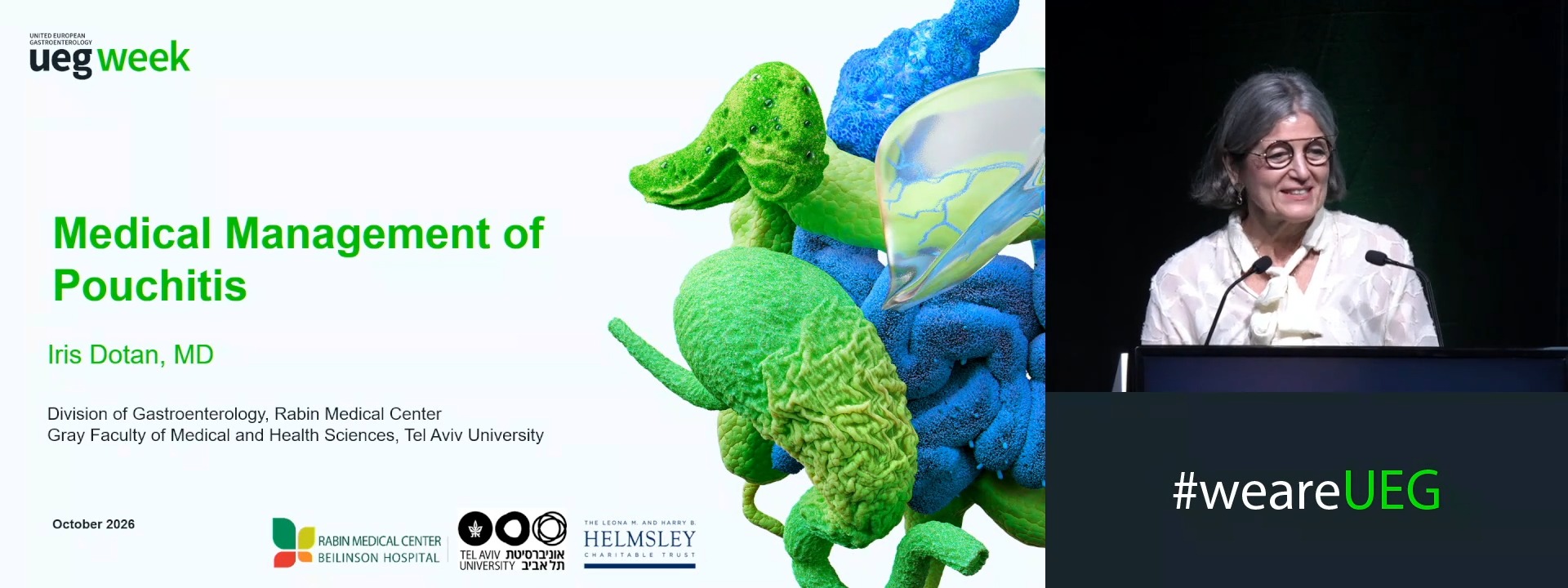
Medical management of pouchitis
Affiliations
1 Rabin Medical Center, Petah Tikva, Israel
Log in to continue.
This content is part of Gutflix. Log in with your myUEG account, or create one free, to watch it.
Not sure what you can access? Learn more about account types.
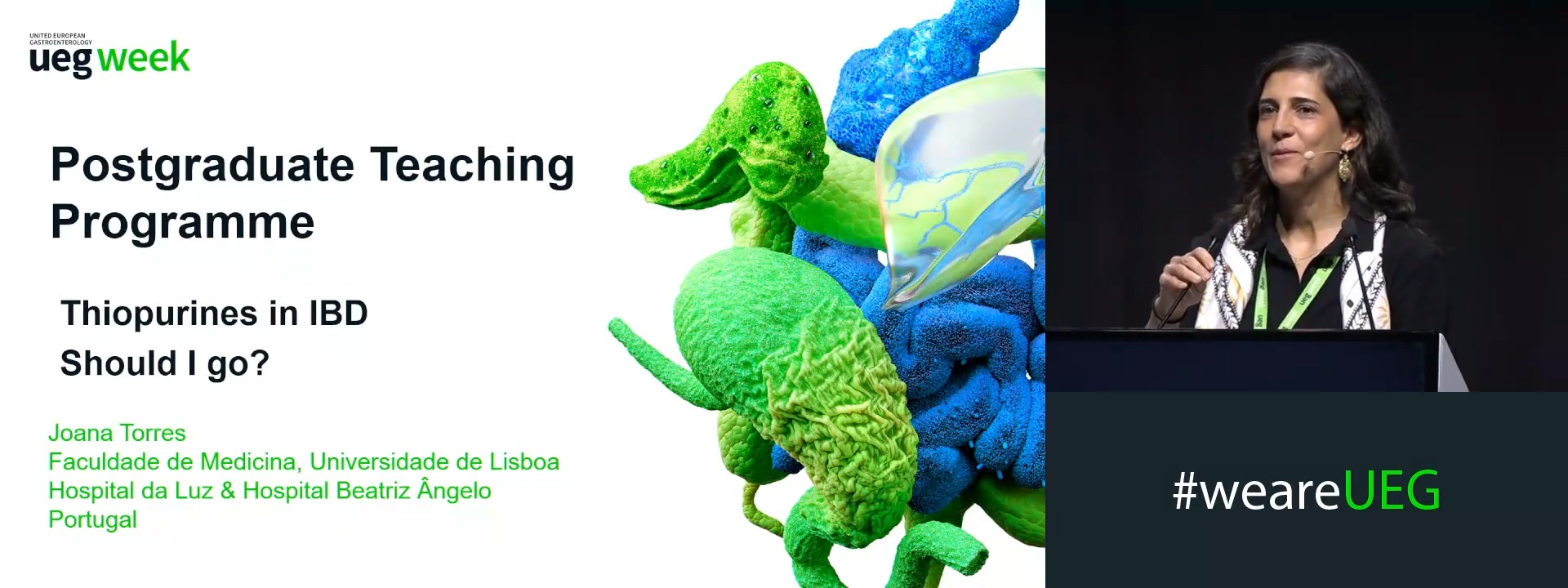
Current role for thiopurines in the management of IBD: Should I go?
Affiliations
1 Hospital Beatriz Ângelo & Hospital da Luz, Lisbon, Portugal