UEG's educational platform for gastroenterology education bringing recordings, courses, guidelines, and more together in one place.
Trending on Gutflix
Rate for better recommendations!
Your feedback helps us show you more of what you like and less of what you dislike!
Log in to continue.
This content is part of Gutflix. Log in with your myUEG account, or create one free, to watch it.
Not sure what you can access? Learn more about account types.
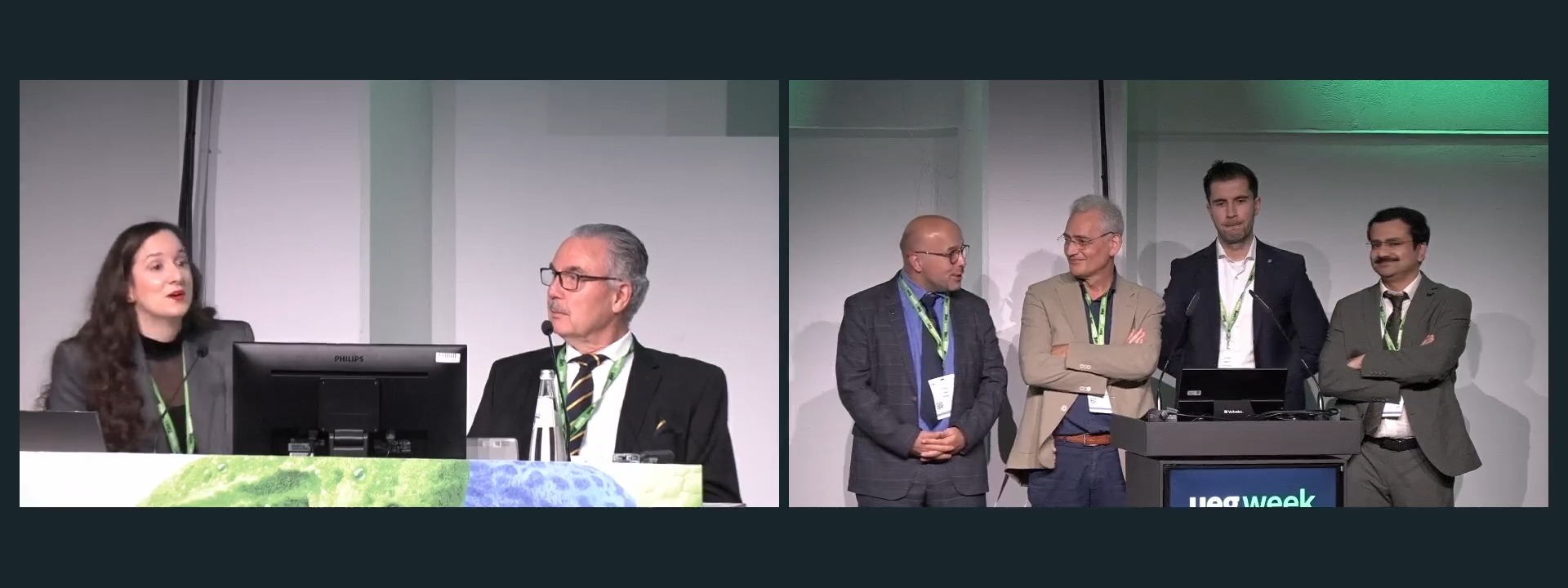
Panel discussion: Acute severe pancreatitis
Affiliations
1 Eramus University Medical Centre, Rotterdam, Netherlands
2 University Medical Center Goettingen, Goettingen, Germany
3 University of Pecs, Pecs, Hungary
4 Post Graduate Institute of Medical Education and Research, Chandigarh, Kolkata, India
Log in to continue.
This content is part of Gutflix. Log in with your myUEG account, or create one free, to watch it.
Not sure what you can access? Learn more about account types.
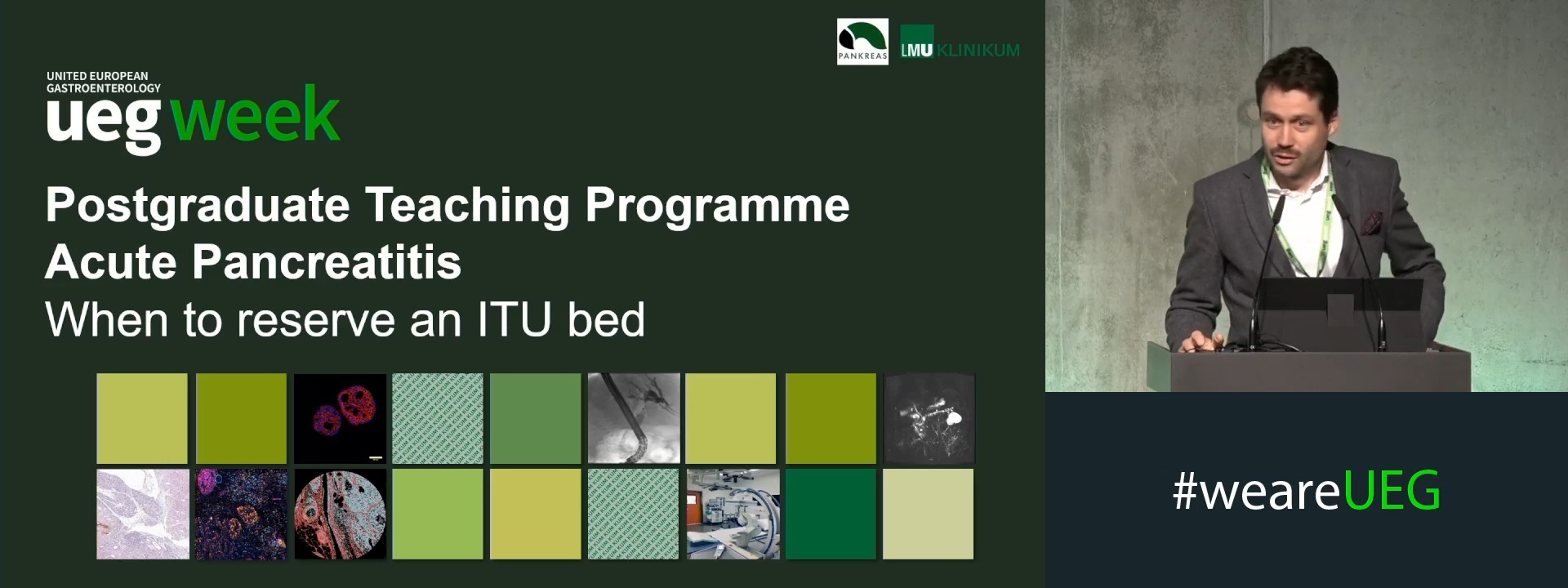
Acute pancreatitis: When to reserve an ITU bed?
Affiliations
1 University Hospital LMU Munich, München, Germany
Log in to continue.
This content is part of Gutflix. Log in with your myUEG account, or create one free, to watch it.
Not sure what you can access? Learn more about account types.
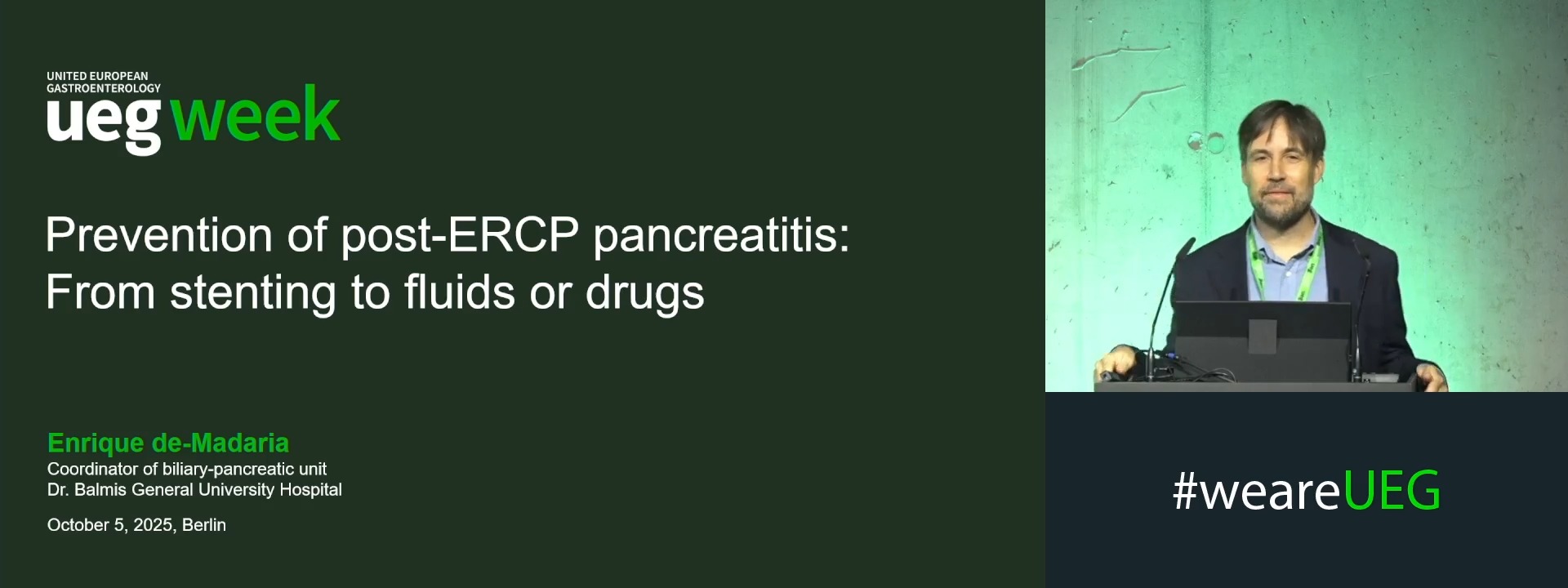
Prevention of post-ERCP pancreatitis: From stenting to fluids or drugs
Affiliations
1 Hospital General Universitario Dr. Balmis-ISABIAL, Alicante, Spain
Log in to continue.
This content is part of Gutflix. Log in with your myUEG account, or create one free, to watch it.
Not sure what you can access? Learn more about account types.
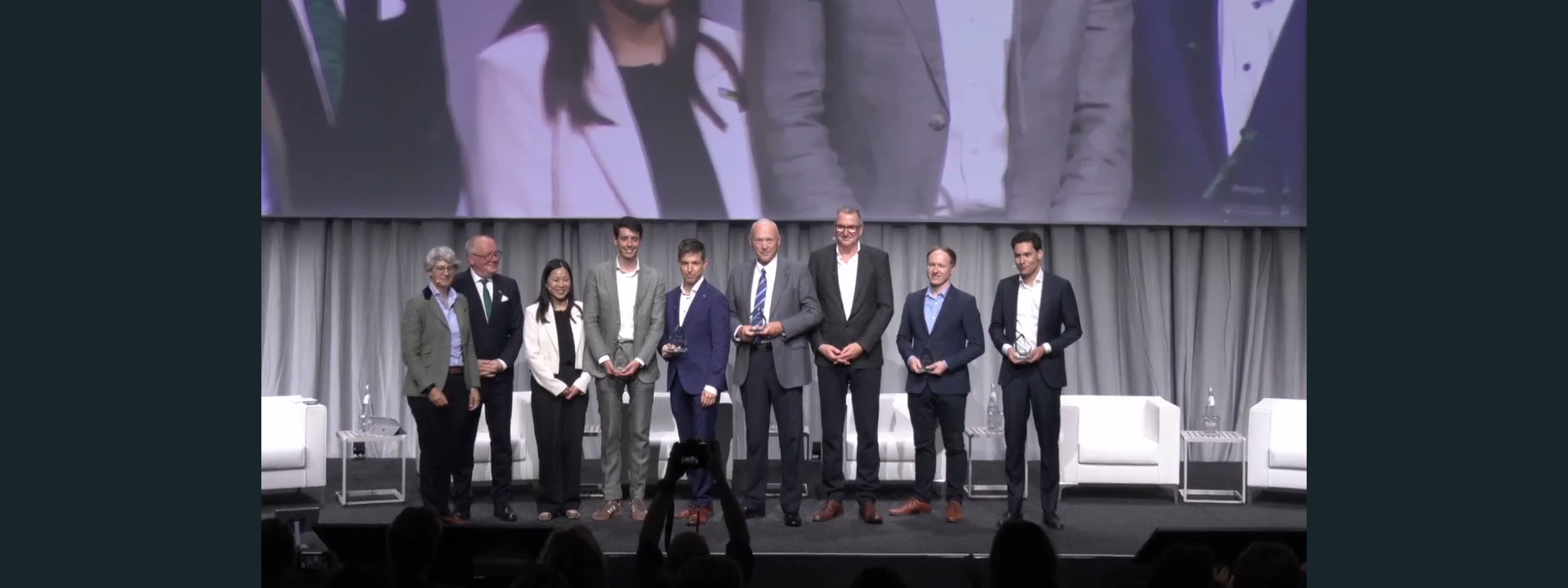
UEG Week 2025: Top Abstract Awards
Log in to continue.
This content is part of Gutflix. Log in with your myUEG account, or create one free, to watch it.
Not sure what you can access? Learn more about account types.
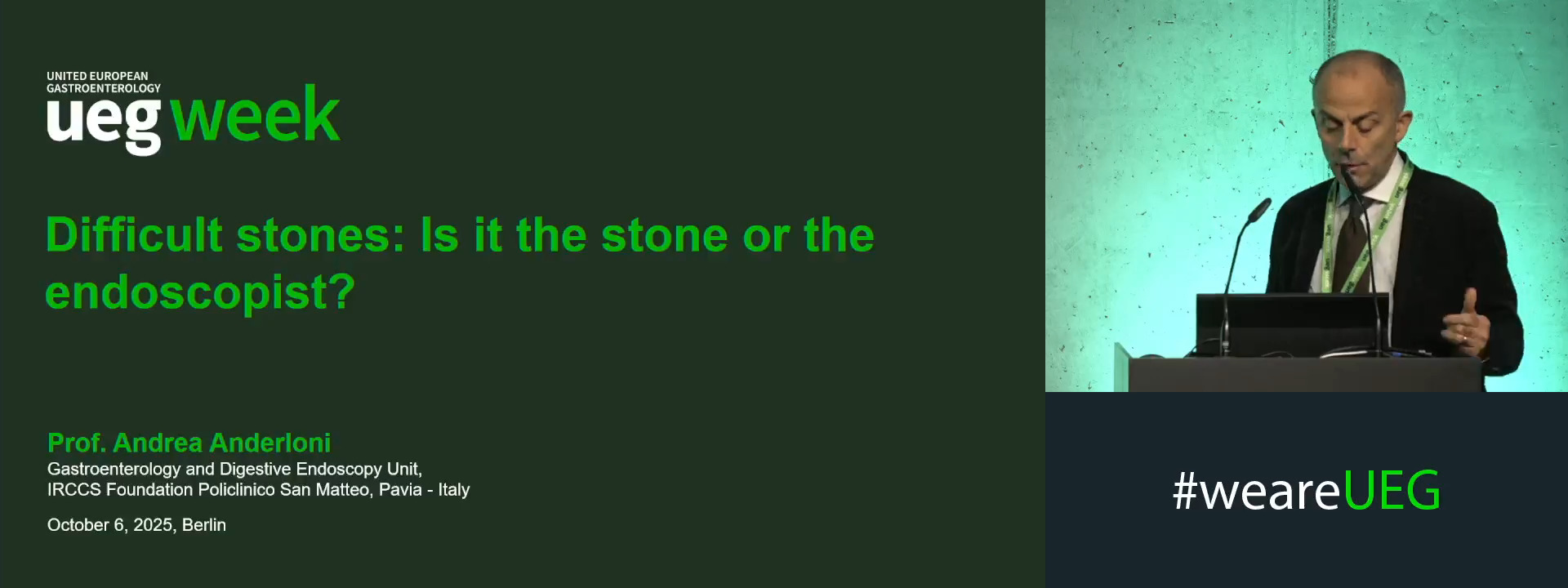
Difficult stones: Is it the stone or the endoscopist?
Affiliations
1 San Matteo Hospital, Pavia, Italy
Log in to continue.
This content is part of Gutflix. Log in with your myUEG account, or create one free, to watch it.
Not sure what you can access? Learn more about account types.
Panel discussion: Autoimmune disease of liver and bile ducts
Log in to continue.
This content is part of Gutflix. Log in with your myUEG account, or create one free, to watch it.
Not sure what you can access? Learn more about account types.
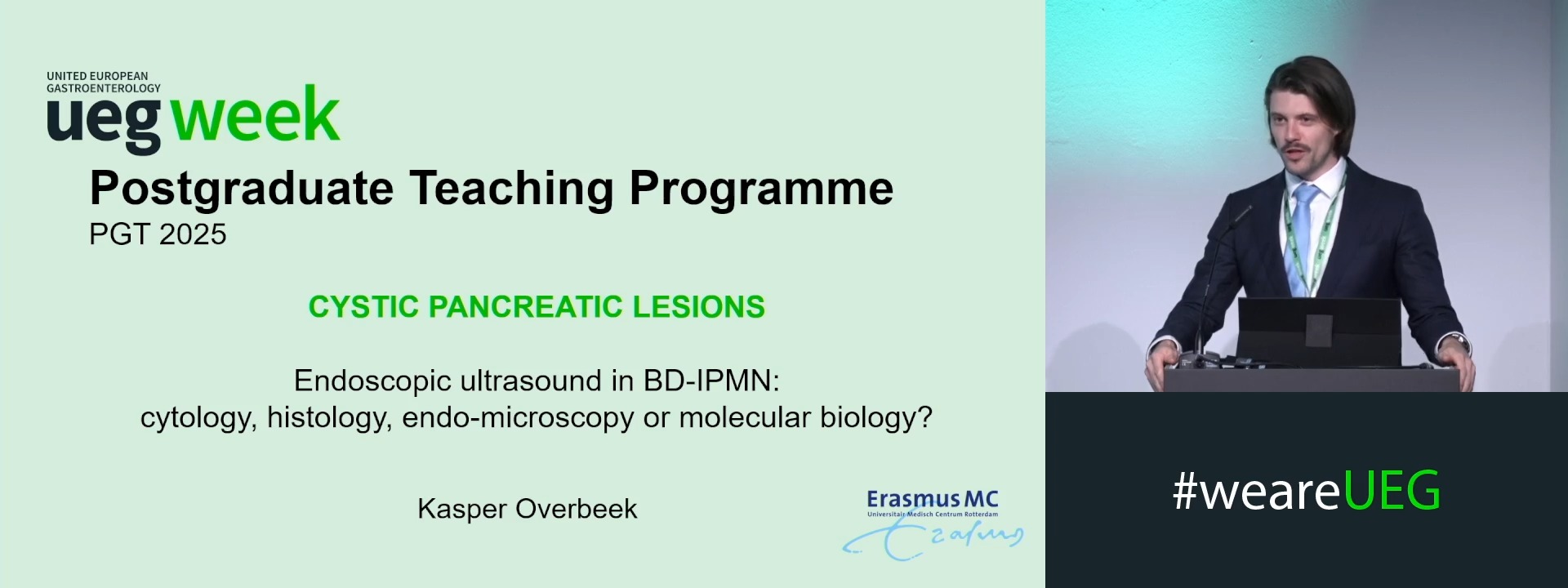
Endoscopic ultrasound in BD-IPMN: Cytology, histology, endo-microscopy or molecular biology?
Affiliations
1 Erasmus MC Cancer Institute, University Medical Center, Rotterdam, Netherlands