UEG's content platform for gastroenterology education bringing recordings, courses, guidelines, and more together in one place.
Trending on Gutflix
Rate for better recommendations!
Your feedback helps us show you more of what you like and less of what you dislike!

Log in to continue.
This content is part of Gutflix. Log in with your myUEG account, or create one free, to watch it.
Not sure what you can access? Learn more about account types.
Q&A: Comparative discussion: Choosing the right tool for the right patient
Log in to continue.
This content is part of Gutflix. Log in with your myUEG account, or create one free, to watch it.
Not sure what you can access? Learn more about account types.
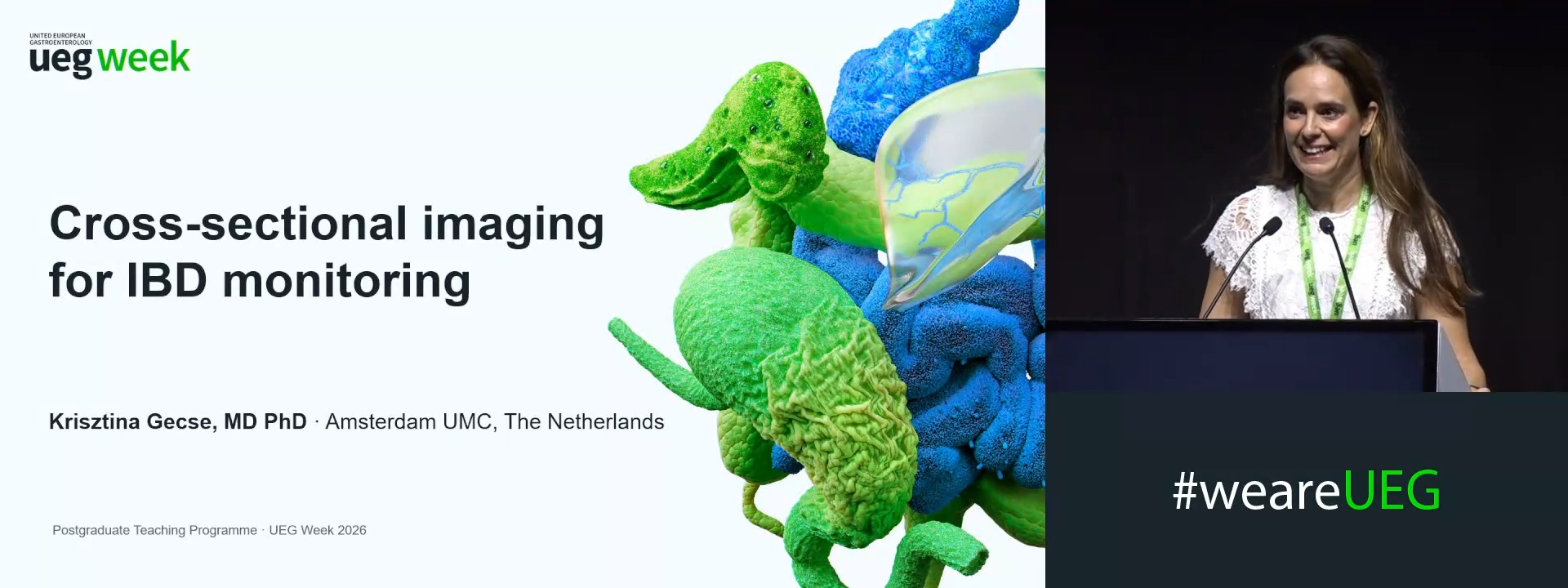
Cross-sectional imaging for IBD monitoring
Affiliations
1 Department of Gastroenterology and Hepatology, Amsterdam, Netherlands
Log in to continue.
This content is part of Gutflix. Log in with your myUEG account, or create one free, to watch it.
Not sure what you can access? Learn more about account types.
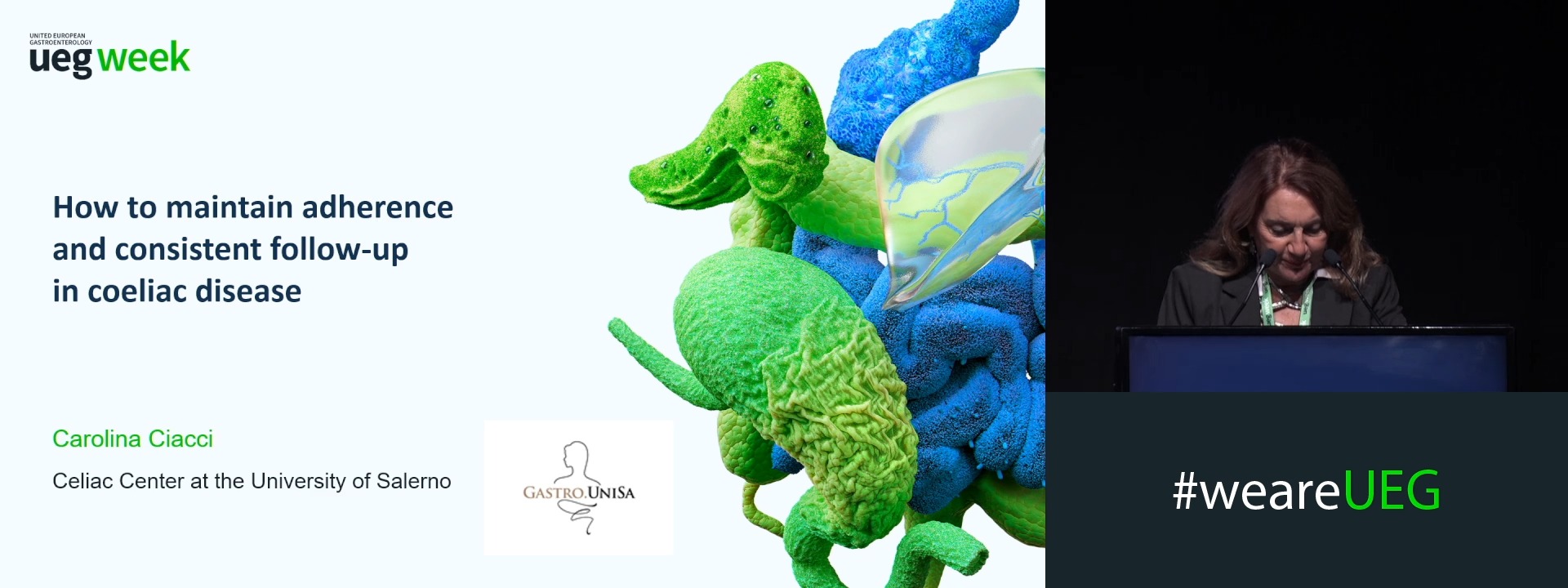
How to maintain adherence and consistent follow-up in coeliac disease
Affiliations
1 University of Salerno, Salerno, Italy
Log in to continue.
This content is part of Gutflix. Log in with your myUEG account, or create one free, to watch it.
Not sure what you can access? Learn more about account types.
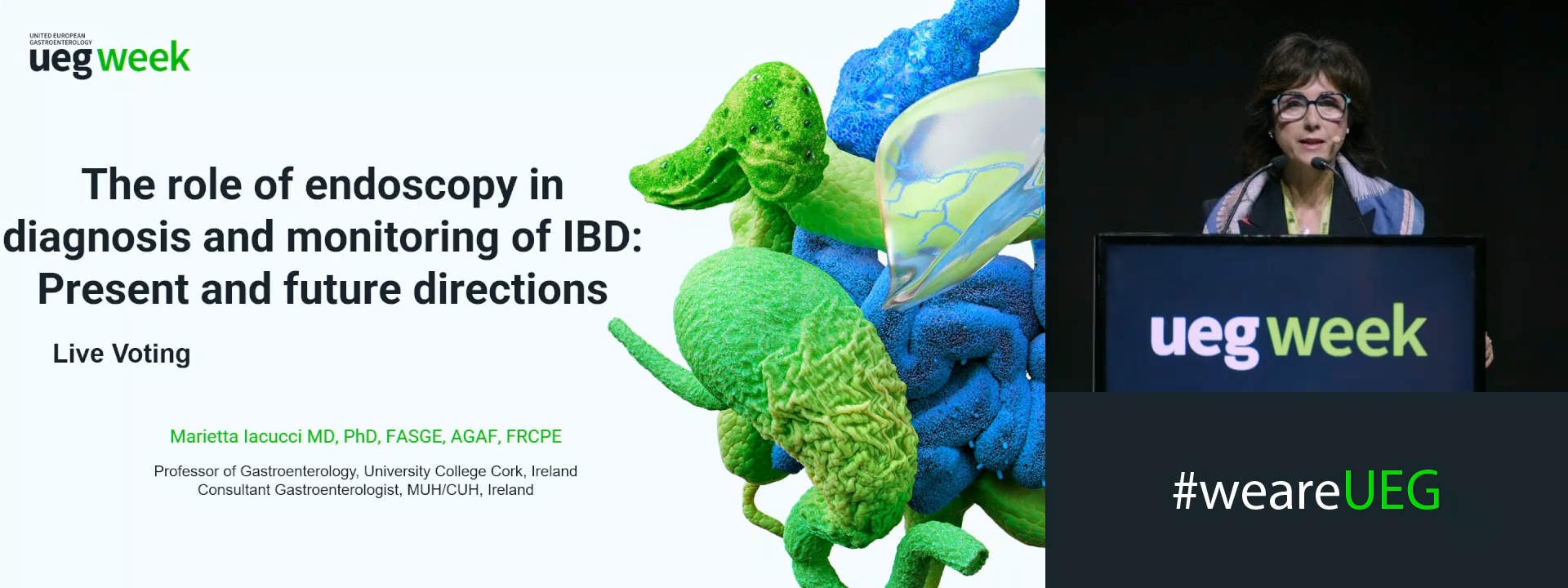
The role of endoscopy in diagnosis and monitoring of IBD: Present and future directions
Affiliations
1 University College Cork, Cork, Ireland