UEG's educational platform for gastroenterology education bringing recordings, courses, guidelines, and more together in one place.
Most popular content
Rate for better recommendations!
Your feedback helps us show you more of what you like and less of what you dislike!
Log in to access this content.
Free for all myUEG account holders. Your access level is set automatically based on your occupation. Medical professionals get full access to all content. If you are a non-medical user, you can only access UEG Week content from congresses you attended.
Not sure what you can access? Learn more about account types.

APPROPRIATENESS OF LOWER GASTROINTESTINAL ENDOSCOPY IN PATIENTS WITH INFLAMMATORY BOWEL DISEASE (IBD) AT A TERTIARY REFERRAL CENTER
Elena Del Zanna 1, Giovanni Cataletti 2, Giovanni Maconi 3, Francesca Ferretti 2, Alessandro Massari 2, Daniele Gridavilla 2, Alessandra Dell'Era 3, Anna Maria Carvalhas Gabrielli 2, Valentina Salviti 1, Rosanna Cannatelli 2
1 Università degli Studi di Milano, Milano, Italy
2 Gastroenterology Unit, ASST Fatebenefratelli-Sacco, Department of Biomedical and Clinical Sciences L. Sacco University Hospital, University of Milan, Milan, Italy
3 Università degli Studi di Milano, Milano, Italy|||Gastroenterology Unit, ASST Fatebenefratelli-Sacco, Department of Biomedical and Clinical Sciences L. Sacco University Hospital, University of Milan, Milan, Italy
Conference
Topics
Submission format
Citation
Published
Log in to access this content.
Free for all myUEG account holders. Your access level is set automatically based on your occupation. Medical professionals get full access to all content. If you are a non-medical user, you can only access UEG Week content from congresses you attended.
Not sure what you can access? Learn more about account types.
Log in to access this content.
Free for all myUEG account holders. Your access level is set automatically based on your occupation. Medical professionals get full access to all content. If you are a non-medical user, you can only access UEG Week content from congresses you attended.
Not sure what you can access? Learn more about account types.
Pancreatic cystic neoplasms with Marco del Chiaro
Topics
Published
Log in to access this content.
Free for all myUEG account holders. Your access level is set automatically based on your occupation. Medical professionals get full access to all content. If you are a non-medical user, you can only access UEG Week content from congresses you attended.
Not sure what you can access? Learn more about account types.
Episode 6: UEG Journal October Spotlight
Topics
Published
Log in to access this content.
Free for all myUEG account holders. Your access level is set automatically based on your occupation. Medical professionals get full access to all content. If you are a non-medical user, you can only access UEG Week content from congresses you attended.
Not sure what you can access? Learn more about account types.
Log in to access this content.
Free for all myUEG account holders. Your access level is set automatically based on your occupation. Medical professionals get full access to all content. If you are a non-medical user, you can only access UEG Week content from congresses you attended.
Not sure what you can access? Learn more about account types.
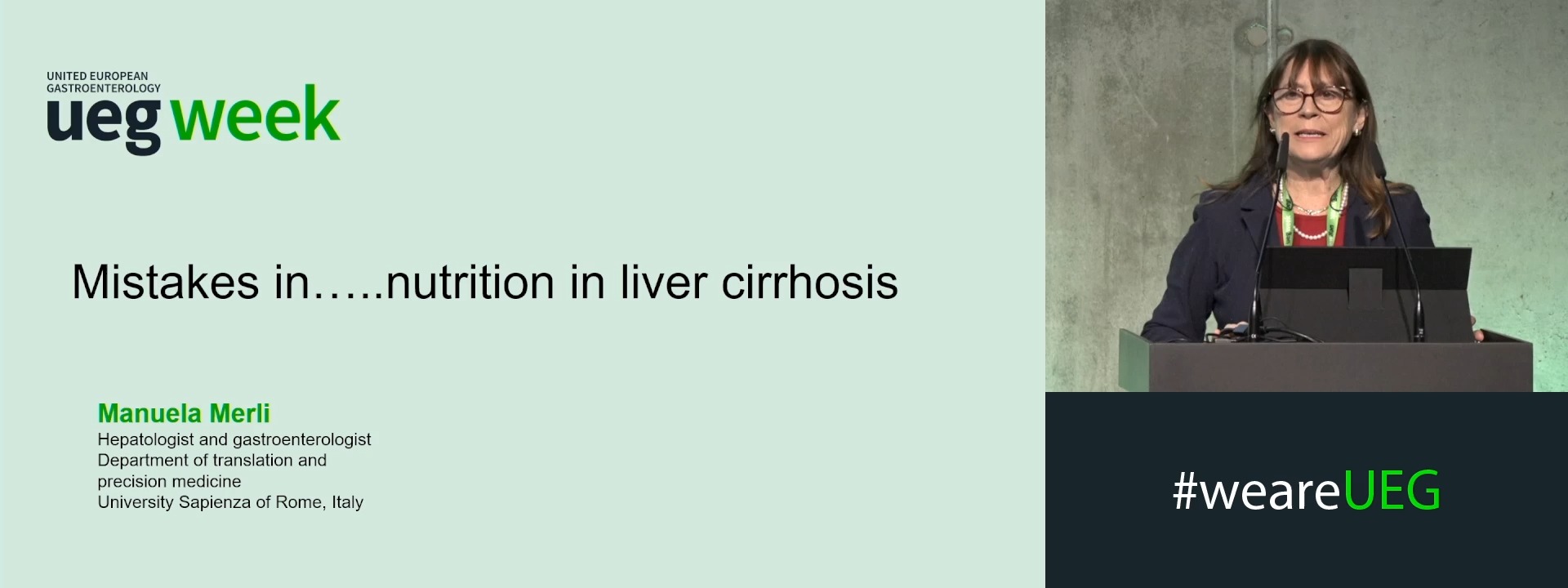
Nutrition in chronic liver disease
1 Sapienza University of Rome, Rome, Italy
Event
Citation
Published
Log in to access this content.
Free for all myUEG account holders. Your access level is set automatically based on your occupation. Medical professionals get full access to all content. If you are a non-medical user, you can only access UEG Week content from congresses you attended.
Not sure what you can access? Learn more about account types.
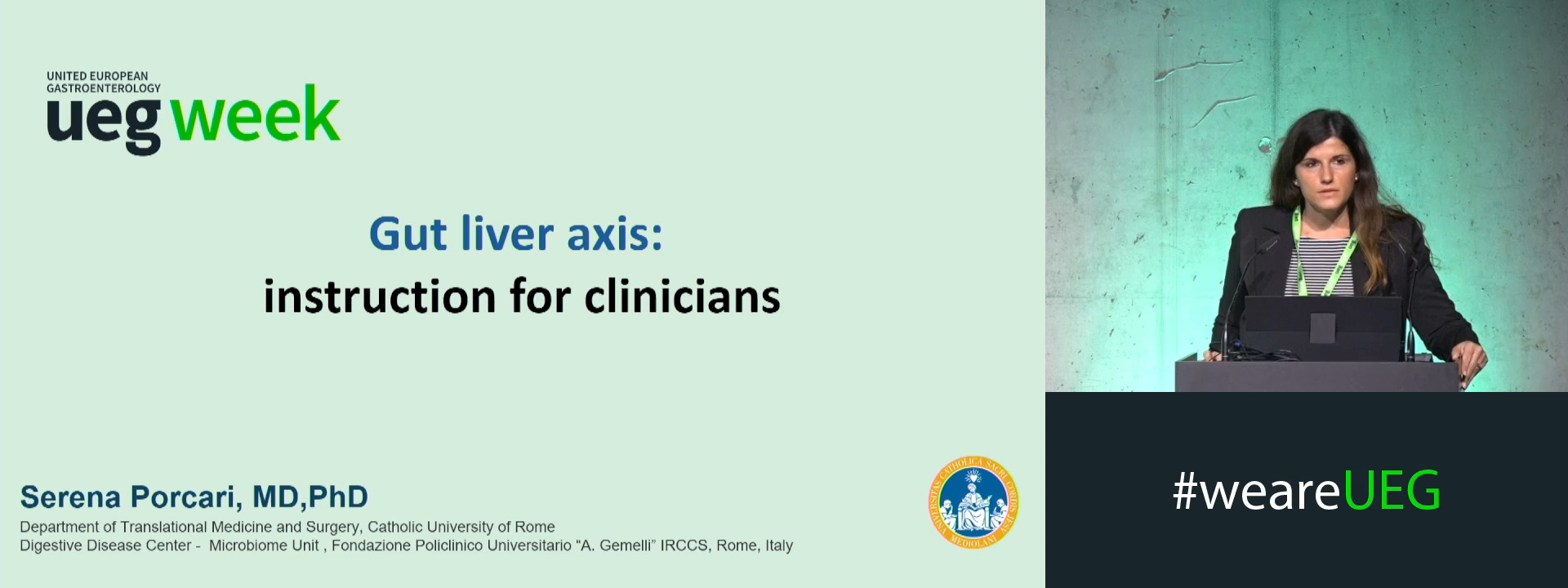
Microbiome: Implications for clinicians - gut-liver and gut-pancreas axis
1 Universitätsklinikum Göttingen, Hamburg, Germany
2 Fondazione Policlinico Universitario 'A.Gemelli' - IRCCS, MONTEROTONDO - ROME, Italy