UEG's content platform for gastroenterology education bringing recordings, courses, guidelines, and more together in one place.
Trending on Gutflix
Rate for better recommendations!
Your feedback helps us show you more of what you like and less of what you dislike!
Log in to continue.
This content is part of Gutflix. Log in with your myUEG account, or create one free, to watch it.
Not sure what you can access? Learn more about account types.
Panel discussion: Monitoring of disease activity in IBD
Log in to continue.
This content is part of Gutflix. Log in with your myUEG account, or create one free, to watch it.
Not sure what you can access? Learn more about account types.
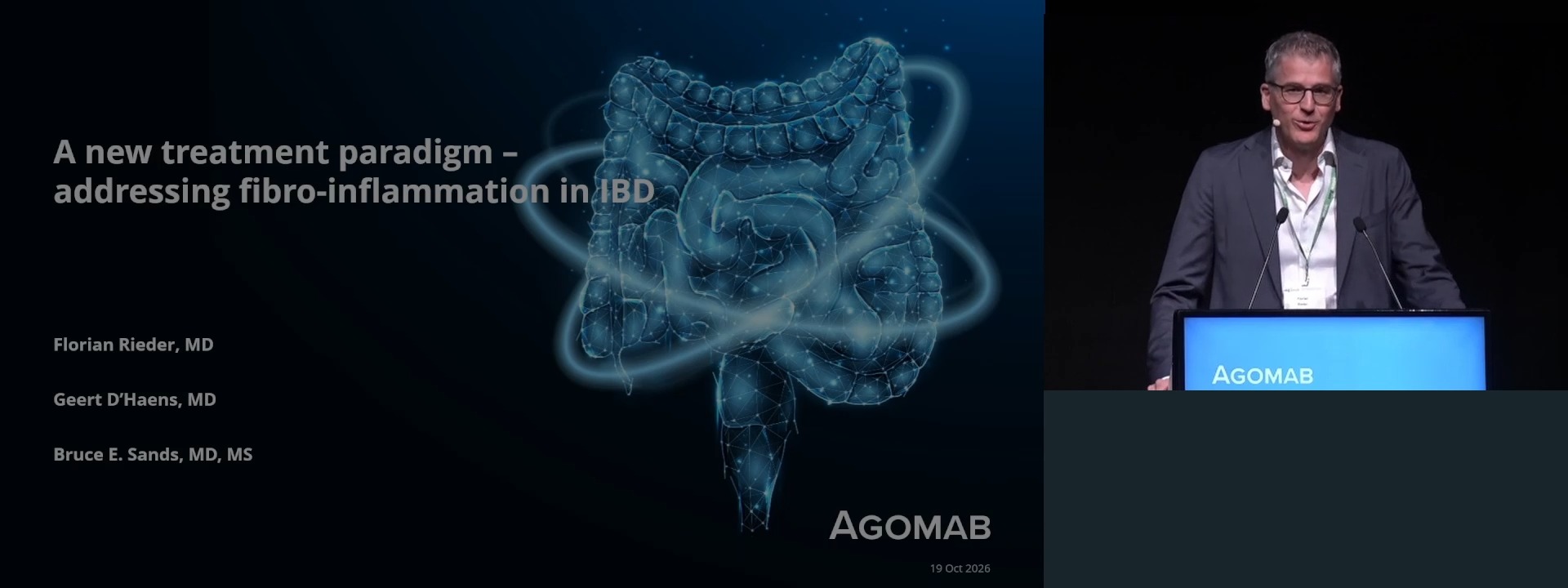
A new treatment paradigm – addressing fibro-inflammation in IBD (Agomab) (Complete Session)
Affiliations
1 Icahn School of Medicine at Mount Sinai, New York, United States of America
2 Cleveland Clinic Foundation, Cleveland, United States of America
3 AMC Amsterdam Inflammatory Bowel Disease Centre - Academic Medical Center, AMC Amsterdam Inflammator, Amsterdam, Netherlands
Log in to continue.
This content is part of Gutflix. Log in with your myUEG account, or create one free, to watch it.
Not sure what you can access? Learn more about account types.
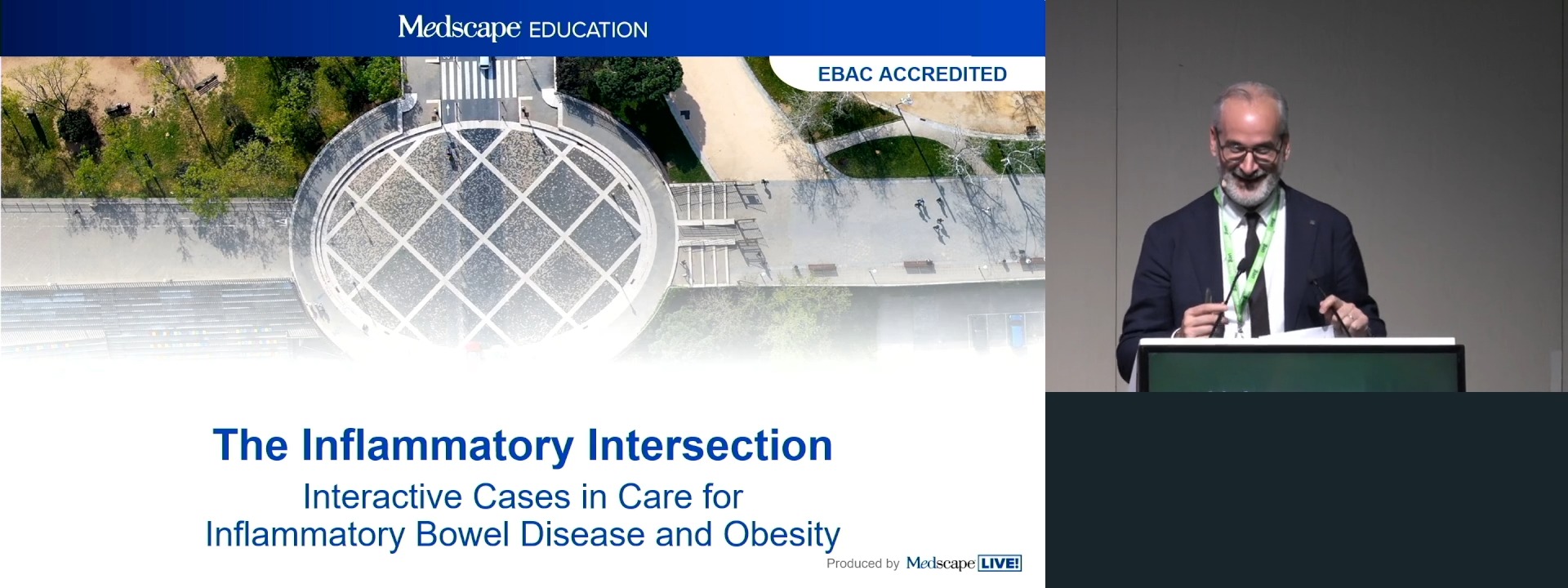
The Inflammatory Intersection: Interactive Cases in Care for IBD and Obesity (Medscape Education Global) (Complete Session)
Affiliations
1 Northwestern Medicine Digestive Health Center, Chicago, United States of America
2 Department of Internal Medicine I, University Hospital Schleswig-Holstein, Kiel University, Kiel, Germany
3 Johns Hopkins University School of Medicine, Baltimore, United States of America
Log in to continue.
This content is part of Gutflix. Log in with your myUEG account, or create one free, to watch it.
Not sure what you can access? Learn more about account types.
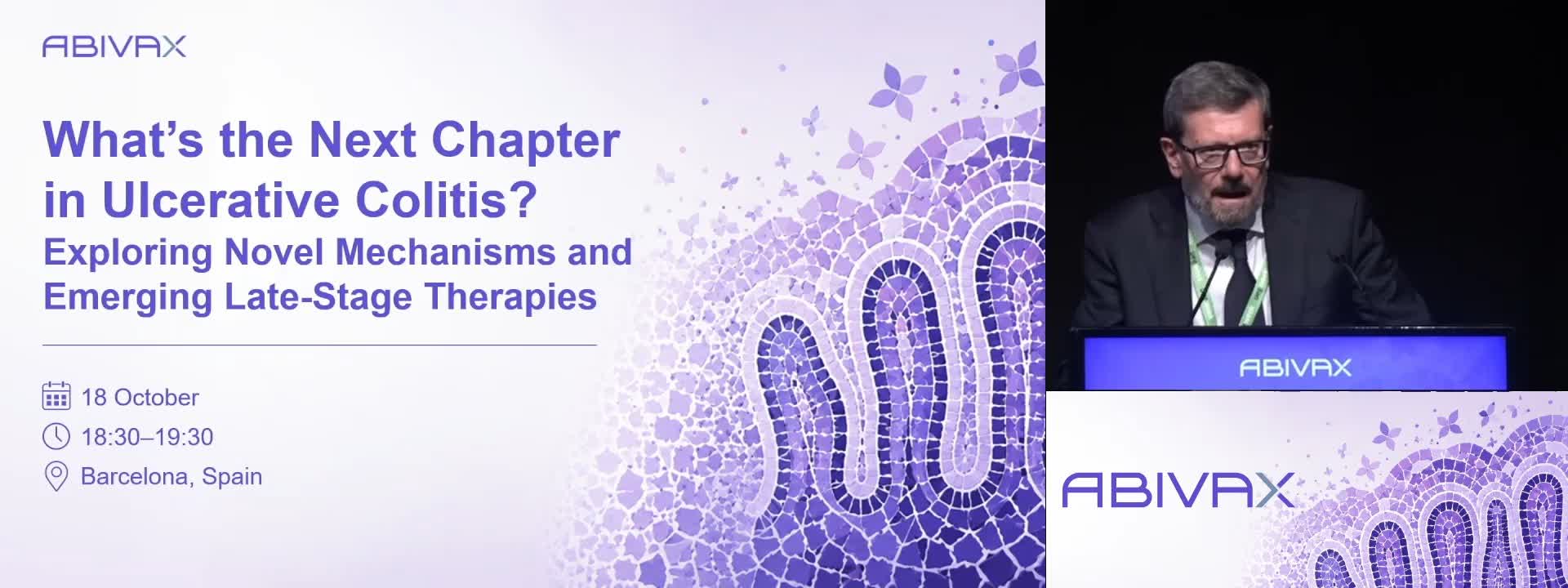
What’s the Next Chapter in Ulcerative Colitis? Exploring Novel Mechanisms and Emerging Late-Stage Therapies (Abivax) (Complete Session)
Affiliations
1 University of Calgary, Calgary, Canada
2 IBD Center, IRCCS Humanitas Research Hospital, Rozzano, Milan, Italy
3 Friedrich-Alexander-Universität Erlangen-Nürnberg, Erlangen, Germany
Log in to continue.
This content is part of Gutflix. Log in with your myUEG account, or create one free, to watch it.
Not sure what you can access? Learn more about account types.
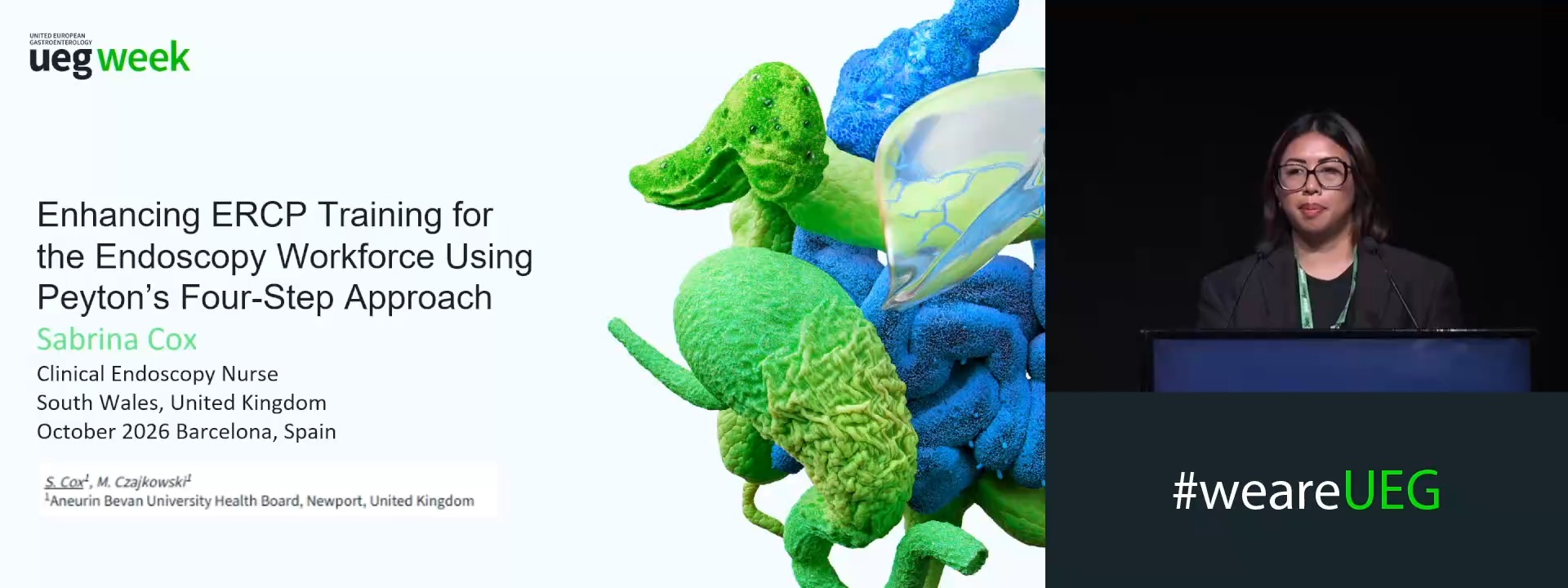
ENHANCING ERCP TRAINING FOR THE ENDOSCOPY WORKFORCE USING PEYTON’S FOUR-STEP APPROACH
Affiliations
1 Aneurin Bevan University Health Board, Newport, United Kingdom
Log in to continue.
This content is part of Gutflix. Log in with your myUEG account, or create one free, to watch it.
Not sure what you can access? Learn more about account types.
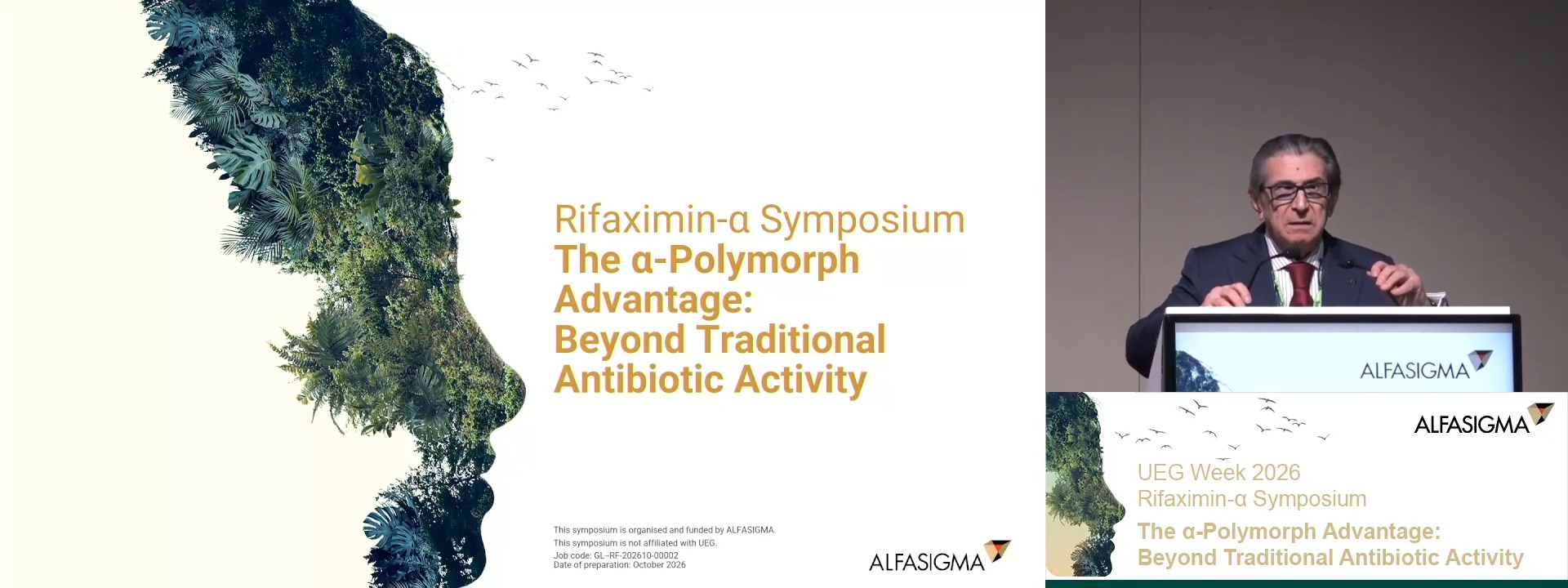
The α‑Polymorph Advantage: Beyond Traditional Antibiotic Activity (ALFASIGMA) (Complete Session)
Affiliations
1 Clinical Pharmacologist & Gastroenterologist, University of Parma, Parma, Italy
2 Hospital da Luz Lisboa, Lisbon, Portugal
3 GI Department, National Medical Institute of the Ministry of the Interior and Administration, Warsaw, Poland
Log in to continue.
This content is part of Gutflix. Log in with your myUEG account, or create one free, to watch it.
Not sure what you can access? Learn more about account types.
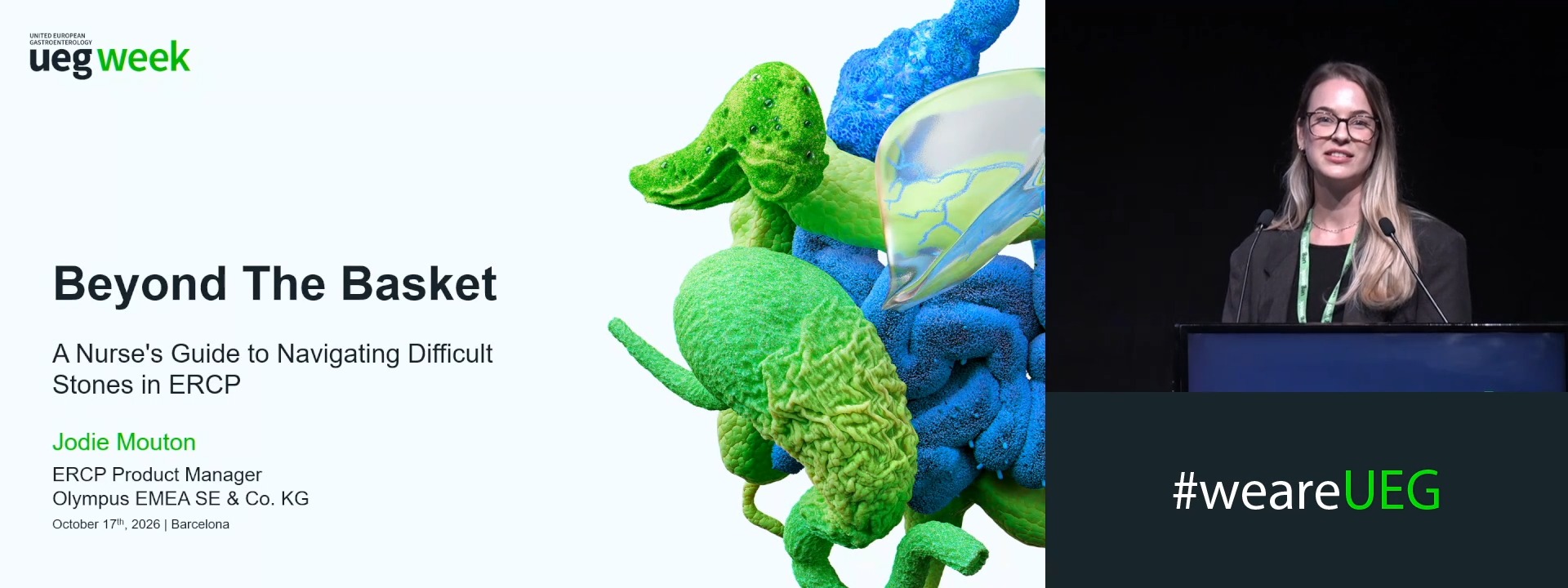
Beyond the basket: A nurse's guide to navigating difficult stones in ERCP (OLYMPUS EUROPA SE & CO. KG )