UEG's content platform for gastroenterology education bringing recordings, courses, guidelines, and more together in one place.
Trending on Gutflix
Rate for better recommendations!
Your feedback helps us show you more of what you like and less of what you dislike!
Log in to continue.
This content is part of Gutflix. Log in with your myUEG account, or create one free, to watch it.
Not sure what you can access? Learn more about account types.
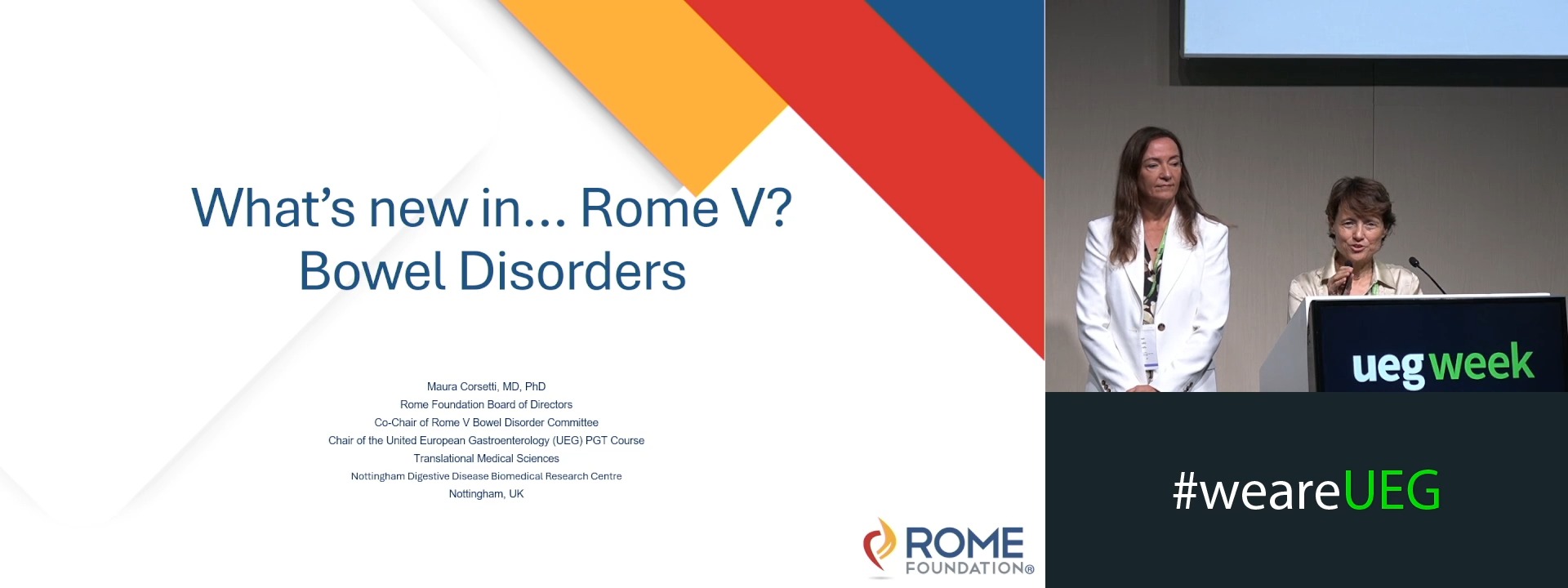
Lower GI disorders
Affiliations
1 University of Nottingham, Nottingham, United Kingdom
Log in to continue.
This content is part of Gutflix. Log in with your myUEG account, or create one free, to watch it.
Not sure what you can access? Learn more about account types.
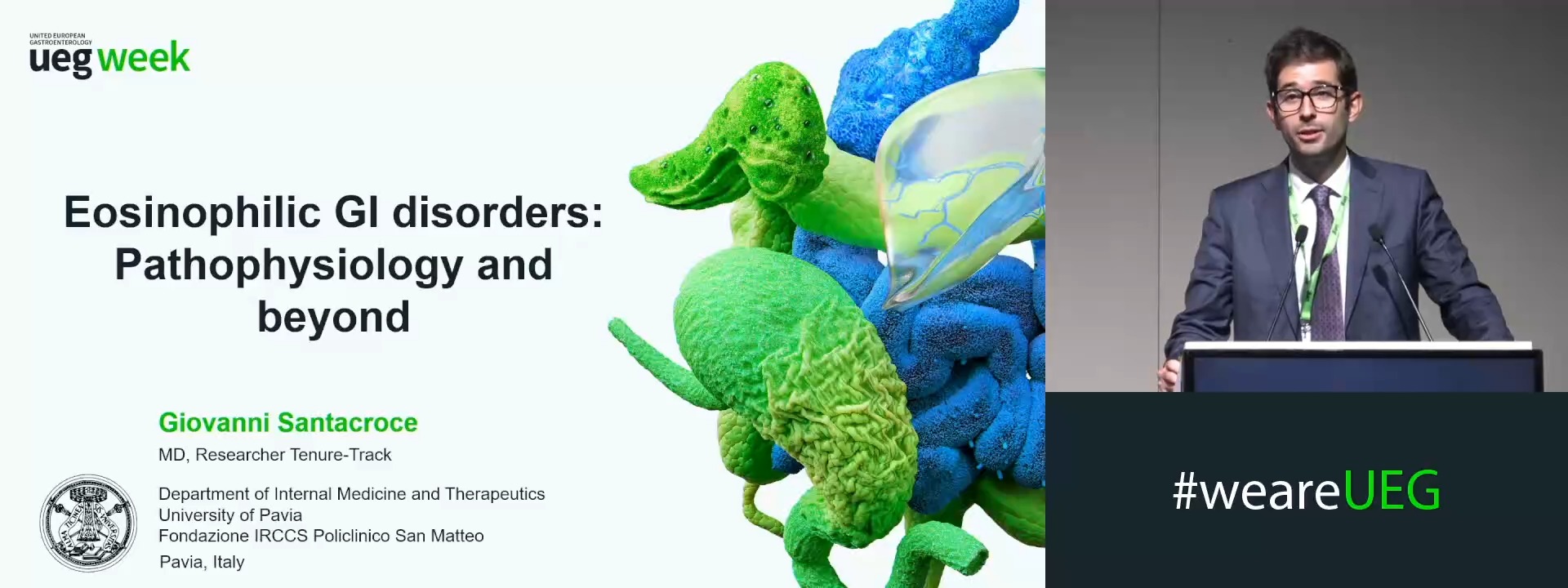
Eosinophilic GI disorders: Pathophysiology and beyond – are drugs for eosinophilia enough?
Affiliations
1 University of Pavia, Pavia, Italy
2 Amsterdam University Medical Center, Amsterdam, Netherlands
Log in to continue.
This content is part of Gutflix. Log in with your myUEG account, or create one free, to watch it.
Not sure what you can access? Learn more about account types.
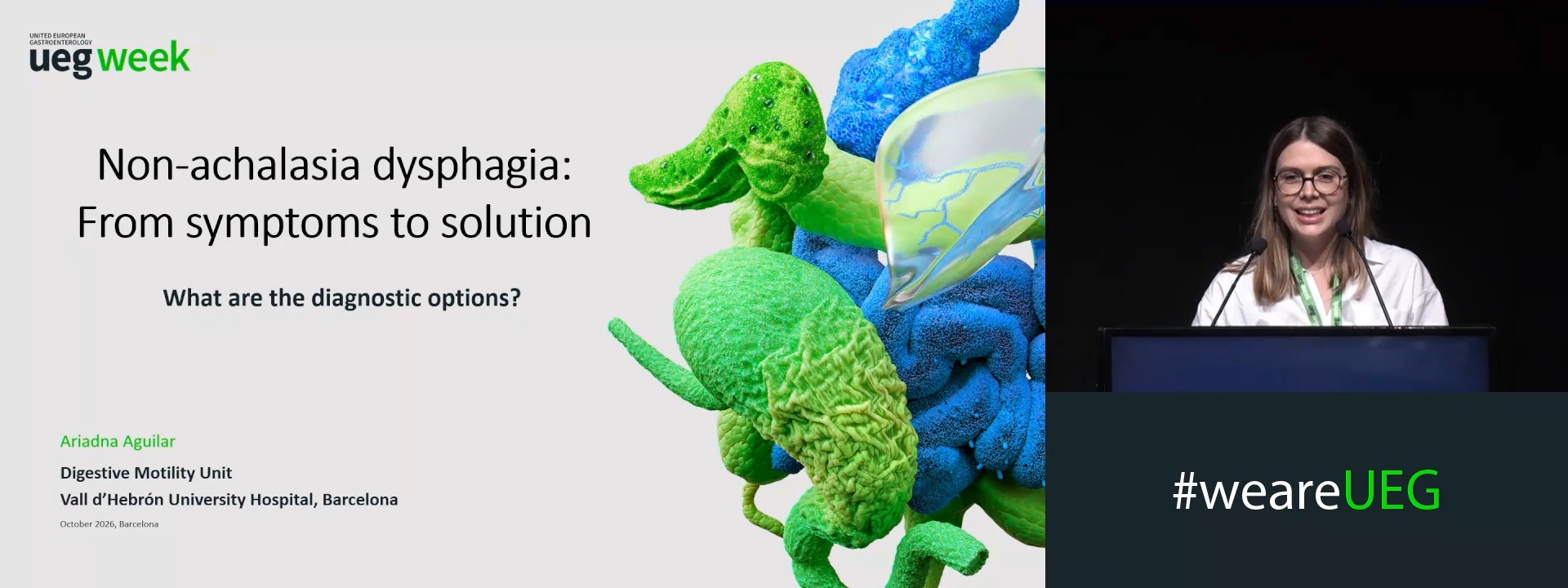
What are the diagnostic options?
Affiliations
1 Hospital Universitari Vall d'Hebrón, Barcelona, Spain
Log in to continue.
This content is part of Gutflix. Log in with your myUEG account, or create one free, to watch it.
Not sure what you can access? Learn more about account types.
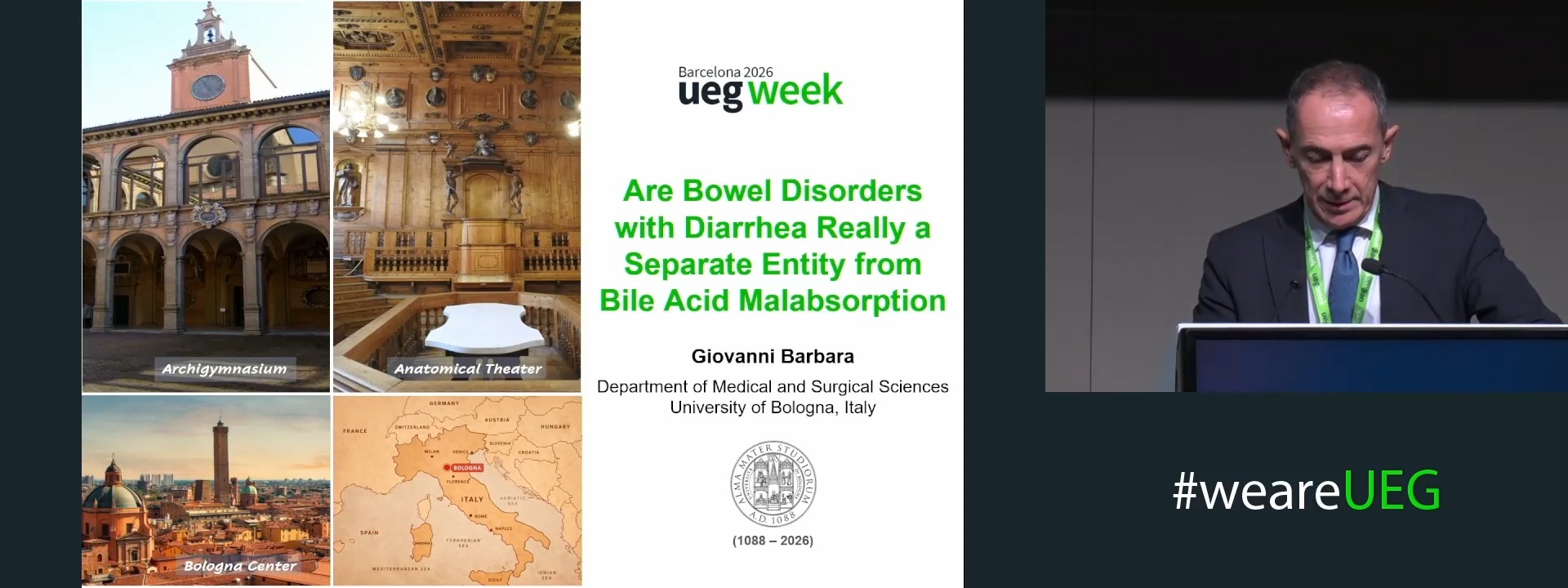
Are bowel disorders with diarrhoea really a separate entity from bile acid malabsorption?
Affiliations
1 University of Bologna, Bologna, Italy
Log in to continue.
This content is part of Gutflix. Log in with your myUEG account, or create one free, to watch it.
Not sure what you can access? Learn more about account types.
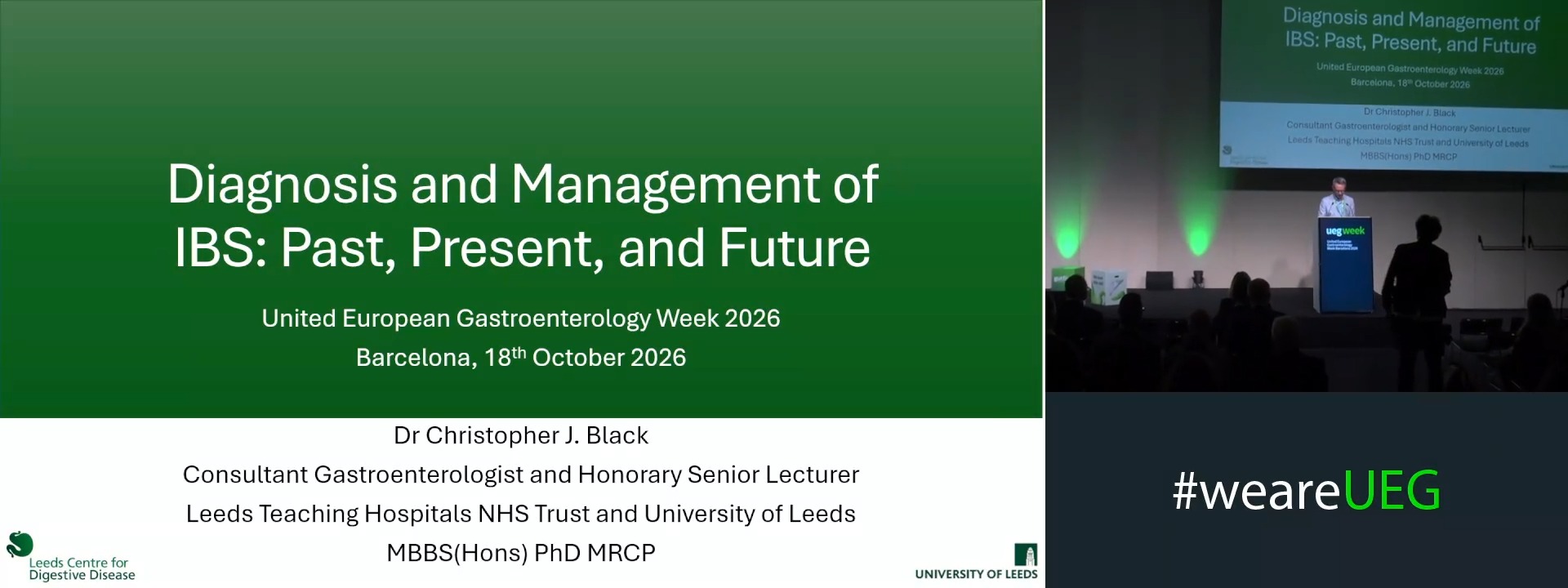
Diagnosis and management of IBS: Past, present and future
Affiliations
1 Leeds Teaching Hospitals NHS Trust, Leeds, United Kingdom
Log in to continue.
This content is part of Gutflix. Log in with your myUEG account, or create one free, to watch it.
Not sure what you can access? Learn more about account types.
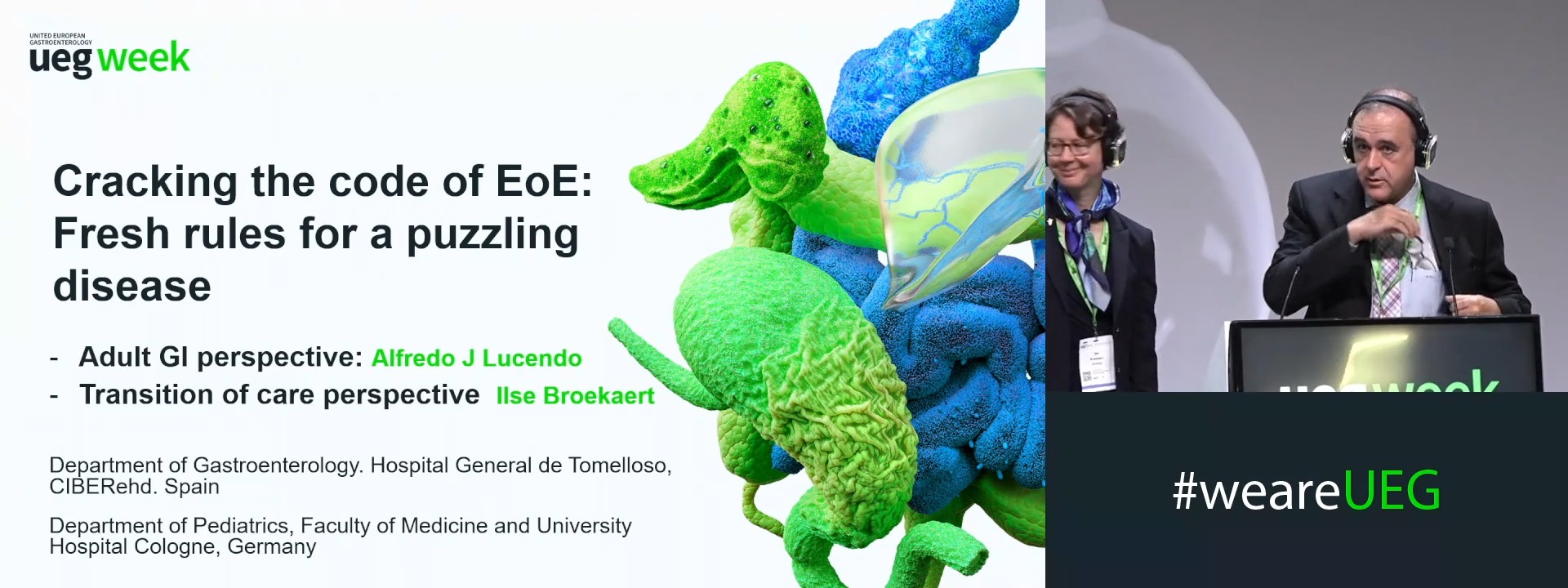
Cracking the code of EoE: Fresh rules for a puzzling disease – adult GI and transition of care perspectives
Affiliations
1 Hospital General de Tomelloso, Madrid, Spain
2 University Childrens Hospital Cologne, Cologne, Germany