UEG's content platform for gastroenterology education bringing recordings, courses, guidelines, and more together in one place.
Trending on Gutflix
Rate for better recommendations!
Your feedback helps us show you more of what you like and less of what you dislike!
Log in to continue.
This content is part of Gutflix. Log in with your myUEG account, or create one free, to watch it.
Not sure what you can access? Learn more about account types.
Panel discussion: Post-OP complications
Log in to continue.
This content is part of Gutflix. Log in with your myUEG account, or create one free, to watch it.
Not sure what you can access? Learn more about account types.
Laudatio UEG Lifetime Achievement Awardee
Affiliations
1 IPO Porto, Porto, Portugal
Log in to continue.
This content is part of Gutflix. Log in with your myUEG account, or create one free, to watch it.
Not sure what you can access? Learn more about account types.
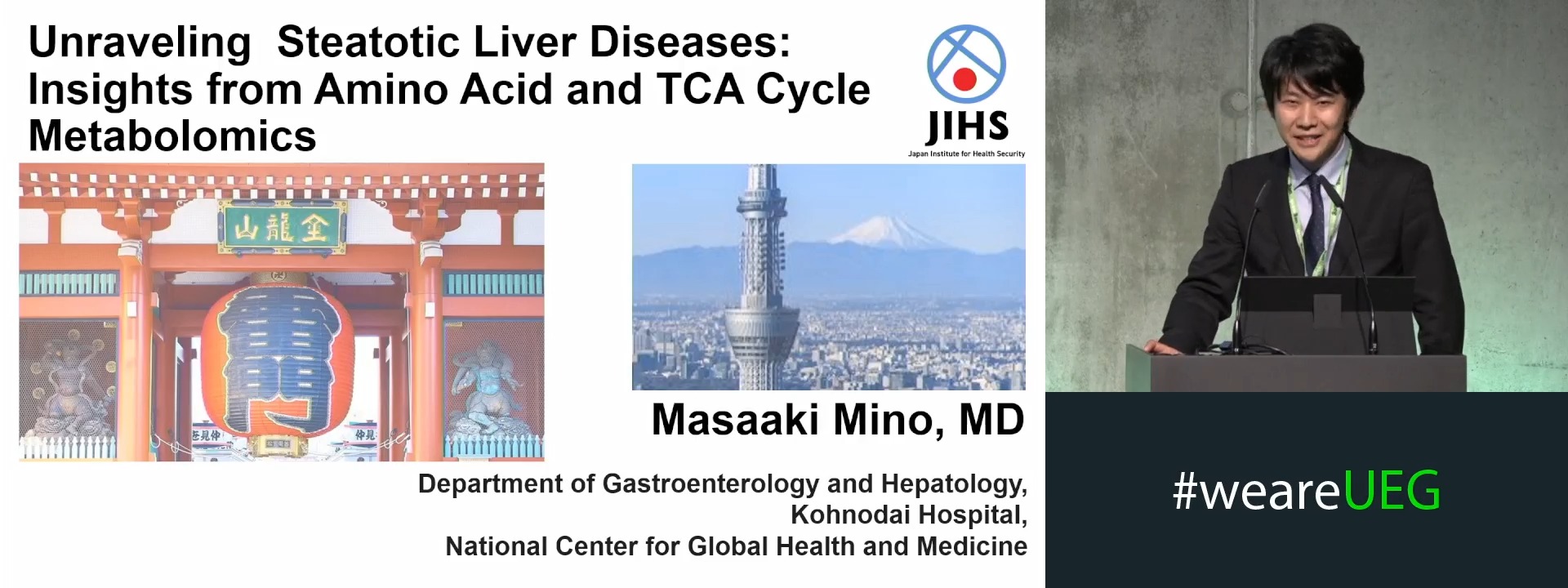
Unraveling Steatotic Liver Diseases: Insights from Amino Acid and TCA Cycle Metabolomics
Affiliations
1 Kohnodai Hospital, National Center for Global Health and Medicine, Kōnodai, Japan
Log in to continue.
This content is part of Gutflix. Log in with your myUEG account, or create one free, to watch it.
Not sure what you can access? Learn more about account types.
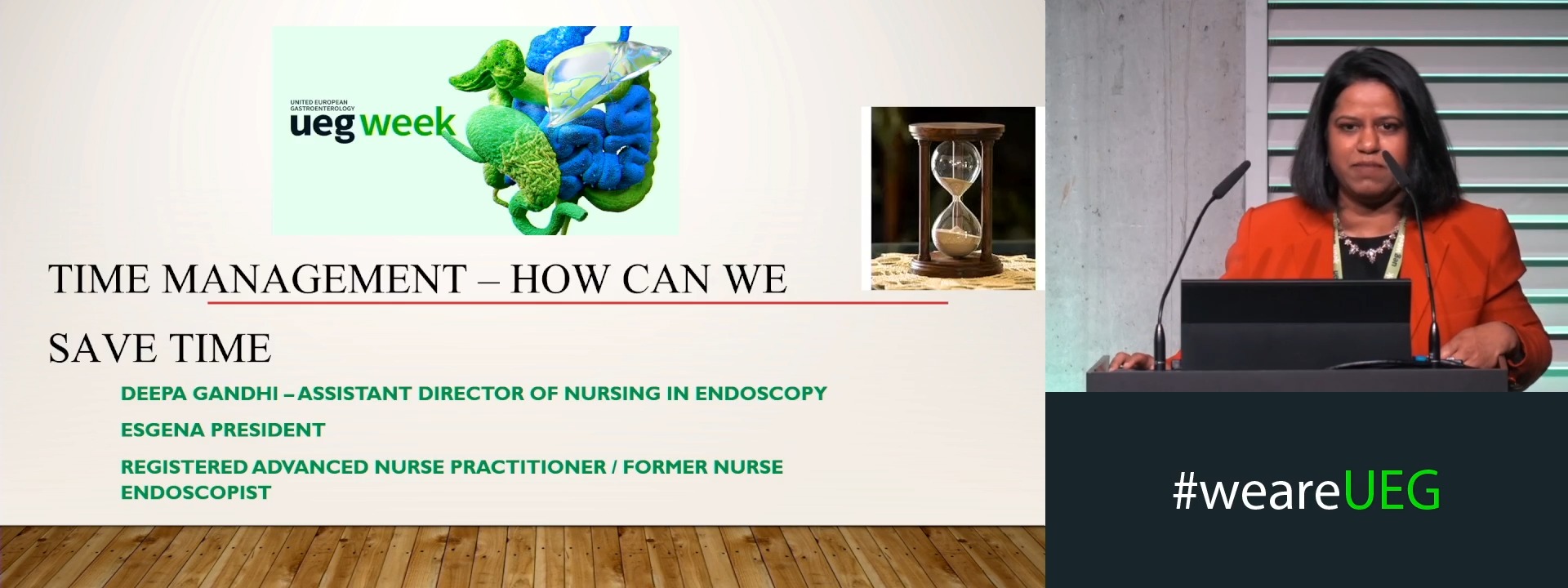
Time management: How can we save time?
Affiliations
1 Mater Misericordiae University Hospital, Dublin, Ireland
Log in to continue.
This content is part of Gutflix. Log in with your myUEG account, or create one free, to watch it.
Not sure what you can access? Learn more about account types.
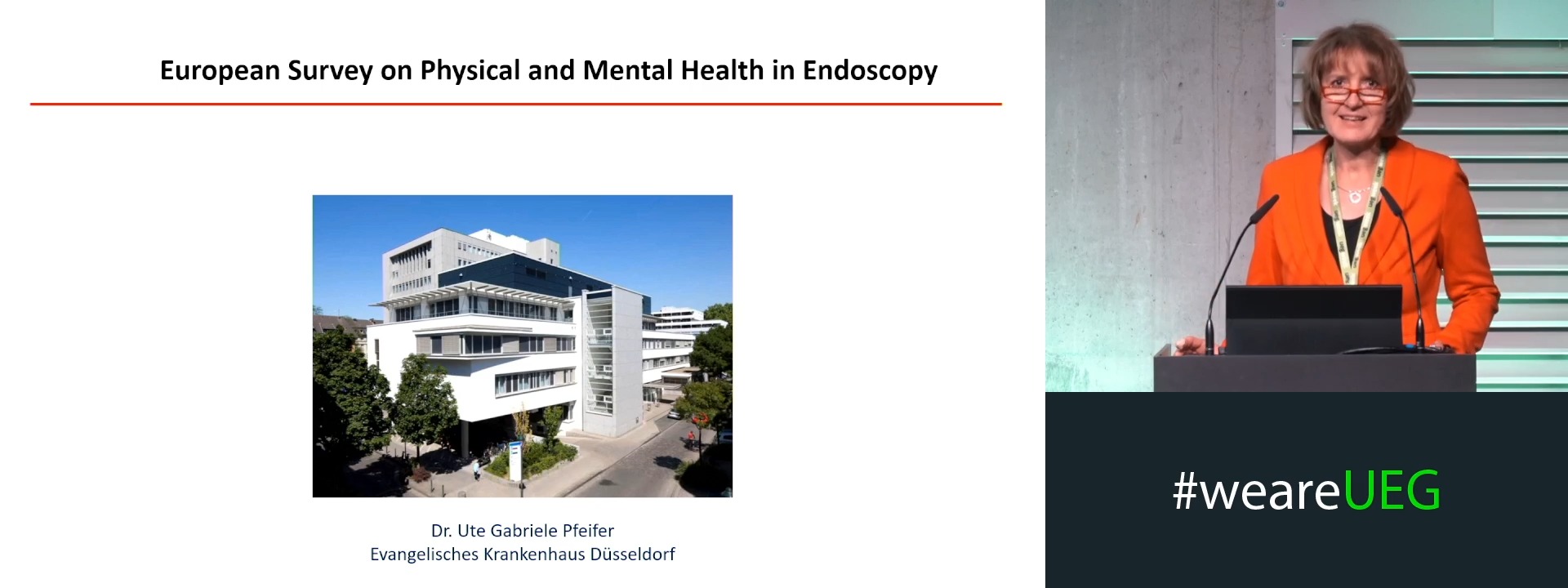
European survey on physical and mental health in endoscopy
Affiliations
1 Evangel. Krankenhaus Düsseldorf Abt. Endoskopie, Düsseldorf, Germany
Log in to continue.
This content is part of Gutflix. Log in with your myUEG account, or create one free, to watch it.
Not sure what you can access? Learn more about account types.
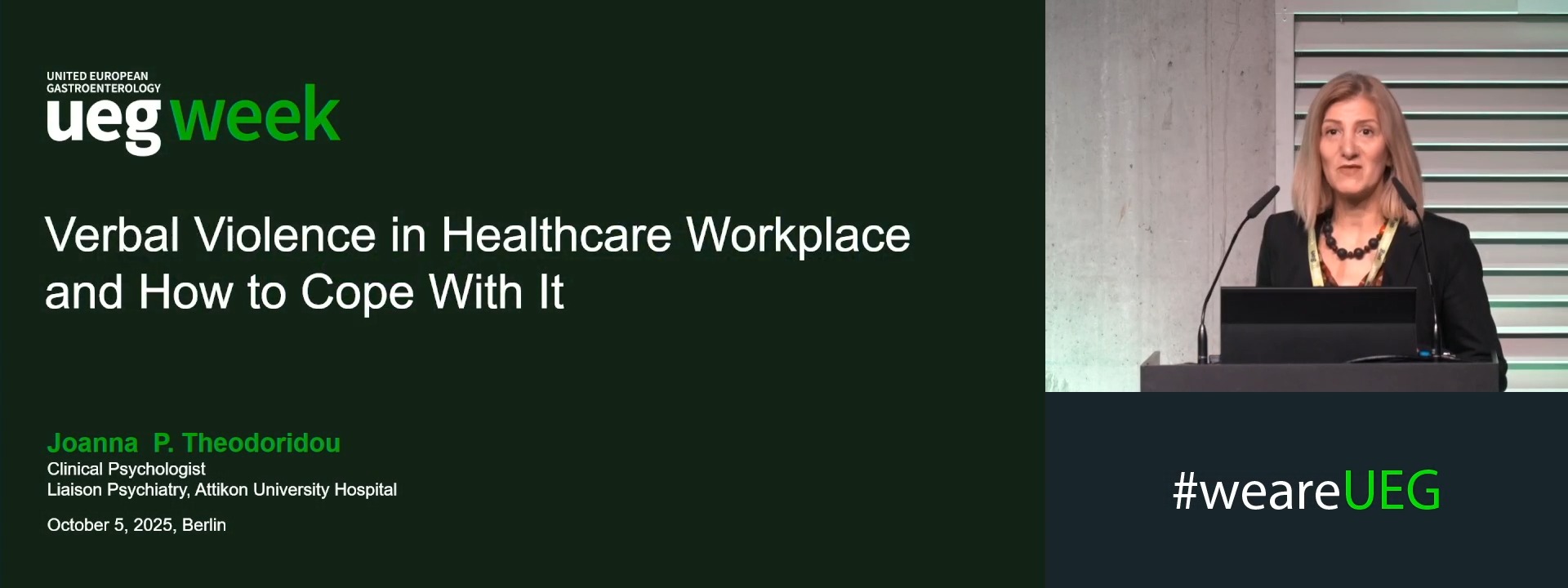
Verbal violence in the healthcare workplace and how to cope with it
Affiliations
1 None, None, Greece
Log in to continue.
This content is part of Gutflix. Log in with your myUEG account, or create one free, to watch it.
Not sure what you can access? Learn more about account types.
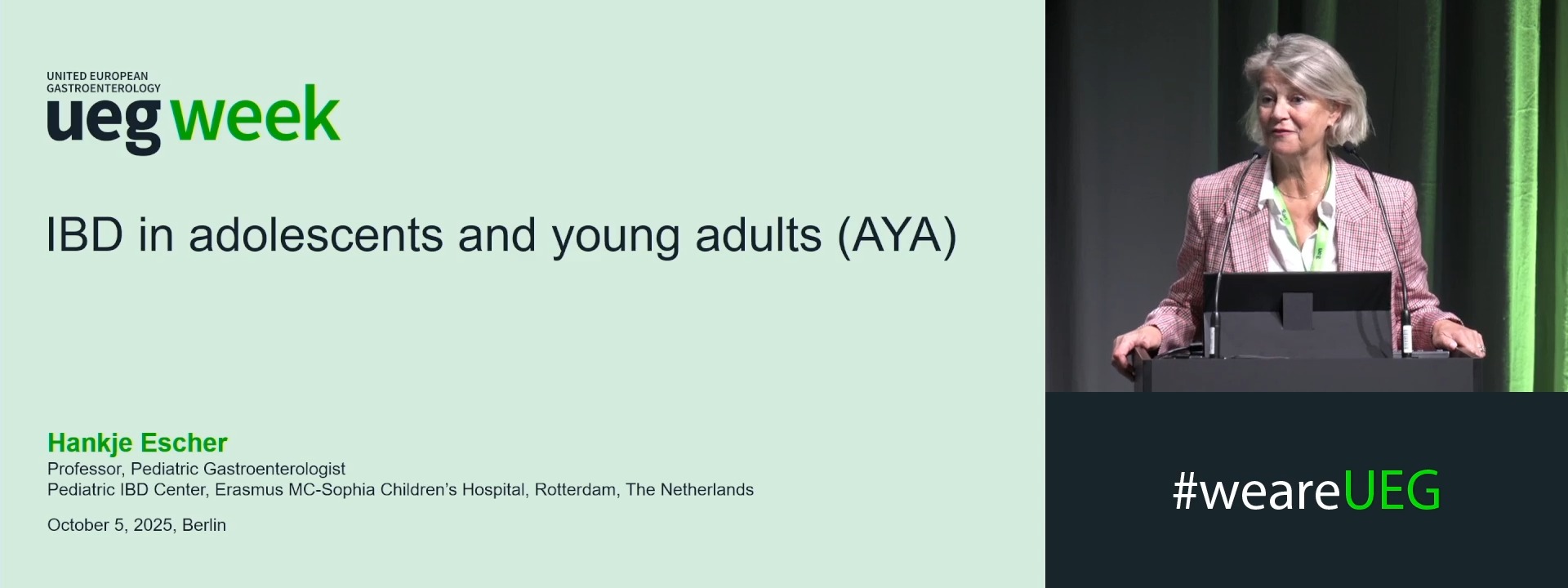
AYA: Adolescents and young adults
Affiliations
1 Erasmus Medical Center, Rotterdam, Netherlands