UEG's content platform for gastroenterology education bringing recordings, courses, guidelines, and more together in one place.
Trending on Gutflix
Rate for better recommendations!
Your feedback helps us show you more of what you like and less of what you dislike!
Log in to continue.
This content is part of Gutflix. Log in with your myUEG account, or create one free, to watch it.
Not sure what you can access? Learn more about account types.
Panel discussion: Cutting through the layers: Advances in diagnosis and treatment of oesophageal squamous cell carcinoma
Log in to continue.
This content is part of Gutflix. Log in with your myUEG account, or create one free, to watch it.
Not sure what you can access? Learn more about account types.
When it looks like coeliac disease but isn’t: Unmasking the mimickers
Affiliations
1 Vrije Universiteit Medical Center, Amsterdam, Netherlands
Log in to continue.
This content is part of Gutflix. Log in with your myUEG account, or create one free, to watch it.
Not sure what you can access? Learn more about account types.
Call a friend: The role of interventional radiology in the management of surgical complications
Affiliations
1 National and Kapodistrian University of Athens, Athens, Greece
Log in to continue.
This content is part of Gutflix. Log in with your myUEG account, or create one free, to watch it.
Not sure what you can access? Learn more about account types.
Introduction: Dilemmas in ulcerative colitis: Back to the basics or fast forward
Affiliations
1 Imelda General Hospital, Bonheiden, Belgium
Log in to continue.
This content is part of Gutflix. Log in with your myUEG account, or create one free, to watch it.
Not sure what you can access? Learn more about account types.
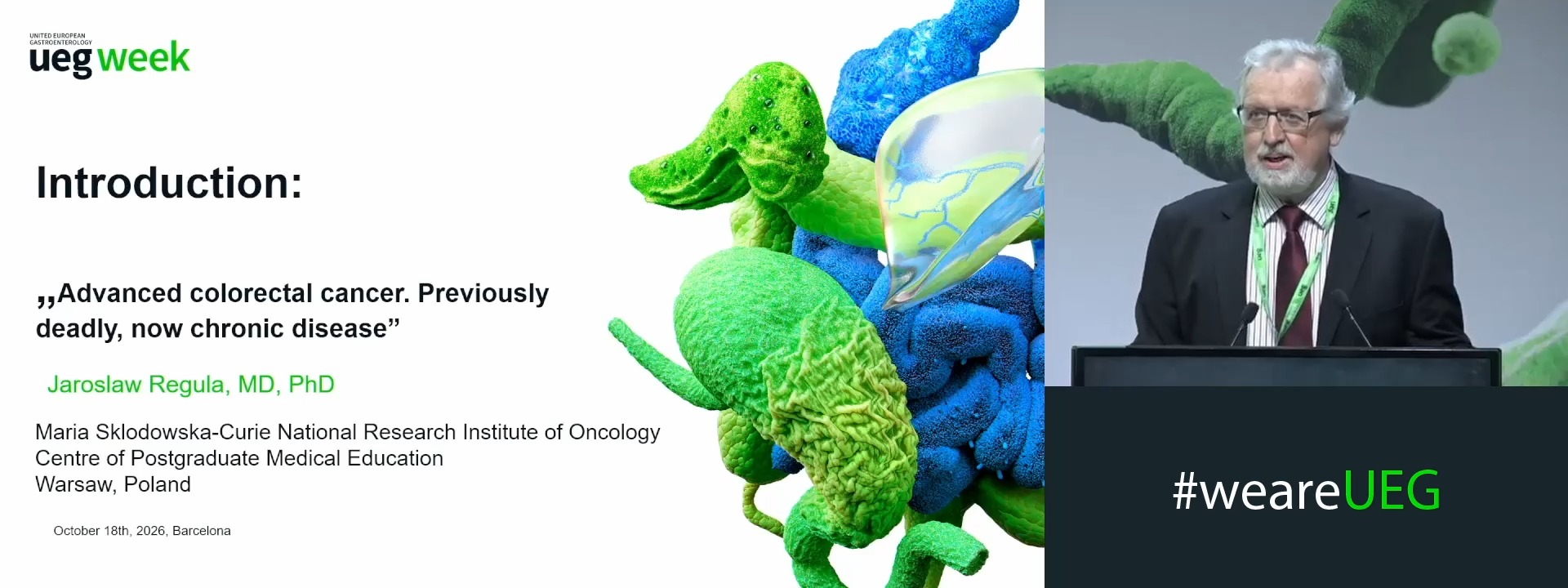
Introduction: Useful definitions and context for gastroenterologists
Affiliations
1 Maria Sklodowska-Curie National Research Institute of Oncology and Centre of Postgraduate Medical Ed, Warsaw, Poland
Log in to continue.
This content is part of Gutflix. Log in with your myUEG account, or create one free, to watch it.
Not sure what you can access? Learn more about account types.
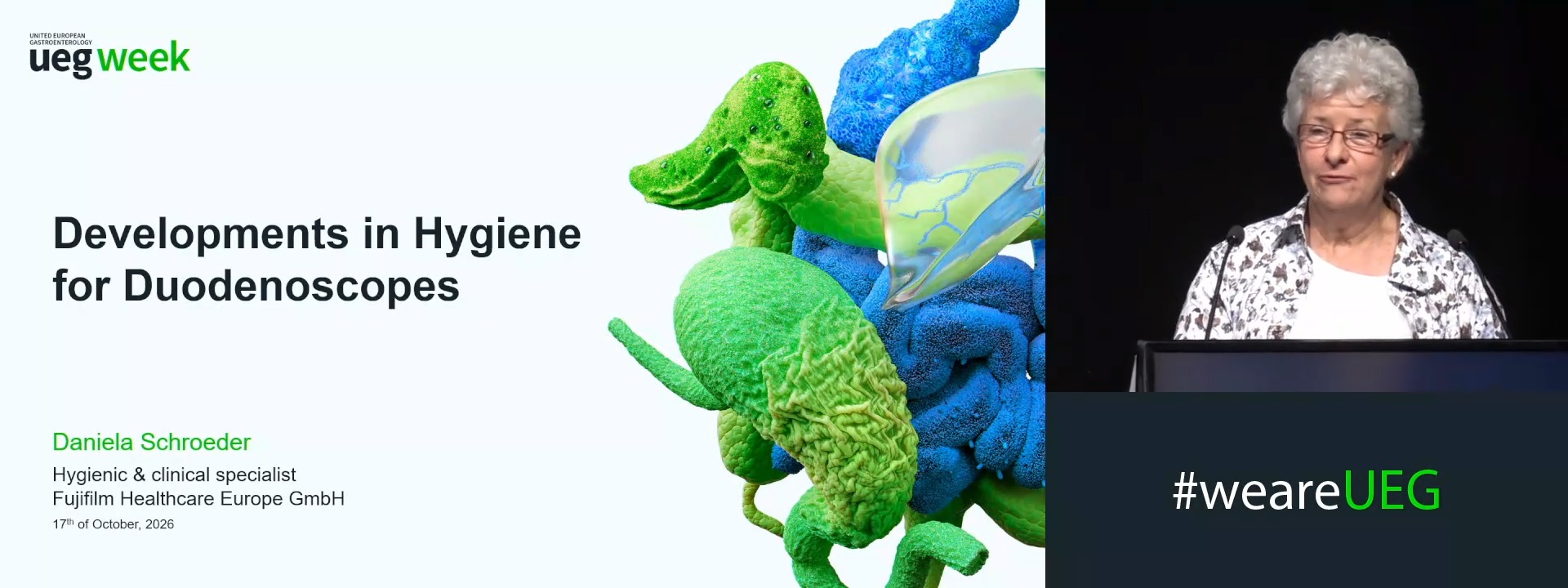
Developments in hygiene for Duodenoscopes (FUJIFILM Healthcare Europe )
Log in to continue.
This content is part of Gutflix. Log in with your myUEG account, or create one free, to watch it.
Not sure what you can access? Learn more about account types.
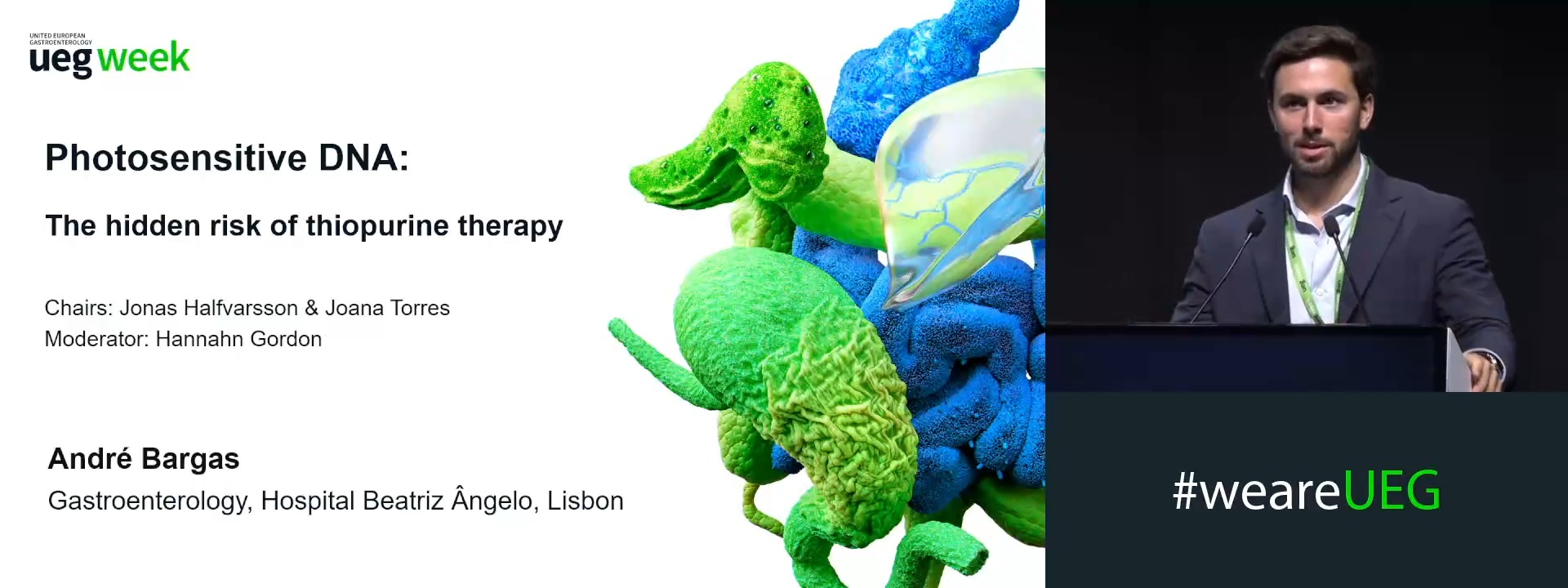
Photosensitive DNA: The hidden risk of thiopurine therapy
Affiliations
1 Hospital Beatriz Ângelo, Lisboa, Portugal