UEG's content platform for gastroenterology education bringing recordings, courses, guidelines, and more together in one place.
Trending on Gutflix
Rate for better recommendations!
Your feedback helps us show you more of what you like and less of what you dislike!
Log in to continue.
This content is part of Gutflix. Log in with your myUEG account, or create one free, to watch it.
Not sure what you can access? Learn more about account types.
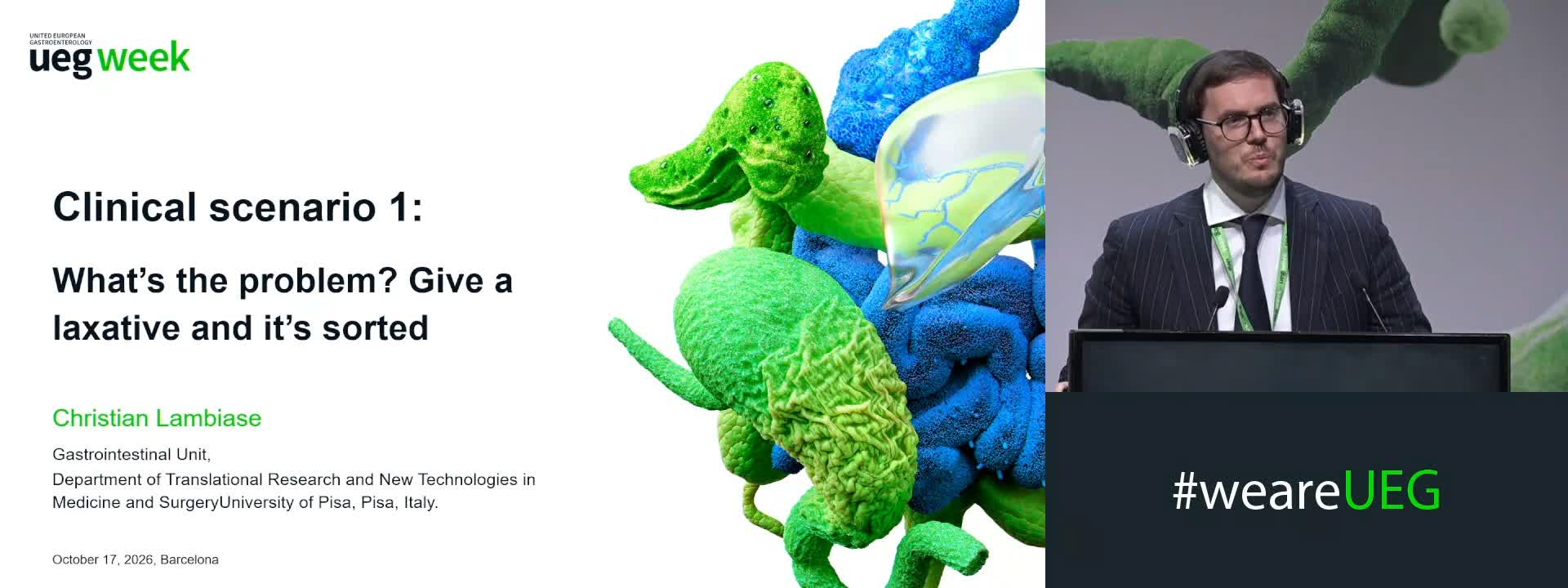
Clinical scenario 1: What’s the problem? Give a laxative and it’s sorted
Affiliations
1 Gastrointestinal Unit, Department of Translational Sciences and New Technologies in Medicine and Surgery, University of Pisa, Pisa, Italy
Log in to continue.
This content is part of Gutflix. Log in with your myUEG account, or create one free, to watch it.
Not sure what you can access? Learn more about account types.
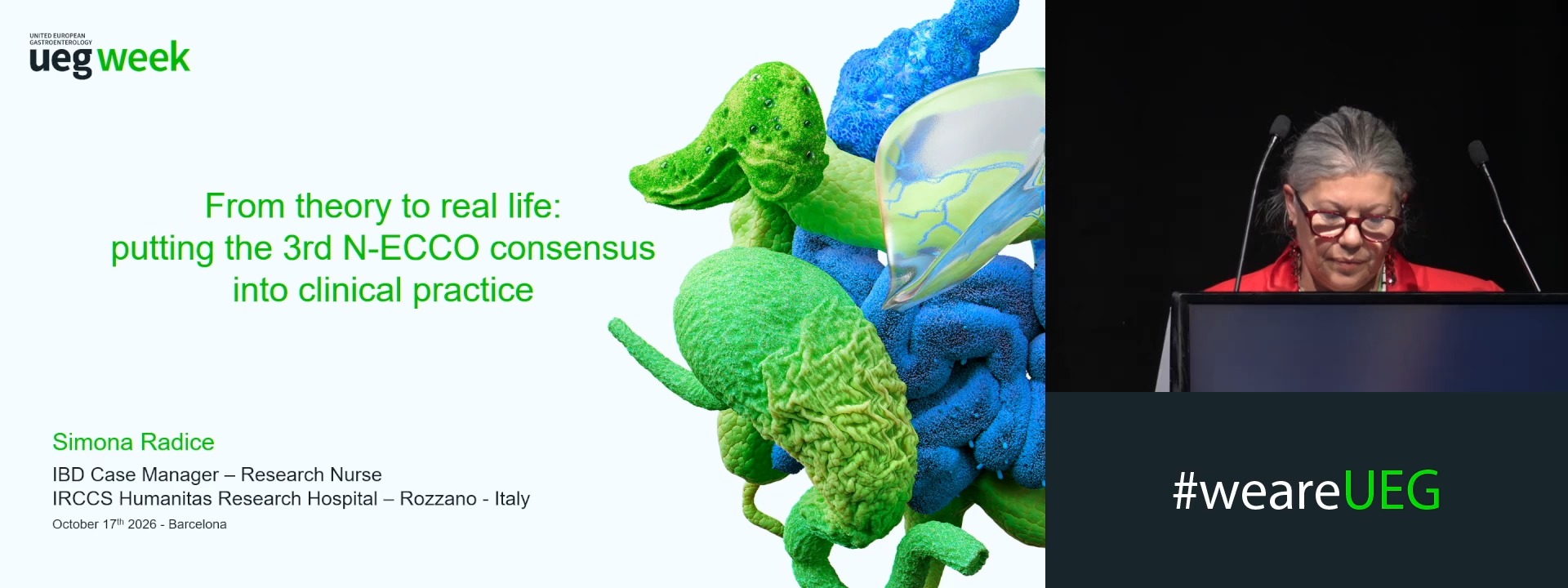
From theory to real life: Putting the 3rd N-ECCO consensus into clinical practice
Affiliations
1 San Rafaele Research Hospital, Milan, Italy
Log in to continue.
This content is part of Gutflix. Log in with your myUEG account, or create one free, to watch it.
Not sure what you can access? Learn more about account types.
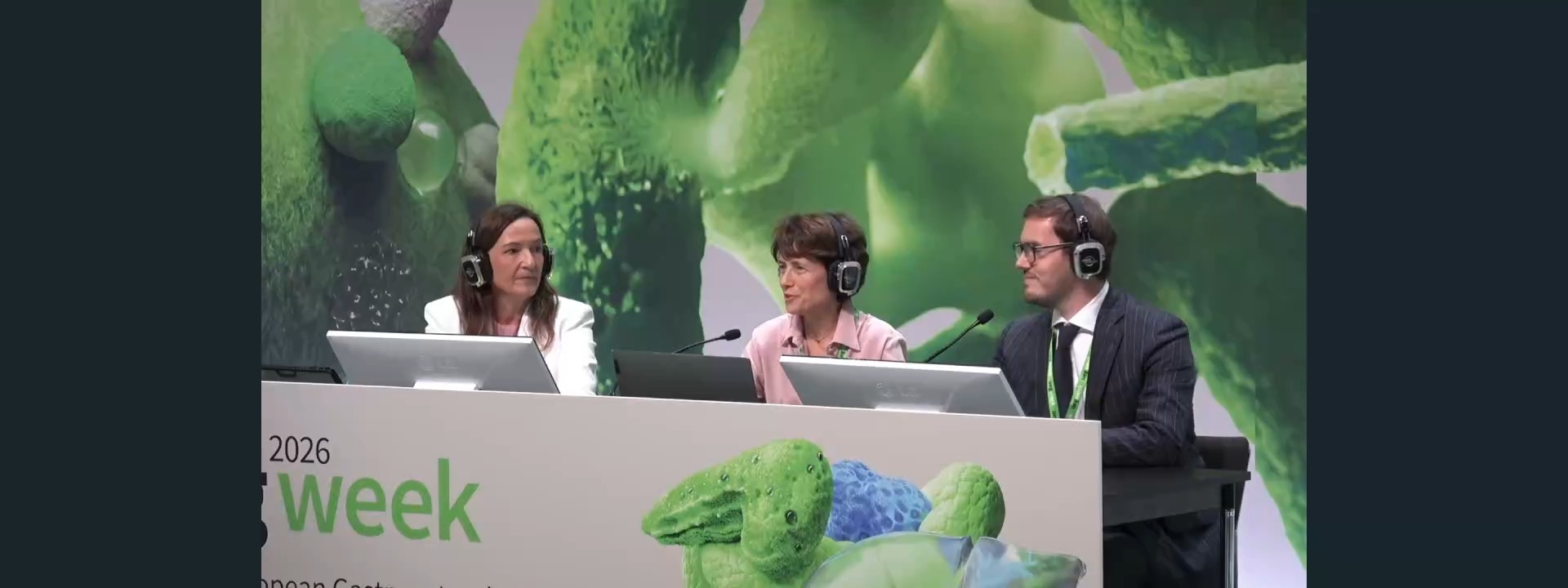
Introduction: Chronic constipation: How to diagnose and treat this frequent condition in clinical practice
Affiliations
1 University of Nottingham, Nottingham, United Kingdom
Log in to continue.
This content is part of Gutflix. Log in with your myUEG account, or create one free, to watch it.
Not sure what you can access? Learn more about account types.
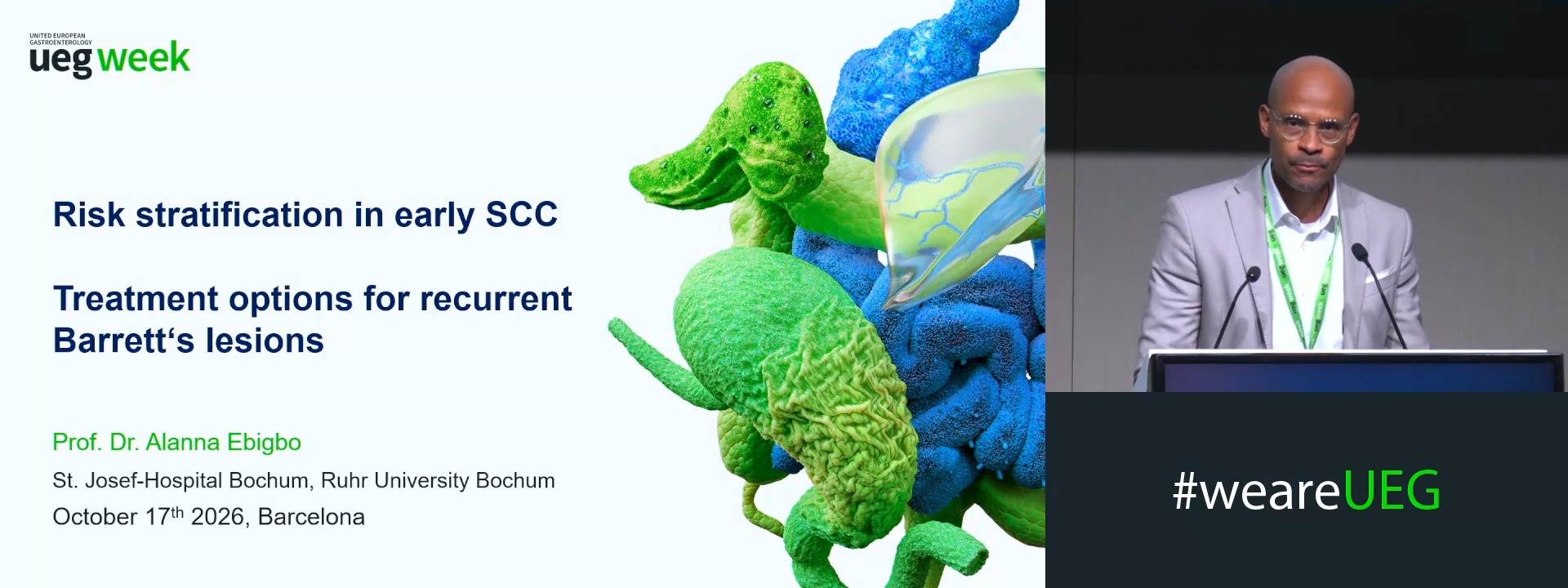
Risk stratification in early squamous cell carcinoma and treatment options for Barrett’s recurrence
Affiliations
1 St. Josef-Hospital, Ruhr-University Bochum, Bochum, Germany
Log in to continue.
This content is part of Gutflix. Log in with your myUEG account, or create one free, to watch it.
Not sure what you can access? Learn more about account types.
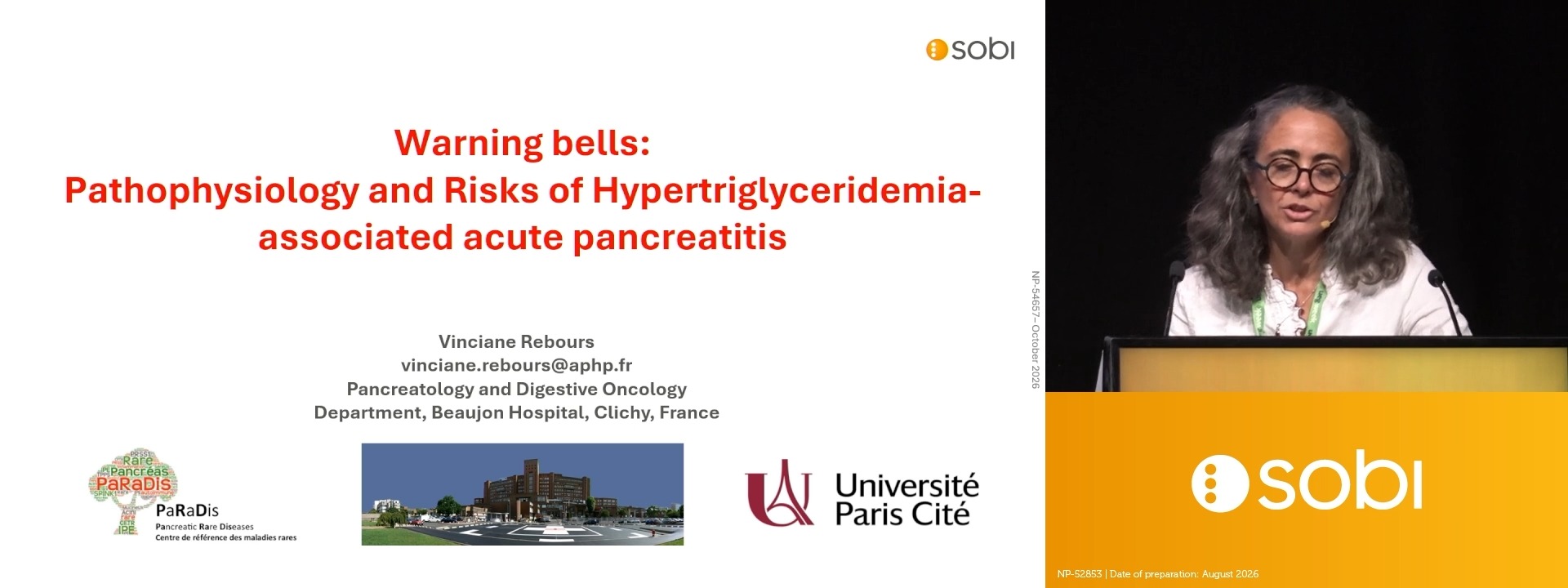
Guiding the care of hypertriglyceridemia-induced acute pancreatitis: Multidisciplinary care and the role of new therapies through apoC-III inhibition (Sobi (Swedish Orphan Biovitrum)) (Complete Session)
Affiliations
1 Hopital Beaujon, Clichy, France
2 San Raffaele Scientific Institute Irccs, Rome, Italy
3 Clínic Barcelona, Barcelona, Spain
Log in to continue.
This content is part of Gutflix. Log in with your myUEG account, or create one free, to watch it.
Not sure what you can access? Learn more about account types.
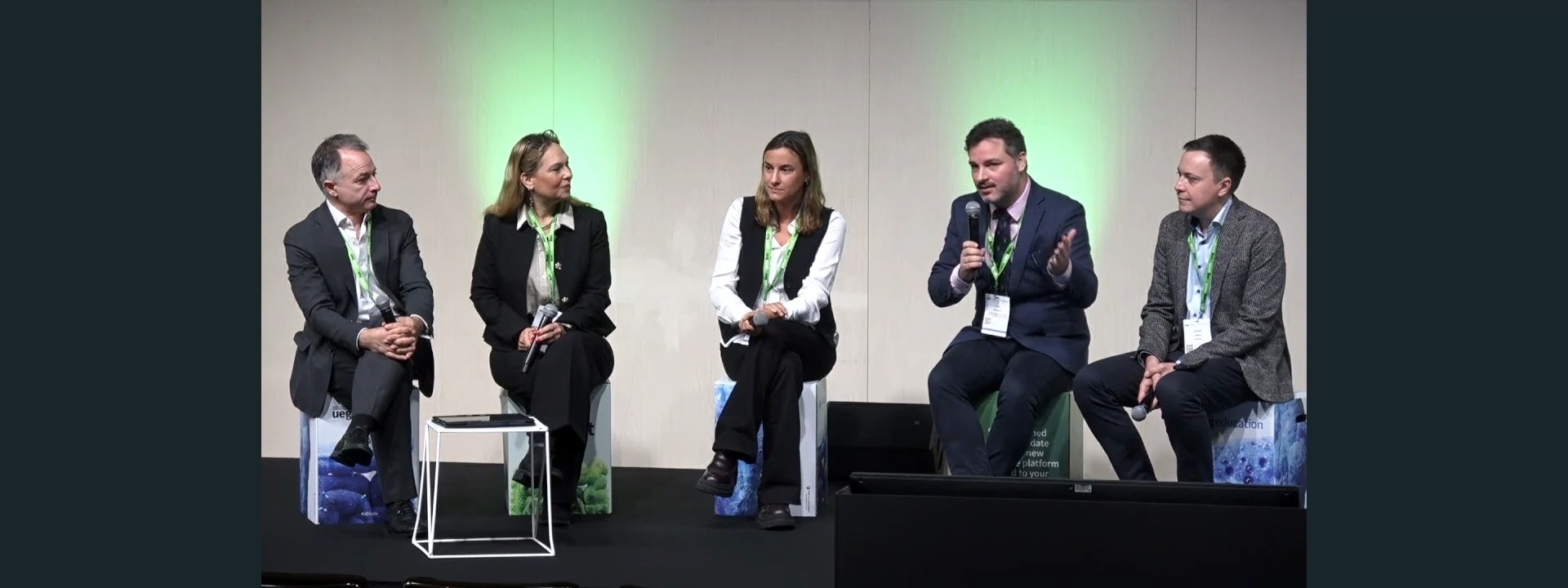
Panel discussion: Does SLD matter to you in your practice?
Log in to continue.
This content is part of Gutflix. Log in with your myUEG account, or create one free, to watch it.
Not sure what you can access? Learn more about account types.
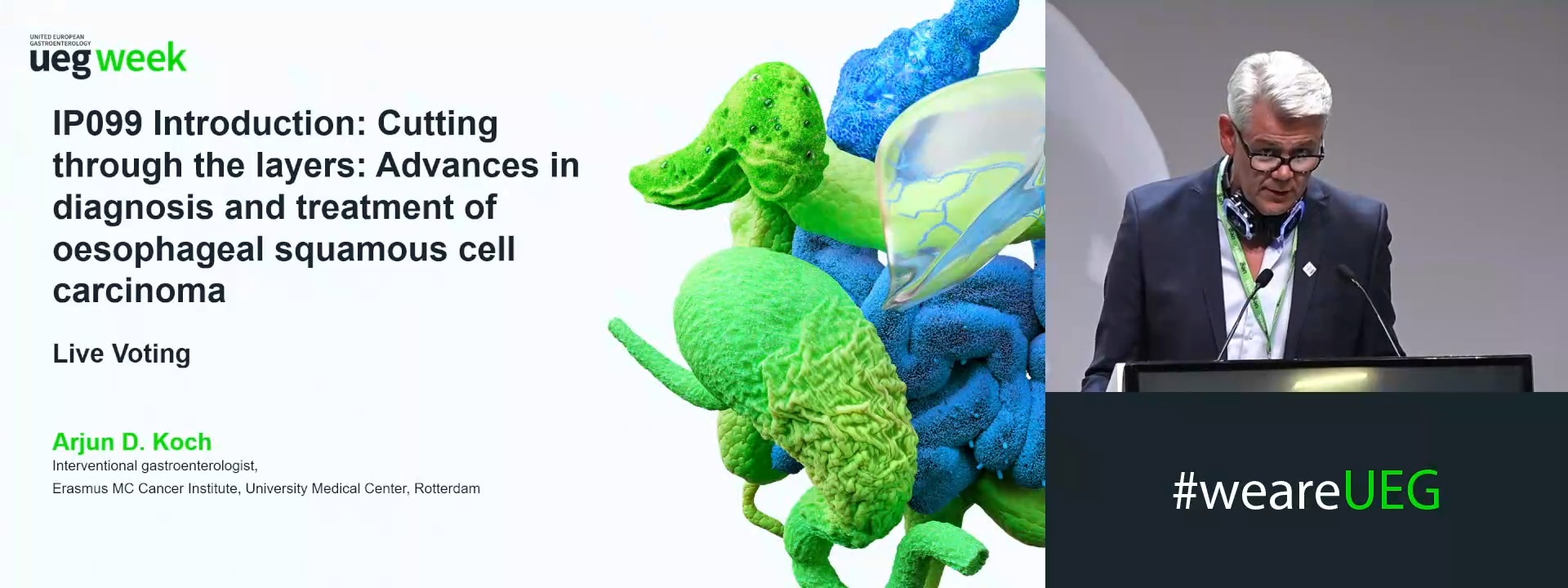
Introduction: Cutting through the layers: Advances in diagnosis and treatment of oesophageal squamous cell carcinoma
Affiliations
1 Erasmus MC - University Medical center, Rotterdam, Netherlands