UEG's educational platform for gastroenterology education bringing recordings, courses, guidelines, and more together in one place.
Most popular content
Rate for better recommendations!
Your feedback helps us show you more of what you like and less of what you dislike!
Log in to access this content.
Free for all myUEG account holders. Your access level is set automatically based on your occupation. Medical professionals get full access to all content. If you are a non-medical user, you can only access UEG Week content from congresses you attended.
Not sure what you can access? Learn more about account types.
Precision and clarity: The benefits of the eyeMax cholangioscope
1 None, None, Hungary
Event
Topics
Citation
Published
Log in to access this content.
Free for all myUEG account holders. Your access level is set automatically based on your occupation. Medical professionals get full access to all content. If you are a non-medical user, you can only access UEG Week content from congresses you attended.
Not sure what you can access? Learn more about account types.
Acute pancreatitis
Event
Topics
Accreditation status
Duration
Published
Log in to access this content.
Free for all myUEG account holders. Your access level is set automatically based on your occupation. Medical professionals get full access to all content. If you are a non-medical user, you can only access UEG Week content from congresses you attended.
Not sure what you can access? Learn more about account types.
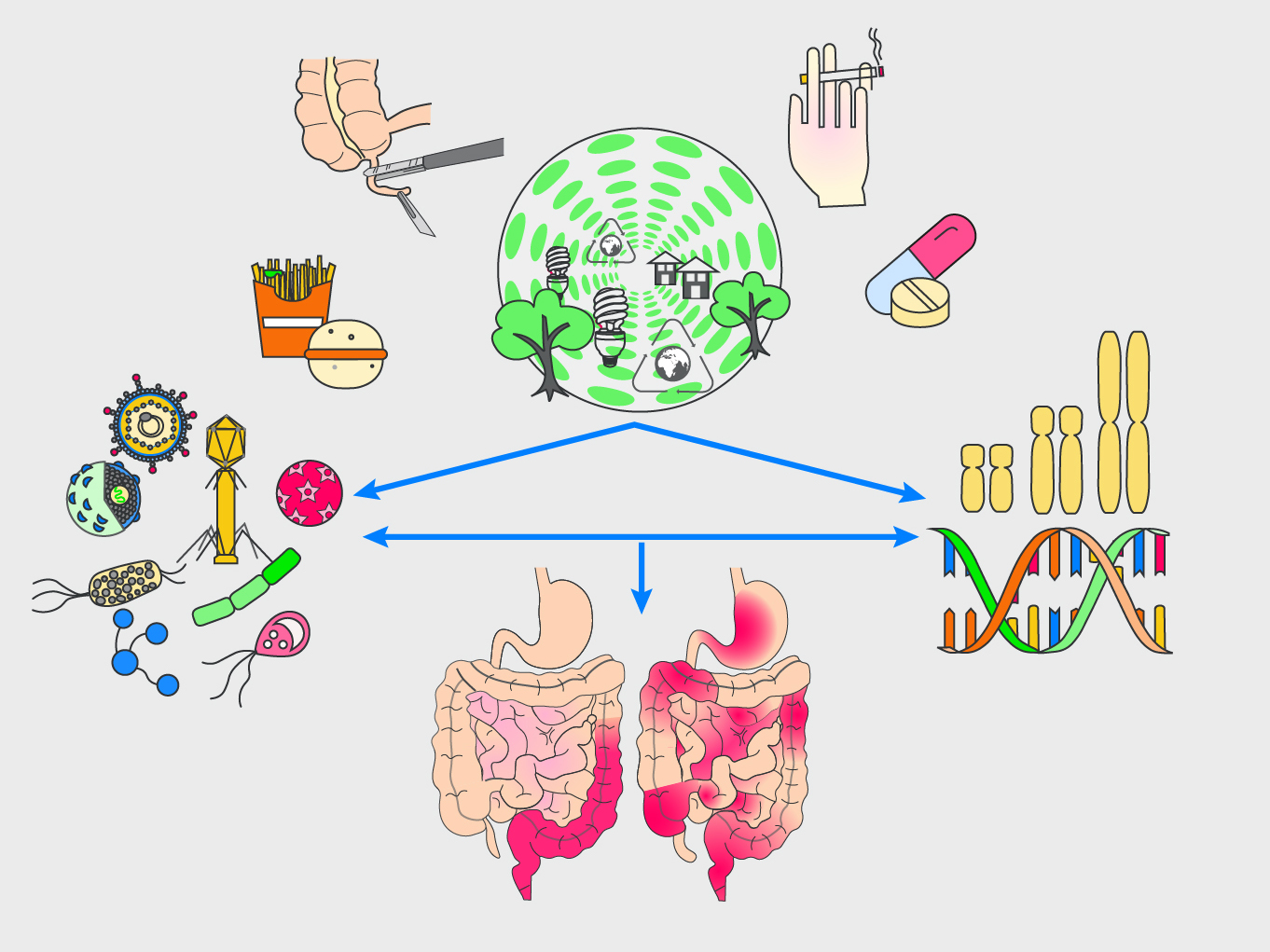
IBD epidemiology & aetiology
Event
Accreditation status
Duration
Published
Log in to access this content.
Free for all myUEG account holders. Your access level is set automatically based on your occupation. Medical professionals get full access to all content. If you are a non-medical user, you can only access UEG Week content from congresses you attended.
Not sure what you can access? Learn more about account types.

TESTING NEUTROPHIL GELATINASE-ASSOCIATED LIPOCALIN (NGAL) IN ASSOCIATION WITH GLUCOSE IN THE INTRACYSTIC FLUID IS USEFUL FOR DIFFERENTIATION MUCINOUS FROM NON-MUCINOUS PANCREATIC CYSTS
Miruna Olar 1, Radu Seicean 2, Ioana Rusu 1, Maria Iacobescu 1, Cristina Adela Iuga 3, Sorana Bolboaca 1, Al Hajjar Nadim 1, Zeno Adrian Sparchez 1, Ofelia Mosteanu 1, Teodora Atena Pop 1, Cristina Pojoga 1, Andrada Seicean 4
1 University of Medicine and Pharmacy Iuliu Hatieganu Cluj-Napoca, Romania, Cluj-Napoca, Romania
2 Clinical Emergency County Hospital Cluj-Napoca, Cluj-Napoca, Romania
3 Drug Analysis, Department Pharmacy 3, Faculty of Pharmacy, “Iuliu Hatieganu” University of Medicine and Pharmacy Cluj-Napoca, Romania, Cluj-Napoca, Romania
4 University of Medicine and Pharmacy Iuliu Hatieganu Cluj-Napoca, Romania, Cluj Napoca, Romania
Conference
Topics
Submission format
Session
Citation
Published
Log in to access this content.
Free for all myUEG account holders. Your access level is set automatically based on your occupation. Medical professionals get full access to all content. If you are a non-medical user, you can only access UEG Week content from congresses you attended.
Not sure what you can access? Learn more about account types.
TIME-ZERO VIOLATIONS CAUSE BIAS IN OBSERVATIONAL STUDIES ON SCREENING COLONOSCOPY
1 Leibniz Institute for Prevention Research and Epidemiology - BIPS, Bremen, Germany
2 Leibniz Institute for Prevention Research and Epidemiology – BIPS, Bremen, Germany
3 Leibniz Institute for Prevention Research and Epidemiology - BIPS, Bremen, Germany|||University of Bremen, Bremen, Germany
4 Leibniz Institute for Prevention Research and Epidemiology – BIPS, Bremen, Germany|||University of Bremen, Bremen, Germany
Conference
Topics
Submission format
Citation
Published
Log in to access this content.
Free for all myUEG account holders. Your access level is set automatically based on your occupation. Medical professionals get full access to all content. If you are a non-medical user, you can only access UEG Week content from congresses you attended.
Not sure what you can access? Learn more about account types.
PROCEDURALIST FATIGUE NEGATIVELY IMPACTS QUALITY OF COLONOSCOPY – ‘AN ‘EFFECT’ THAT MAY BE TRANSFERABLE’ AFFECTING PATIENT, CLINICIAN AND HOSPITAL OUTCOMES
1 The Prince Charles Hospital, Brisbane, Australia
Conference
Topics
Submission format
Citation
Published
Log in to access this content.
Free for all myUEG account holders. Your access level is set automatically based on your occupation. Medical professionals get full access to all content. If you are a non-medical user, you can only access UEG Week content from congresses you attended.
Not sure what you can access? Learn more about account types.
DOES OPIOID DOSAGE FOR PAIN MANAGEMENT IMPACT ON SEVERITY OF ACUTE PANCREATITIS? A MULTICENTRE INTERNATIONAL PROSPECTIVE STUDY
Cecilie Siggaard Knoph 1, Søren Schou Olesen 1, Jayanta Samanta 2, Rupjyoti Talukdar 3, Gabriele Capurso 4, Enrique de-Madaria 5, Dhiraj Yadav 6, Ajith Siriwardena 7, John Windsor 8, Asbjørn Mohr Drewes 1, Manu Nayar 9, Sanjay Pandanaboyana 9
1 Aalborg University Hospital, Aalborg, Denmark|||Aalborg University, Aalborg, Denmark
2 Post Graduate Institute of Medical Education and Research, Chandigarh, India
3 Asian Institute of Gastroenterology, Hyderabad, India
4 San Raffaele Scientific Institute IRCCS, Milan, Italy|||Vita-Salute San Raffaele University, Milan, Italy
5 Dr. Balmis General University Hospital, ISABIAL, Alicante, Spain
6 University of Pittsburgh Medical Centre, Pittsburgh, United States
7 Manchester Royal Infirmary, Manchester, United Kingdom
8 University of Auckland, Auckland, New Zealand
9 Freeman Hospital, Newcastle upon Tyne, United Kingdom|||Newcastle University, Newcastle Upon Tyne, United Kingdom
Conference
Topics