UEG's content platform for gastroenterology education bringing recordings, courses, guidelines, and more together in one place.
Trending on Gutflix
Rate for better recommendations!
Your feedback helps us show you more of what you like and less of what you dislike!
Log in to continue.
This content is part of Gutflix. Log in with your myUEG account, or create one free, to watch it.
Not sure what you can access? Learn more about account types.
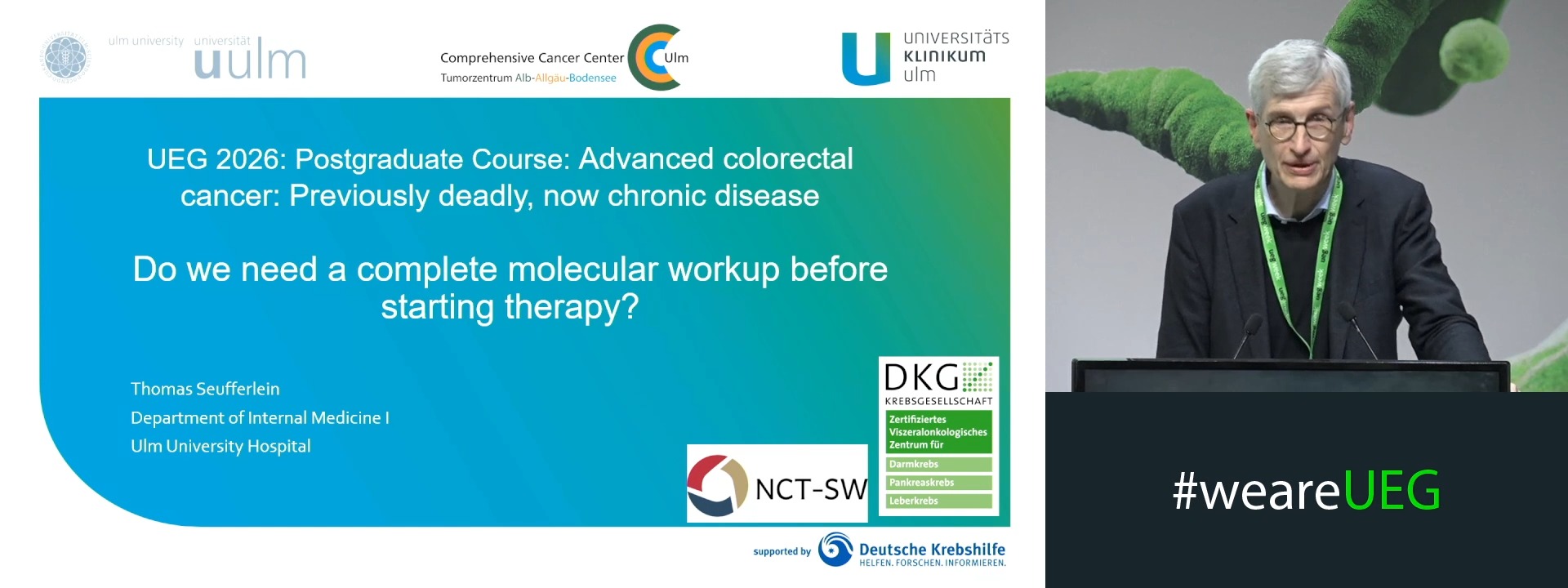
Do we need a complete molecular workup before starting therapy?
Affiliations
1 Universitätsklinikum Ulm - Klinik für Innere Medizin I, Ulm, Germany
Log in to continue.
This content is part of Gutflix. Log in with your myUEG account, or create one free, to watch it.
Not sure what you can access? Learn more about account types.
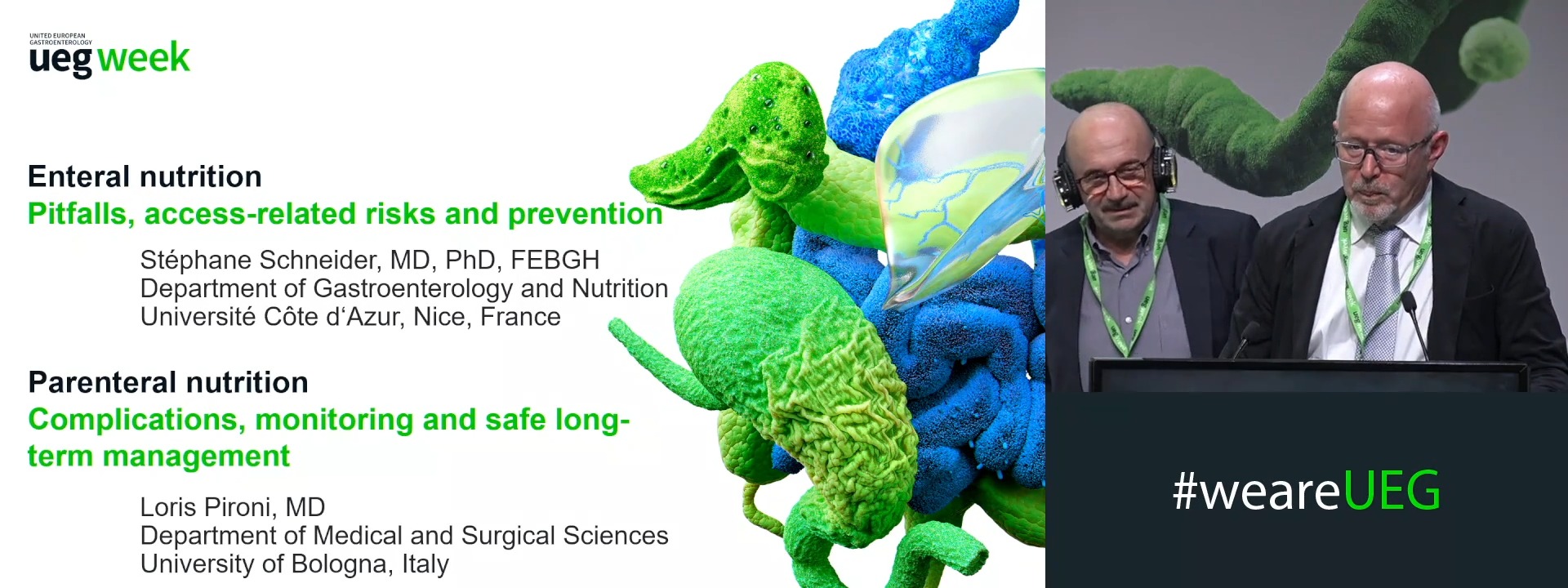
Complications in enteral and parenteral nutrition: Pitfalls, monitoring and safe long-term management
Affiliations
1 University of Bologna S. Orsola-Malpighi Hospital, Bologna, Italy
2 CHU de Nice - Archet, Nice, France
Log in to continue.
This content is part of Gutflix. Log in with your myUEG account, or create one free, to watch it.
Not sure what you can access? Learn more about account types.
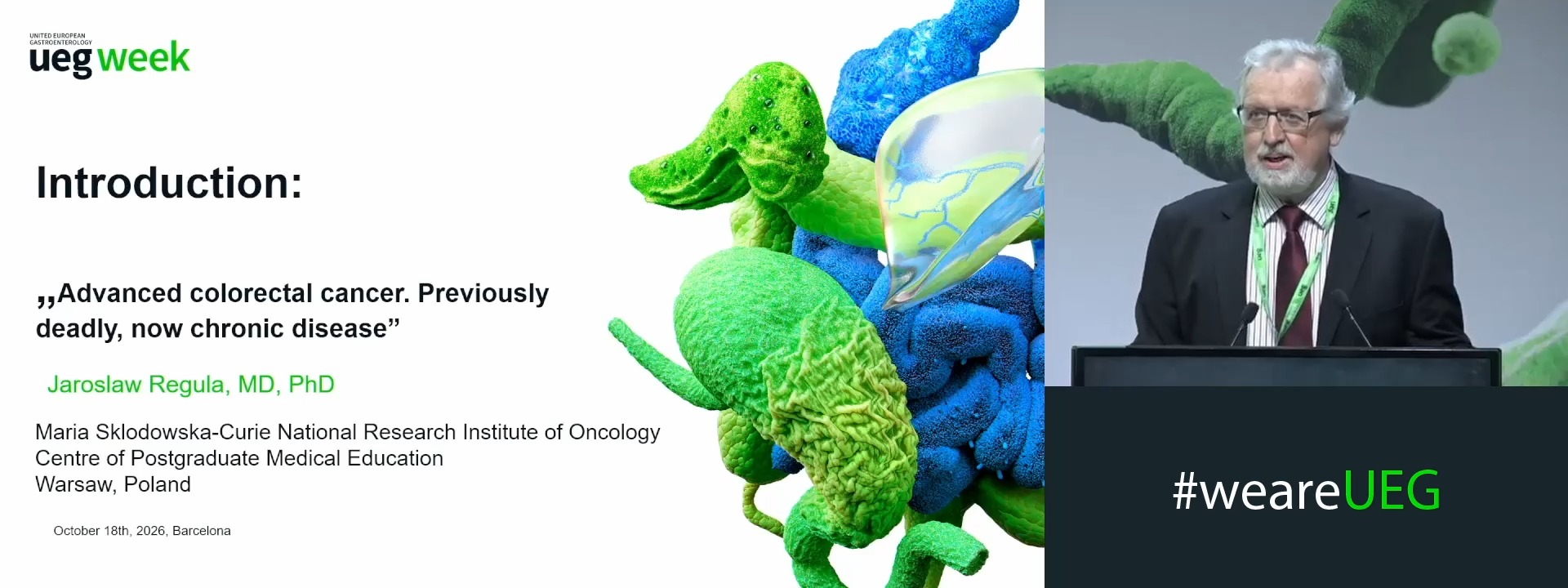
Introduction: Useful definitions and context for gastroenterologists
Affiliations
1 Maria Sklodowska-Curie National Research Institute of Oncology and Centre of Postgraduate Medical Ed, Warsaw, Poland
Log in to continue.
This content is part of Gutflix. Log in with your myUEG account, or create one free, to watch it.
Not sure what you can access? Learn more about account types.
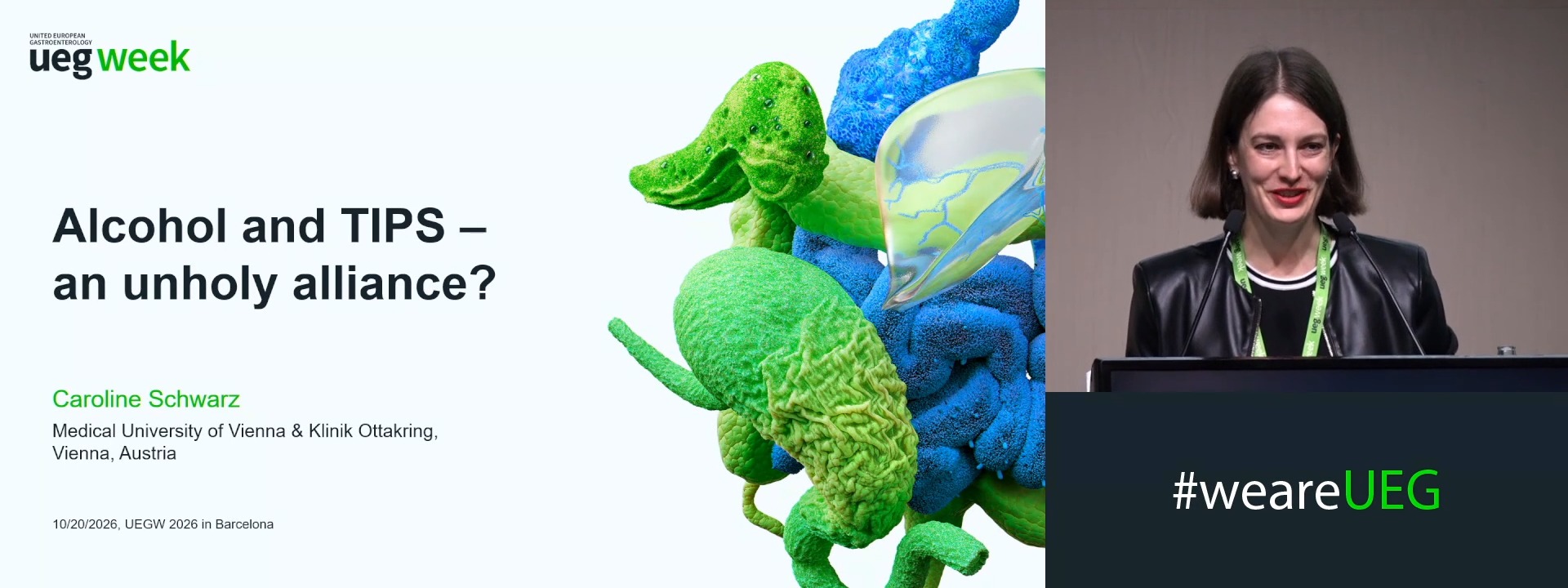
Alcohol and TIPS - an unholy alliance?
Affiliations
1 Klinik Ottakring, Vienna, Austria
Log in to continue.
This content is part of Gutflix. Log in with your myUEG account, or create one free, to watch it.
Not sure what you can access? Learn more about account types.
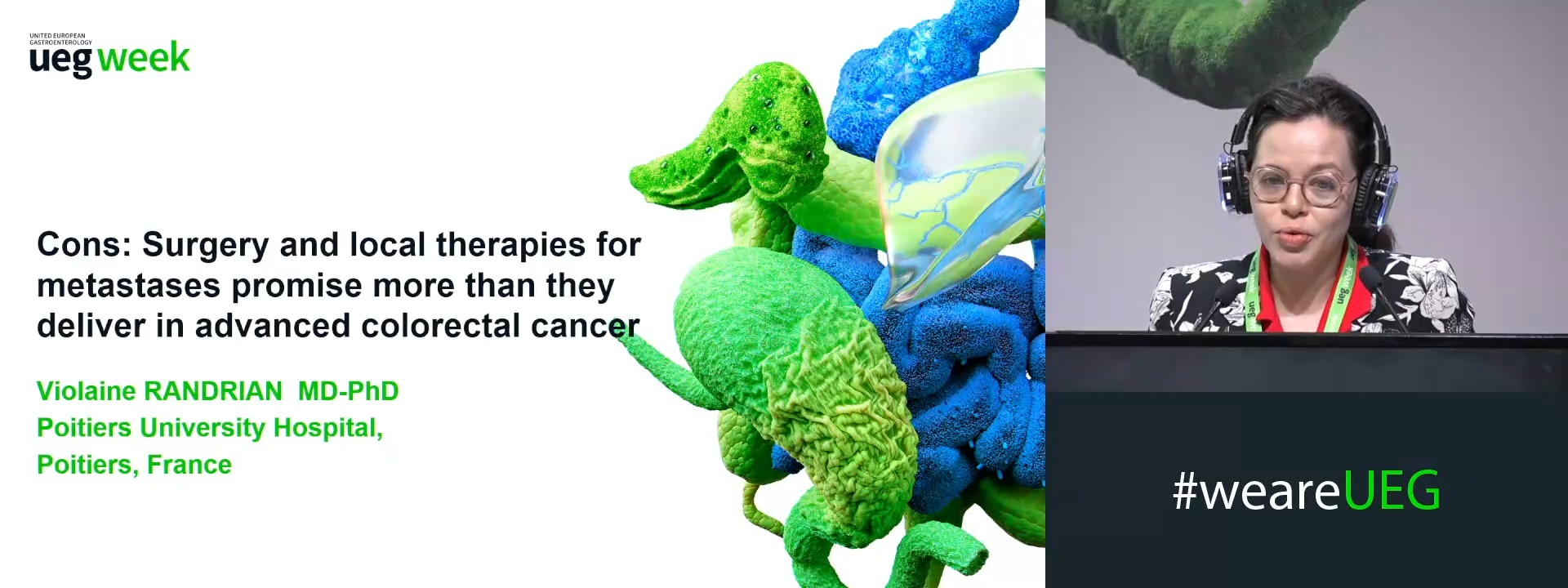
Surgery and local therapies for metastases in advanced colorectal cancer: Do they offer real benefit or promise more than they deliver?
Affiliations
1 Vienna Healthcare Group, Clinic Favoriten, HPB Center, Vienna, Austria
2 Centre Hospitalier Universitaire de Poitiers, Poitiers, France
Log in to continue.
This content is part of Gutflix. Log in with your myUEG account, or create one free, to watch it.
Not sure what you can access? Learn more about account types.
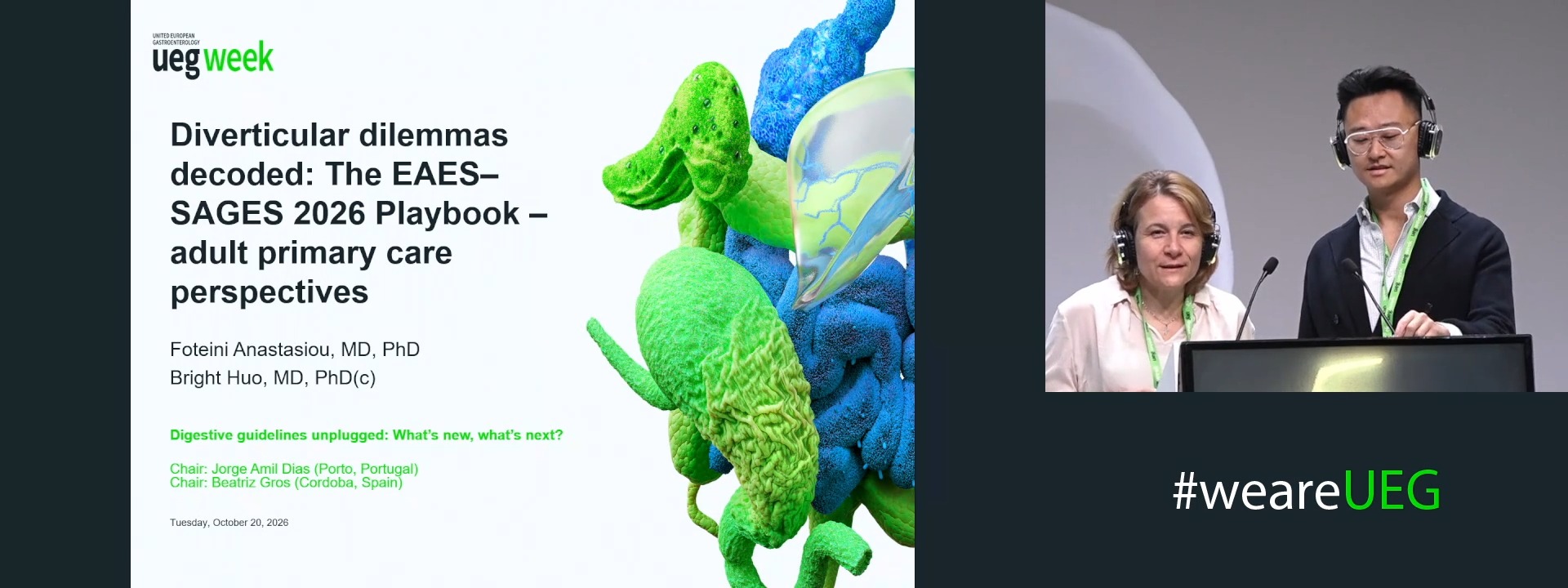
Diverticular dilemmas decoded: The EAES–SAGES 2026 Playbook – adult and primary care perspectives
Affiliations
1 4rth Local Primary Health Care Team (TOMY) - Municipality Practice-Academic Practice of Heraklion, Crete, Heraklion, Crete, Greece
2 McMaster University, Hamilton, Canada
Log in to continue.
This content is part of Gutflix. Log in with your myUEG account, or create one free, to watch it.
Not sure what you can access? Learn more about account types.
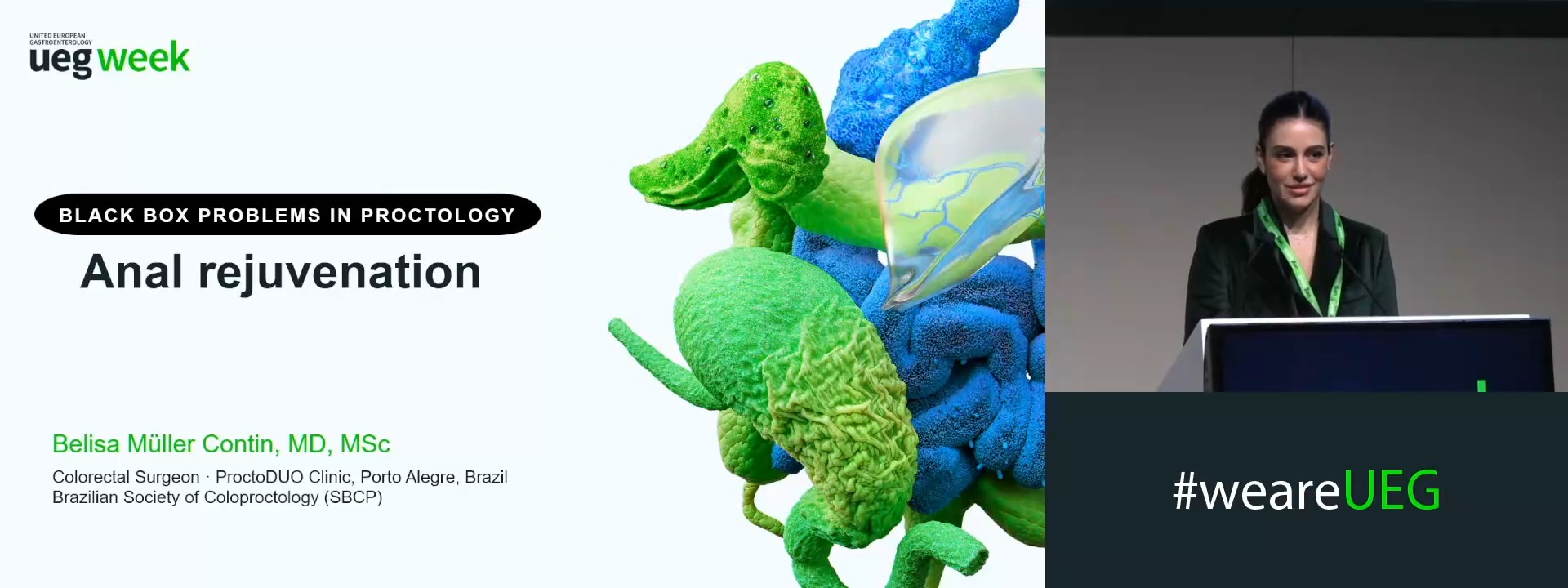
Anal rejuvenation
Affiliations
1 ProctoDUO Clinic, Porto Alegre, Brazil