UEG's content platform for gastroenterology education bringing recordings, courses, guidelines, and more together in one place.
Trending on Gutflix
Rate for better recommendations!
Your feedback helps us show you more of what you like and less of what you dislike!
Log in to continue.
This content is part of Gutflix. Log in with your myUEG account, or create one free, to watch it.
Not sure what you can access? Learn more about account types.
Q&A: Bleeding less, clotting more: Unravelling coagulation disorders in liver disease
Log in to continue.
This content is part of Gutflix. Log in with your myUEG account, or create one free, to watch it.
Not sure what you can access? Learn more about account types.
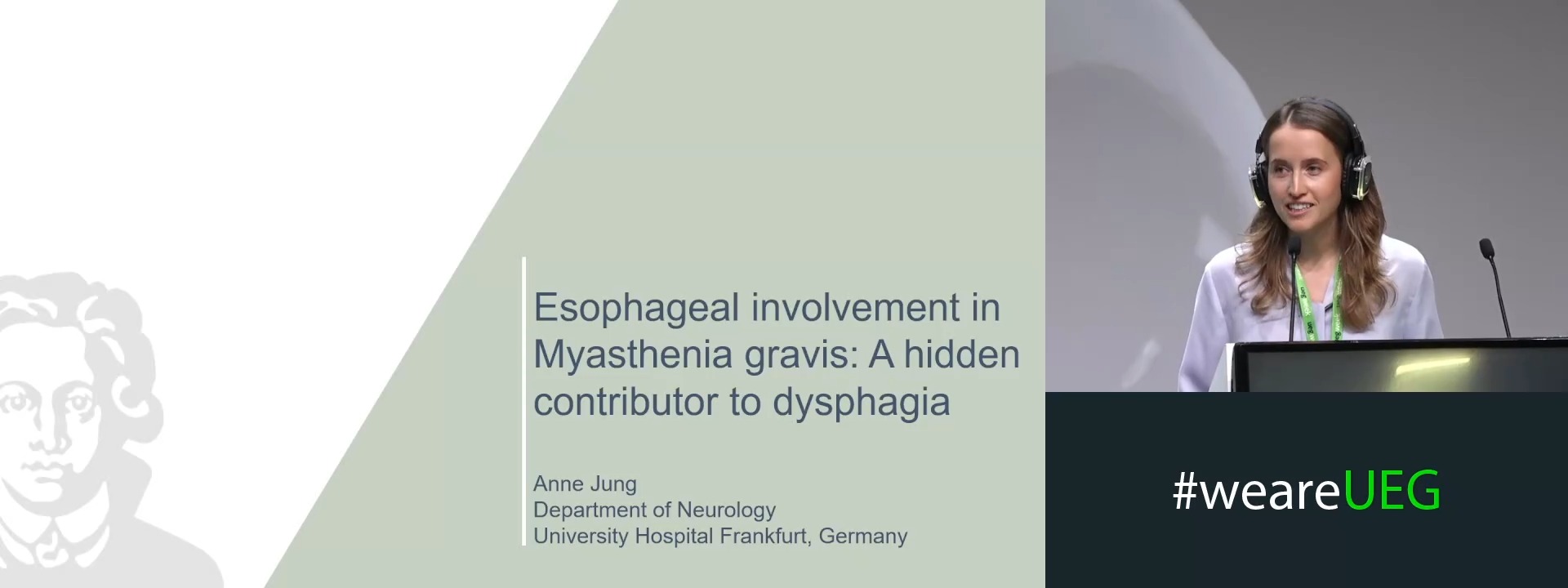
Oesophageal involvement in myasthenia gravis: A hidden contributor to dysphagia
Affiliations
1 Universitätsklinikum Münster, Münster, Germany
Log in to continue.
This content is part of Gutflix. Log in with your myUEG account, or create one free, to watch it.
Not sure what you can access? Learn more about account types.
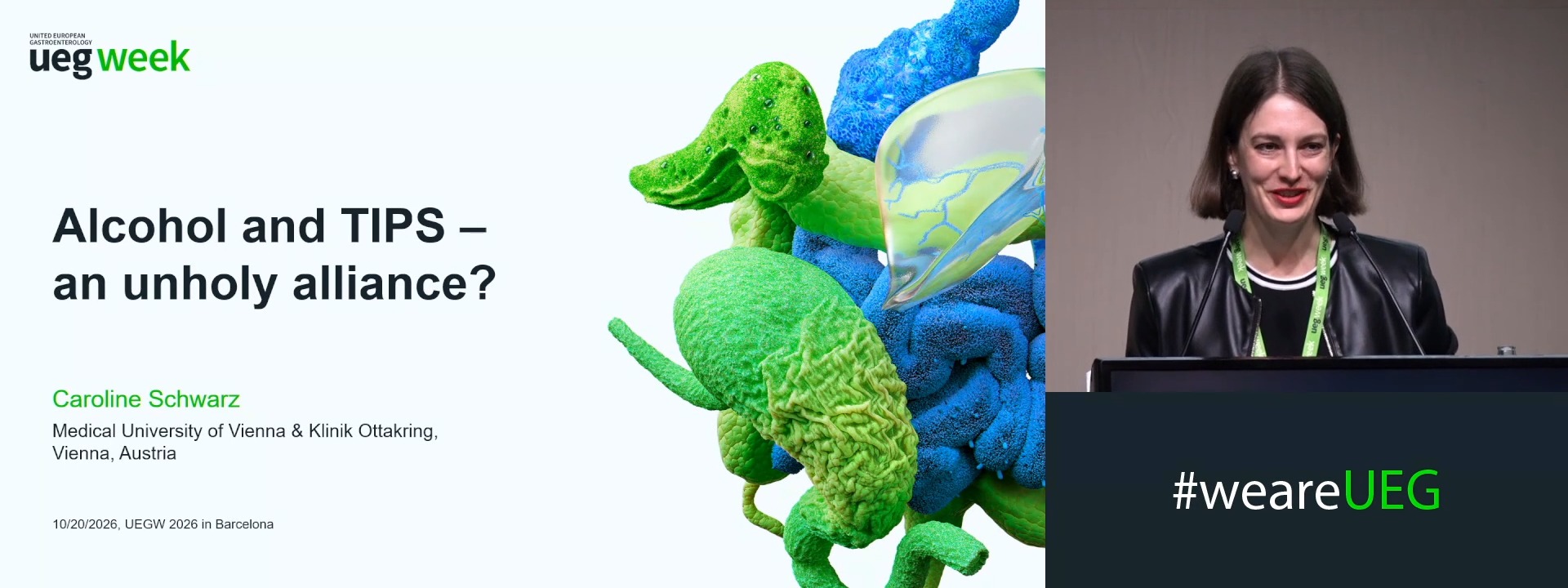
Alcohol and TIPS - an unholy alliance?
Affiliations
1 Klinik Ottakring, Vienna, Austria
Log in to continue.
This content is part of Gutflix. Log in with your myUEG account, or create one free, to watch it.
Not sure what you can access? Learn more about account types.
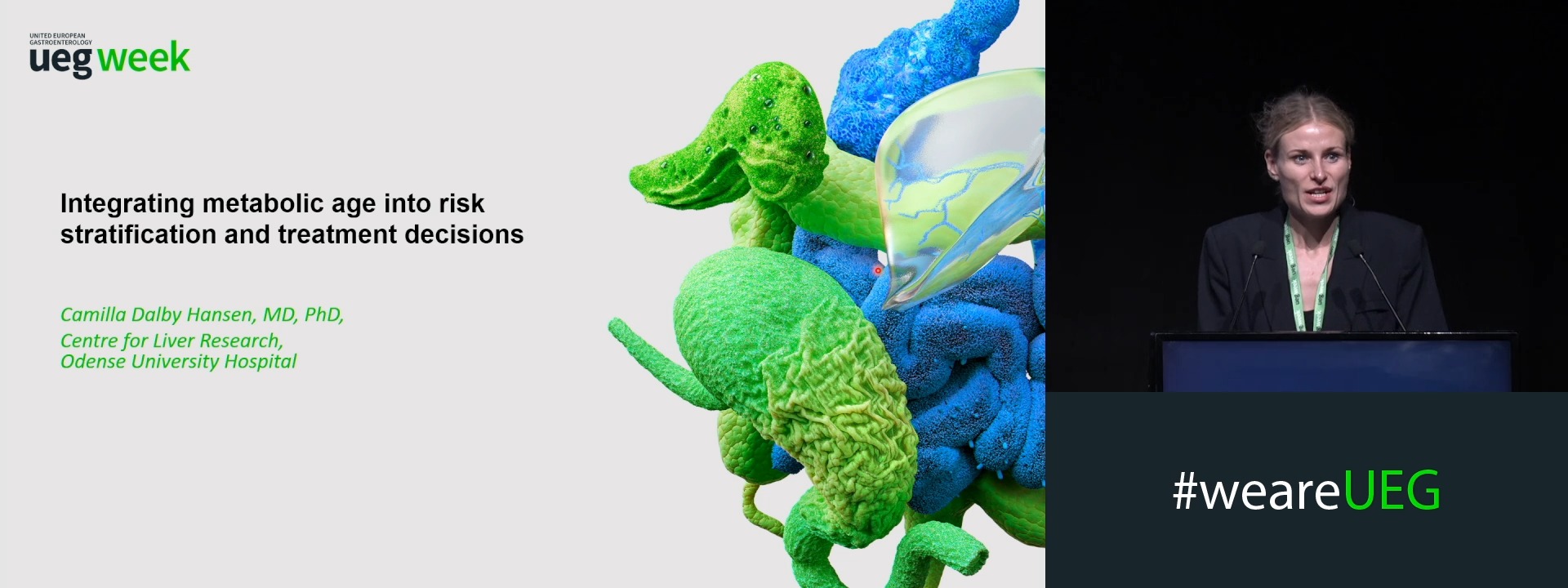
Integrating metabolic age into risk stratification and treatment decisions
Affiliations
1 Odense University Hospital, Odense, Denmark
Log in to continue.
This content is part of Gutflix. Log in with your myUEG account, or create one free, to watch it.
Not sure what you can access? Learn more about account types.
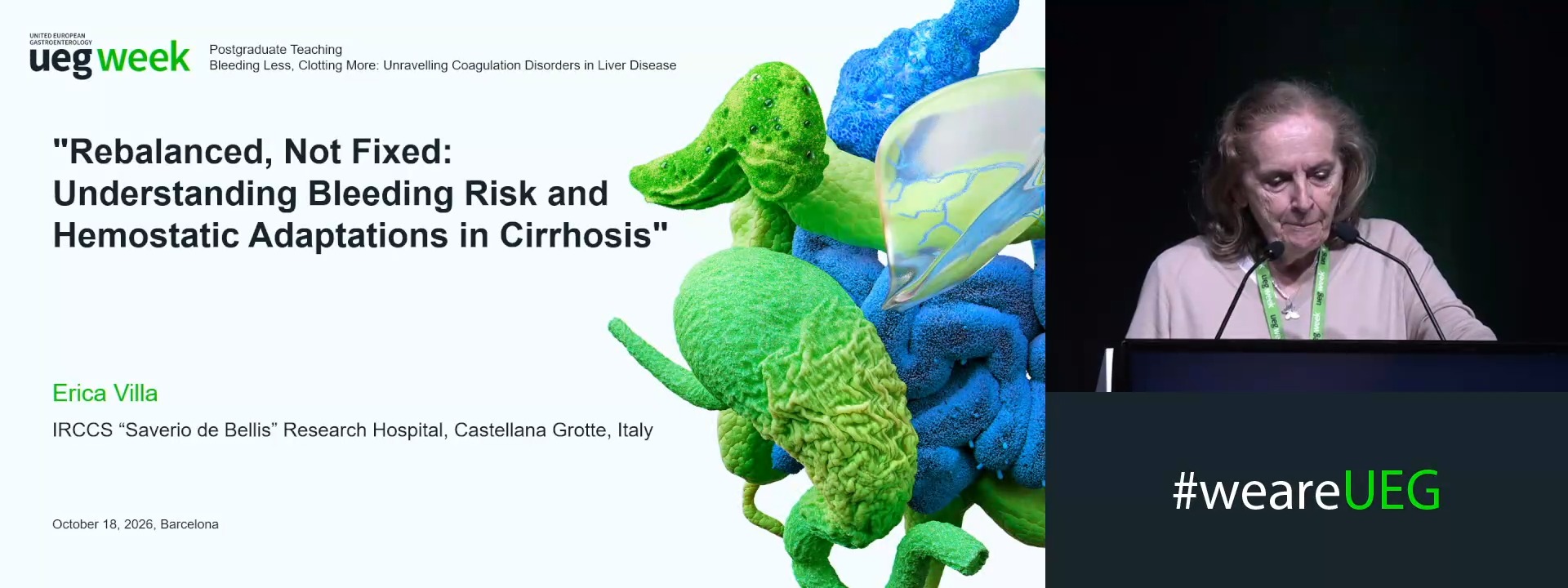
Rebalanced, not fixed: Understanding bleeding risk and haemostatic adaptations in cirrhosis
Affiliations
1 IRCCS Saverio de Bellis, Modena, Italy
Log in to continue.
This content is part of Gutflix. Log in with your myUEG account, or create one free, to watch it.
Not sure what you can access? Learn more about account types.
Q&A: Eating disorders and unexplained weight loss
Log in to continue.
This content is part of Gutflix. Log in with your myUEG account, or create one free, to watch it.
Not sure what you can access? Learn more about account types.
Panel discussion: The pharyngoesophageal junction: A bottleneck in swallowing