UEG's content platform for gastroenterology education bringing recordings, courses, guidelines, and more together in one place.
Trending on Gutflix
Rate for better recommendations!
Your feedback helps us show you more of what you like and less of what you dislike!
Log in to continue.
This content is part of Gutflix. Log in with your myUEG account, or create one free, to watch it.
Not sure what you can access? Learn more about account types.
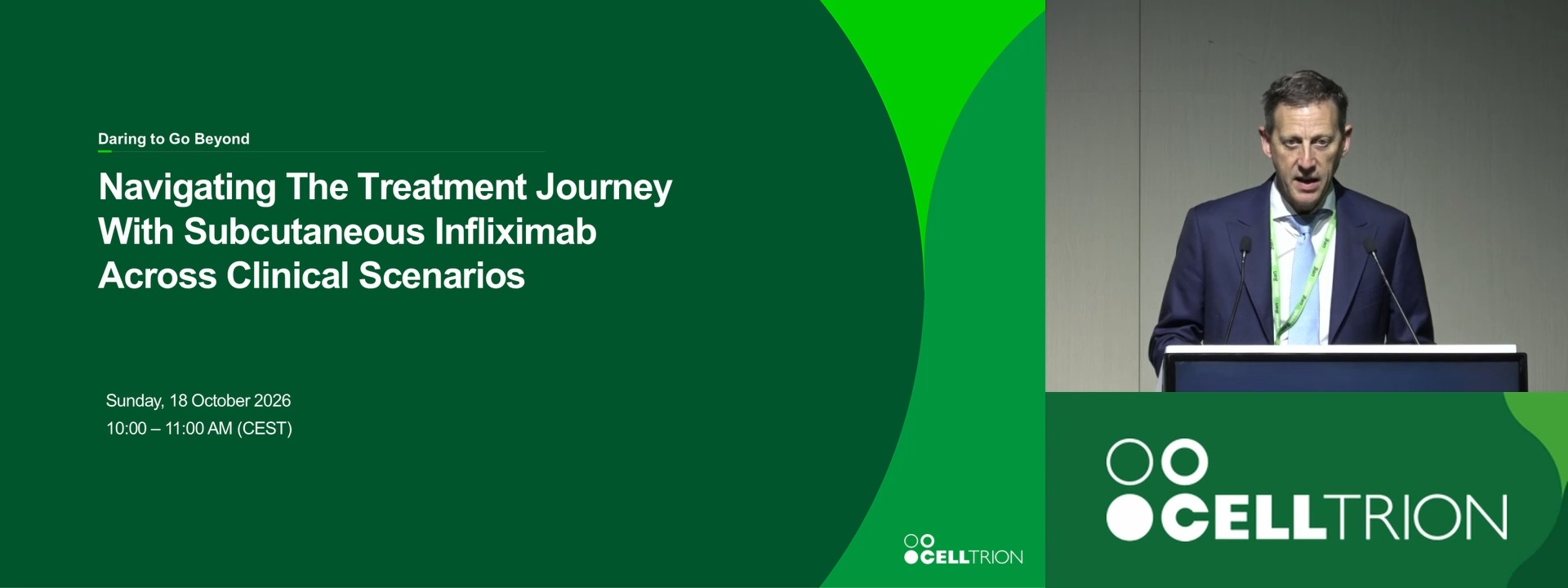
Navigating the Treatment Journey with Subcutaneous Infliximab across Clinical Scenarios (Celltrion) (Complete Session)
Affiliations
1 IBD Unit, London, United Kingdom
2 Inselspital - Bern University Hospital, Bern, Switzerland
3 University Hospitals Leuven and KU Leuven, Translational Research in Gastrointestinal Disorders - IB, Leuven, Belgium
Log in to continue.
This content is part of Gutflix. Log in with your myUEG account, or create one free, to watch it.
Not sure what you can access? Learn more about account types.
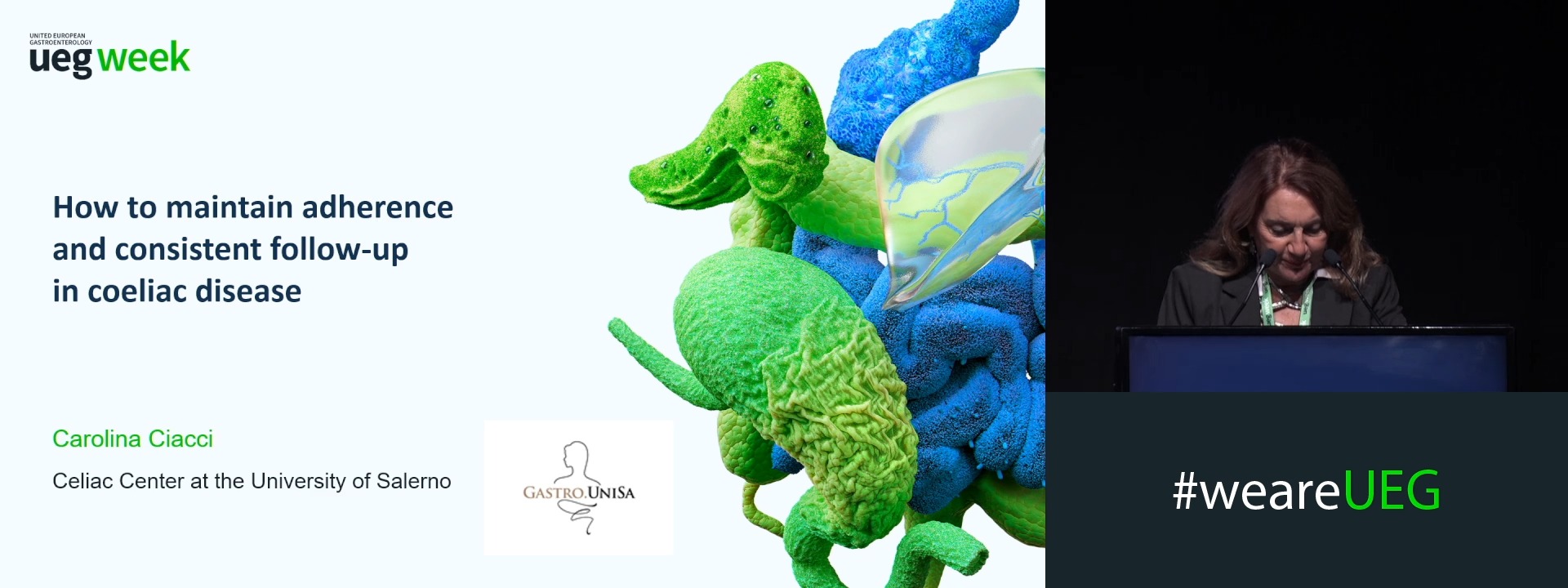
How to maintain adherence and consistent follow-up in coeliac disease
Affiliations
1 University of Salerno, Salerno, Italy
Log in to continue.
This content is part of Gutflix. Log in with your myUEG account, or create one free, to watch it.
Not sure what you can access? Learn more about account types.
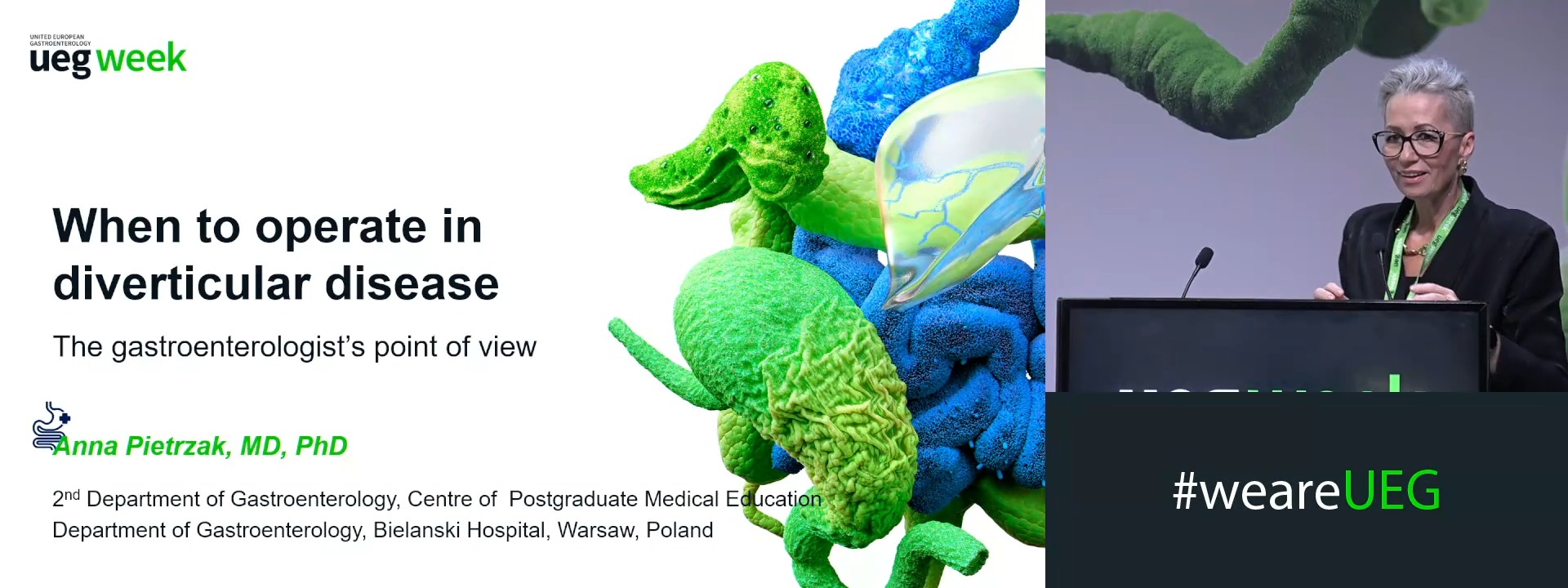
When to operate in diverticular disease: The gastroenterologist's and the surgeon's point of view
Affiliations
1 Medical Centre for Postgraduate Education Gastroenterology and Hepatology, Warsaw, Poland
2 King's College Hospital NHS Foundation Trust, London, United Kingdom
Log in to continue.
This content is part of Gutflix. Log in with your myUEG account, or create one free, to watch it.
Not sure what you can access? Learn more about account types.
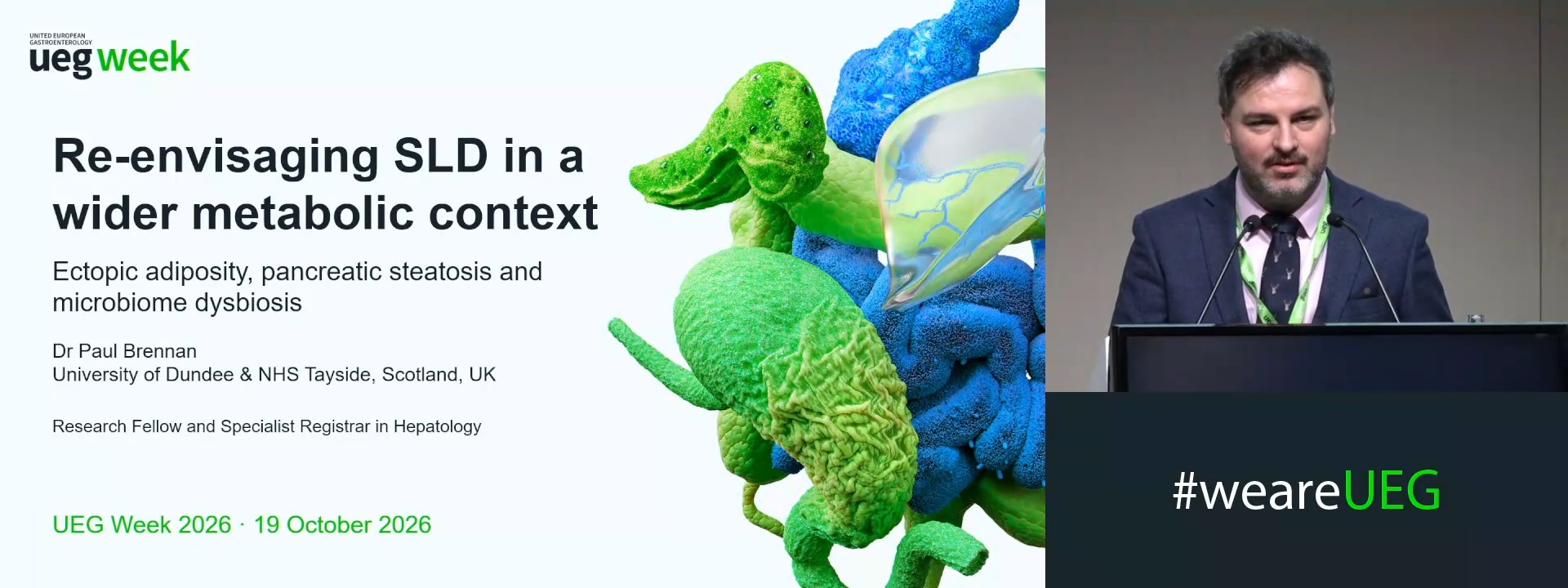
Re‑envisaging SLD in a wider metabolic context: ectopic adiposity, pancreatic steatosis and microbiome dysbiosis
Affiliations
1 Royal Infirmary of Edinburgh, Edinburgh, United Kingdom
Log in to continue.
This content is part of Gutflix. Log in with your myUEG account, or create one free, to watch it.
Not sure what you can access? Learn more about account types.
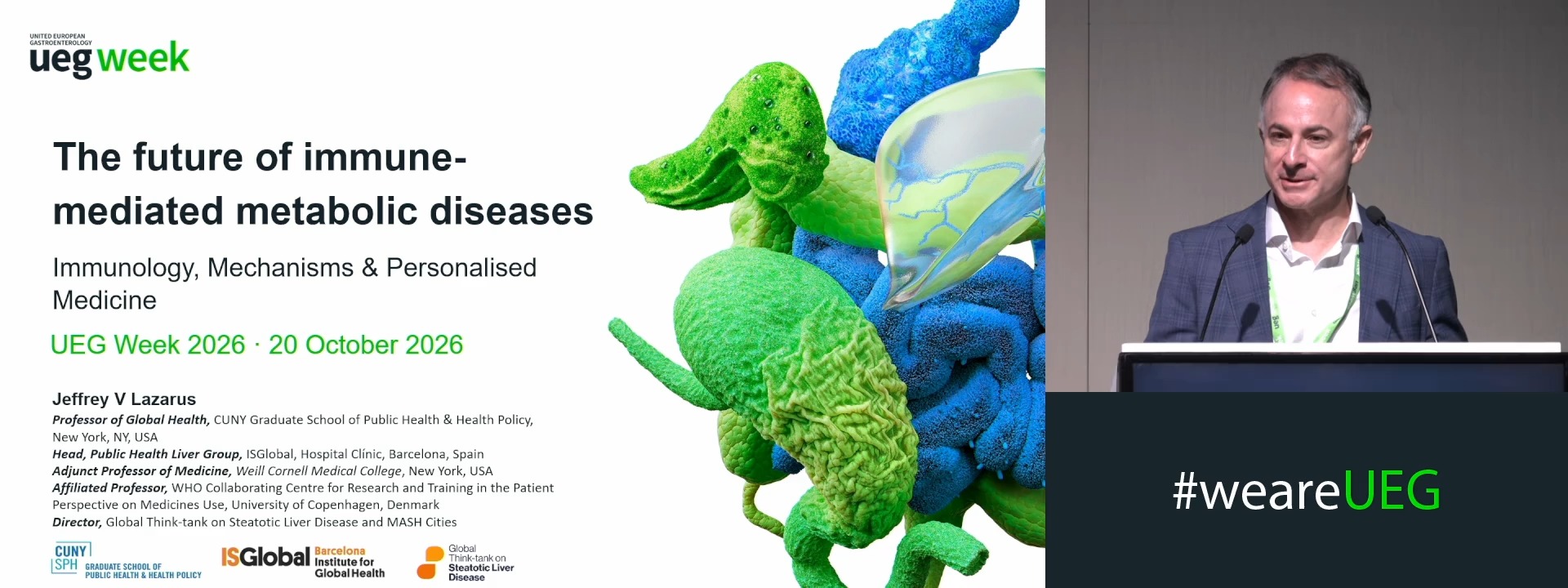
Metabolic liver diseases: Today and tomorrow
Affiliations
1 Barcelona Institute for Global Health (ISGlobal), Barcelona, Spain