UEG Week Recordings UEG Week Posters Online courses Guidelines Mistakes in... Podcasts Webinars
new
Gut Guide online
Visit ueg.eu Create myUEG account Log In

Filters:

UEG Mistakes In Articles
Share via Email Share on Facebook Share on X Share on LinkedIn Share on Bluesky

Log in to access this content.

Free for all myUEG account holders. Your access level is set automatically based on your occupation. Medical professionals get full access to all content. If you are a non-medical user, you can only access UEG Week content from congresses you attended.

Log In Create a free account

Not sure what you can access? Learn more about account types.
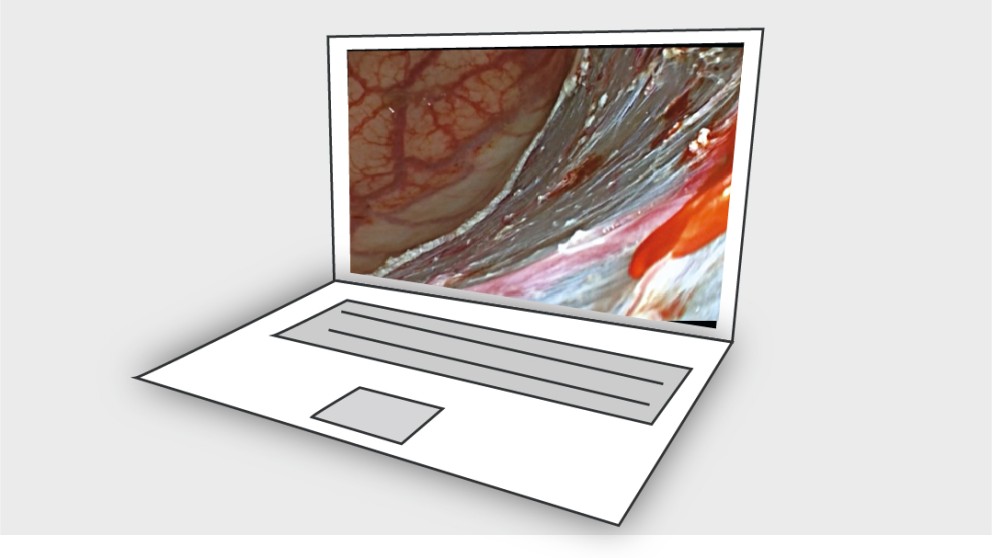
Endoscopic resection is a widespread, advanced endoscopic technique that can be used to remove superficial lesions in the gastrointestinal tract. Lesions present in all parts of the gastrointestinal tract, such as the oesophagus, stomach, duodenum, small intestine and, above all, colon, can be removed by endoscopic resection. Lesion detection and characterization, the use of appropriate resection devices and methods, and the management of malignant polyps are all important parts of a multistep process that requires training, experience, expertise and a multidisciplinary approach.  The diagnostic and therapeutic mistakes discussed here are based on our endoscopic experience. We present the most important mistakes that are often seen in endoscopic resection in our practice and have major consequences for the patient. We propose, from our experience, a simple approach to avoid these mistakes.

Mistakes in endoscopic resection and how to avoid them

Mistakes in endoscopic resection and how to avoid them

Alessandro Repici, Francesco Auriemma

Topics

Endoscopy

Citation

Auriemma F and Repici A. Mistakes in endoscopic resection and how to avoid them. UEG Education 2017; 17: 27–29

Published

2017
UEG Mistakes In Articles
Share via Email Share on Facebook Share on X Share on LinkedIn Share on Bluesky

Log in to access this content.

Free for all myUEG account holders. Your access level is set automatically based on your occupation. Medical professionals get full access to all content. If you are a non-medical user, you can only access UEG Week content from congresses you attended.

Log In Create a free account

Not sure what you can access? Learn more about account types.

Adequate nutrition is essential for the homeostasis of fluids and nutrients, growth and thriving, especially in children. While the underlying principle of percutaneous endoscopic gastrostomy (PEG) placement is the same for both adults and children—providing a means of enteral feeding through the stomach—the indications, considerations and techniques differ owing to anatomical differences, age-dependent physiological concerns, and the age- and disease-specific needs of the child.

If feeding via nasogastric tube (NGT) or naso-jejunal tube (NJT) is necessary for a prolonged time, placement of a PEG or percutaneous endoscopic gastro-jejunal (PEG-J) tube should be considered. A PEG tube also allows the delivery of medications and venting of the stomach when needed. Nutrition via PEG facilitates the transition to out-of-hospital care and improves the quality of life (QoL) for children and families while improving the outcome of children with chronic diseases.

There are recent clinical guidelines providing guidance for PEG tube placement in children, but little advice on, e.g., choosing the right device for the right patient, details on postoperative management, removal of the PEG tube and other specific cases. The following article provides a combination of evidence-based data and the authors’ clinical experience.

Mistakes in gastrostomy insertion in children and adolescents and how to avoid them

Mistakes in gastrostomy insertion in children and adolescents and how to avoid them

Christos Tzivinikos, Ilse Broekaert, Jorge Amil Dias, Matjaz Homan

Topics

Paediatrics Small Intestine & Nutrition Stomach & H. Pylori

Citation

Broekaert I.J, Dias J.A, Homan M and Tzivinikos C. Mistakes in gastrostomy insertion in children and adolescents and how to avoid them. UEG Education 2024; 24: 34-38.

Published

2024
UEG Mistakes In Articles
Share via Email Share on Facebook Share on X Share on LinkedIn Share on Bluesky

Log in to access this content.

Free for all myUEG account holders. Your access level is set automatically based on your occupation. Medical professionals get full access to all content. If you are a non-medical user, you can only access UEG Week content from congresses you attended.

Log In Create a free account

Not sure what you can access? Learn more about account types.
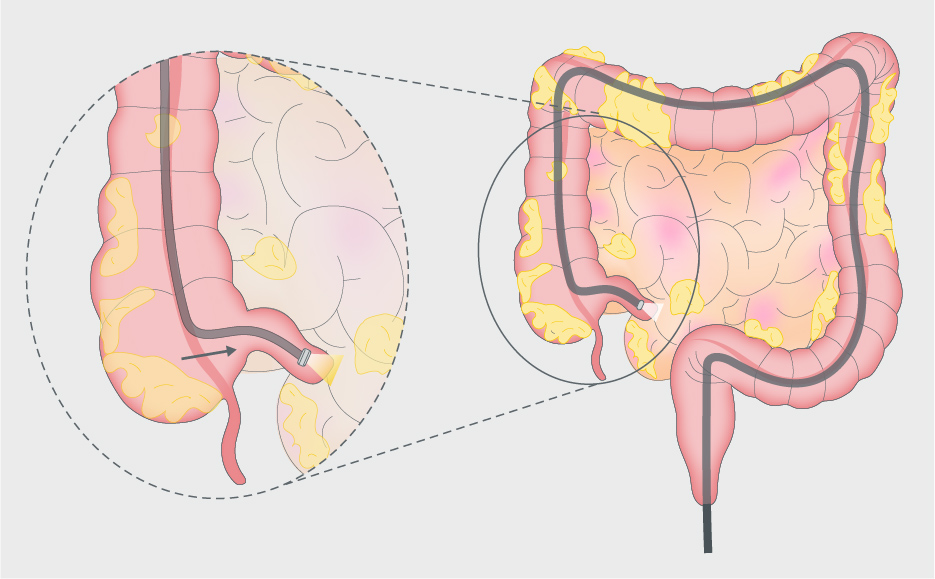
Crohn’s disease (CD) is a chronic inflammatory bowel condition that can present with a wide range of intestinal and extra-intestinal manifestations. This condition can develop at any age and have a significant impact and impairment on quality of life for individuals including on relationships, educational attainment and work productivity. In particular, the time around and after diagnosis often involves the most upheaval for patients, and equally the biggest opportunity for effective intervention. Several recent advances have had a major impact on optimal management of patients with newly diagnosed CD. Here, we discuss the mistakes that are commonly made when managing patients presenting with a new diagnosis of CD. We summarise the evidence base and offer helpful and pragmatic tips for practising clinicians.

Mistakes in newly diagnosed Crohn's disease and how to avoid them

Mistakes in newly diagnosed Crohn's disease and how to avoid them

Joana Roseira, Nurulamin Noor

Topics

IBD

Citation

Roseira J and Noor N. Mistakes in newly diagnosed crohn's disease and how to avoid them. UEG Education 2025; 25: 18-23.

Published

2025
UEG Mistakes In Articles
Share via Email Share on Facebook Share on X Share on LinkedIn Share on Bluesky

Log in to access this content.

Free for all myUEG account holders. Your access level is set automatically based on your occupation. Medical professionals get full access to all content. If you are a non-medical user, you can only access UEG Week content from congresses you attended.

Log In Create a free account

Not sure what you can access? Learn more about account types.
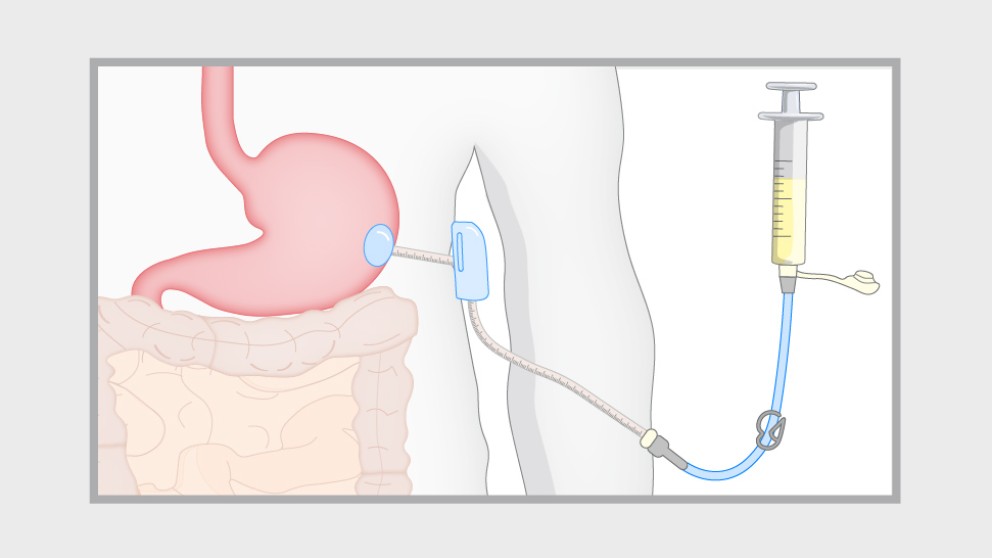
Long-term enteral nutrition via gastrostomy is a relatively common medical intervention for patients at risk of malnutrition who have an accessible and functioning gastrointestinal tract. There are clear clinical guidelines describing the principles of practice as well as numerous retrospective and non-randomised controlled studies and case series. However, fewer publications impart advice and guidance regarding the management and ‘patient selection’ for these interventions. The following article provides a combination of the author’s views and the evidence base.

Mistakes in gastrostomy insertion and how to avoid them

Mistakes in gastrostomy insertion and how to avoid them

Tom Welbank

Topics

Small Intestine & Nutrition Stomach & H. Pylori

Citation

Welbank T, Mistakes in gastrostomy insertion ingestion and how to avoid them. UEG Education 2024; 24: 8-11.

Published

2024
UEG Standards and Guidelines
Clinical Practice Guideline
Share via Email Share on Facebook Share on X Share on LinkedIn Share on Bluesky

Log in to access this content.

Free for all myUEG account holders. Your access level is set automatically based on your occupation. Medical professionals get full access to all content. If you are a non-medical user, you can only access UEG Week content from congresses you attended.

Log In Create a free account

Not sure what you can access? Learn more about account types.

ABSTRACT

Introduction

Since the publication of the first European Society for the Study of Coeliac Disease (ESsCD) guidelines in 2019, significant advancements have emerged in the diagnosis of coeliac disease (CeD) in adults. These 2025 guidelines incorporate new evidence to refine diagnostic strategies, aiming for improved accuracy of testing, and enhance overall quality of clinical care.

Methods

A multidisciplinary panel of experts revised the ESsCD guidelines using the AGREE II instrument (Appraisal of Guidelines for Research and Evaluation II) and the GRADE methodology (The Grading of Recommendations Assessment, Development, and Evaluation). Clinical questions were structured using the PICO format, and statements and recommendations were finalised through a Delphi consensus process. Literature quality was assessed using AMSTAR-2 and QUADAS-2 tools.

Results

The updated guidelines are presented in two parts. Part 1 focuses on adult CeD diagnosis, introducing major changes such as a conditional no-biopsy approach for selected adults with high-titre IgA anti-TG2 serology (≥ 10 × ULN). Regarding serology, the use of validated high-performance ELISAs displaying a high diagnostic accuracy is emphasised, while routine use of IgA anti-Endomysium serology is no longer recommended for confirmation. Revised duodenal biopsy protocols now mandate at least four samples from the second part of the duodenum, with bulb biopsies conditionally included. The guidelines provide structured approaches for diagnosing potential CeD, seronegative villous atrophy, and CeD in individuals already on a gluten-free diet. HLA-DQ2/DQ8 typing is recommended for diagnostic clarification in select cases.

Conclusions

The updated 2025 ESsCD guidelines provide a comprehensive framework for the diagnosis of CeD in adults. By integrating evolving diagnostic strategies, minimising over-testing, and patient-centred care approaches, they aim to optimise patient outcomes, quality of life and use of diagnostic resources at the same time.

European Society for the Study of Coeliac Disease 2025 Updated Guidelines on the Diagnosis and Management of Coeliac Disease in Adults. Part 1: Diagnostic Approach

European Society for the Study of Coeliac Disease 2025 Updated Guidelines on the Diagnosis and Management of Coeliac Disease in Adults. Part 1: Diagnostic Approach

Abdulbaqi Al-Toma

Guideline

Clinical Practice Guideline

Topics

Small Intestine & Nutrition

Citation

United European Gastroenterology Journal; 2025; 00:1–32

Published

2025
Login to access
UEG Podcast Episode
UEG Podcast
Share via Email Share on Facebook Share on X Share on LinkedIn Share on Bluesky

Log in to access this content.

Free for all myUEG account holders. Your access level is set automatically based on your occupation. Medical professionals get full access to all content. If you are a non-medical user, you can only access UEG Week content from congresses you attended.

Log In Create a free account

Not sure what you can access? Learn more about account types.

Coeliac disease with David Sanders

David S. Sanders, Pradeep Mundre

Topics

Small Intestine & Nutrition

Published

2026
UEG Podcast Episode
Journal Podcast
Share via Email Share on Facebook Share on X Share on LinkedIn Share on Bluesky

Log in to access this content.

Free for all myUEG account holders. Your access level is set automatically based on your occupation. Medical professionals get full access to all content. If you are a non-medical user, you can only access UEG Week content from congresses you attended.

Log In Create a free account

Not sure what you can access? Learn more about account types.

Transcriptomic dive into microscopic colitis

Celia Escudero-Hernández, Ahsen Ustaoglu

Topics

IBD

Published

2024

The global reference point for the digestive health community

Platform Publisher

United European Gastroenterology

Wickenburggasse 1 1080 Vienna, Austria

Contact us

support@ueg.eu

ueg.eu

T: +43 1 997 1639

Legal

Terms & Conditions

Imprint

Privacy Policy

Explore

My Bookmarks

My recommendations

My fields of interest

© 2026 United European Gastroenterology

Change fields of interest

These fields are selected based on the interests in your myUEG profile.
Click the item to unselect it. You can select multiple items.