UEG's content platform for gastroenterology education bringing recordings, courses, guidelines, and more together in one place.
Trending on Gutflix
Rate for better recommendations!
Your feedback helps us show you more of what you like and less of what you dislike!
Log in to continue.
This content is part of Gutflix. Log in with your myUEG account, or create one free, to watch it.
Not sure what you can access? Learn more about account types.
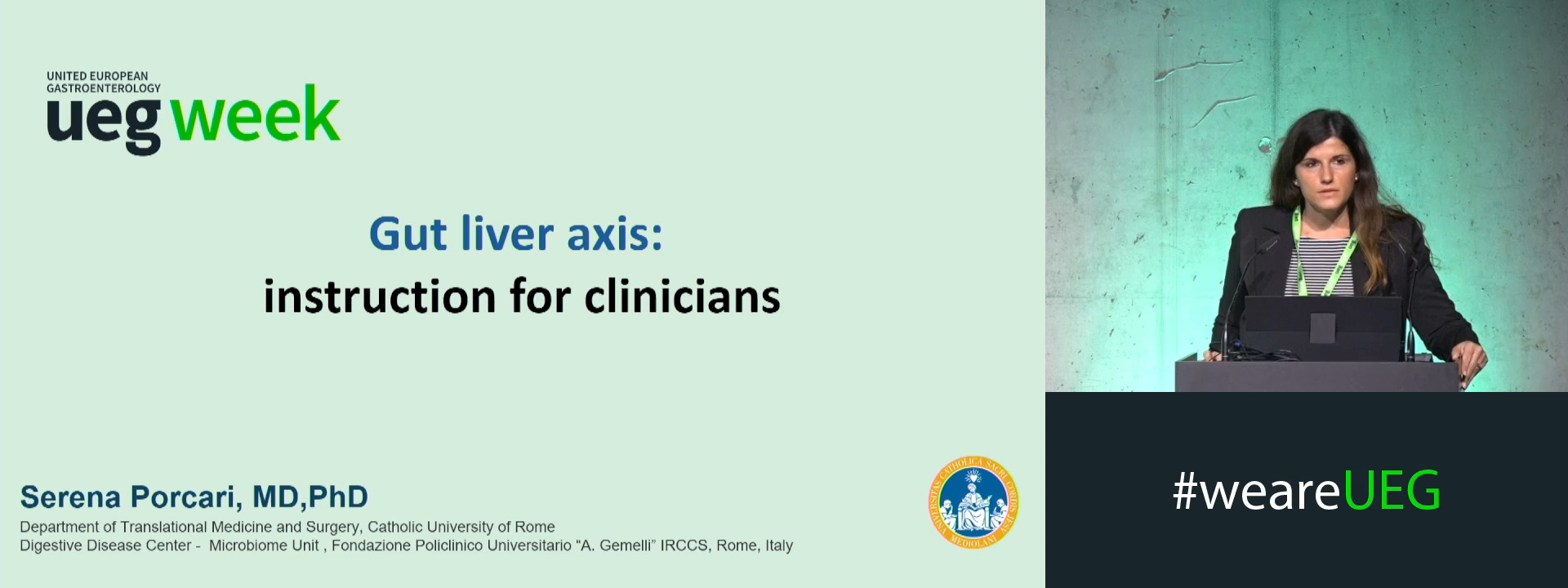
Microbiome: Implications for clinicians - gut-liver and gut-pancreas axis
Affiliations
1 Universitätsklinikum Göttingen, Hamburg, Germany
2 Fondazione Policlinico Universitario 'A.Gemelli' - IRCCS, MONTEROTONDO - ROME, Italy
Log in to continue.
This content is part of Gutflix. Log in with your myUEG account, or create one free, to watch it.
Not sure what you can access? Learn more about account types.
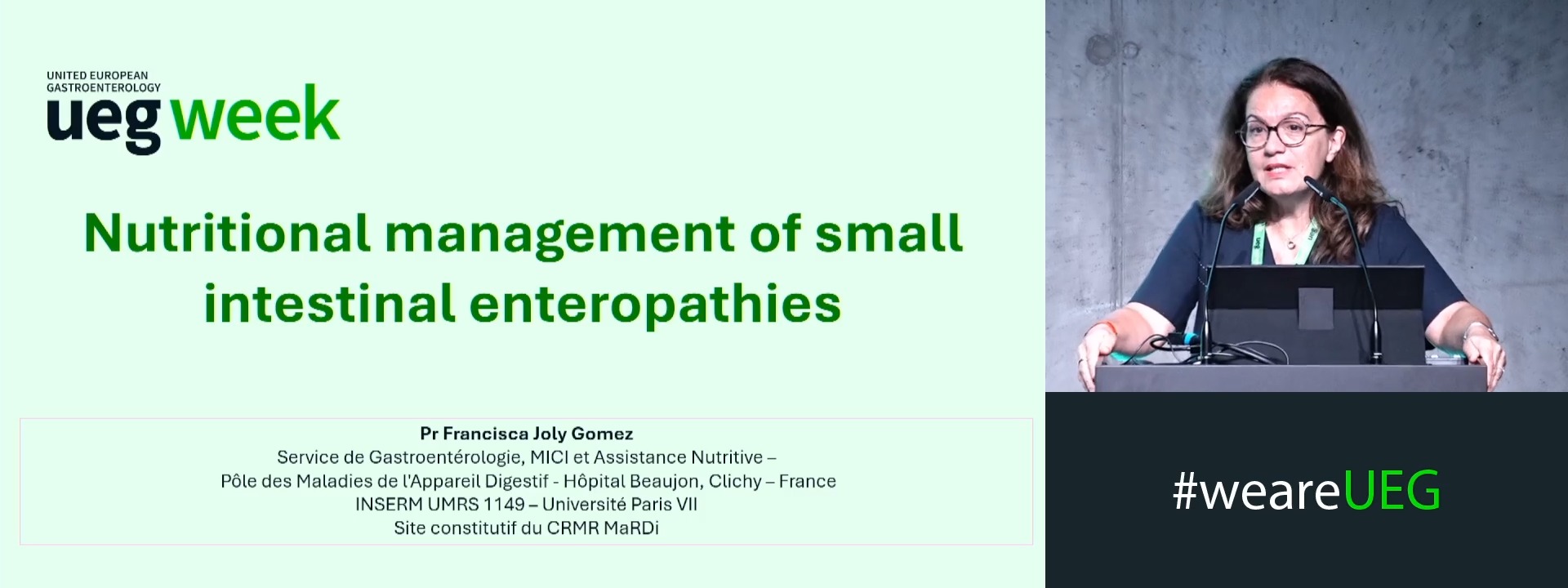
Nutritional management of small intestinal enteropathies
Affiliations
1 Beaujon Hospital, Assistance Publique-Hôpitaux de Paris, Clichy, France

Log in to continue.
This content is part of Gutflix. Log in with your myUEG account, or create one free, to watch it.
Not sure what you can access? Learn more about account types.
Chronic constipation (Complete Session)
Log in to continue.
This content is part of Gutflix. Log in with your myUEG account, or create one free, to watch it.
Not sure what you can access? Learn more about account types.
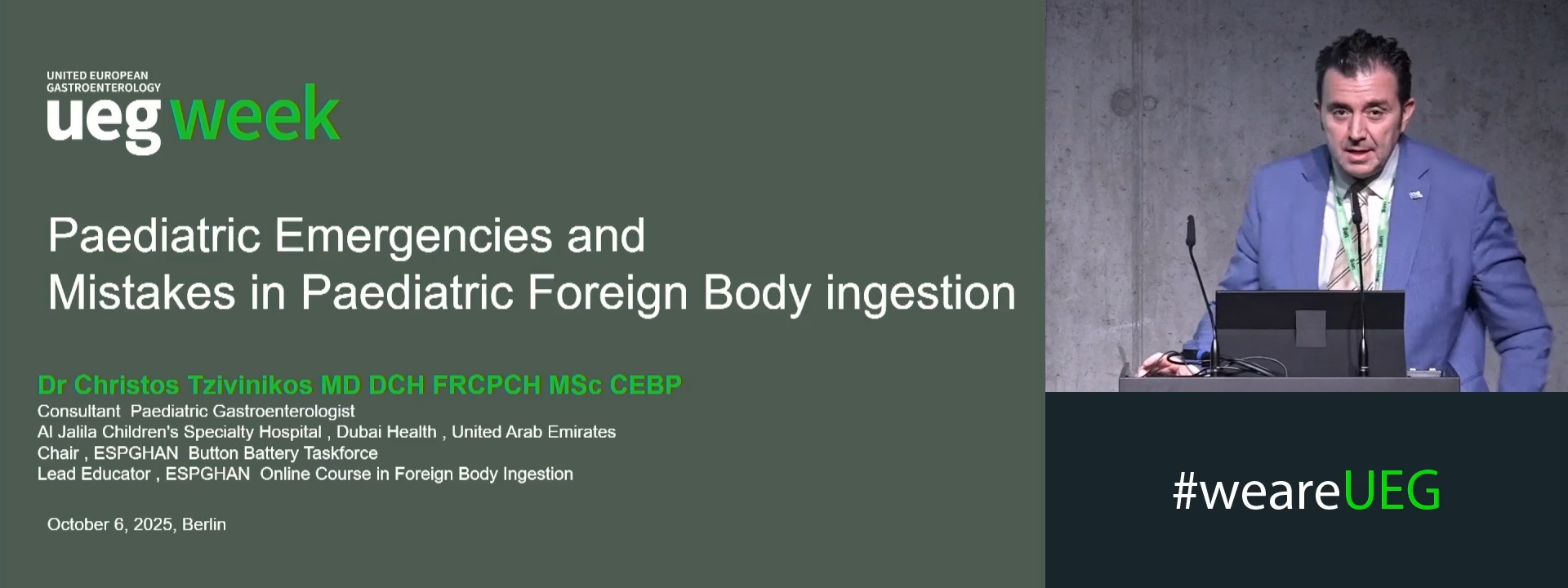
Pediatric emergencies
Affiliations
1 Al Jalila Children's Specialty Hospital, DUBAI, United Arab Emirates
Log in to continue.
This content is part of Gutflix. Log in with your myUEG account, or create one free, to watch it.
Not sure what you can access? Learn more about account types.
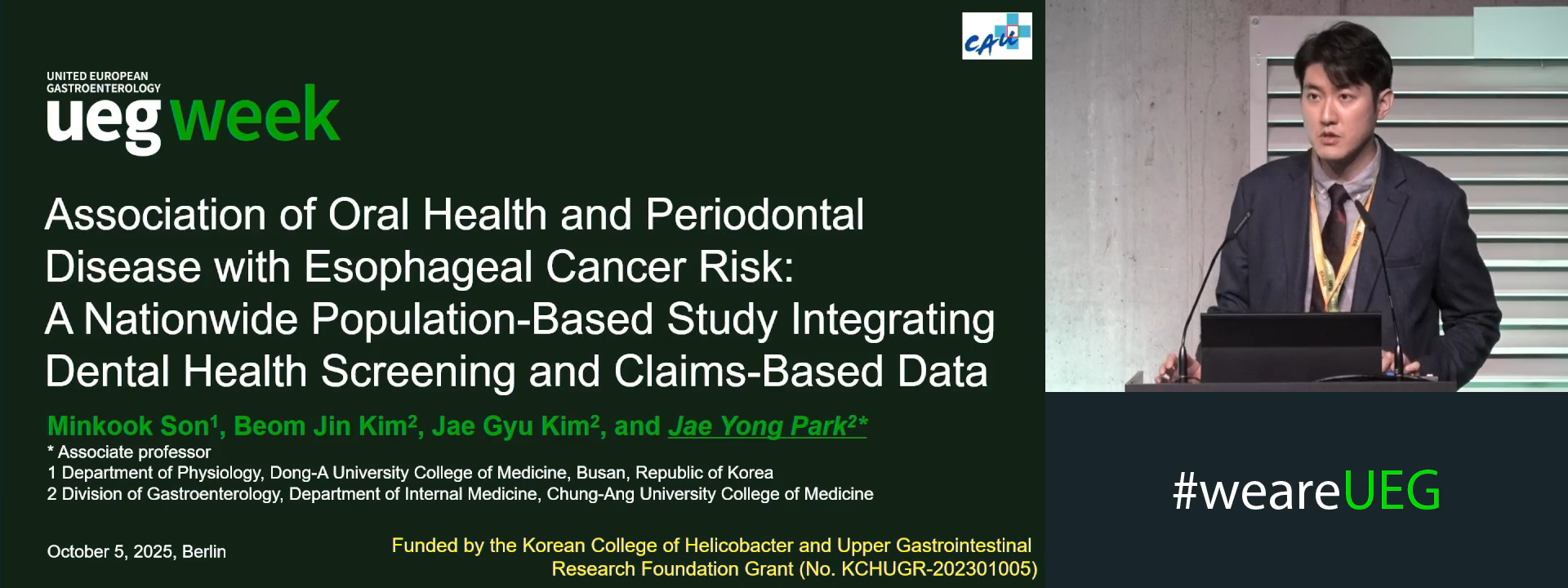
ASSOCIATION OF ORAL HEALTH AND PERIODONTAL DISEASE WITH ESOPHAGEAL CANCER RISK: A NATIONWIDE POPULATION-BASED STUDY INTEGRATING DENTAL HEALTH SCREENING AND CLAIMS-BASED DATA
Affiliations
1 Dong-A University College of Medicine, Busan, Korea, Republic of
2 Chung-Ang University College of Medicine, Seoul, Korea, Republic of
Log in to continue.
This content is part of Gutflix. Log in with your myUEG account, or create one free, to watch it.
Not sure what you can access? Learn more about account types.
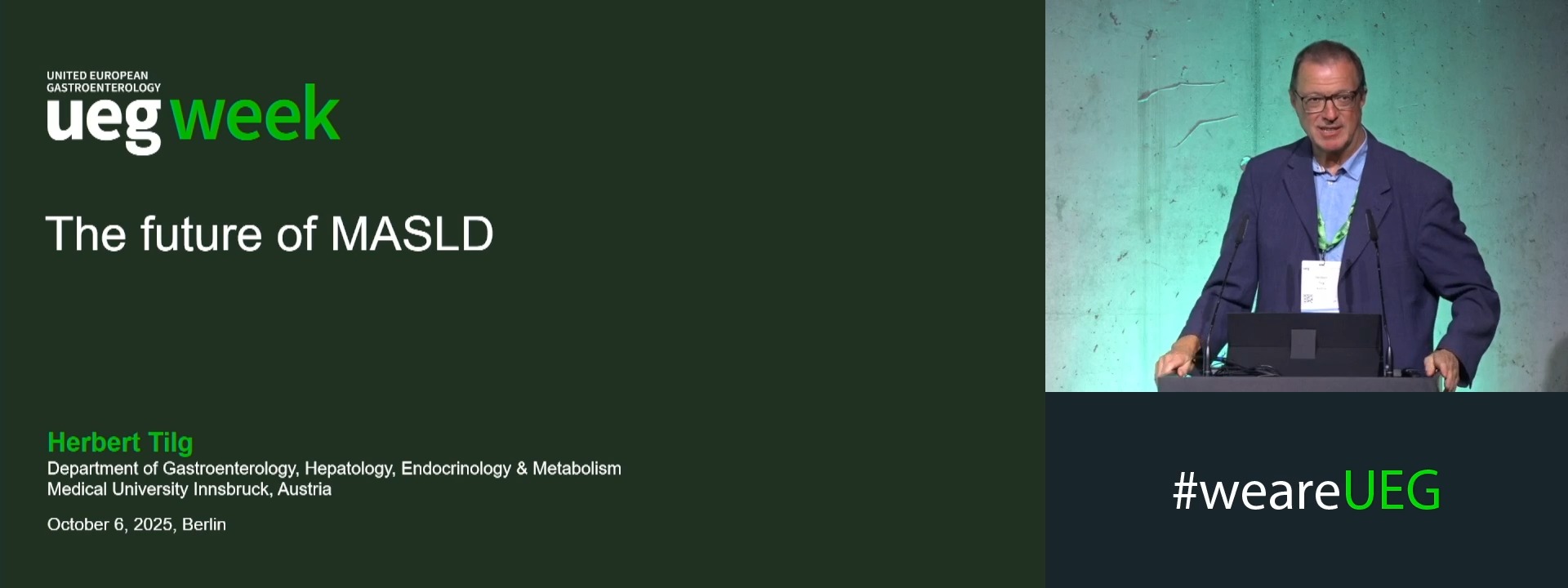
The future of MASLD
Affiliations
1 Innsbruck Medical University - Department of Medicine, Innsbruck Medical University; Innsbruck/AT, Innsbruck, Austria