UEG's content platform for gastroenterology education bringing recordings, courses, guidelines, and more together in one place.
Trending on Gutflix
Rate for better recommendations!
Your feedback helps us show you more of what you like and less of what you dislike!
Log in to continue.
This content is part of Gutflix. Log in with your myUEG account, or create one free, to watch it.
Not sure what you can access? Learn more about account types.
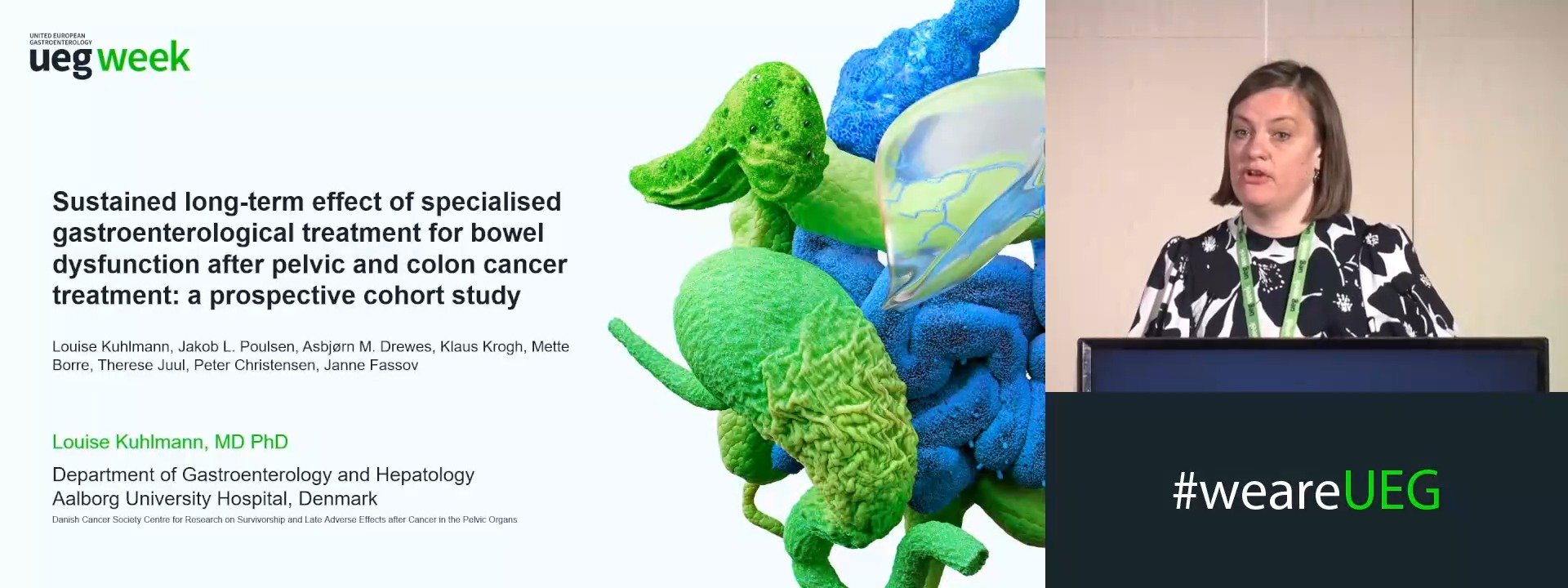
SUSTAINED LONG-TERM EFFECT OF SPECIALISED GASTROENTEROLOGICAL TREATMENT FOR BOWEL DYSFUNCTION AFTER PELVIC AND COLON CANCER TREATMENT: A PROSPECTIVE COHORT STUDY
Louise Kuhlmann Asferg 1, Jakob Lykke Poulsen 1, Asbjørn Mohr Drewes 1, Klaus Krogh 2, Mette Borre 2, Therese Juul 2, Peter Christsensen 3, Janne Ladefoged Fassov 4
Affiliations
1 Aalborg University Hospital, Gistrup, Denmark
2 Aarhus University Hospital, Aarhus N, Denmark
3 Aarhus University Hospital, Aarhus, Denmark
4 Diagnostisk Center (Medicinsk afd.), Aarhus, Denmark
Log in to continue.
This content is part of Gutflix. Log in with your myUEG account, or create one free, to watch it.
Not sure what you can access? Learn more about account types.
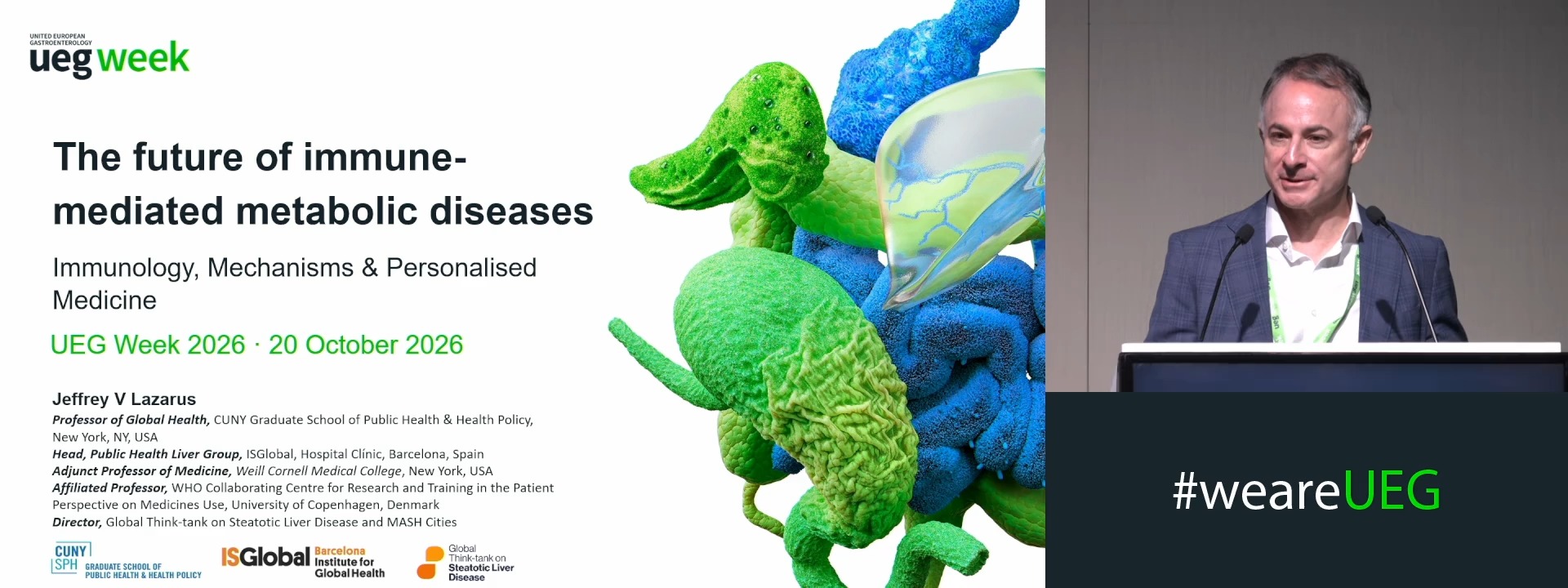
Metabolic liver diseases: Today and tomorrow
Affiliations
1 Barcelona Institute for Global Health (ISGlobal), Barcelona, Spain
Log in to continue.
This content is part of Gutflix. Log in with your myUEG account, or create one free, to watch it.
Not sure what you can access? Learn more about account types.
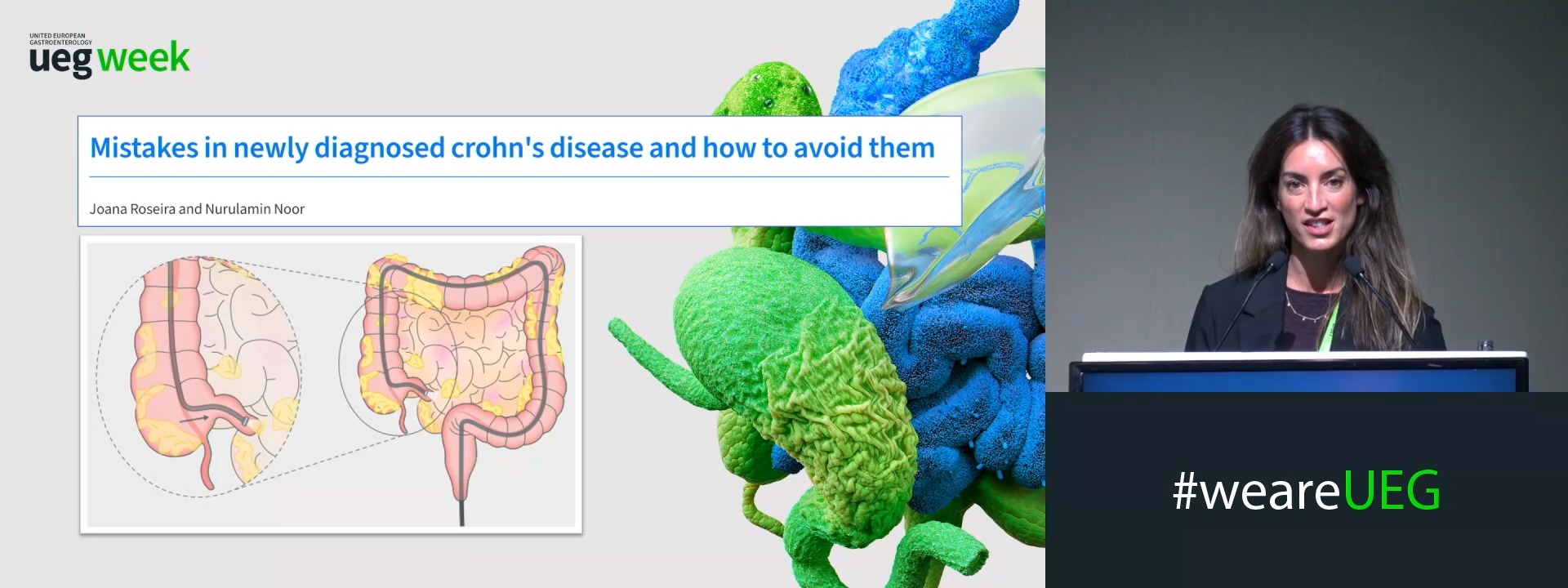
Newly diagnosed Crohn’s disease
Affiliations
1 Algarve Universitary Hospital Center, Portimão, Algarve, Portugal
Log in to continue.
This content is part of Gutflix. Log in with your myUEG account, or create one free, to watch it.
Not sure what you can access? Learn more about account types.
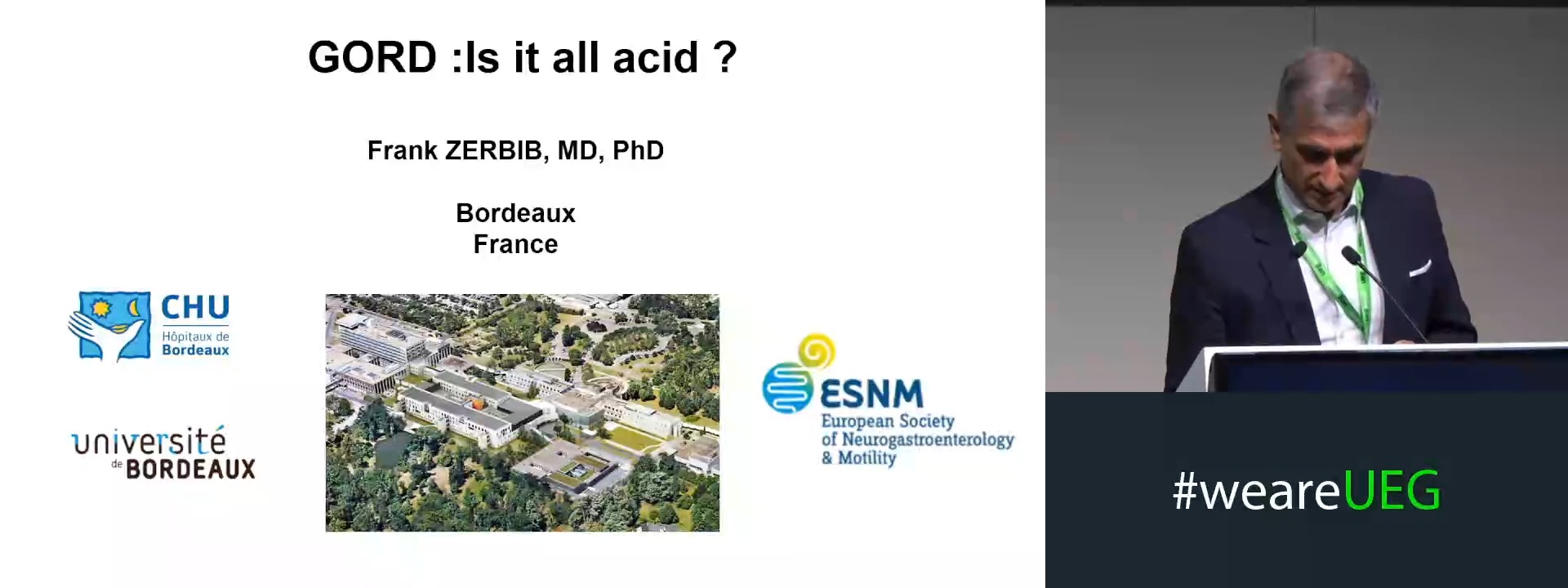
GORD: Is it all acid?
Affiliations
1 CHU de Bordeaux - Hôpital Haut Leveque, Pessac, France
Log in to continue.
This content is part of Gutflix. Log in with your myUEG account, or create one free, to watch it.
Not sure what you can access? Learn more about account types.
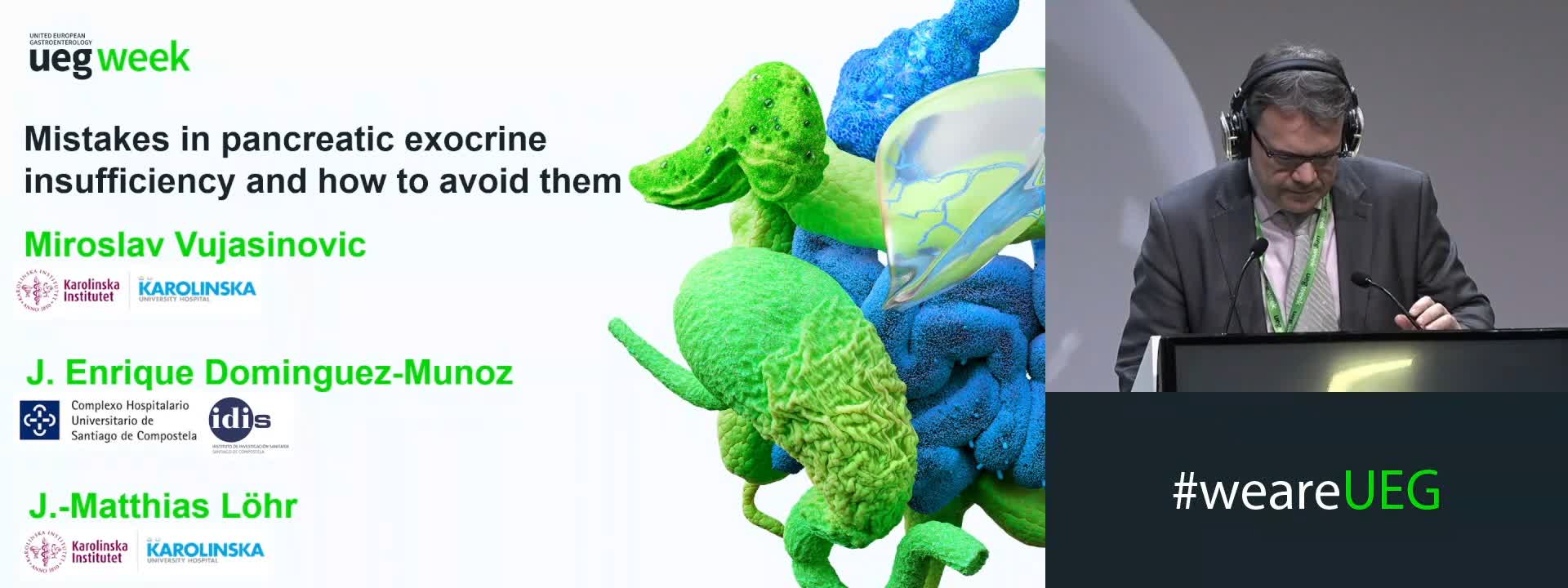
Pancreatic exocrine insufficiency
Affiliations
1 Karolinska University Hospital, Stockholm, Sweden