UEG's content platform for gastroenterology education bringing recordings, courses, guidelines, and more together in one place.
Trending on Gutflix
Rate for better recommendations!
Your feedback helps us show you more of what you like and less of what you dislike!
Log in to continue.
This content is part of Gutflix. Log in with your myUEG account, or create one free, to watch it.
Not sure what you can access? Learn more about account types.
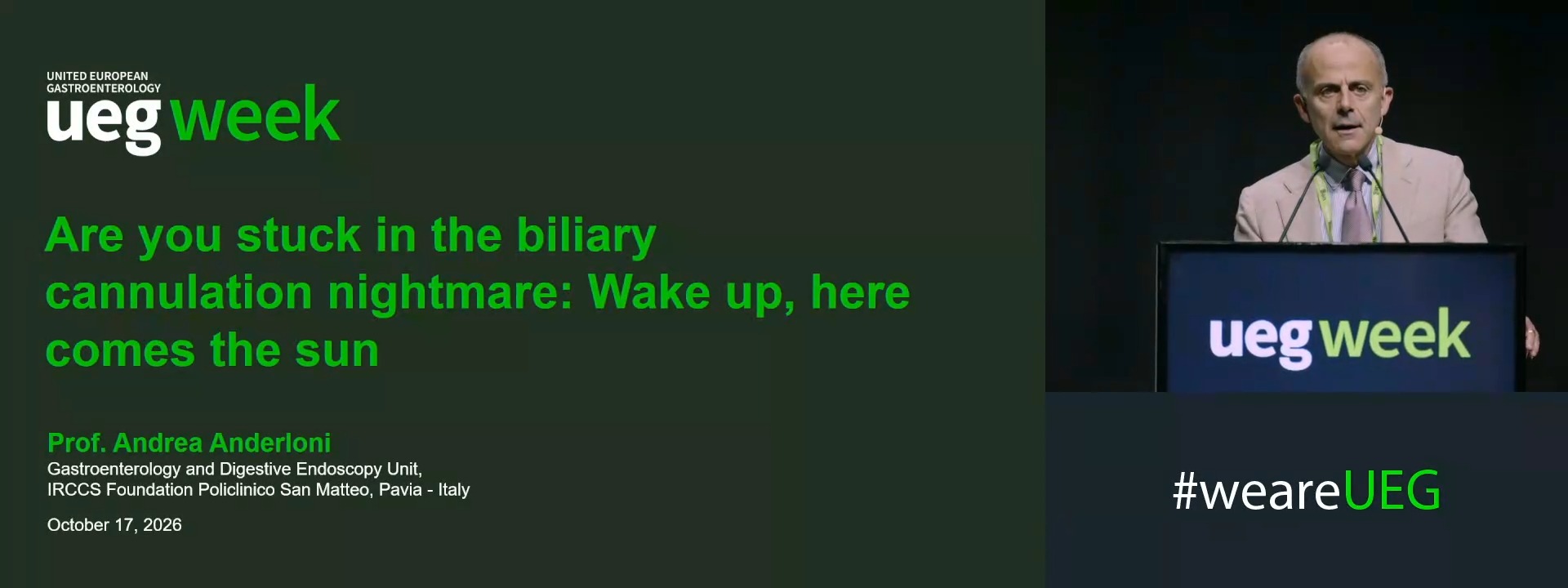
Introduction: Are you stuck in the biliary cannulation nightmare: Wake up, here comes the sun
Affiliations
1 San Matteo Hospital, Pavia, Italy
Log in to continue.
This content is part of Gutflix. Log in with your myUEG account, or create one free, to watch it.
Not sure what you can access? Learn more about account types.
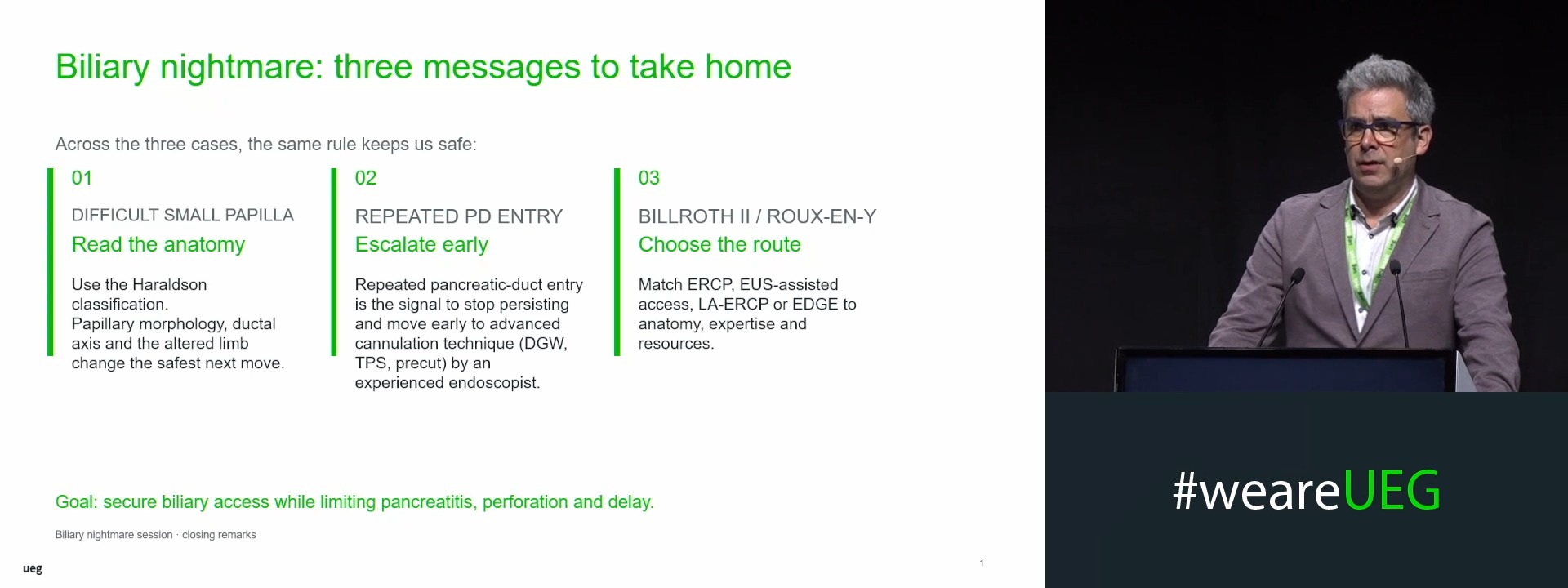
Summary: Are you stuck in the biliary cannulation nightmare: Wake up, here comes the sun
Affiliations
1 Semmelweis University, Budapest, Hungary
Log in to continue.
This content is part of Gutflix. Log in with your myUEG account, or create one free, to watch it.
Not sure what you can access? Learn more about account types.
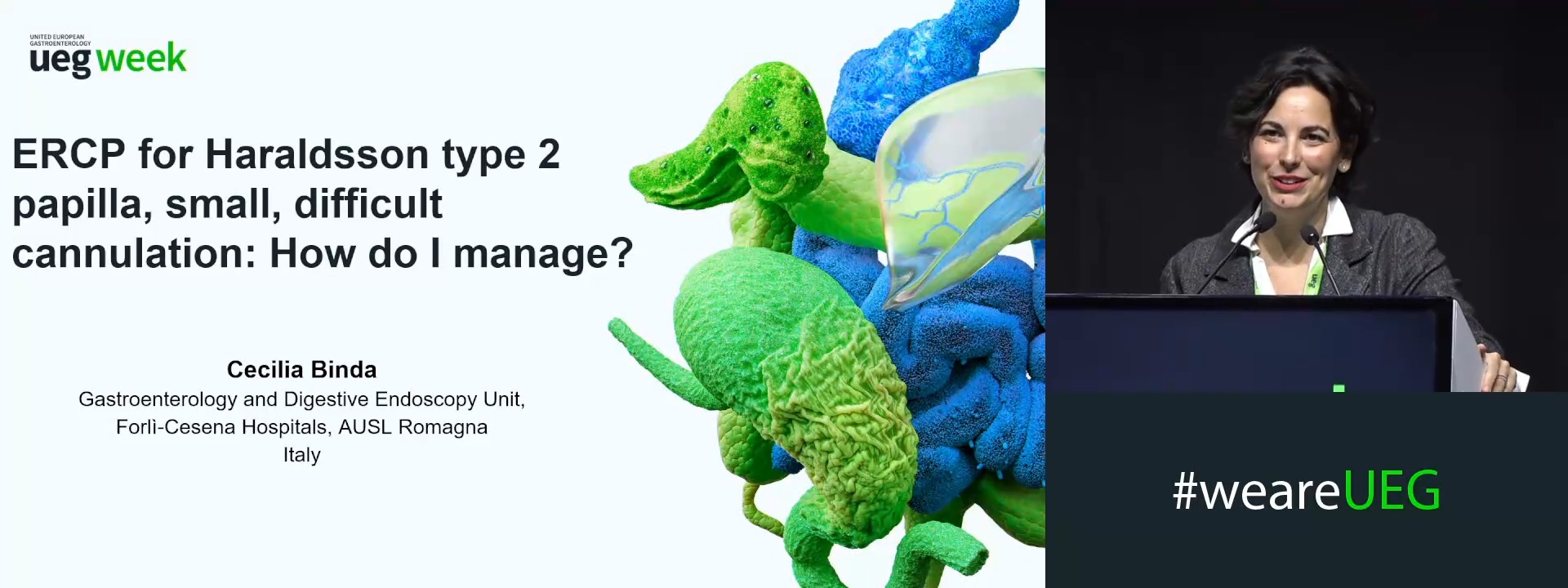
Video case: ERCP for Haraldsson type 2 papilla, small, difficult cannulation: How do I manage?
Affiliations
1 AUSL Romagna, Forlì, Italy
Log in to continue.
This content is part of Gutflix. Log in with your myUEG account, or create one free, to watch it.
Not sure what you can access? Learn more about account types.
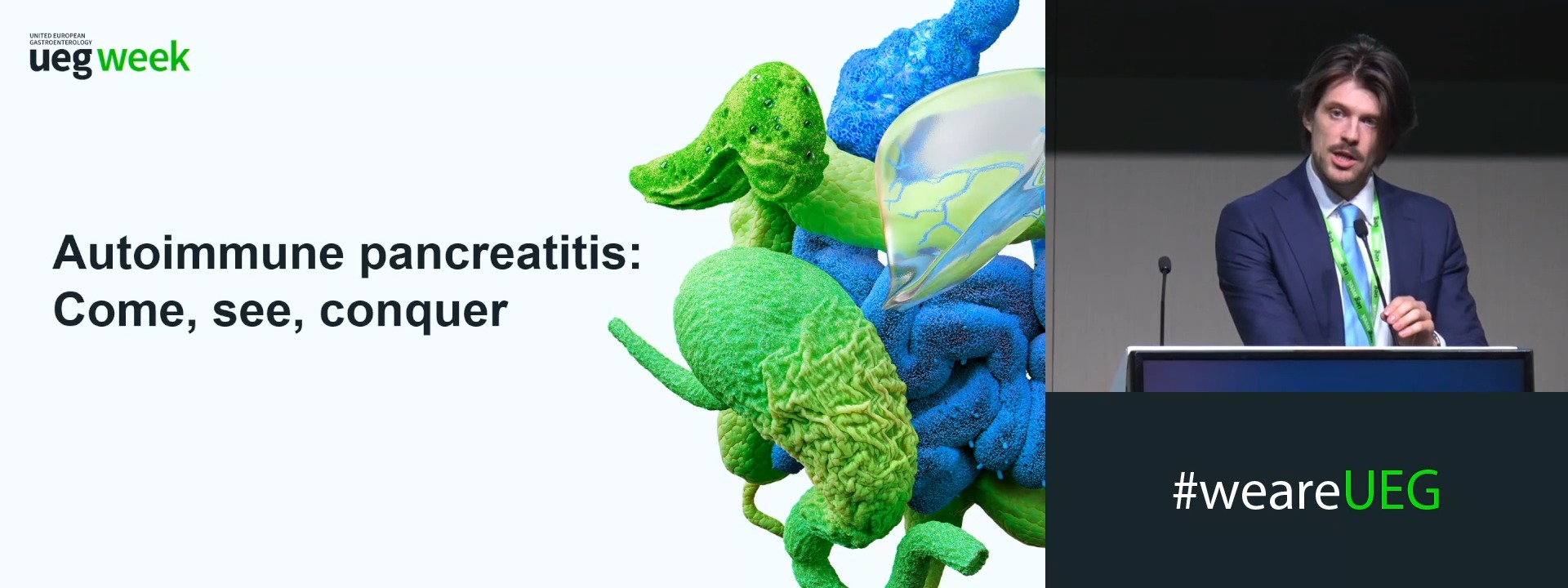
Introduction: Autoimmune pancreatitis: Come, see, conquer
Affiliations
1 Erasmus MC Cancer Institute, University Medical Center, Rotterdam, Netherlands
Log in to continue.
This content is part of Gutflix. Log in with your myUEG account, or create one free, to watch it.
Not sure what you can access? Learn more about account types.
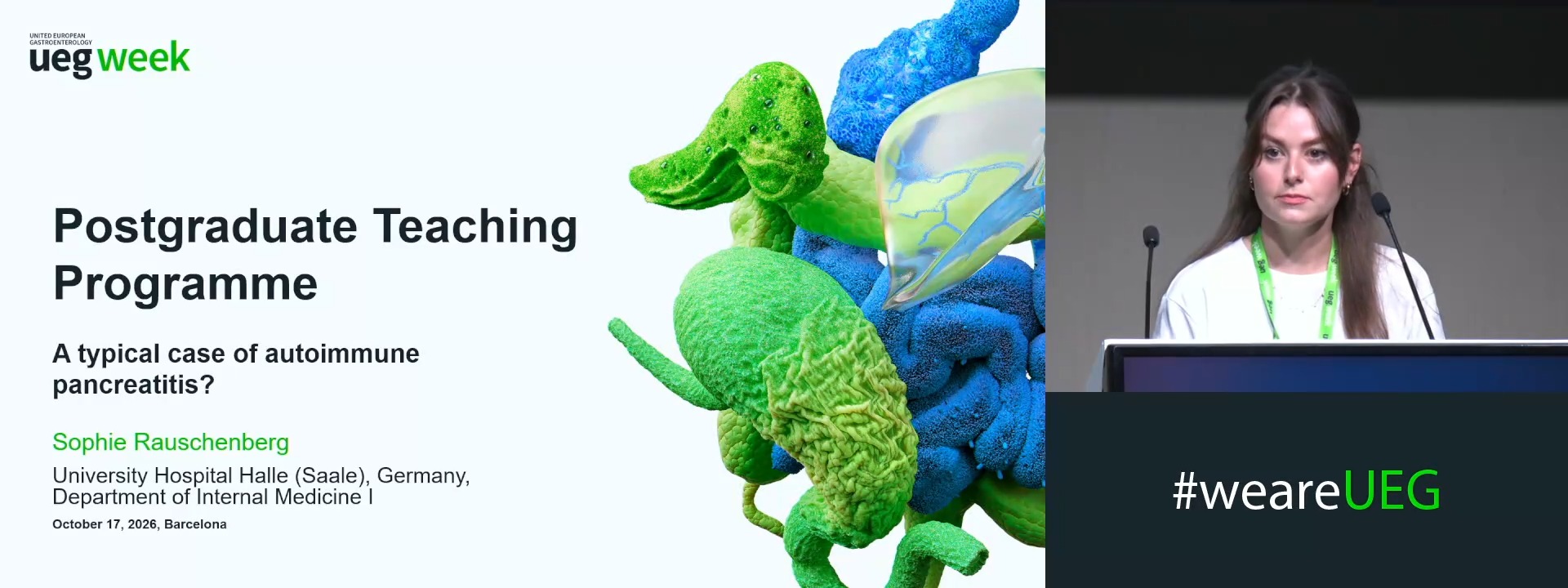
See: A typical case of autoimmune pancreatitis?
Affiliations
1 University Hospital Halle, Halle (Saale), Germany
Log in to continue.
This content is part of Gutflix. Log in with your myUEG account, or create one free, to watch it.
Not sure what you can access? Learn more about account types.
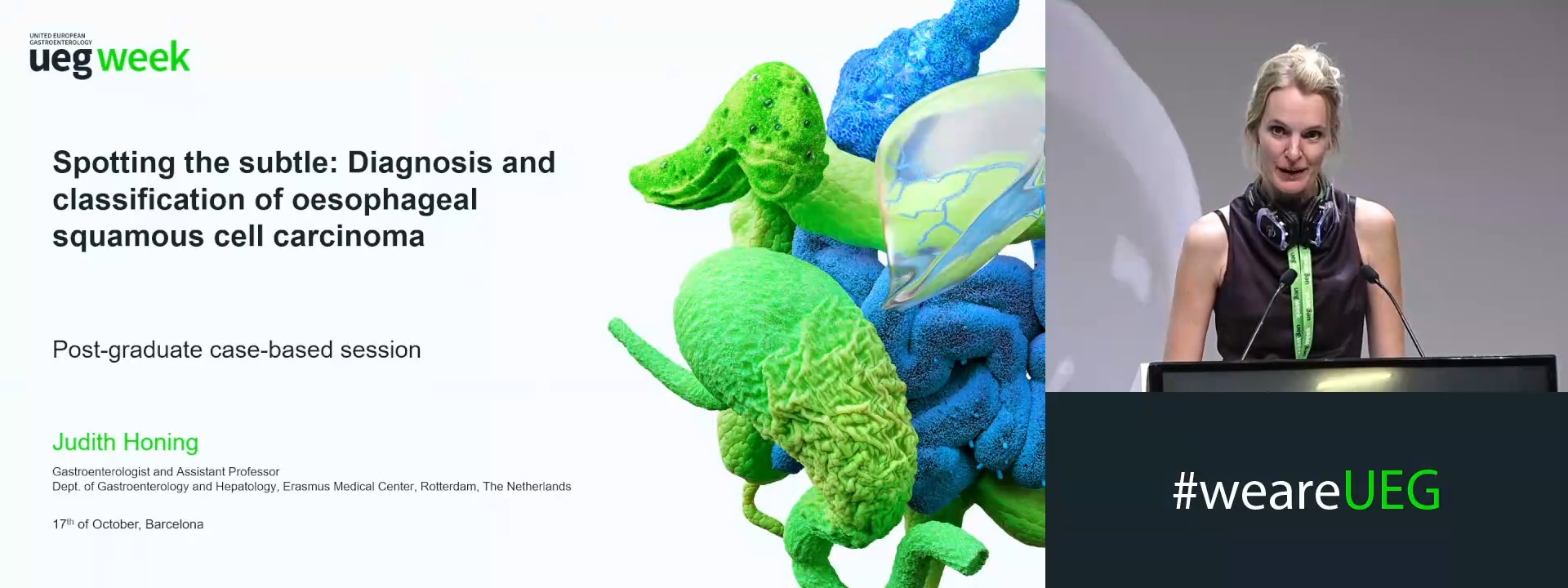
Spotting the subtle: Diagnosis and classification of early squamous cell carcinoma
Affiliations
1 Erasmus Medical Center Rotterdam, Rotterdam, Netherlands