UEG's content platform for gastroenterology education bringing recordings, courses, guidelines, and more together in one place.
Trending on Gutflix
Rate for better recommendations!
Your feedback helps us show you more of what you like and less of what you dislike!
Log in to continue.
This content is part of Gutflix. Log in with your myUEG account, or create one free, to watch it.
Not sure what you can access? Learn more about account types.
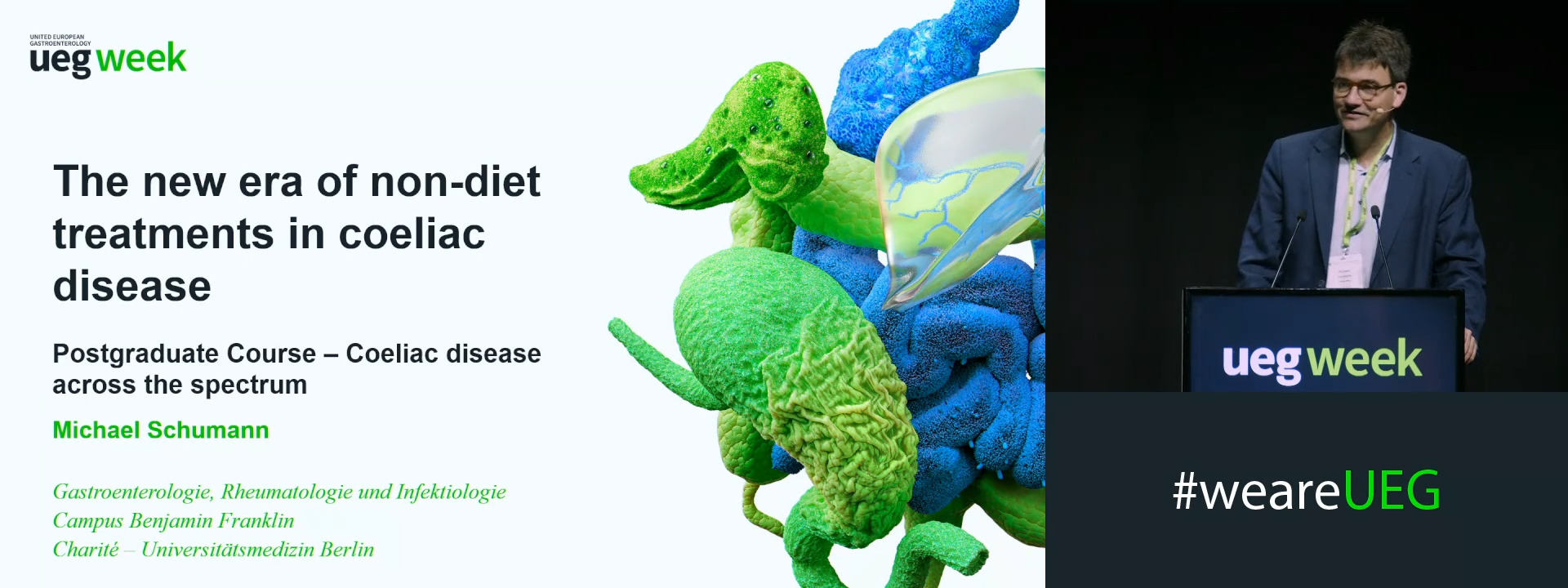
The new era of non-diet treatments in coeliac disease
Affiliations
1 Charité – Universitätsmedizin Berlin, Berlin, Germany
Log in to continue.
This content is part of Gutflix. Log in with your myUEG account, or create one free, to watch it.
Not sure what you can access? Learn more about account types.
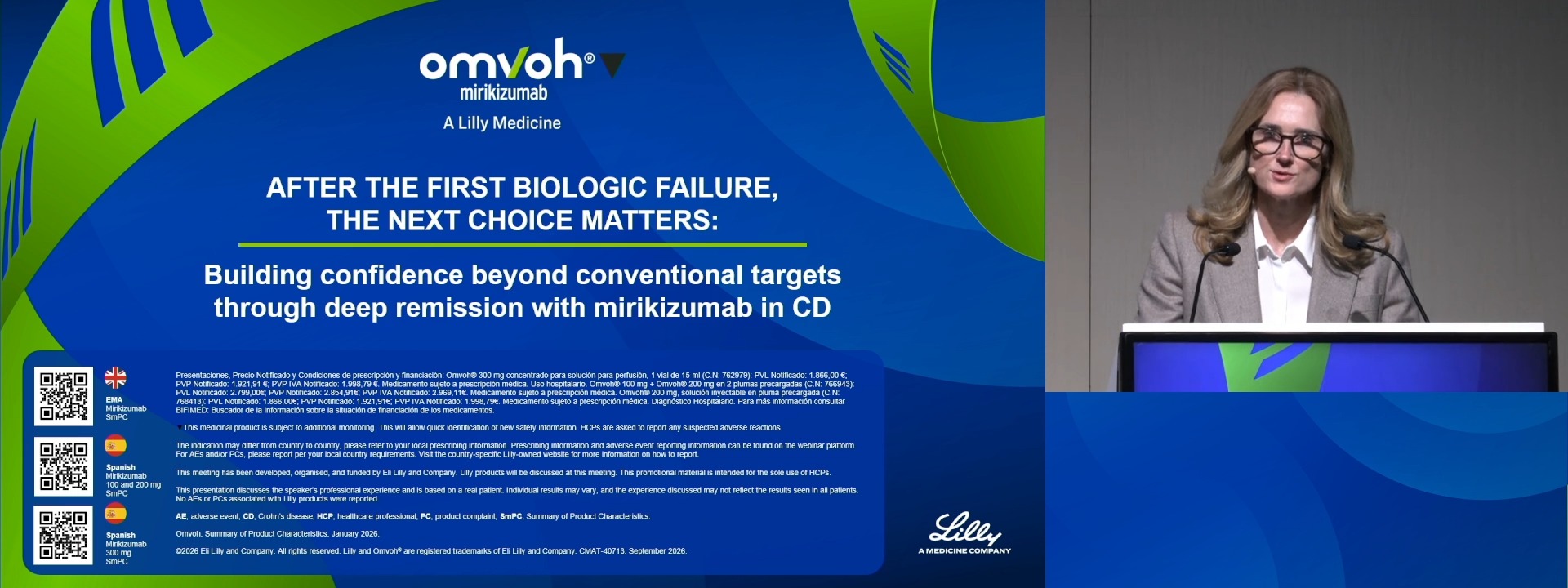
After the first biologic failure, the next choice matters: Building confidence beyond conventional targets through deep remission with mirikizumab in CD (Eli Lilly and Company) (Complete Session)
Affiliations
1 Translational Gastroenterology Unit, Oxford University Hospital, Oxford, United Kingdom
2 University Hospitals Leuven, Leuven, Belgium
3 Department of Internal Medicine I, University Hospital Schleswig-Holstein, Kiel University, Kiel, Germany
Log in to continue.
This content is part of Gutflix. Log in with your myUEG account, or create one free, to watch it.
Not sure what you can access? Learn more about account types.
Presidential address
Affiliations
1 Karolinska Institutet, Stockholm, Sweden
Log in to continue.
This content is part of Gutflix. Log in with your myUEG account, or create one free, to watch it.
Not sure what you can access? Learn more about account types.
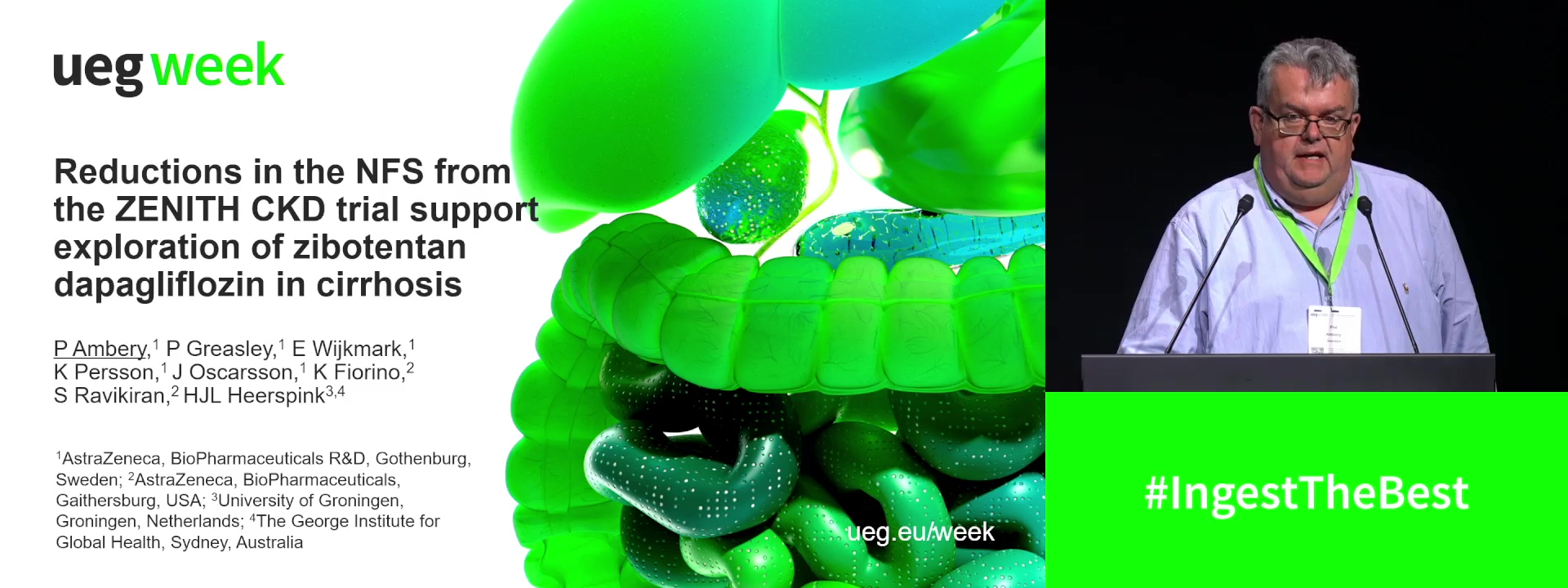
REDUCTIONS IN THE NAFLD FIBROSIS SCORE FROM THE ZENITH-CKD TRIAL SUPPORT EXPLORATION OF ZIBOTENTAN DAPAGLIFLOZIN COMBINATION IN CIRRHOSIS
Phil Ambery 1, Peter Greasley 1, Emma Wijkmark 1, Kevin Persson 1, Jan Oscarsson 1, Kristin Fiorino 2, Srivathsa Ravikiran 2, Hiddo J L Heerspink 3,4
Affiliations
1 AstraZeneca, Gothenburg, Sweden
2 AstraZeneca, Gaithersburg, United States
3 University of Groningen, University Medical Center Groningen, Groningen, Netherlands
4 The George Institute for Global Health, University of New South Wales, Sydney, Australia
Log in to continue.
This content is part of Gutflix. Log in with your myUEG account, or create one free, to watch it.
Not sure what you can access? Learn more about account types.
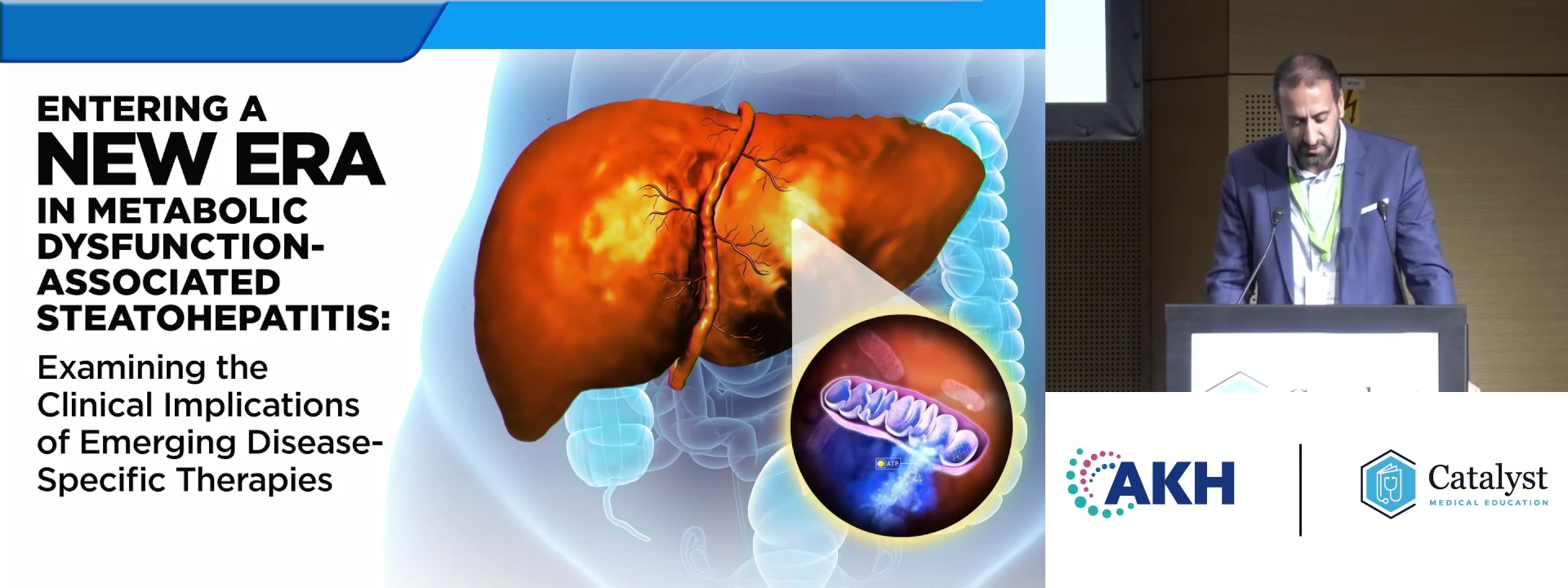
Entering a New Era in Metabolic Dysfunction-Associated Steatohepatitis:Examining the Clinical Implications of Emerging Disease-Specific Therapies (Catalyst Medical Education, LLC.) (Complete Session)
Affiliations
1 Arizona Liver Health, Tucson, United States of America
2 AOU Città della Salute e della Scienza University of Torino, Torino, Italy, Torino, Italy
3 None, Vienna, Austria