UEG's educational platform for gastroenterology education bringing recordings, courses, guidelines, and more together in one place.
Most popular content
Rate for better recommendations!
Your feedback helps us show you more of what you like and less of what you dislike!
Log in to access this content.
Free for all myUEG account holders. Your access level is set automatically based on your occupation. Medical professionals get full access to all content. If you are a non-medical user, you can only access UEG Week content from congresses you attended.
Not sure what you can access? Learn more about account types.

HEPATITIS C IN AN ERA OF MIGRATION: GENOTYPIC AND DEMOGRAPHIC TRENDS FROM A REGIONAL IRISH COHORT
Lorcan O'Byrne 1, Saorla McGurk 1, Ciarán McCloskey 1, Angela Buggy 1, Pauline Carroll 1, Caroline Cox 1, Garry Courtney 1
1 St Luke's Hospital, Kilkenny, Ireland
Conference
Topics
Submission format
Session
Citation
Published
Log in to access this content.
Free for all myUEG account holders. Your access level is set automatically based on your occupation. Medical professionals get full access to all content. If you are a non-medical user, you can only access UEG Week content from congresses you attended.
Not sure what you can access? Learn more about account types.
The future of immunotherapy → are surgeons obsolete soon? with Jeroen Dekervel
Topics
Published
Log in to access this content.
Free for all myUEG account holders. Your access level is set automatically based on your occupation. Medical professionals get full access to all content. If you are a non-medical user, you can only access UEG Week content from congresses you attended.
Not sure what you can access? Learn more about account types.
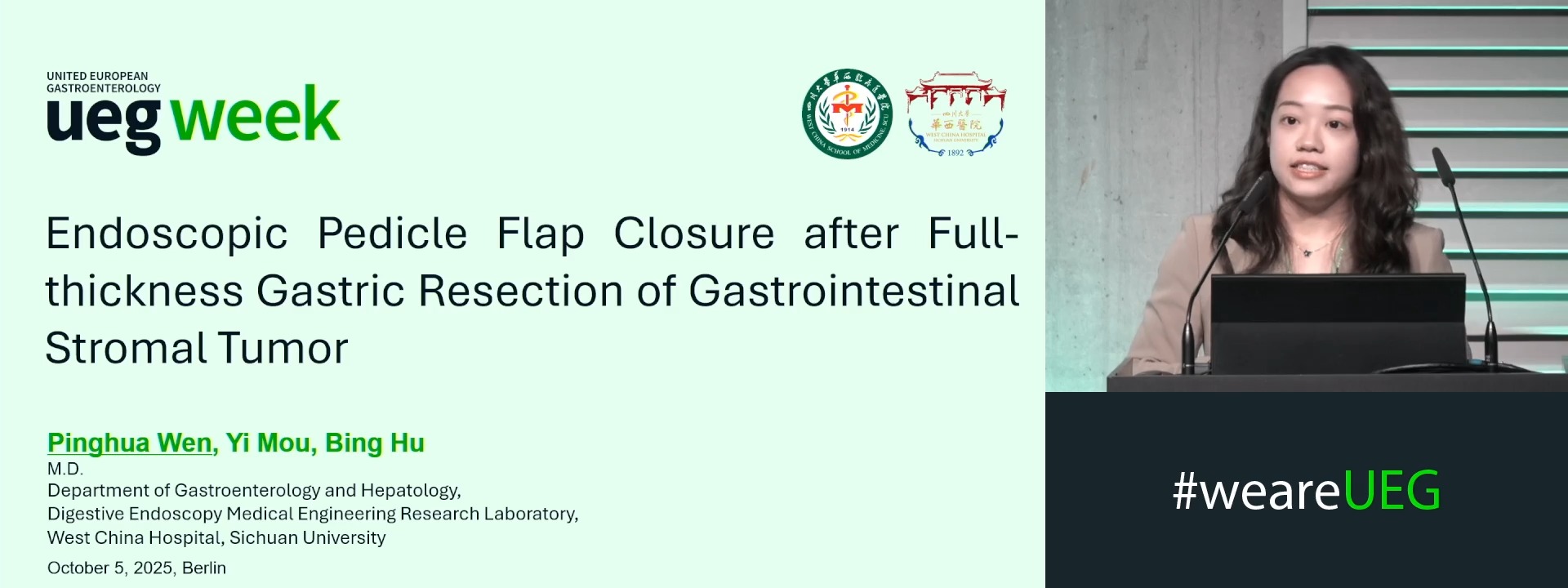
ENDOSCOPIC PEDICLE FLAP CLOSURE AFTER FULL-THICKNESS GASTRIC RESECTION OF GASTROINTESTINAL STROMAL TUMOR
1 West China Hospital,Sichuan University, Chengdu, China
Event
Submission format
Citation
Published
Log in to access this content.
Free for all myUEG account holders. Your access level is set automatically based on your occupation. Medical professionals get full access to all content. If you are a non-medical user, you can only access UEG Week content from congresses you attended.
Not sure what you can access? Learn more about account types.
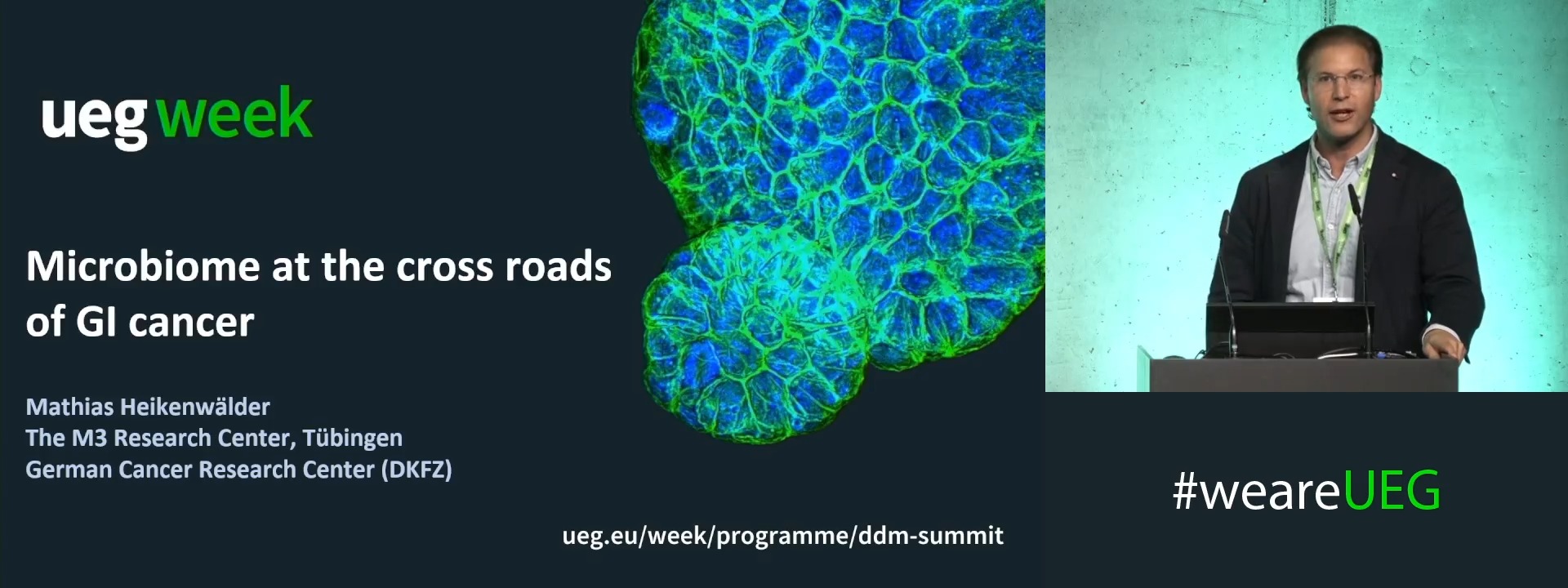
Hepatocellular carcinoma
1 HELMHOLTZ ZENTRUM MUENCHEN DEUTSCHES FORSCHUNGSZENTRUM FUER GESUNDHEIT UND UMWELT GMBH, Munich, Germany
Event
Citation
Published
Log in to access this content.
Free for all myUEG account holders. Your access level is set automatically based on your occupation. Medical professionals get full access to all content. If you are a non-medical user, you can only access UEG Week content from congresses you attended.
Not sure what you can access? Learn more about account types.
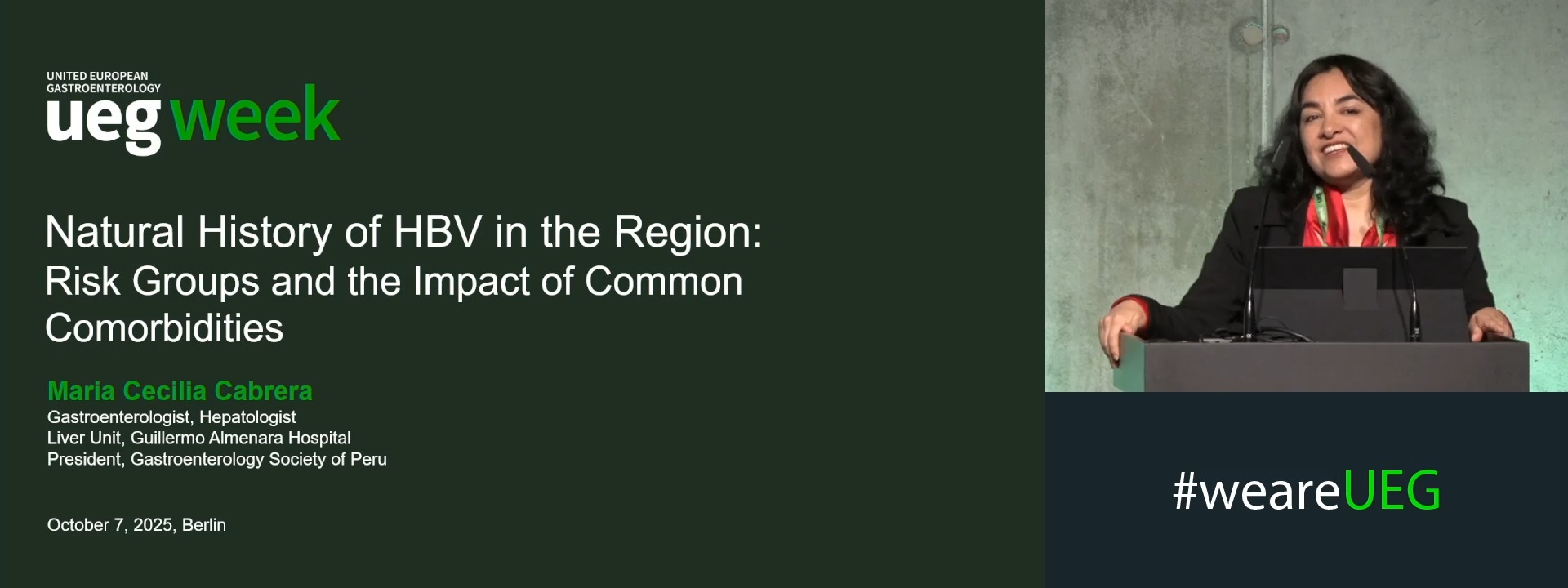
Natural History of HBV in the Region: Risk Groups and the Impact of Common Comorbidities
1 Hospital Beonym, Lima, Peru
Event
Session
Citation
Published
Log in to access this content.
Free for all myUEG account holders. Your access level is set automatically based on your occupation. Medical professionals get full access to all content. If you are a non-medical user, you can only access UEG Week content from congresses you attended.
Not sure what you can access? Learn more about account types.
Early gastric cancer (Complete Session)
Event
Session
Citation
Published
Log in to access this content.
Free for all myUEG account holders. Your access level is set automatically based on your occupation. Medical professionals get full access to all content. If you are a non-medical user, you can only access UEG Week content from congresses you attended.
Not sure what you can access? Learn more about account types.
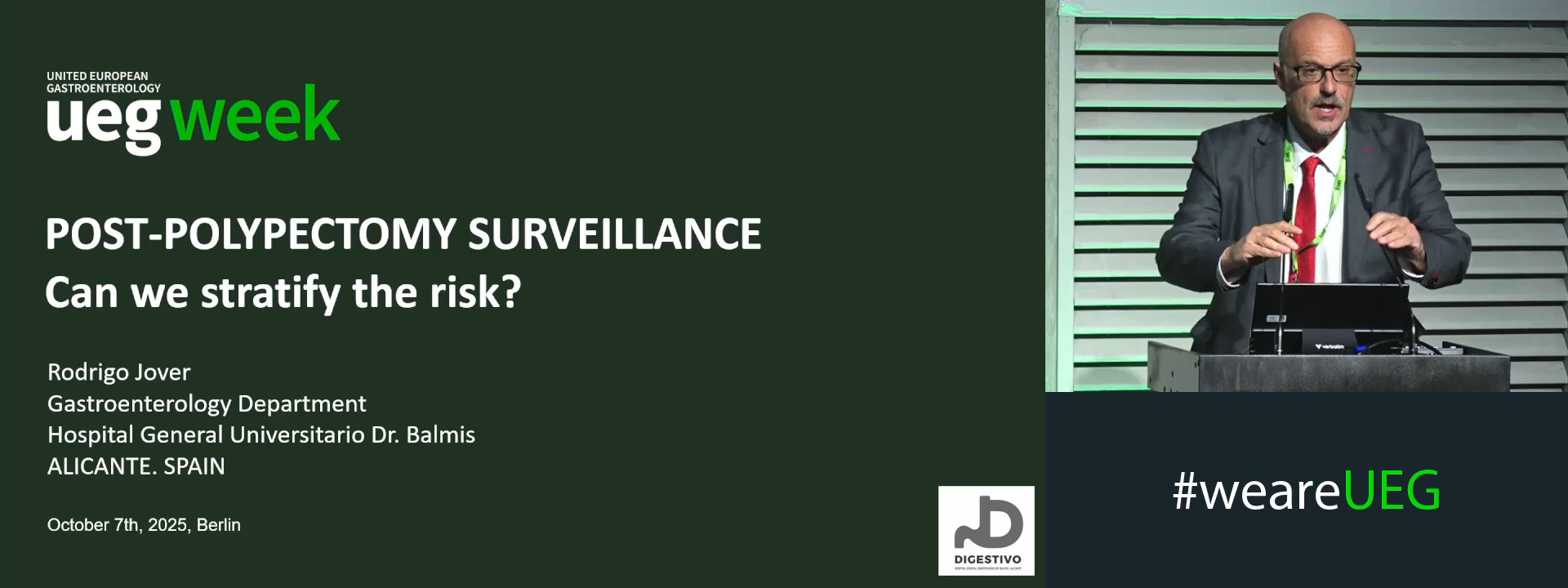
Postpolypectomy surveillance
1 Hospital General Universitario Dr. Balmis, Alicante, Spain