UEG's content platform for gastroenterology education bringing recordings, courses, guidelines, and more together in one place.
Trending on Gutflix
Rate for better recommendations!
Your feedback helps us show you more of what you like and less of what you dislike!
Log in to continue.
This content is part of Gutflix. Log in with your myUEG account, or create one free, to watch it.
Not sure what you can access? Learn more about account types.
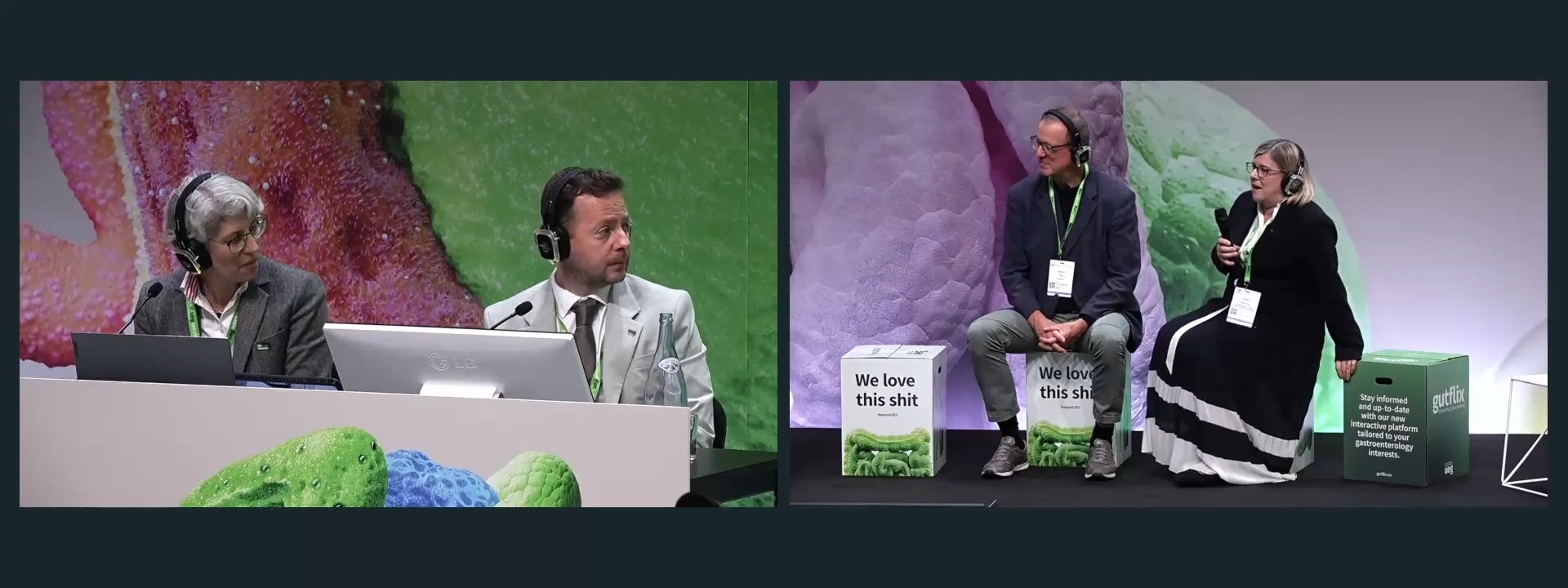
The role of microbiota in MASLD: Basic science and clinical perspective
Affiliations
1 Kings College London, NHS Foundation Trust, London, United Kingdom
2 Innsbruck Medical University - Department of Medicine, Innsbruck Medical University; Innsbruck/AT, Innsbruck, Austria
Log in to continue.
This content is part of Gutflix. Log in with your myUEG account, or create one free, to watch it.
Not sure what you can access? Learn more about account types.
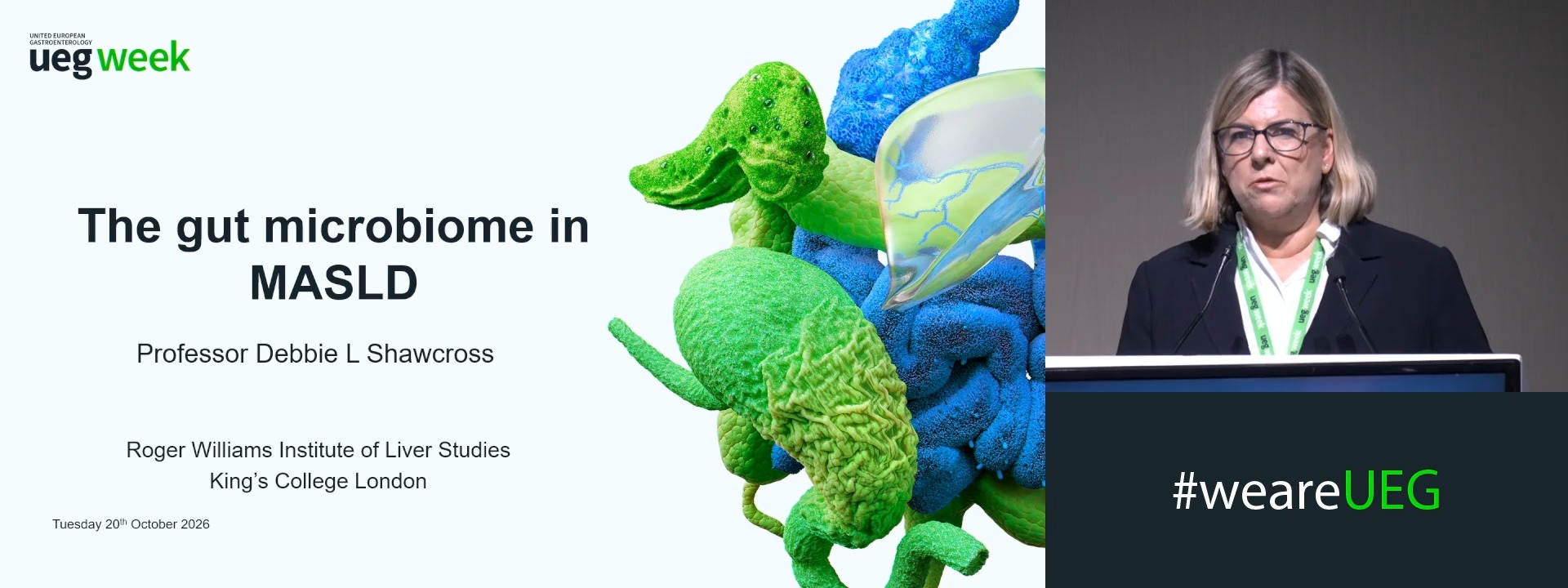
The gut microbiome in MASLD
Affiliations
1 Kings College London, NHS Foundation Trust, London, United Kingdom
Log in to continue.
This content is part of Gutflix. Log in with your myUEG account, or create one free, to watch it.
Not sure what you can access? Learn more about account types.
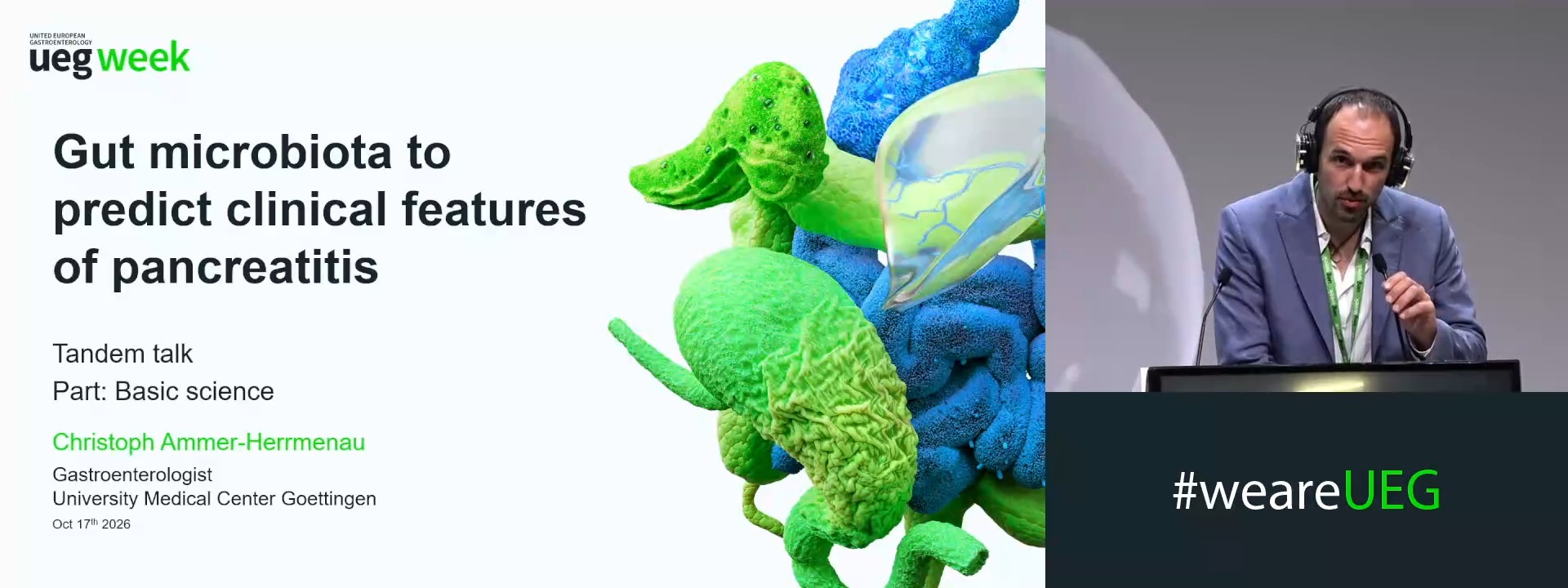
Gut microbiota to predict clinical features of pancreatitis: Basic science and clinical perspective
Affiliations
1 University Medical Centre Goettingen, Goettingen, Germany
2 Mayo Clinic, Rochester, United States of America
Log in to continue.
This content is part of Gutflix. Log in with your myUEG account, or create one free, to watch it.
Not sure what you can access? Learn more about account types.
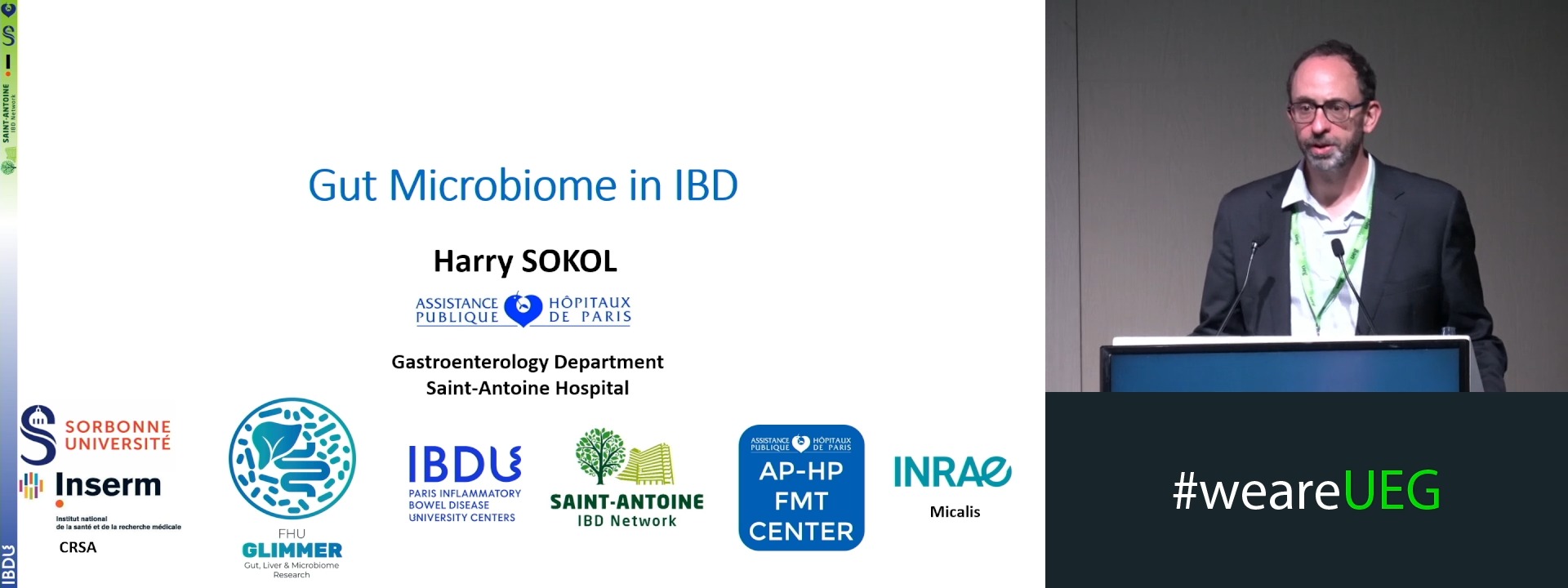
The gut microbiome in IBD
Affiliations
1 Saint-Antoine Hospital, Paris, France
Log in to continue.
This content is part of Gutflix. Log in with your myUEG account, or create one free, to watch it.
Not sure what you can access? Learn more about account types.
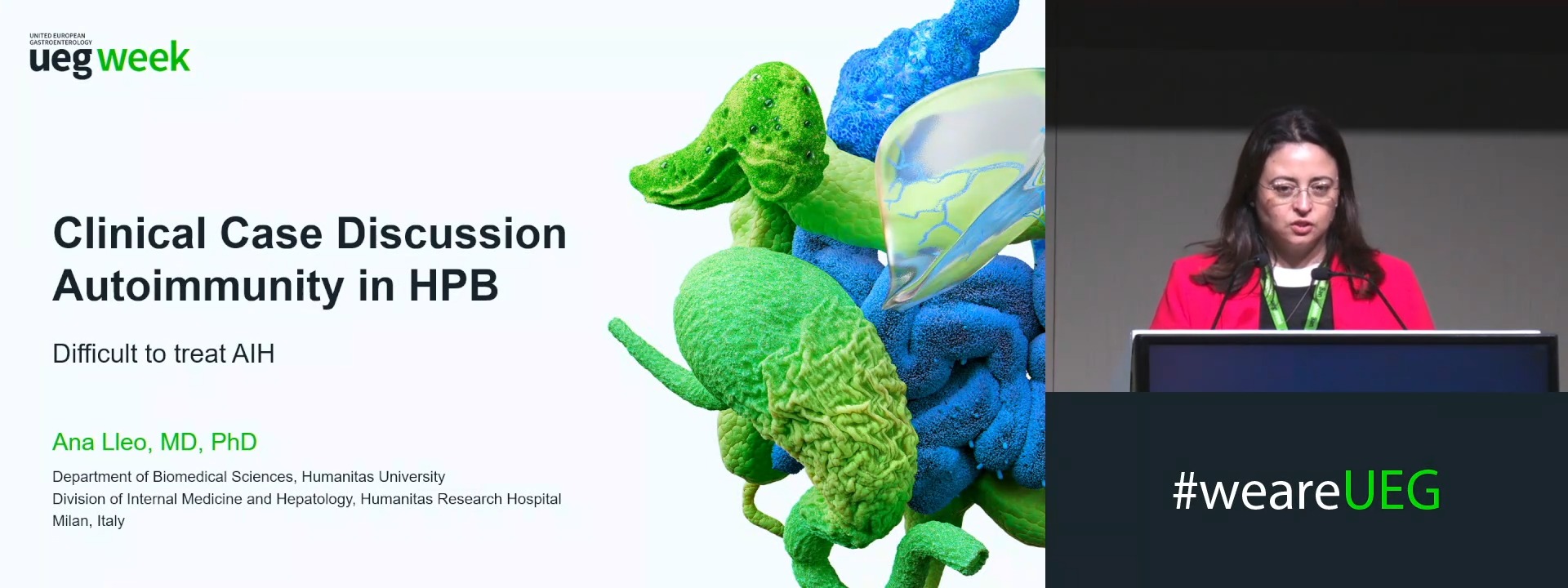
Autoimmunity in HPB (Complete Session)
Log in to continue.
This content is part of Gutflix. Log in with your myUEG account, or create one free, to watch it.
Not sure what you can access? Learn more about account types.
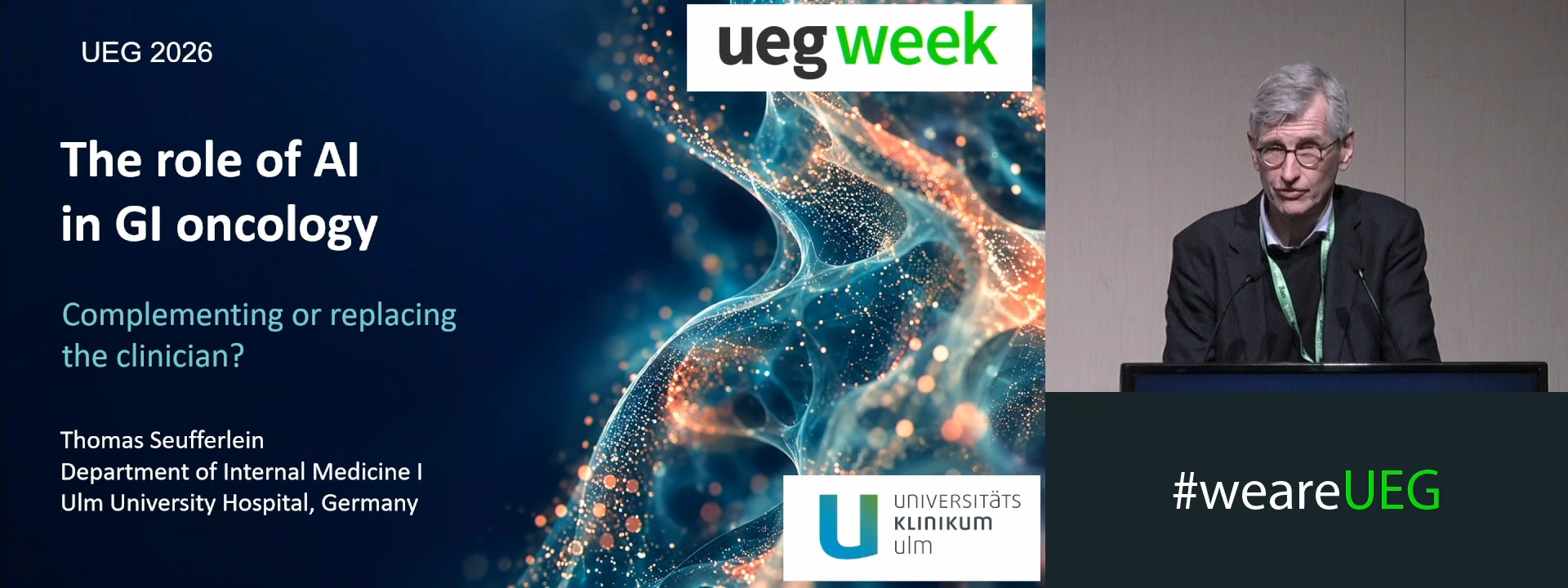
The role of AI in GI oncology: Complementing or replacing the clinician?
Affiliations
1 Universitätsklinikum Ulm - Klinik für Innere Medizin I, Ulm, Germany
Log in to continue.
This content is part of Gutflix. Log in with your myUEG account, or create one free, to watch it.
Not sure what you can access? Learn more about account types.
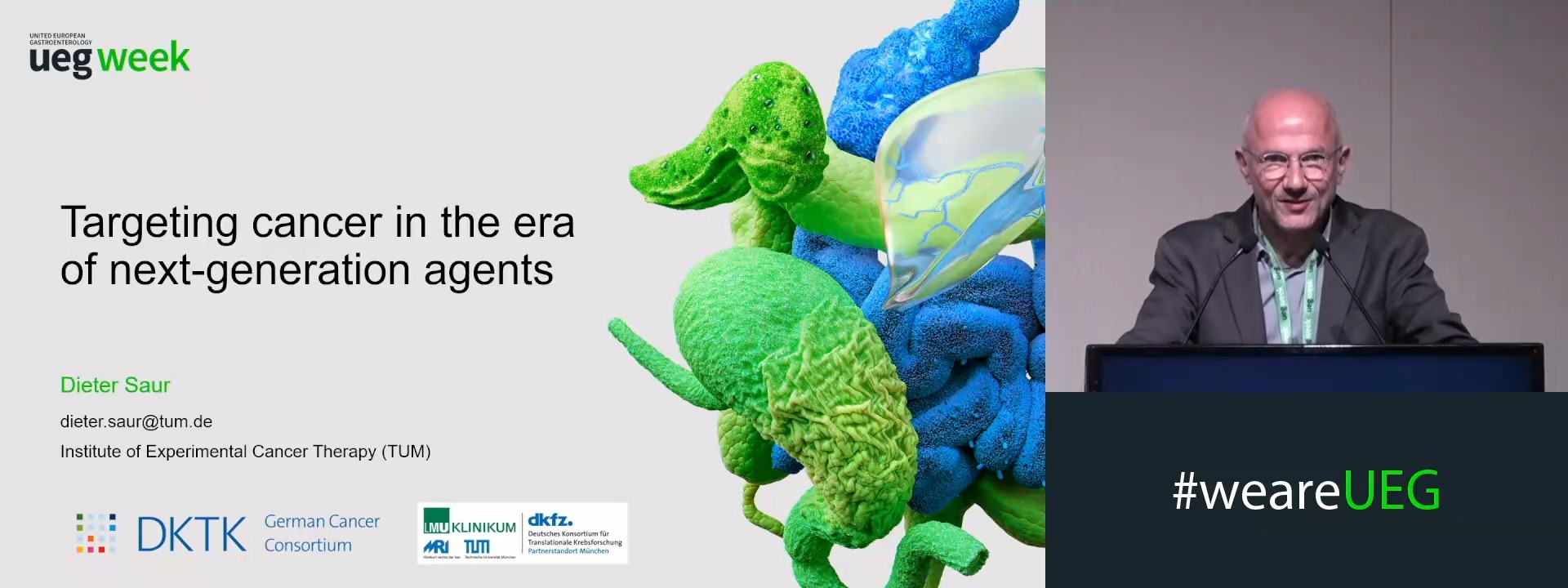
Targeting cancer in the era of next-generation agents
Affiliations
1 Technical University of Munich Clinic Rechts der Isar, München, Germany