UEG's educational platform for gastroenterology education bringing recordings, courses, guidelines, and more together in one place.
Most popular content
Rate for better recommendations!
Your feedback helps us show you more of what you like and less of what you dislike!
Log in to access this content.
Free for all myUEG account holders. Your access level is set automatically based on your occupation. Medical professionals get full access to all content. If you are a non-medical user, you can only access UEG Week content from congresses you attended.
Not sure what you can access? Learn more about account types.

OUTCOMES OF EUS-GUIDED GALLBLADDER DRAINAGE IN ACUTE CHOLECYSTITIS WITH CONTAINED PERFORATION: A PROSPECTIVE COHORT
Giuseppe Vanella 1, Lucía Guilabert 2, Francesco Frigo 3, Rosa Claudia Stasio 3, Roberto Leone 4, Matteo Tacelli 1, Nicole Liscia 5, Luigi Leta 5, Nicolò Pecorelli 4, Giulio Belfiori 5, Michele Reni 4, Massimo Falconi 1, Gabriele Capurso 1, Paolo Giorgio Arcidiacono 1
1 IRCCS San Raffaele Institute, Milan, Italy|||Vita-Salute San Raffaele University, Milan, Italy
2 Dr. Balmis General University Hospital from Alicante, Alicante, Spain
3 IRCCS San Raffaele Institute, Milan, Italy|||University of Turin, Turin, Italy
4 Vita-Salute San Raffaele University, Milan, Italy|||IRCCS San Raffaele Institute, Milan, Italy
5 IRCCS San Raffaele Institute, Milan, Italy
Conference
Topics
Submission format
Session
Citation
Published
Log in to access this content.
Free for all myUEG account holders. Your access level is set automatically based on your occupation. Medical professionals get full access to all content. If you are a non-medical user, you can only access UEG Week content from congresses you attended.
Not sure what you can access? Learn more about account types.
Episode 6: UEG Journal October Spotlight
Topics
Published
Log in to access this content.
Free for all myUEG account holders. Your access level is set automatically based on your occupation. Medical professionals get full access to all content. If you are a non-medical user, you can only access UEG Week content from congresses you attended.
Not sure what you can access? Learn more about account types.
Log in to access this content.
Free for all myUEG account holders. Your access level is set automatically based on your occupation. Medical professionals get full access to all content. If you are a non-medical user, you can only access UEG Week content from congresses you attended.
Not sure what you can access? Learn more about account types.
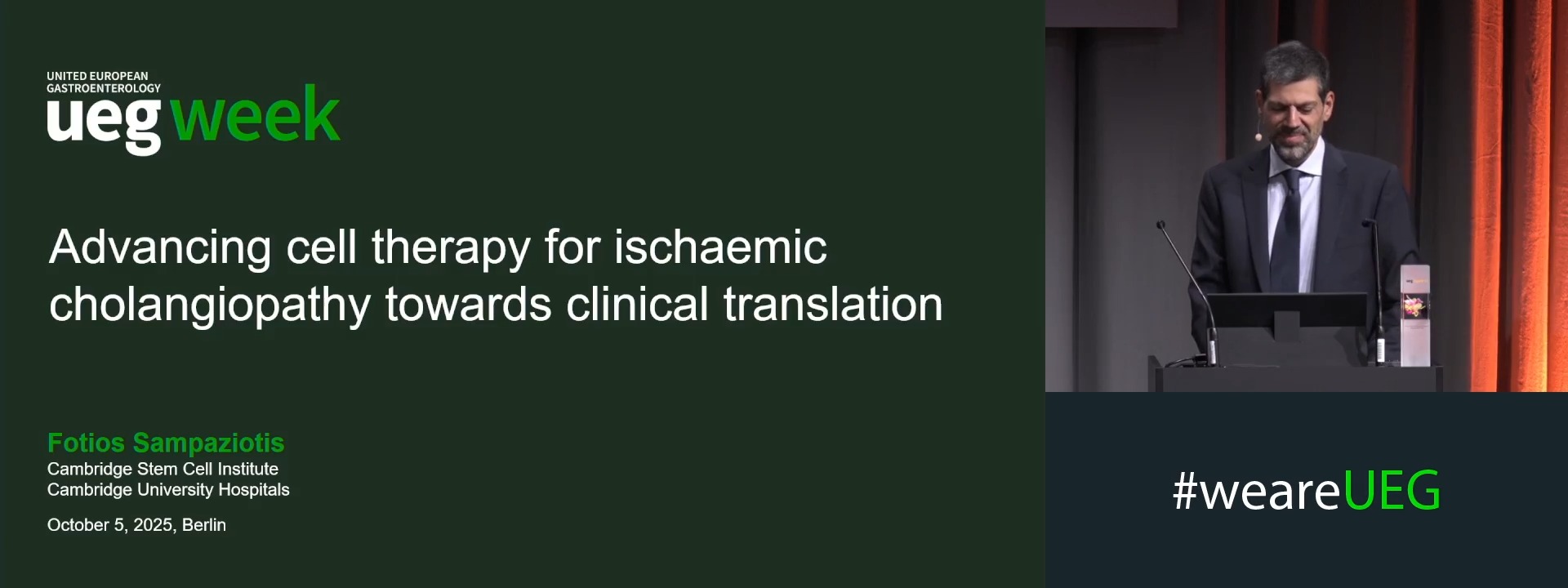
UEG Research Prize Award: Advancing cell therapy for ischaemic cholangiopathy towards clinical translation
1 University of Cambridge, Cambridge, United Kingdom
Event
Topics
Session
Citation
Published
Log in to access this content.
Free for all myUEG account holders. Your access level is set automatically based on your occupation. Medical professionals get full access to all content. If you are a non-medical user, you can only access UEG Week content from congresses you attended.
Not sure what you can access? Learn more about account types.
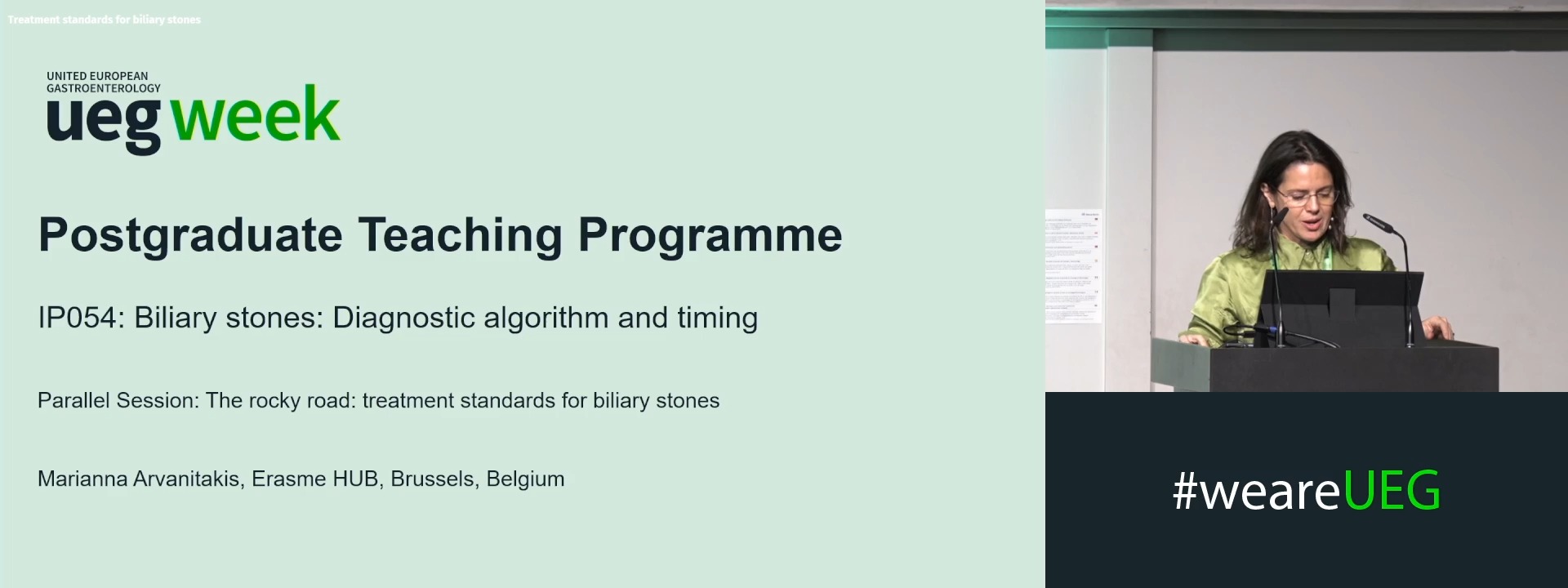
Biliary stones: Diagnostic algorithm and timing
1 ERASME University Hospital, Université Libre de Bruxelles, Brussels, Belgium
Event
Topics
Citation
Published
Log in to access this content.
Free for all myUEG account holders. Your access level is set automatically based on your occupation. Medical professionals get full access to all content. If you are a non-medical user, you can only access UEG Week content from congresses you attended.
Not sure what you can access? Learn more about account types.
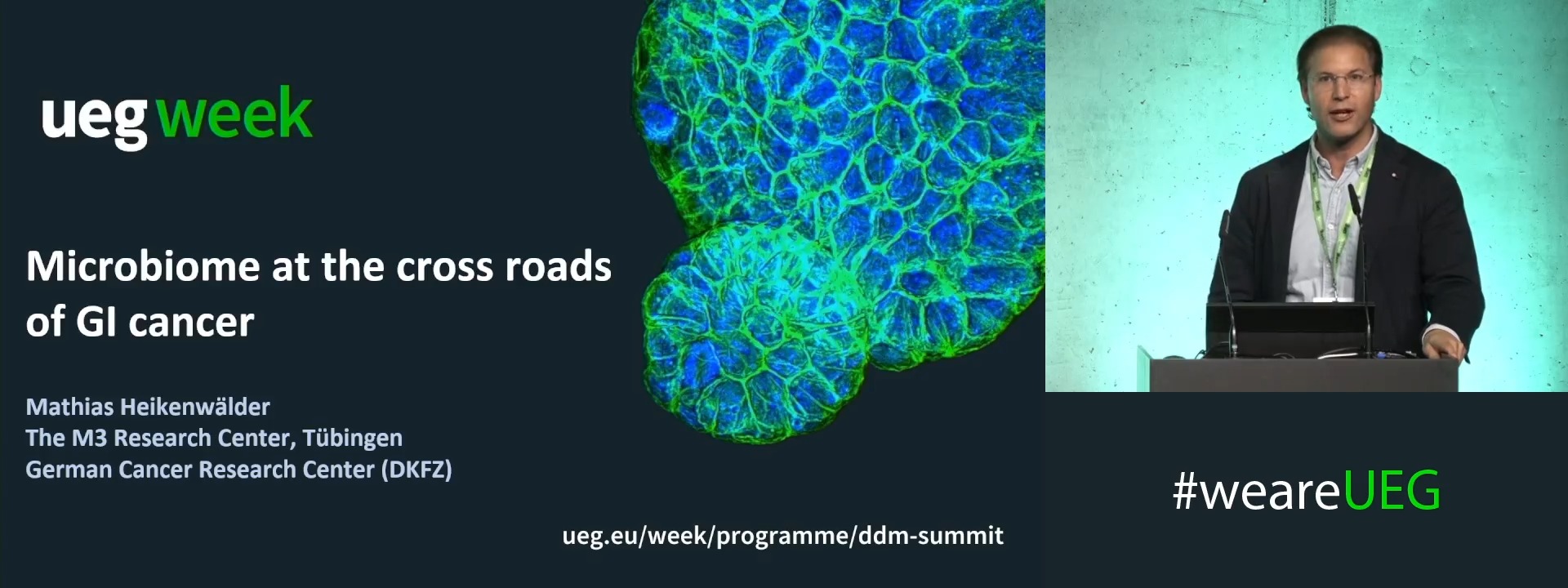
Hepatocellular carcinoma
1 HELMHOLTZ ZENTRUM MUENCHEN DEUTSCHES FORSCHUNGSZENTRUM FUER GESUNDHEIT UND UMWELT GMBH, Munich, Germany
Event
Citation
Published
Log in to access this content.
Free for all myUEG account holders. Your access level is set automatically based on your occupation. Medical professionals get full access to all content. If you are a non-medical user, you can only access UEG Week content from congresses you attended.
Not sure what you can access? Learn more about account types.
PREDICTORS OF CLINICAL SUCCESS IN EUS-GUIDED DRAINAGE OF POSTOPERATIVE PANCREATIC FLUID COLLECTIONS
Hanne Hellinckx 1, Michiel Bronswijk 2, Giuseppe Vanella 3, Hanna Peeters 1, Marie-Anne Noreille 1, Francesco Frigo 4, Roberto Leone 3, Hannah Van Malenstein 1, Wim Laleman 5, Rogier P. Voermans 6, Paolo Giorgio Arcidiacono 7, Roy .L.J Van Wanrooij 8, Schalk van der Merwe 1
1 UZ Leuven, Leuven, Belgium
2 Imelda Hospital Bonheiden and University Hospitals Leuven, Keerbergen, Belgium
3 Vita-Salute San Raffaele University, Milan, Italy
4 Vita-Salute San Raffaele University, Piazzola sul Brenta, Italy
5 University Hospital Gasthuisberg, Leuven, Belgium
6 Amsterdam University Medical Center, Amsterdam, Netherlands
7 Ospedale San Raffaele, Milan, Italy
8 AMC Amsterdam, Amsterdam, Netherlands
Conference
Topics
Submission format
Session