UEG's educational platform for gastroenterology education bringing recordings, courses, guidelines, and more together in one place.
Most popular content
Rate for better recommendations!
Your feedback helps us show you more of what you like and less of what you dislike!
Log in to access this content.
Free for all myUEG account holders. Your access level is set automatically based on your occupation. Medical professionals get full access to all content. If you are a non-medical user, you can only access UEG Week content from congresses you attended.
Not sure what you can access? Learn more about account types.
Panel discussion: ABC of the EAS and the IAS - Why physiology matters when managing faecal incontinence
Event
Citation
Published
Log in to access this content.
Free for all myUEG account holders. Your access level is set automatically based on your occupation. Medical professionals get full access to all content. If you are a non-medical user, you can only access UEG Week content from congresses you attended.
Not sure what you can access? Learn more about account types.
Log in to access this content.
Free for all myUEG account holders. Your access level is set automatically based on your occupation. Medical professionals get full access to all content. If you are a non-medical user, you can only access UEG Week content from congresses you attended.
Not sure what you can access? Learn more about account types.
Panel discussion: Therapy update - EoE
Event
Session
Citation
Published
Log in to access this content.
Free for all myUEG account holders. Your access level is set automatically based on your occupation. Medical professionals get full access to all content. If you are a non-medical user, you can only access UEG Week content from congresses you attended.
Not sure what you can access? Learn more about account types.
Panel discussion: Untangling malabsorption in dysmotility and short bowel syndrome
Event
Citation
Published
Log in to access this content.
Free for all myUEG account holders. Your access level is set automatically based on your occupation. Medical professionals get full access to all content. If you are a non-medical user, you can only access UEG Week content from congresses you attended.
Not sure what you can access? Learn more about account types.
ILEOCAECAL STENTING IS SUCCESSFUL IN COLORECTAL CANCER PALLIATION AND AVOIDS STOMA IN OVER TWO THIRDS OF PATIENTS
1 University Hospital Lewisham, London, United Kingdom
Conference
Topics
Submission format
Session
Citation
Published
Log in to access this content.
Free for all myUEG account holders. Your access level is set automatically based on your occupation. Medical professionals get full access to all content. If you are a non-medical user, you can only access UEG Week content from congresses you attended.
Not sure what you can access? Learn more about account types.
SAFE AND EFFECTIVE PROPOFOL SEDATION BY TRAINED NON-ANAESTHESIOLOGIST PHYSICIANS IN OVER 2000 COLONOSCOPIES: A REAL-WORLD COLOMBIAN EXPERIENCE
Camilo Rincon 1, Juan Frias-Ordoñez 2, Hernando Marulanda 3, Lina Otero 3, Elder Otero 1, william Otero 4
1 Centro de Gastroenterología y Endoscopia, Bogota, Colombia
2 Hospital Internacional de Colombia, Bucaramanga, Colombia|||National University of Colombia, Bogota, Colombia
3 Centro de Gastroenterología y Endoscopia, Bogota, Colombia|||National University of Colombia, Bogota, Colombia
4 National University of Colombia, Bogota, Colombia|||Centro de Gastroenterología y Endoscopia, Bogota, Colombia
Conference
Topics
Submission format
Session
Citation
Published
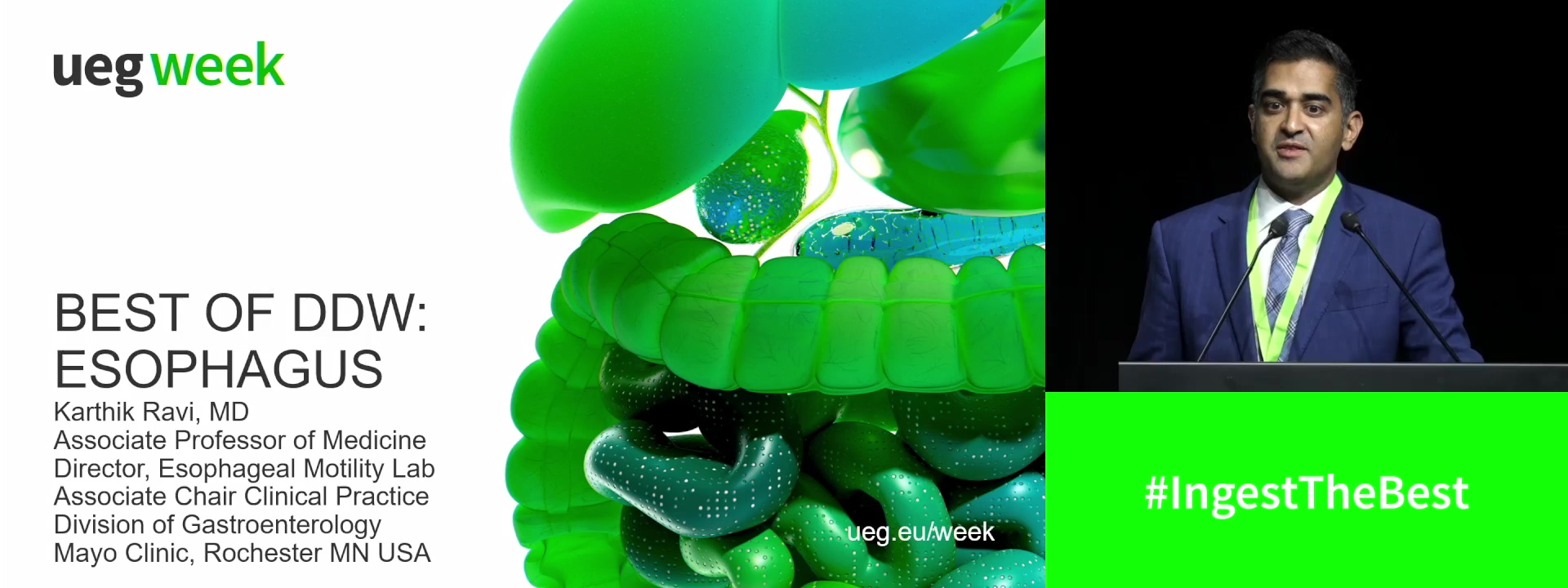
Log in to access this content.
Free for all myUEG account holders. Your access level is set automatically based on your occupation. Medical professionals get full access to all content. If you are a non-medical user, you can only access UEG Week content from congresses you attended.
Not sure what you can access? Learn more about account types.
Oesophagus diseases
1 Mayo, None, United States of America
Event
Session