UEG's content platform for gastroenterology education bringing recordings, courses, guidelines, and more together in one place.
Trending on Gutflix
Rate for better recommendations!
Your feedback helps us show you more of what you like and less of what you dislike!
Log in to continue.
This content is part of Gutflix. Log in with your myUEG account, or create one free, to watch it.
Not sure what you can access? Learn more about account types.
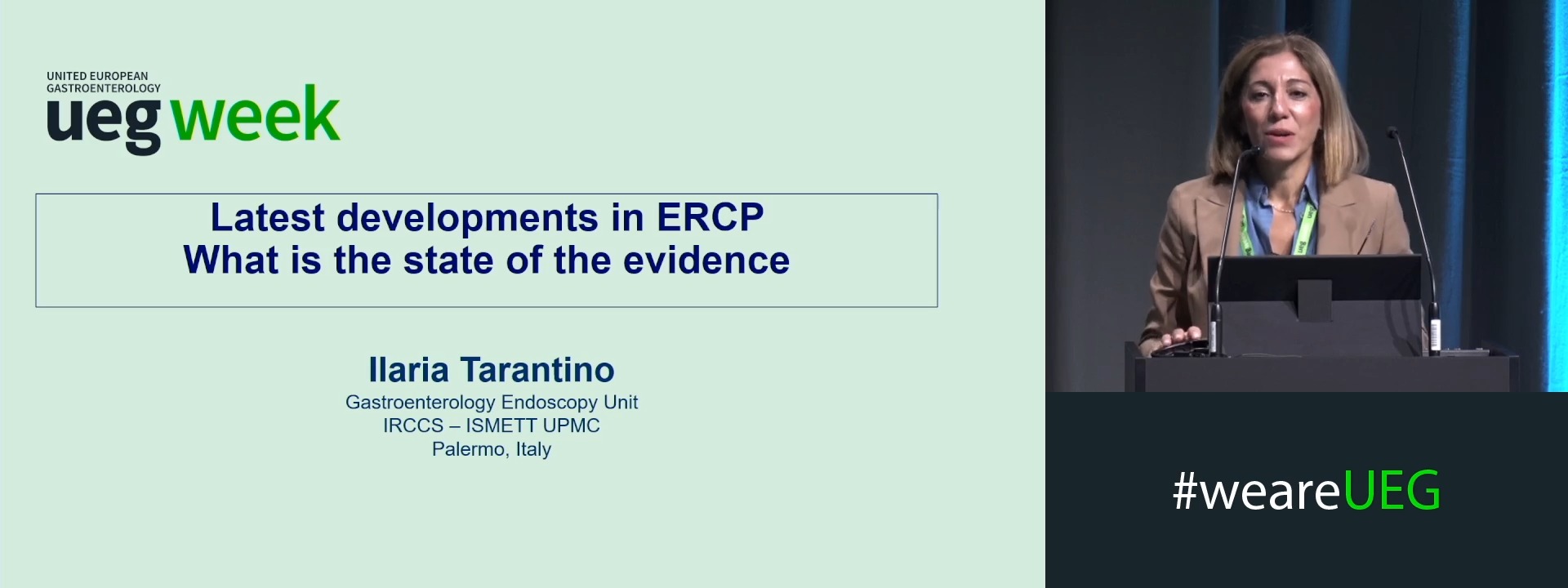
Latest developments in ERCP: What is the state of the evidence?
Affiliations
1 ISMETT, Palermo, Italy
Log in to continue.
This content is part of Gutflix. Log in with your myUEG account, or create one free, to watch it.
Not sure what you can access? Learn more about account types.
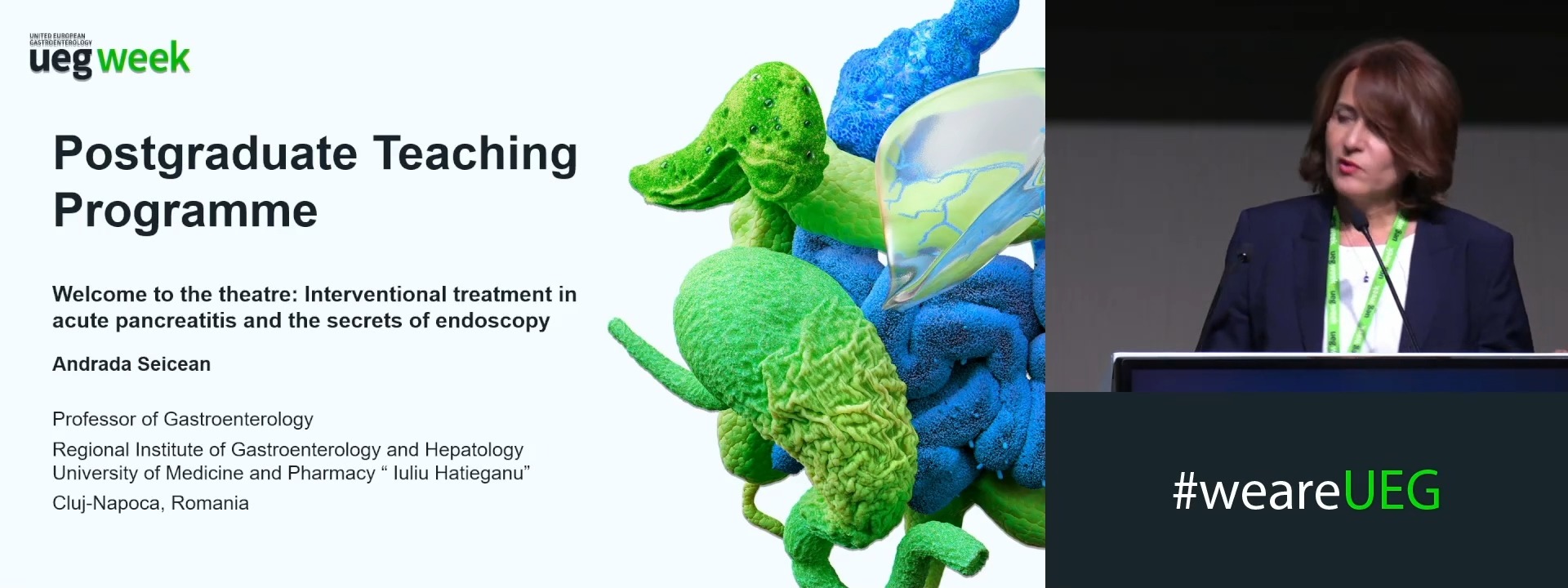
Welcome to the theatre: Interventional treatment in acute pancreatitis – the secrets of endoscopy vs. indications and contraindications for surgery
Affiliations
1 University of Medicine and Pharmacy Iuliu Hatieganu Cluj-Napoca, Romania, Cluj Napoca, Romania
2 Freeman hospital, Newcastle upon tyne, United Kingdom
Log in to continue.
This content is part of Gutflix. Log in with your myUEG account, or create one free, to watch it.
Not sure what you can access? Learn more about account types.
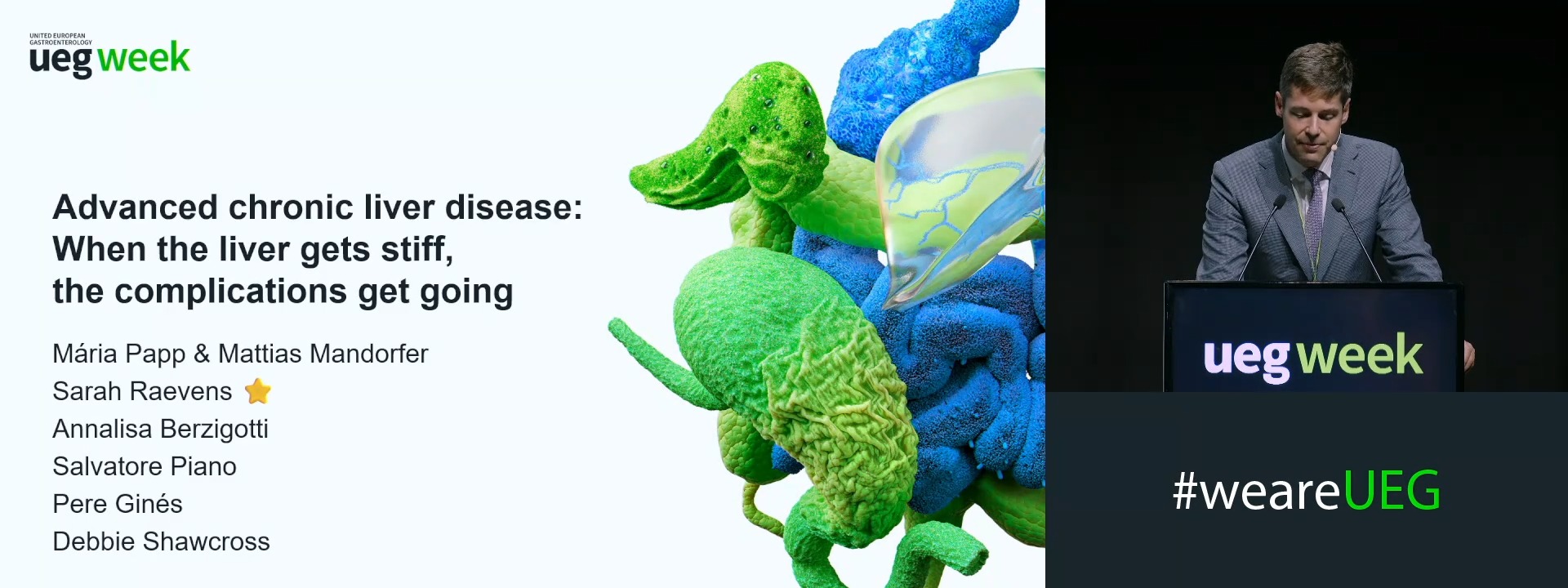
Introduction: Advanced chronic liver disease: When the liver gets stiff, the complications get going
Affiliations
1 Medical University of Vienna, Vienna, Austria
Log in to continue.
This content is part of Gutflix. Log in with your myUEG account, or create one free, to watch it.
Not sure what you can access? Learn more about account types.
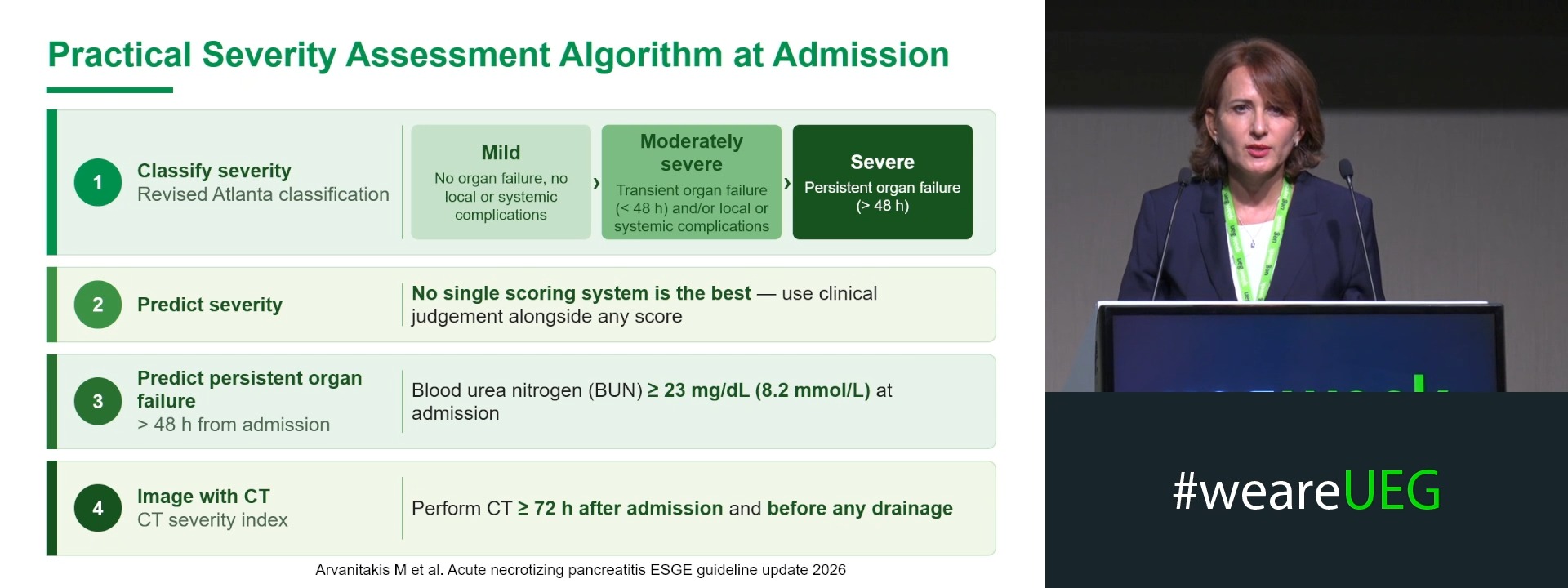
Summary: Acute pancreatitis: Are we still innocent bystanders?
Affiliations
1 University of Medicine and Pharmacy Iuliu Hatieganu Cluj-Napoca, Romania, Cluj Napoca, Romania
Log in to continue.
This content is part of Gutflix. Log in with your myUEG account, or create one free, to watch it.
Not sure what you can access? Learn more about account types.
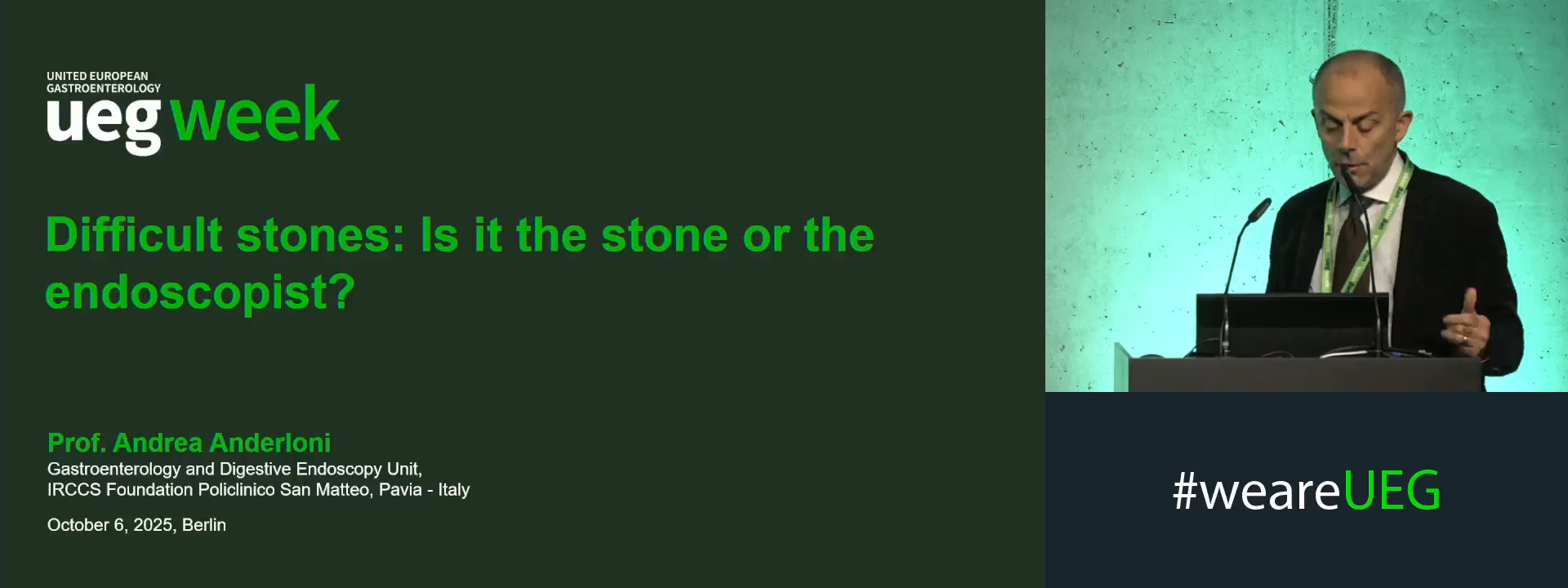
Difficult stones: Is it the stone or the endoscopist?
Affiliations
1 San Matteo Hospital, Pavia, Italy
Log in to continue.
This content is part of Gutflix. Log in with your myUEG account, or create one free, to watch it.
Not sure what you can access? Learn more about account types.
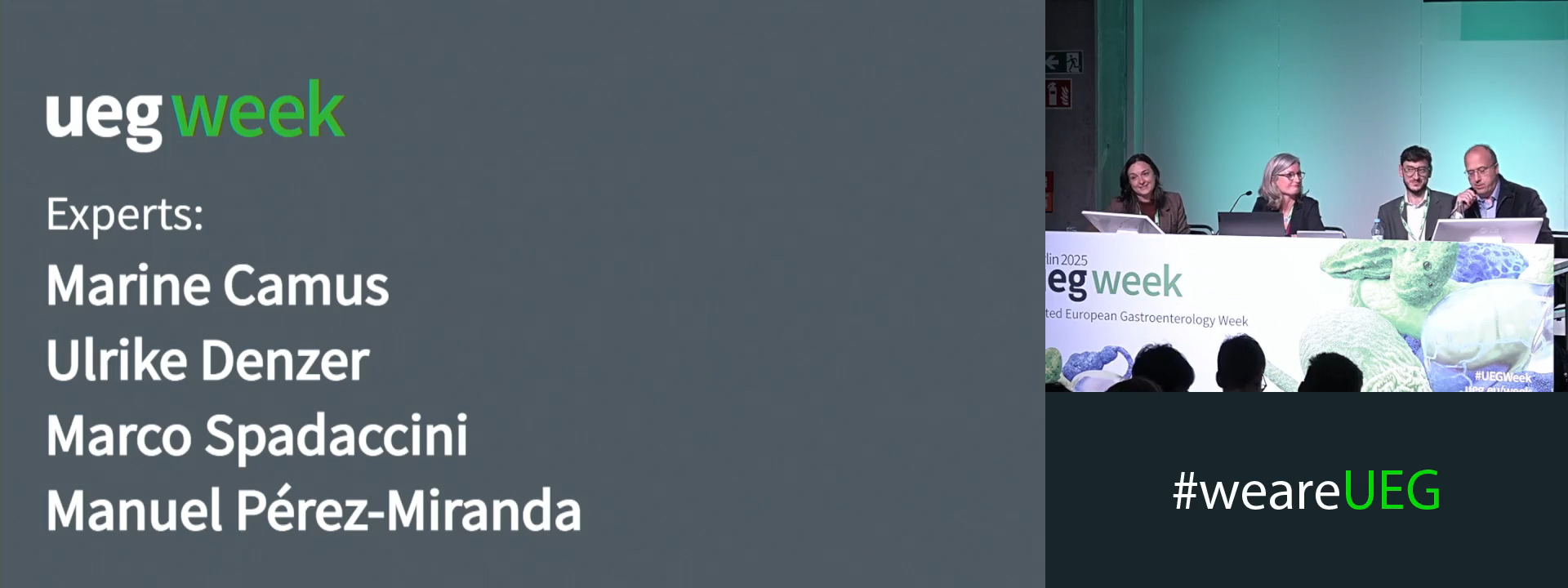
EUS-guided biliary drainage (Complete Session)
Log in to continue.
This content is part of Gutflix. Log in with your myUEG account, or create one free, to watch it.
Not sure what you can access? Learn more about account types.
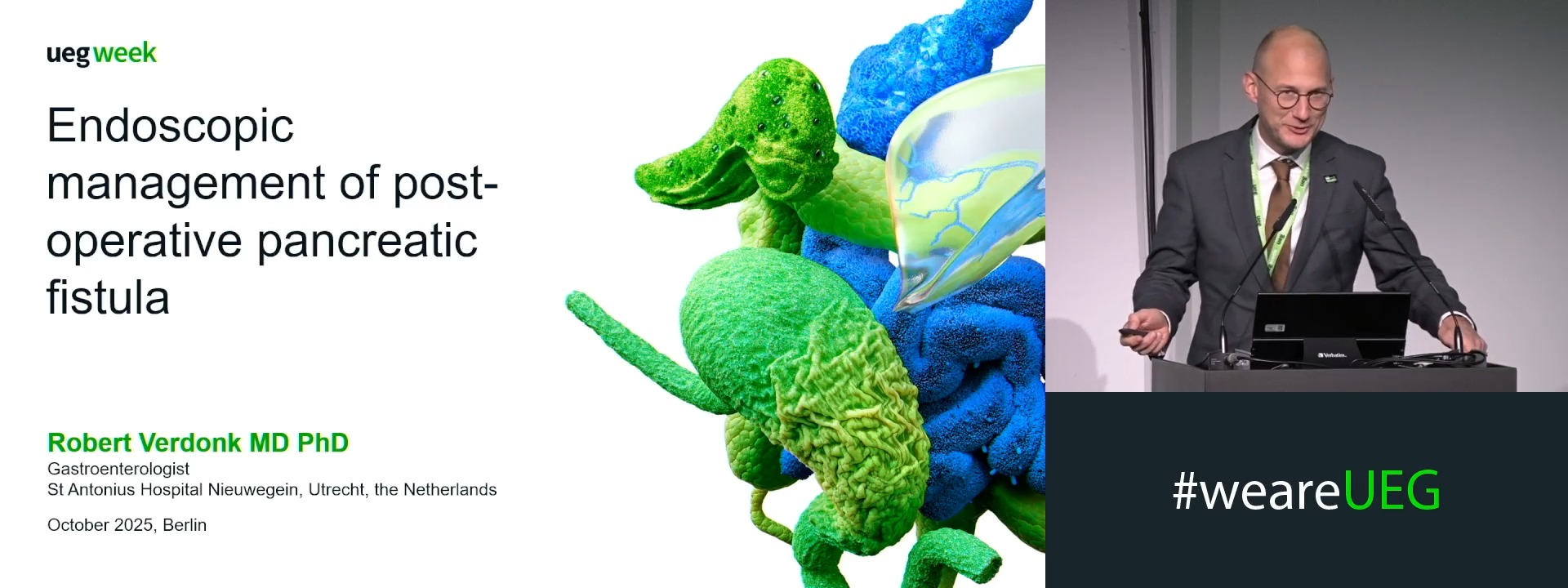
Endoscopic management of pancreatic fistulas
Affiliations
1 St. Antonius Ziekenhuis, Nieuwegein, Netherlands