UEG's content platform for gastroenterology education bringing recordings, courses, guidelines, and more together in one place.
Trending on Gutflix
Rate for better recommendations!
Your feedback helps us show you more of what you like and less of what you dislike!
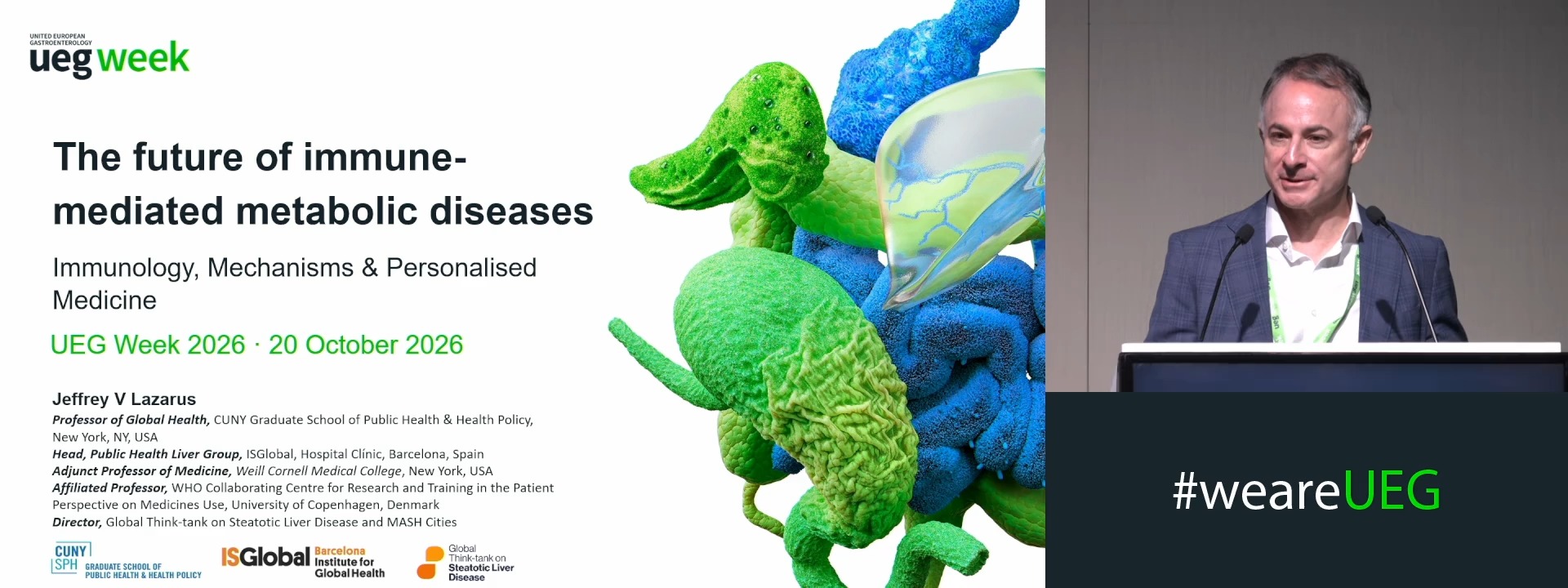
Log in to continue.
This content is part of Gutflix. Log in with your myUEG account, or create one free, to watch it.
Not sure what you can access? Learn more about account types.
Metabolic liver diseases: Today and tomorrow
Affiliations
1 Barcelona Institute for Global Health (ISGlobal), Barcelona, Spain
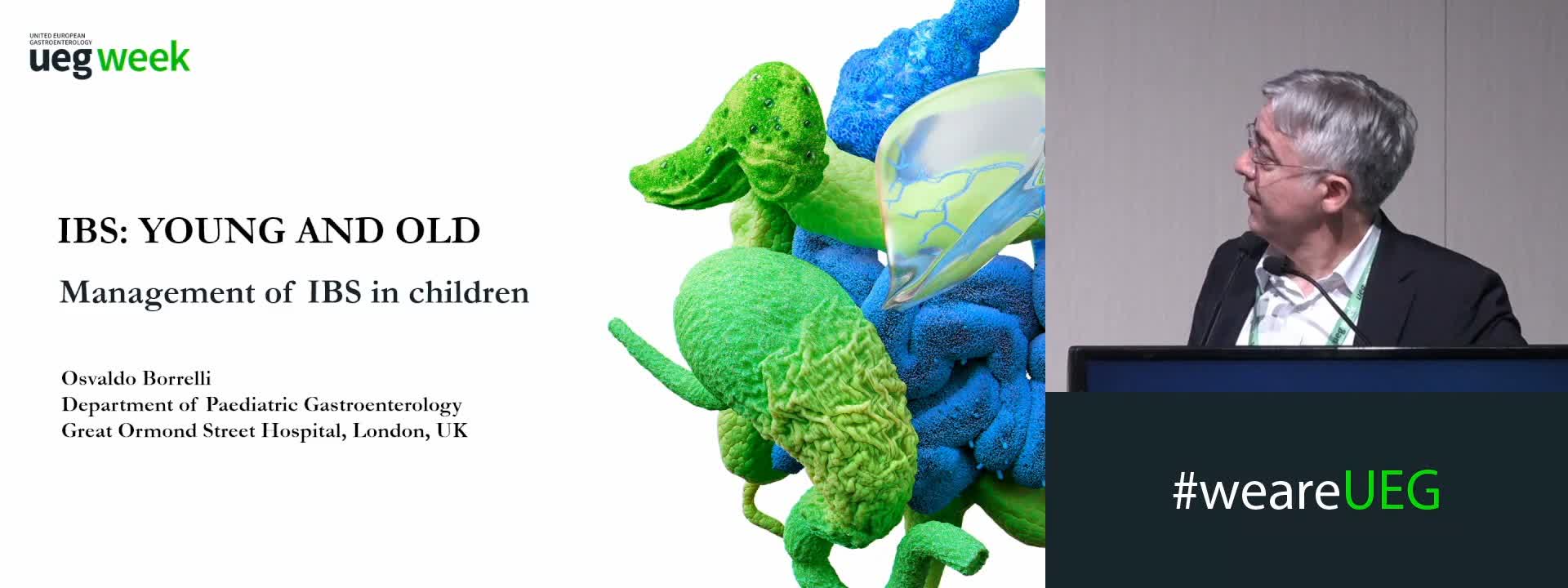
Log in to continue.
This content is part of Gutflix. Log in with your myUEG account, or create one free, to watch it.
Not sure what you can access? Learn more about account types.
IBS: Young and old (Complete Session)
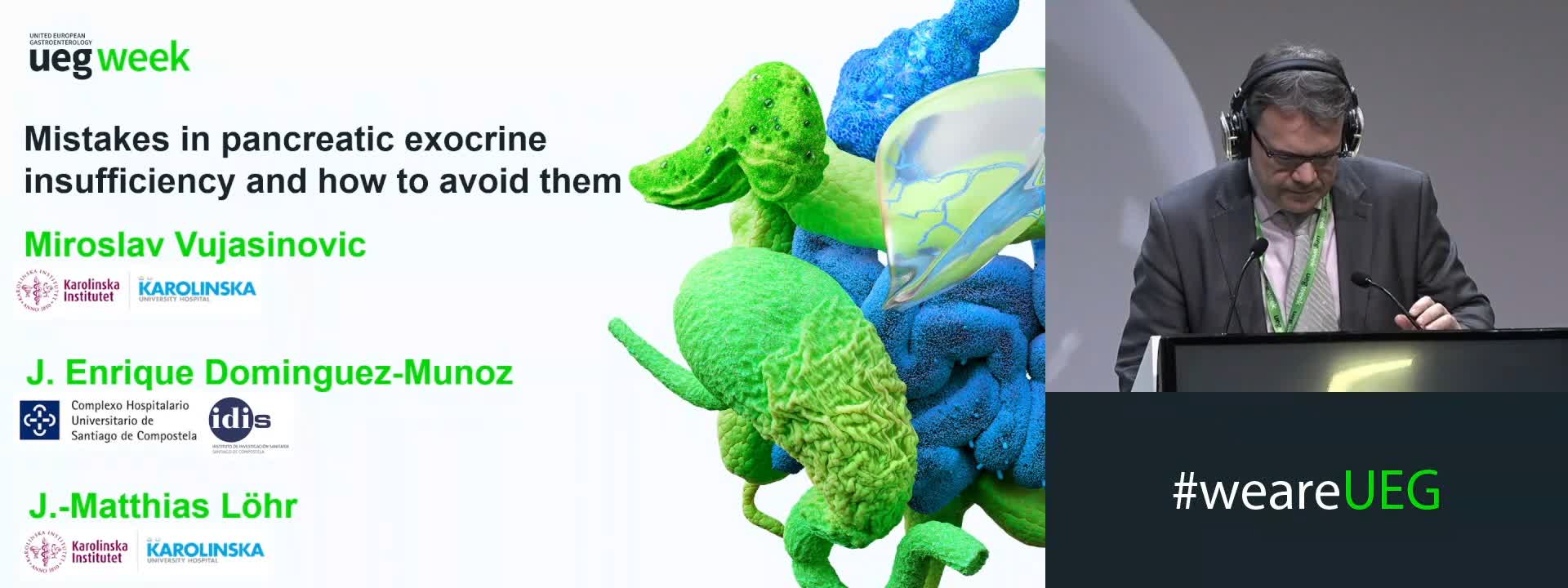
Log in to continue.
This content is part of Gutflix. Log in with your myUEG account, or create one free, to watch it.
Not sure what you can access? Learn more about account types.
Pancreatic exocrine insufficiency
Affiliations
1 Karolinska University Hospital, Stockholm, Sweden
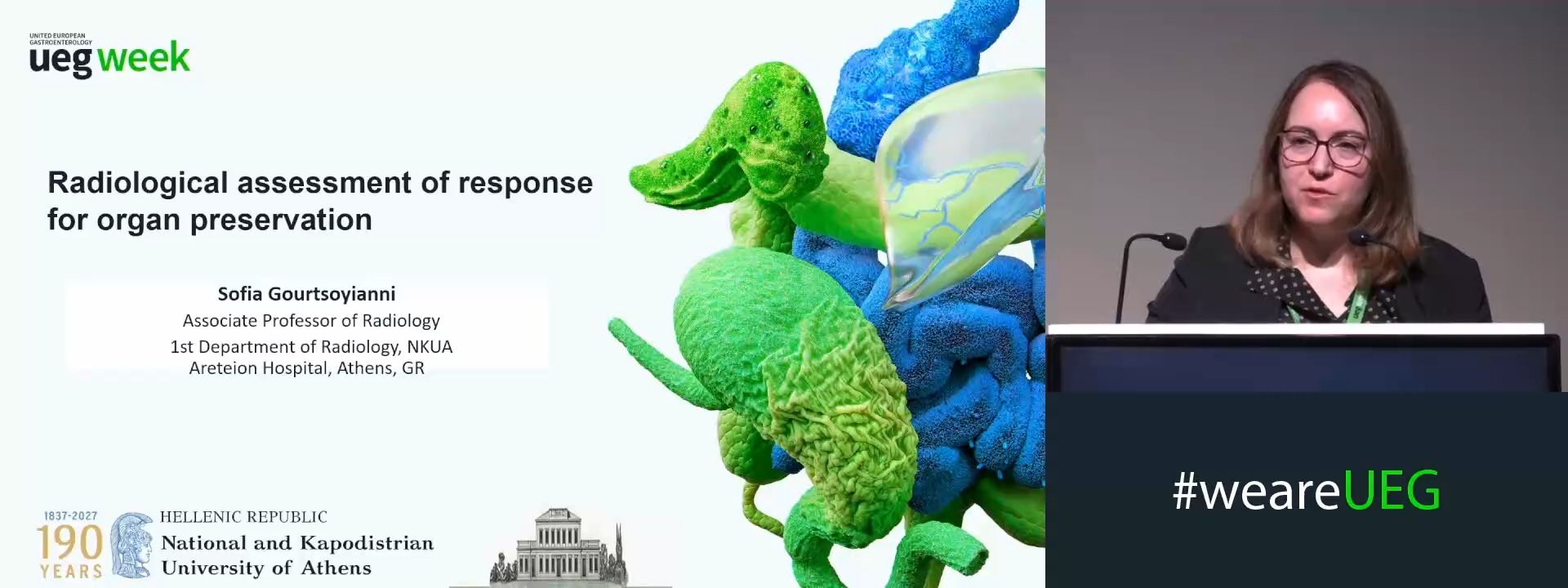
Log in to continue.
This content is part of Gutflix. Log in with your myUEG account, or create one free, to watch it.
Not sure what you can access? Learn more about account types.
Radiological assessment of response for organ preservation: Can ctDNA help in early stage?
Affiliations
1 Centre Hospitalier Universitaire de Poitiers, Poitiers, France
2 School of Medicine, National & Kapodistrian University of Athens, Athens, Greece
Log in to continue.
This content is part of Gutflix. Log in with your myUEG account, or create one free, to watch it.
Not sure what you can access? Learn more about account types.
Lower GI disorders
Affiliations
1 University of Nottingham, Nottingham, United Kingdom