UEG's content platform for gastroenterology education bringing recordings, courses, guidelines, and more together in one place.
Trending on Gutflix
Rate for better recommendations!
Your feedback helps us show you more of what you like and less of what you dislike!
Log in to continue.
This content is part of Gutflix. Log in with your myUEG account, or create one free, to watch it.
Not sure what you can access? Learn more about account types.
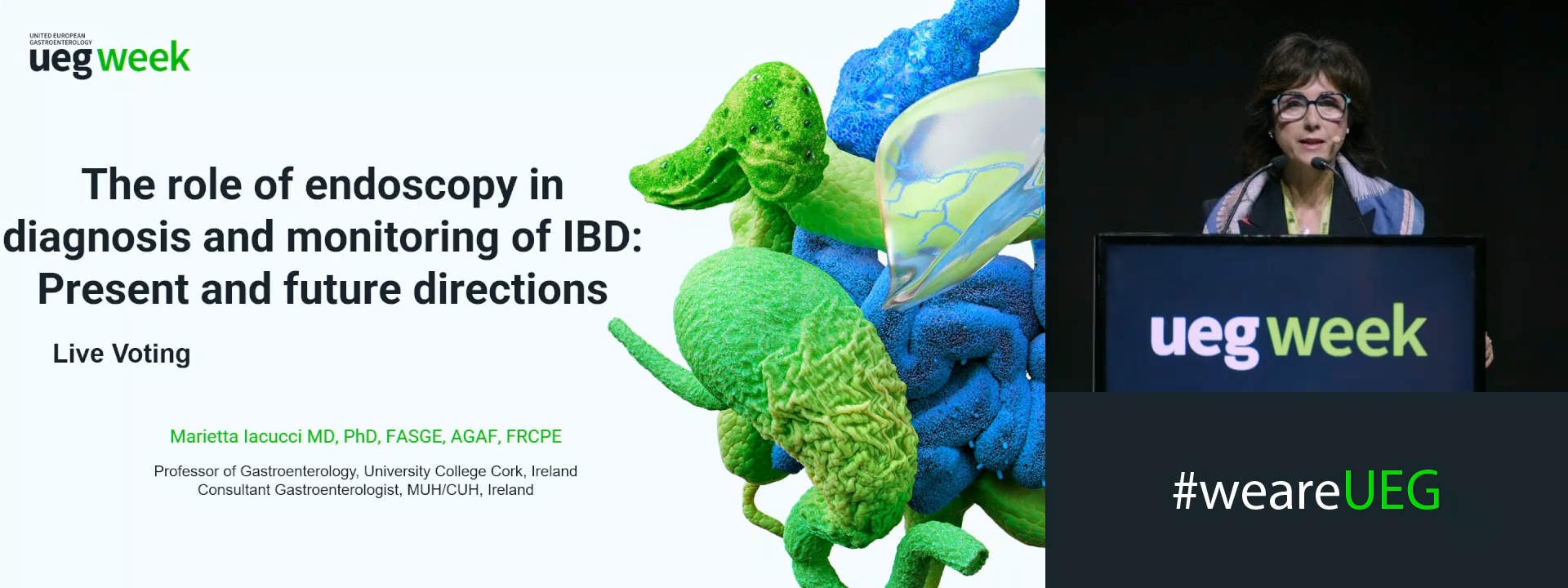
The role of endoscopy in diagnosis and monitoring of IBD: Present and future directions
Affiliations
1 University College Cork, Cork, Ireland
Log in to continue.
This content is part of Gutflix. Log in with your myUEG account, or create one free, to watch it.
Not sure what you can access? Learn more about account types.
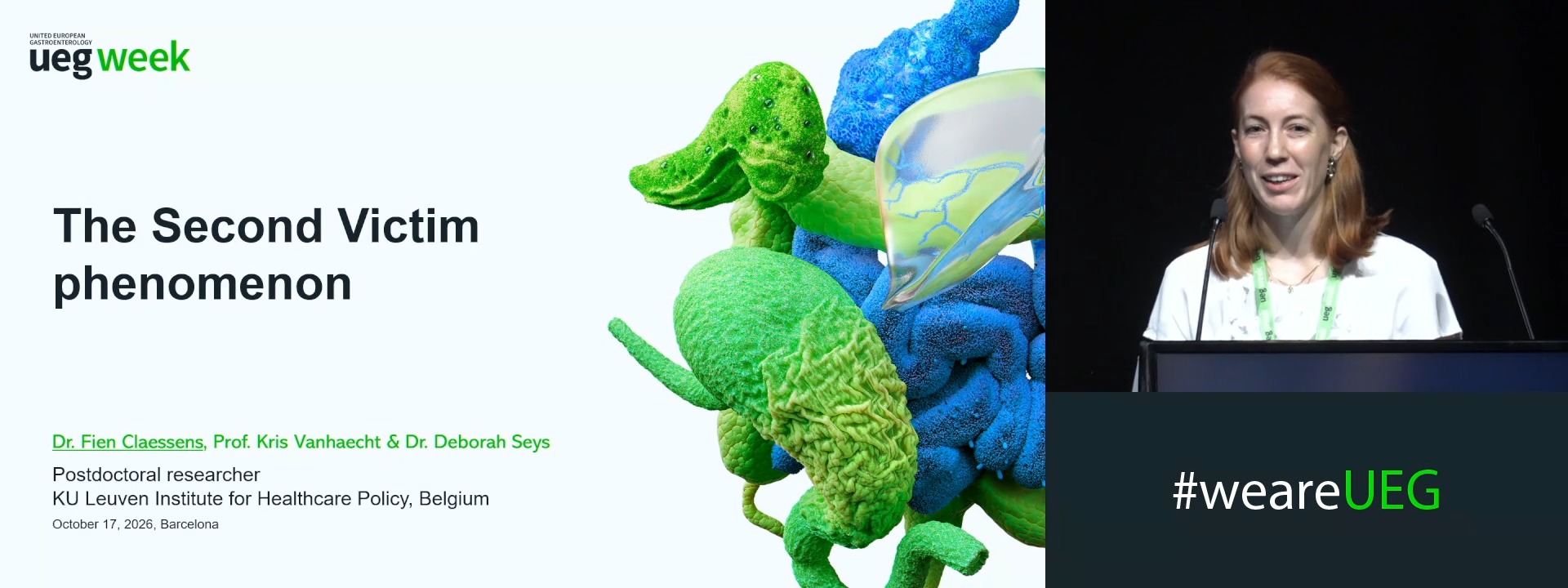
Second victim phenomenon – how can we prevent it
Affiliations
1 None, None, Belgium
Log in to continue.
This content is part of Gutflix. Log in with your myUEG account, or create one free, to watch it.
Not sure what you can access? Learn more about account types.
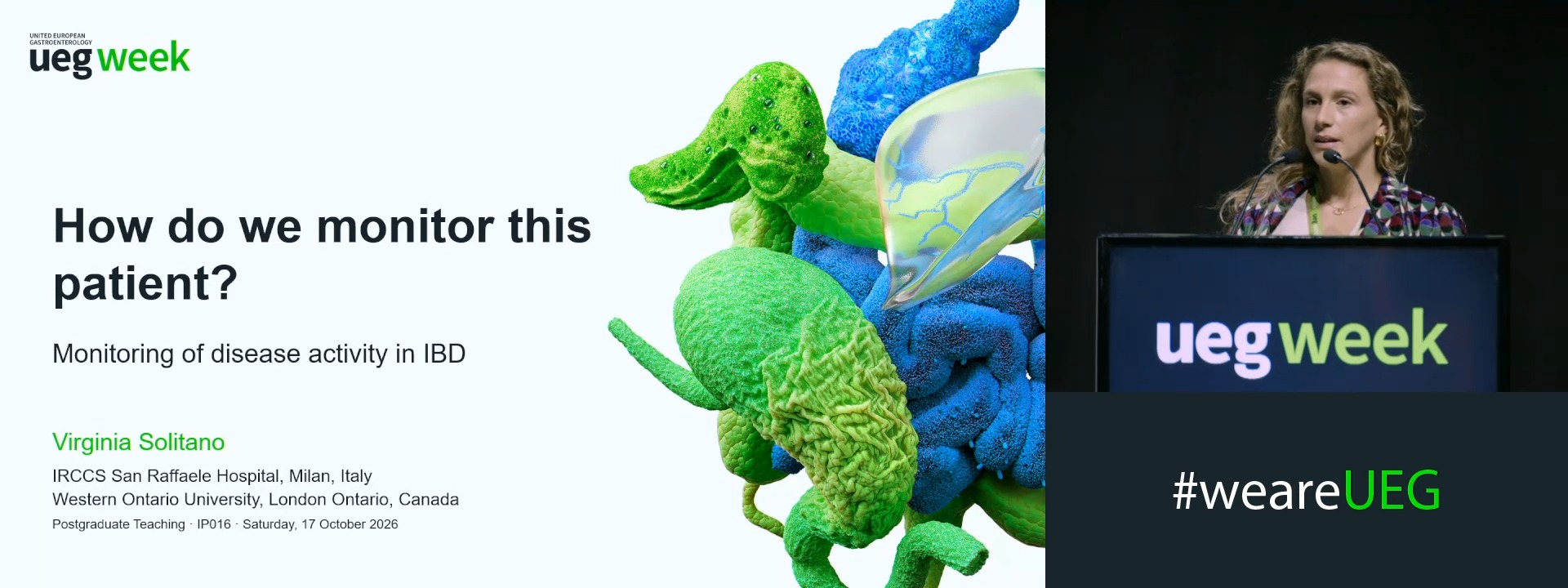
How do we monitor this patient?
Affiliations
1 IRCCS Ospedale San Raffaele, Milan, Italy

Log in to continue.
This content is part of Gutflix. Log in with your myUEG account, or create one free, to watch it.
Not sure what you can access? Learn more about account types.
Summary: How to make and not miss the diagnosis: Coeliac disease across the spectrum
Affiliations
1 Norwegian Coeliac Disease Research Centre, University of Oslo and Oslo University Hospital, Oslo, Norway
Log in to continue.
This content is part of Gutflix. Log in with your myUEG account, or create one free, to watch it.
Not sure what you can access? Learn more about account types.
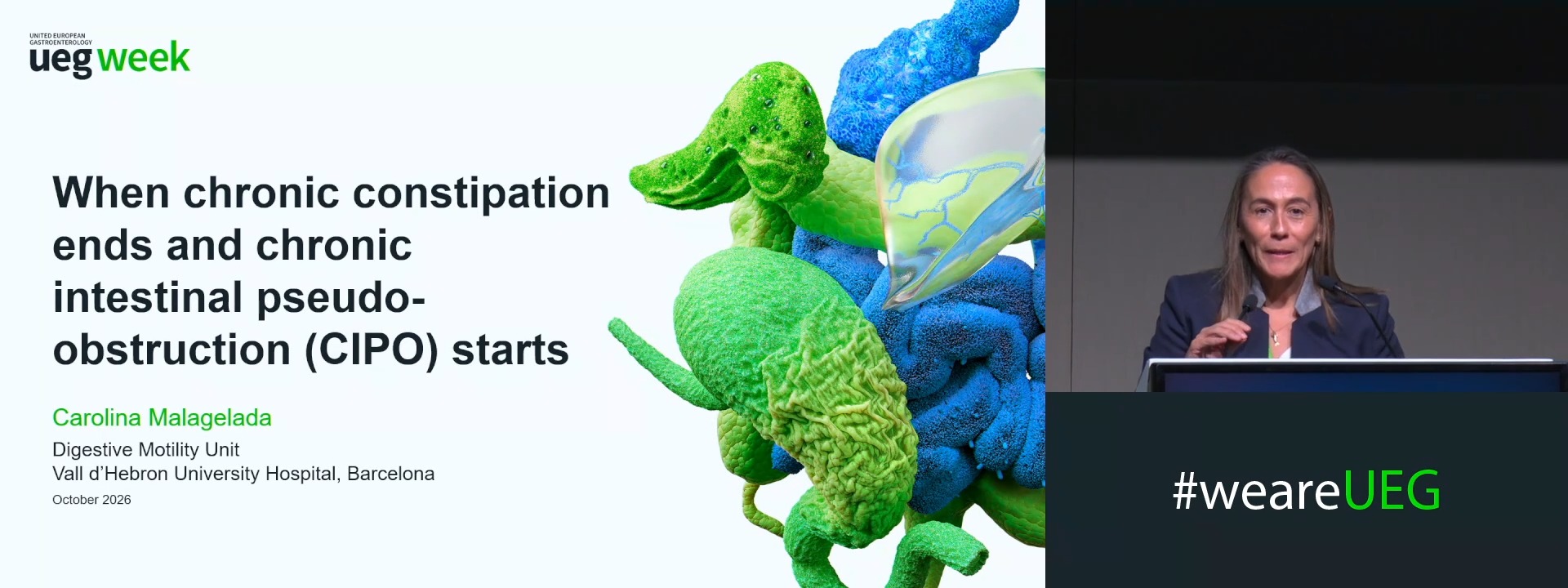
When chronic constipation ends and chronic intestinal pseudo-obstruction (CIPO) starts
Affiliations
1 Hospital Universitari Vall d`Hebron, Barcelona, Spain
Log in to continue.
This content is part of Gutflix. Log in with your myUEG account, or create one free, to watch it.
Not sure what you can access? Learn more about account types.
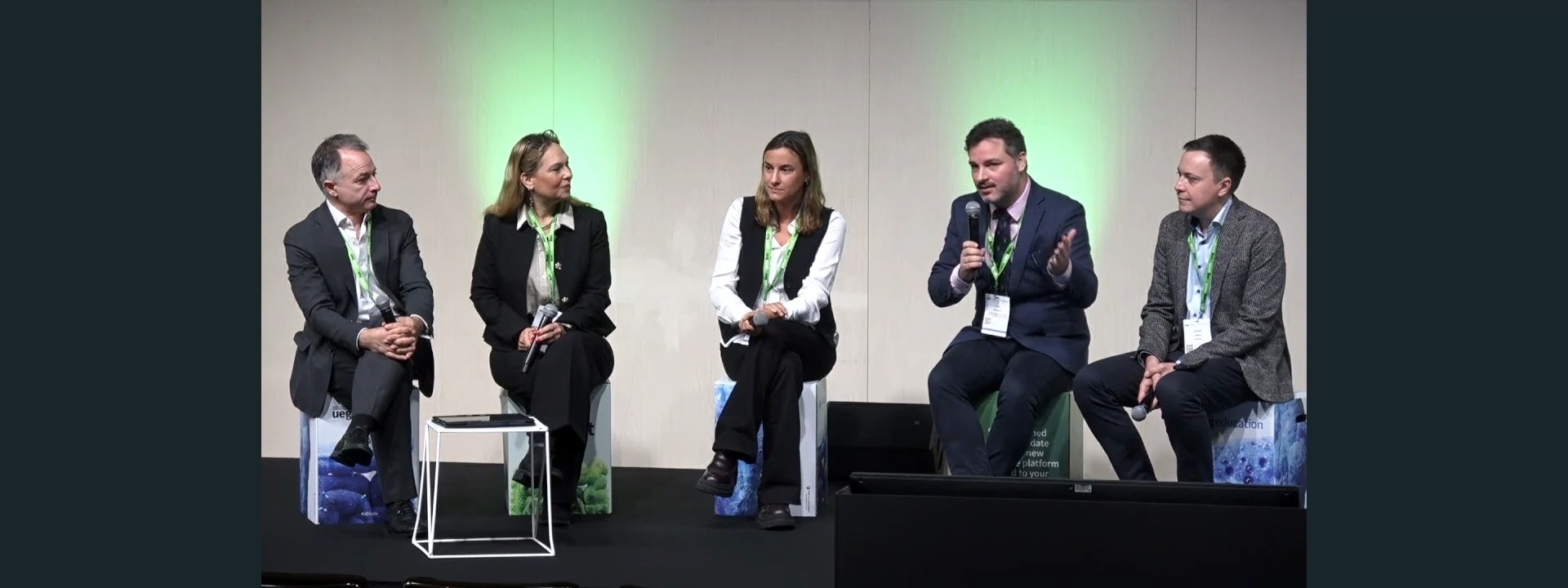
Panel discussion: Does SLD matter to you in your practice?