UEG's content platform for gastroenterology education bringing recordings, courses, guidelines, and more together in one place.
Trending on Gutflix
Rate for better recommendations!
Your feedback helps us show you more of what you like and less of what you dislike!
Log in to continue.
This content is part of Gutflix. Log in with your myUEG account, or create one free, to watch it.
Not sure what you can access? Learn more about account types.
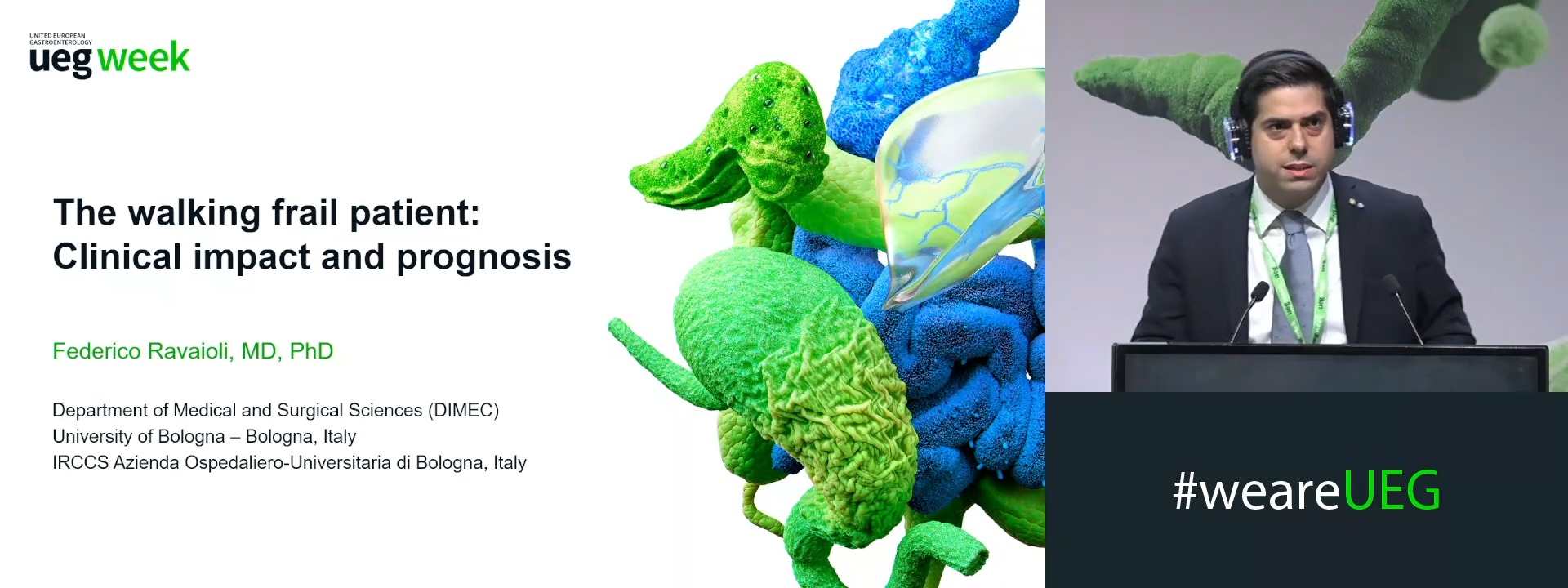
The walking frail patient: Clinical impact and prognosis
Affiliations
1 University of Bologna, Bologna, Italy
Log in to continue.
This content is part of Gutflix. Log in with your myUEG account, or create one free, to watch it.
Not sure what you can access? Learn more about account types.
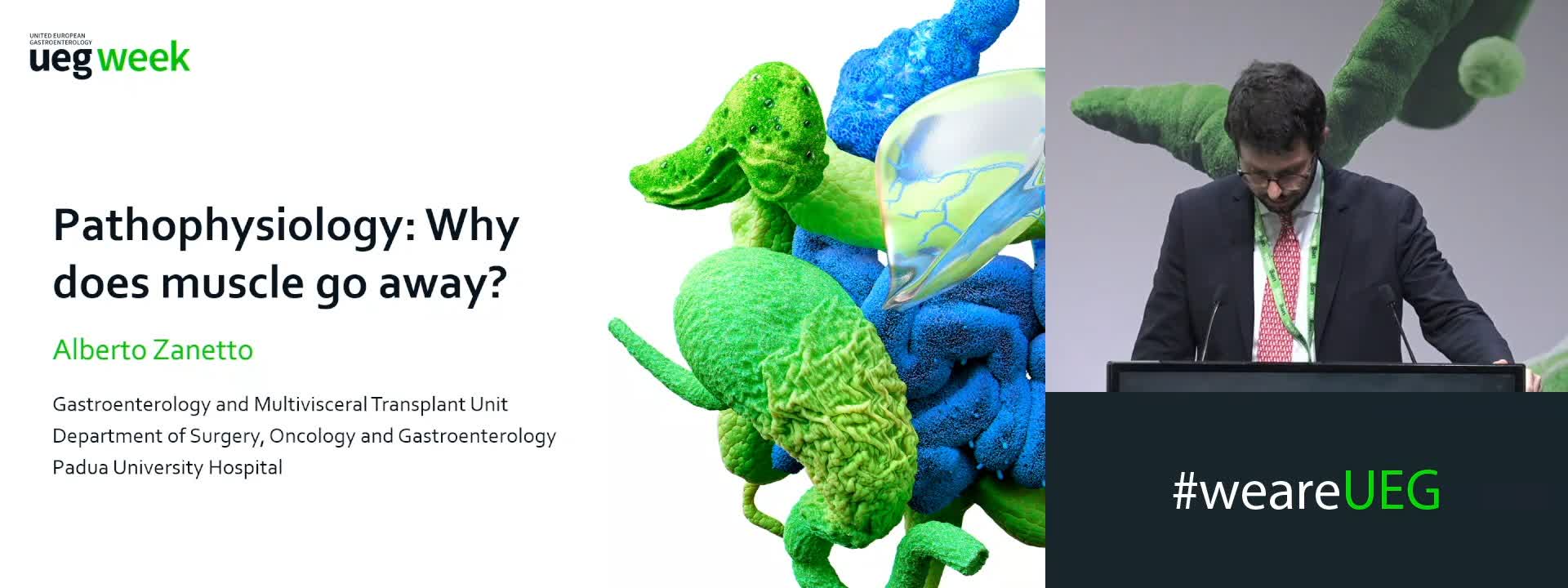
Pathophysiology: Why does muscle go away?
Affiliations
1 Department of Surgery, Oncology and Gastroenterology, University of Padua, Padua, Italy
Log in to continue.
This content is part of Gutflix. Log in with your myUEG account, or create one free, to watch it.
Not sure what you can access? Learn more about account types.
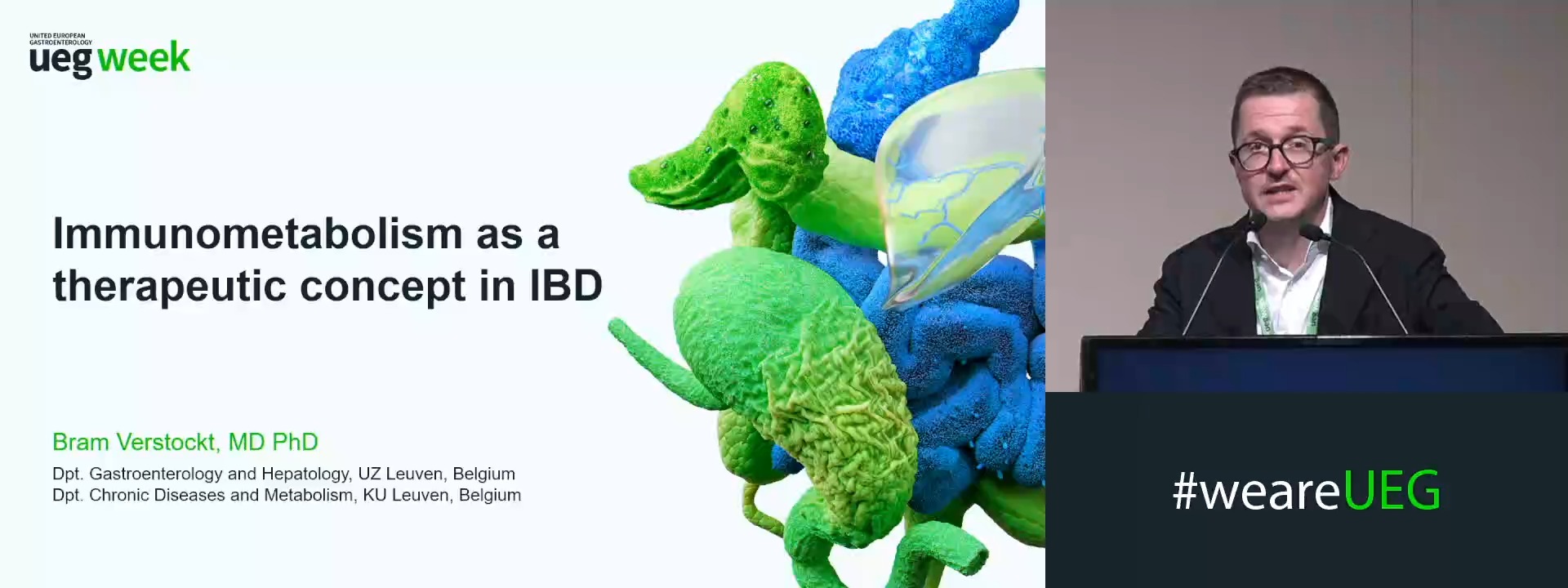
Immunometabolism as a therapeutic concept in inflammatory bowel disease
Affiliations
1 University Hospitals Leuven and KU Leuven, Translational Research in Gastrointestinal Disorders - IB, Leuven, Belgium
Log in to continue.
This content is part of Gutflix. Log in with your myUEG account, or create one free, to watch it.
Not sure what you can access? Learn more about account types.
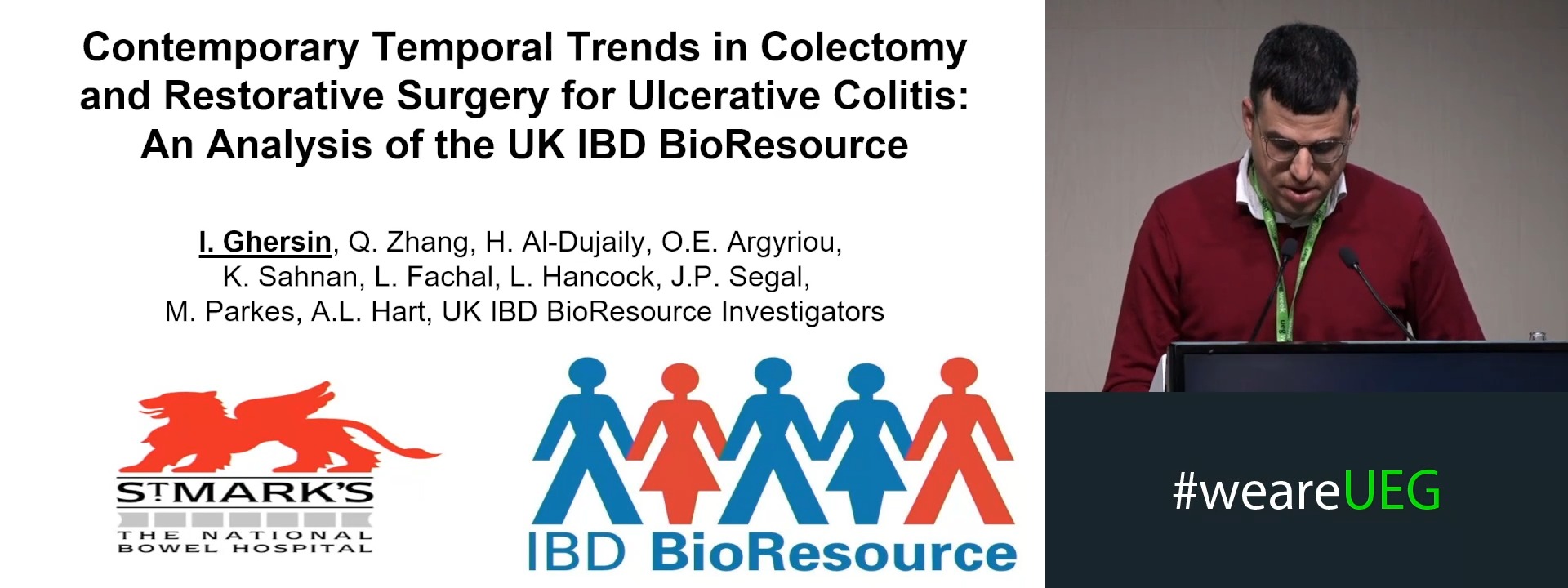
CONTEMPORARY TEMPORAL TRENDS IN COLECTOMY AND RESTORATIVE SURGERY FOR ULCERATIVE COLITIS: AN ANALYSIS OF THE UK IBD BIORESOURCE
Itai Ghersin 1,2, Qian Zhang 3, Hashem Mahdi M. Saleh Al-Dujaily 4, Orestis E. Argyriou 5, Kapil Sahnan 5, Laura Fachal 3, Laura Hancock 6, Jonathan P Segal 7, Miles Parkes 8, Ailsa L Hart 5
Affiliations
1 Rambam Health Care Campus, Haifa, Israel
2 St. Mark's Hospital and Academic Institute, London, United Kingdom
3 Wellcome Sanger Institute, Hinxton - Saffron Walden, United Kingdom
4 Hull University Teaching Hospitals NHS Trust, Hull, United Kingdom
5 St Mark’s Hospital and Academic Institute, London, United Kingdom
6 Manchester University NHS Foundation Trust, Manchester, United Kingdom
7 Royal Melbourne Hospital, Melbourne, Australia
8 Inflammatory Bowel Disease Research Group, Addenbrooke's Hospital, Cambridge, UK, Cambridge, United Kingdom
Log in to continue.
This content is part of Gutflix. Log in with your myUEG account, or create one free, to watch it.
Not sure what you can access? Learn more about account types.
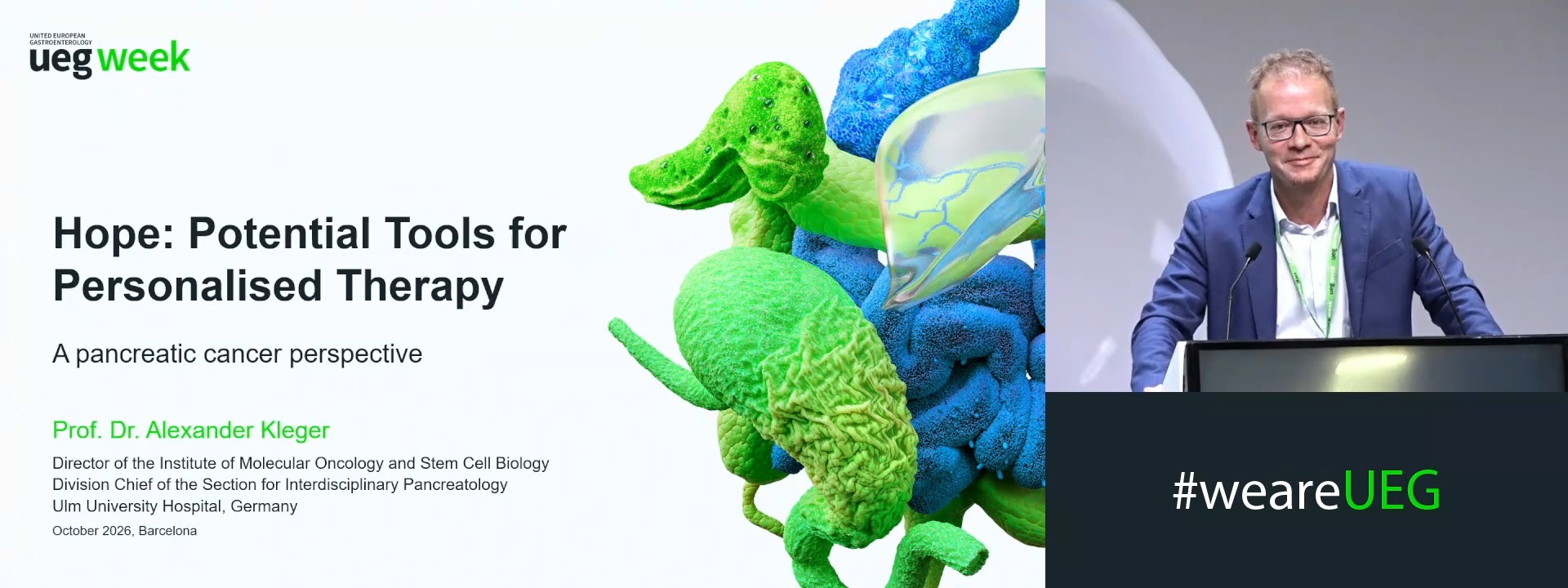
Hope: Potential tools for personalised therapy