UEG's content platform for gastroenterology education bringing recordings, courses, guidelines, and more together in one place.
Trending on Gutflix
Rate for better recommendations!
Your feedback helps us show you more of what you like and less of what you dislike!
Log in to continue.
This content is part of Gutflix. Log in with your myUEG account, or create one free, to watch it.
Not sure what you can access? Learn more about account types.
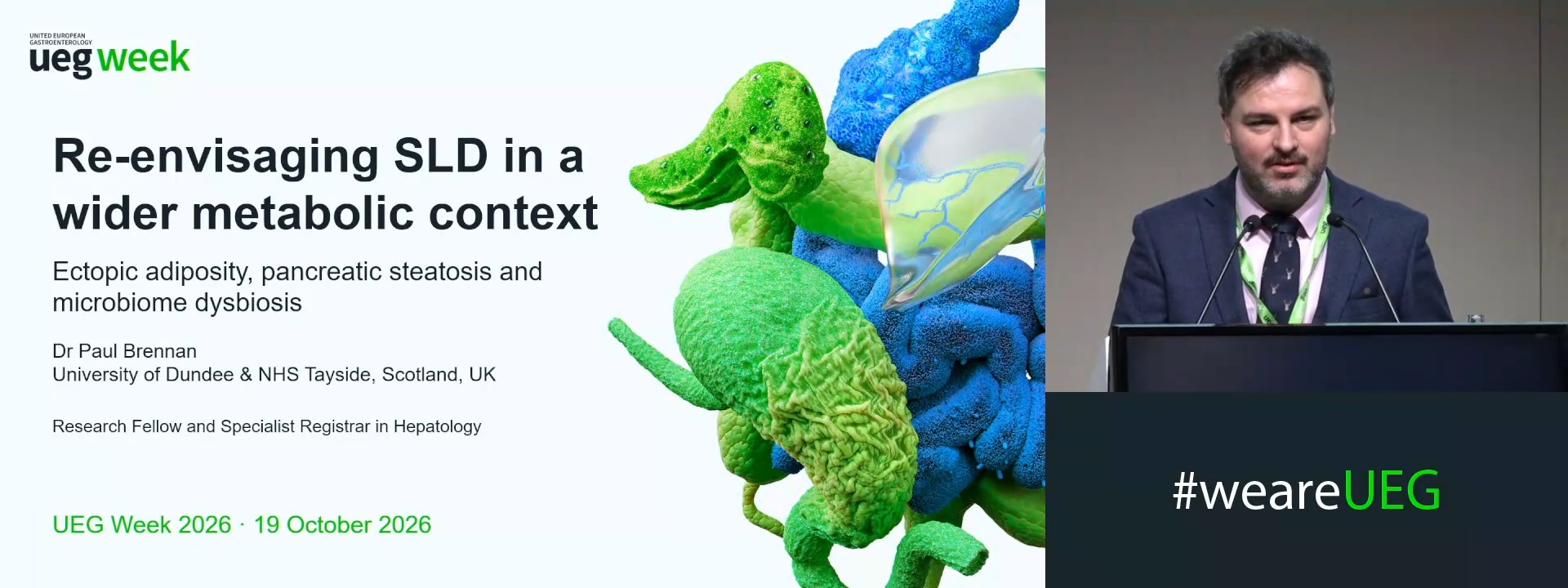
Re‑envisaging SLD in a wider metabolic context: ectopic adiposity, pancreatic steatosis and microbiome dysbiosis
Affiliations
1 Royal Infirmary of Edinburgh, Edinburgh, United Kingdom

Log in to continue.
This content is part of Gutflix. Log in with your myUEG account, or create one free, to watch it.
Not sure what you can access? Learn more about account types.
Panel discussion: Does SLD matter to you in your practice?
Log in to continue.
This content is part of Gutflix. Log in with your myUEG account, or create one free, to watch it.
Not sure what you can access? Learn more about account types.
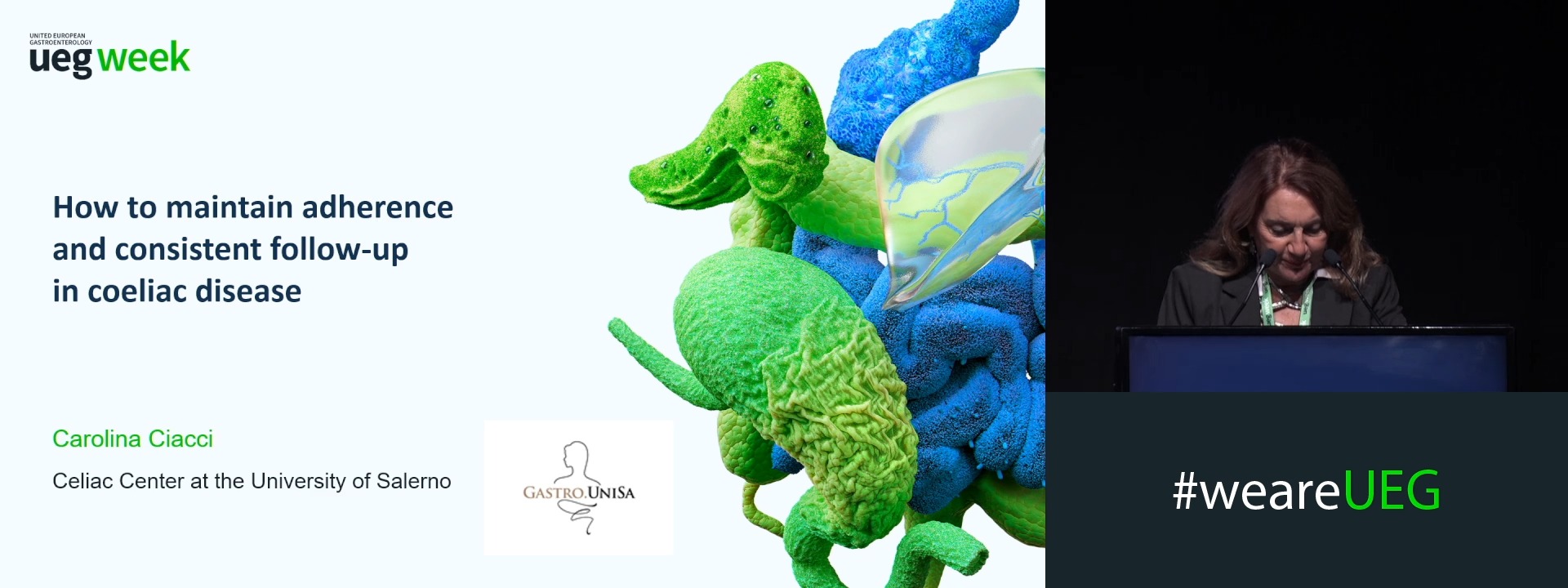
How to maintain adherence and consistent follow-up in coeliac disease
Affiliations
1 University of Salerno, Salerno, Italy

Log in to continue.
This content is part of Gutflix. Log in with your myUEG account, or create one free, to watch it.
Not sure what you can access? Learn more about account types.
Incidental findings in the bile tree/bladder
Affiliations
1 The Netherlands Cancer Institute, Amsterdam, Netherlands

Log in to continue.
This content is part of Gutflix. Log in with your myUEG account, or create one free, to watch it.
Not sure what you can access? Learn more about account types.
Endoscopic treatment: EMR/ESD
Affiliations
1 Katholieke Universiteit Leuven, Leuven, Belgium
Log in to continue.
This content is part of Gutflix. Log in with your myUEG account, or create one free, to watch it.
Not sure what you can access? Learn more about account types.
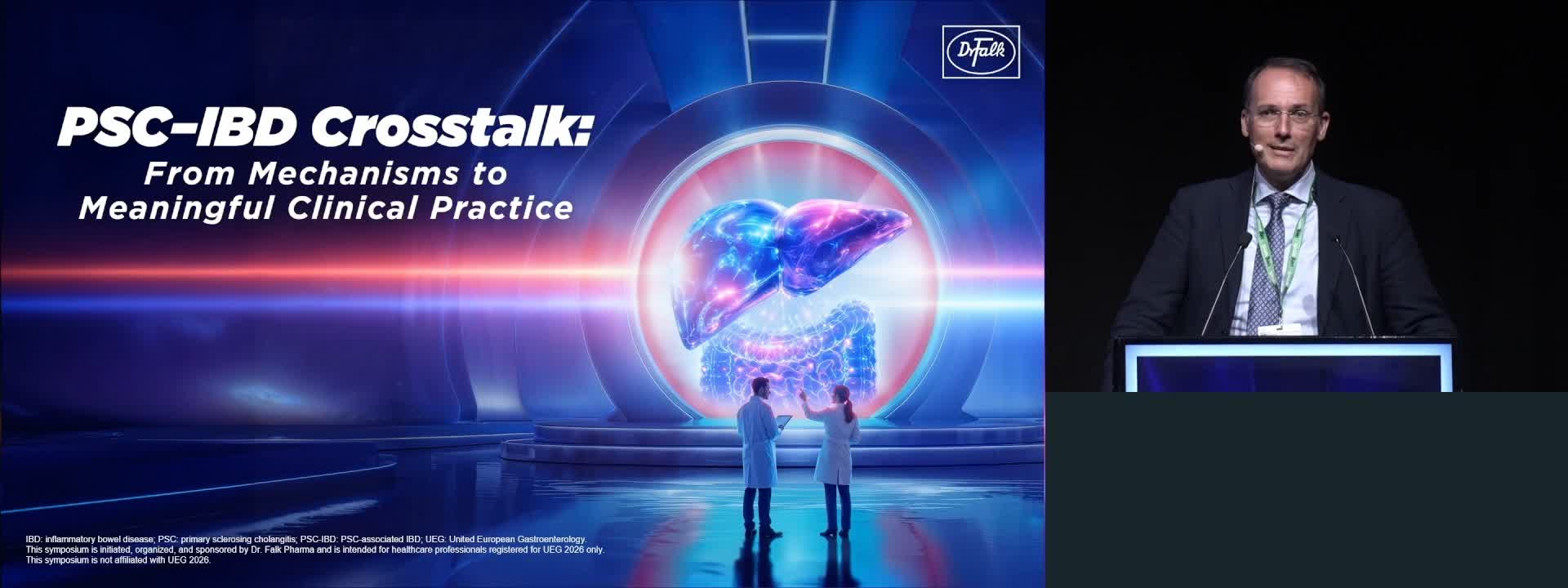
PSC-IBD crosstalk: From mechanisms to meaningful clinical practice (Dr. Falk Pharma) (Complete Session)
Affiliations
1 Charité - Universitätsmedizin, Berlin, Germany
2 Medical University of Vienna, Vienna, Austria
3 John Radcliffe Hospital, Oxford, Oxford, United Kingdom
4 University of Birmingham, Birmingham, United Kingdom