UEG Week Recordings UEG Week Posters Online courses Guidelines Mistakes in... Podcasts Webinars
new
Gut Guide online
Visit ueg.eu Create myUEG account Log In

Filters:

UEG Online Course
not accredited
Share via Email Share on Facebook Share on X Share on LinkedIn Share on Bluesky

Log in to continue.

This content is part of Gutflix. Log in with your myUEG account, or create one free, to watch it.

Log In Create a free account

Not sure what you can access? Learn more about account types.

Polypectomy

Stuart Riley, Bjorn Rembacken

Summary

AI Generated

This educational course on colonic polypectomy aims to promote safe and effective practice through standardised protocols covering technique, patient communication, indications, contraindications, and complications.

  • Polypectomy is the most commonly performed therapeutic intervention and all colonoscopists should be able to perform it safely and effectively
  • The course covers communication and consent, indications and contraindications for colonic polypectomy, elements of polypectomy and polyp retrieval, and awareness of complications
  • Practice has evolved considerably in recent years with a range of equipment and techniques now available for different clinical settings
  • The target audience includes gastroenterologists, other physicians, surgeons, and nursing staff involved in endoscopy
Download PDF

Was this helpful?

Thanks for your feedback.

This summary was generated by an AI large language model based on the content transcript. It is for informational purposes only and should not be considered a substitute for clinical judgment. Always rely on your professional expertise and the full clinical context when making clinical decisions.

Overview

Polypectomy is the most commonly performed therapeutic intervention and all colonoscopists should be able to perform the procedure safely and effectively.  Practice has evolved considerably in recent years and there is now a range of equipment and techniques available for different clinical settings.  The purpose of this course is to highlight areas of good practice and promote the use of standardised protocols.

Learning objectives

  • To understand the importance of communication, patient information and consent
  • To be aware of the indications and contraindications for colonic polypectomy
  • To understand the elements of polypectomy and polyp retrieval
  • To be aware of complications

Target audience

This course is suitable for gastroenterologists, other physicians, surgeons and nursing staff involved in endoscopy.


Event

Polypectomy

Topics

Digestive Oncology Endoscopy

Accreditation status

not accredited

Duration

1 hour

Published

2017

More Like This:

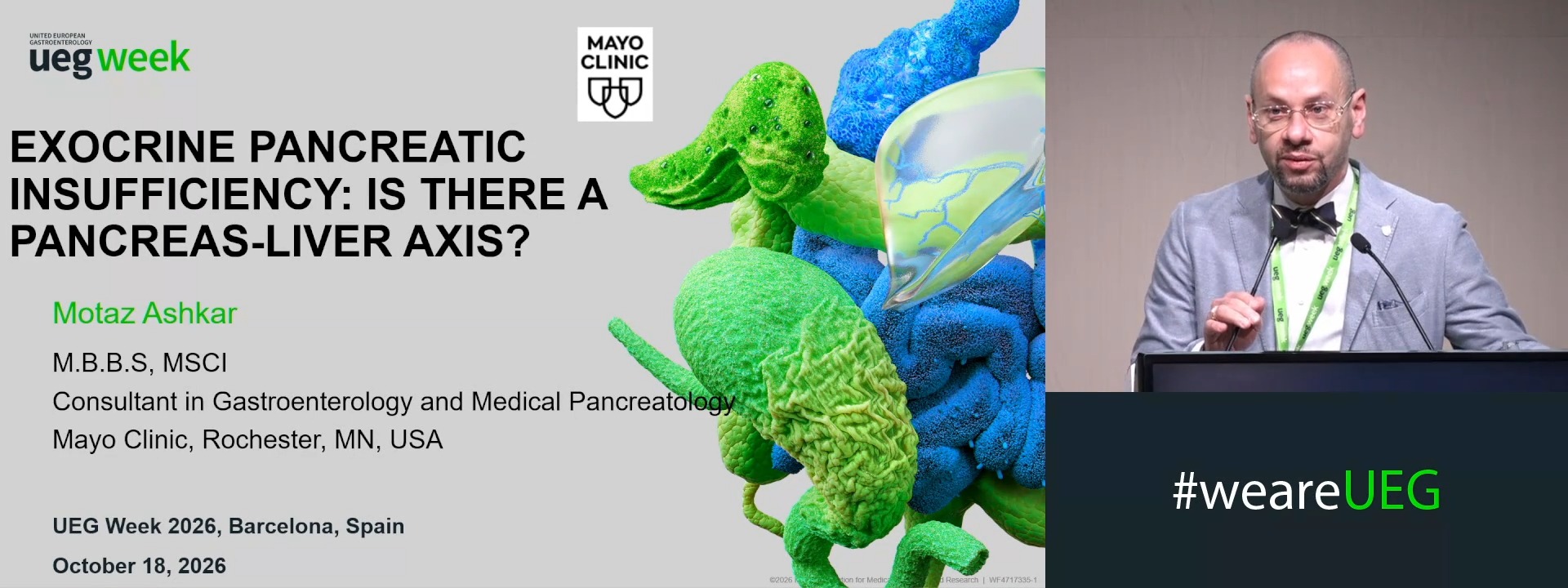
Exocrine pancreatic insufficiency: is there a pancreas-liver axis?

Exocrine pancreatic insufficiency: is there a pancreas-liver axis?

Ashkar Motaz Ashkar Motaz

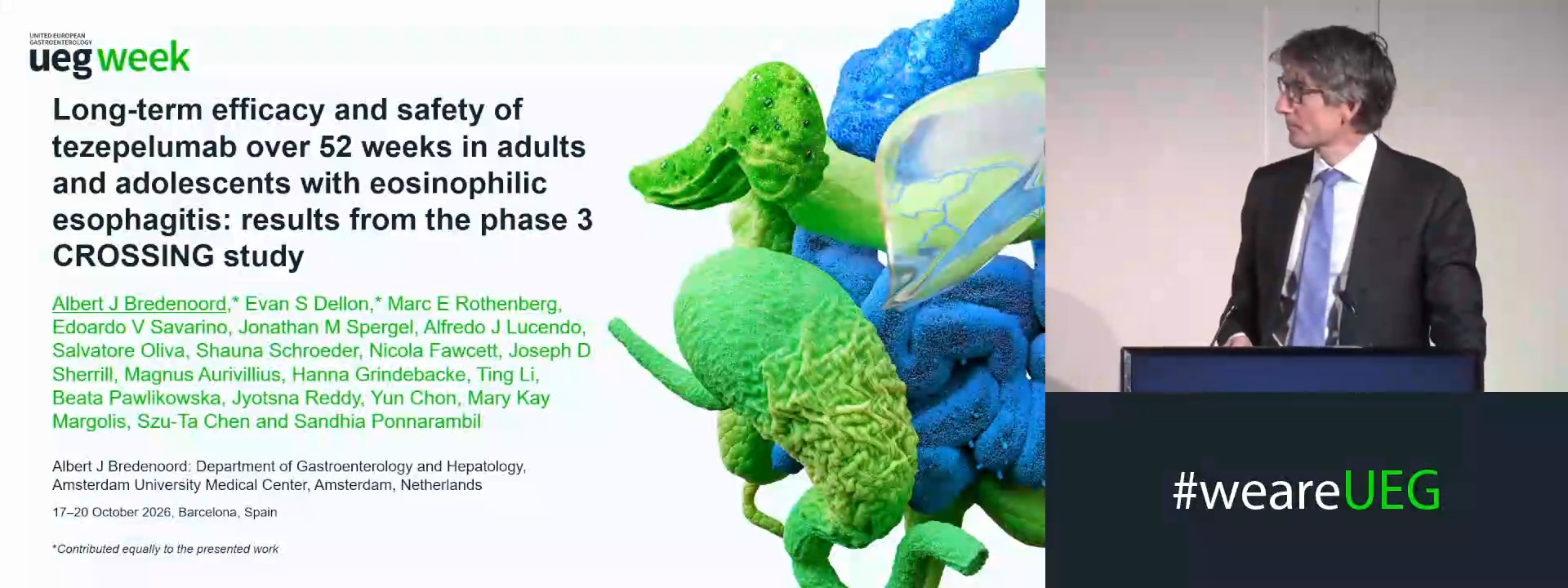
LONG-TERM EFFICACY AND SAFETY OF TEZEPELUMAB OVER 52 WEEKS IN ADULTS AND ADOLESCENTS WITH EOSINOPHILIC ESOPHAGITIS: RESULTS FROM THE PHASE 3 CROSSING STUDY

LONG-TERM EFFICACY AND SAFETY OF TEZEPELUMAB OVER 52 WEEKS IN ADULTS AND ADOLESCENTS WITH EOSINOPHILIC ESOPHAGITIS: RESULTS FROM THE PHASE 3 CROSSING STUDY

Sandhia Ponnarambil Sandhia Ponnarambil, Szu-Ta Chen, Mary Kay Margolis, Yun Chon, Jyotsna Reddy, Beata Pawlikowska, Ting Li, Hanna Grindebacke, Magnus Aurivillius, Joseph D Sherrill, Nicola Fawcett, Shauna Schroeder, Salvatore Oliva, Alfredo J. Lucendo, Jonathan Spergel, Edoardo Vincenzo Savarino, Marc E. Rothenberg, Evan S. Dellon, Albert J. Bredenoord

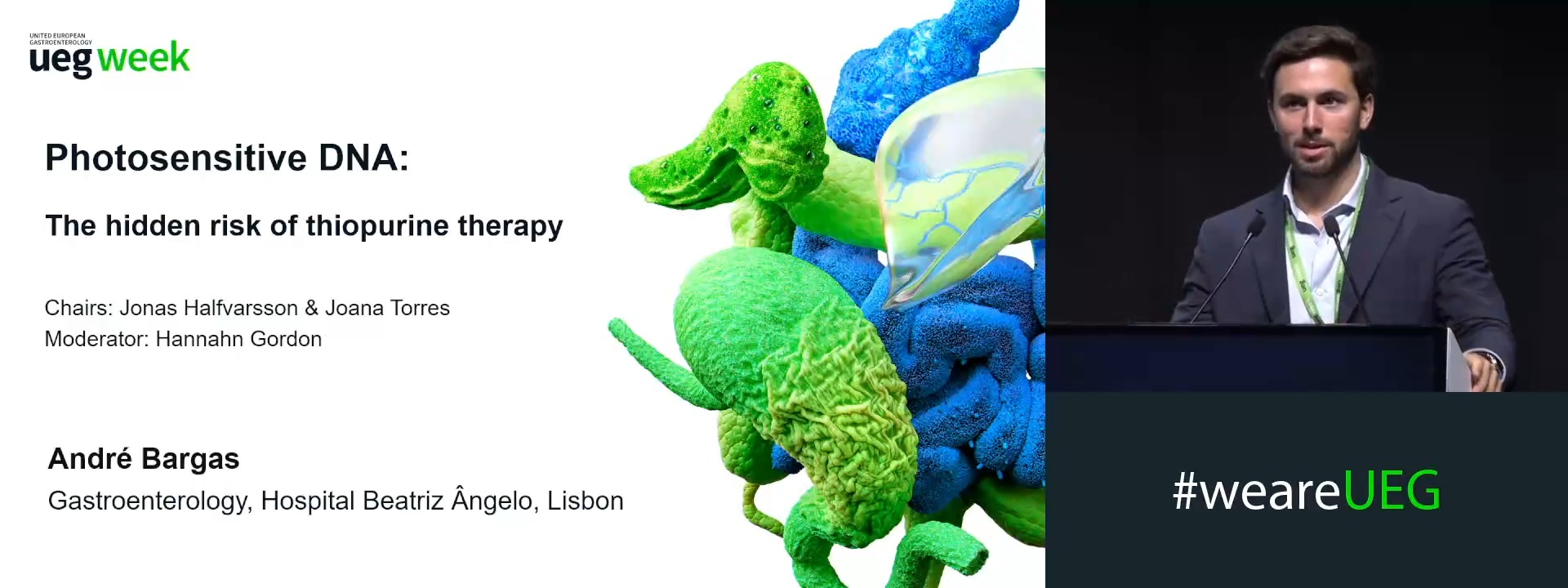
Photosensitive DNA: The hidden risk of thiopurine therapy

Photosensitive DNA: The hidden risk of thiopurine therapy

André Bargas Bárbara André Bargas Bárbara

MYELOID-DERIVED SUPPRESSOR CELLS AFTER ERADICATION OF HEPATITIS C VIRUS USING DIRECTLY ACTING ANTIVIRALS

MYELOID-DERIVED SUPPRESSOR CELLS AFTER ERADICATION OF HEPATITIS C VIRUS USING DIRECTLY ACTING ANTIVIRALS

Amany Abbasy Amany Abbasy, Bassem Elsherbini, Ashraf Awaad, Mai Moaaz, Mohamed Afifi, Ahmed Kamal, Dania Abunawas

MUCOSA-ASSOCIATED COLLAGENOUS COLITIS MICROBIOTA IN-DEPTH ANALYSIS IDENTIFIES POTENTIAL DISEASE TRIGGERS

MUCOSA-ASSOCIATED COLLAGENOUS COLITIS MICROBIOTA IN-DEPTH ANALYSIS IDENTIFIES POTENTIAL DISEASE TRIGGERS

Andre Franke Andre Franke, Mario Pérez-Manrique, Celia Escudero-Hernández, Mauro D'Amato, Philip Rosenstiel, Corinna Bang, Andreas Münch, Philipp Rausch

What can we learn from ADMIRE?

What can we learn from ADMIRE?

Nuha Yassin Nuha Yassin

UEG Presentation
New
Share via Email Share on Facebook Share on X Share on LinkedIn Share on Bluesky
Exocrine pancreatic insufficiency: is there a pancreas-liver axis?

Log in to continue.

This content is part of Gutflix. Log in with your myUEG account, or create one free, to watch it.

Log In Create a free account

Not sure what you can access? Learn more about account types.

Exocrine pancreatic insufficiency: is there a pancreas-liver axis?

Ashkar Motaz 1

Affiliations

1 Mayo Clinic, Rochester, United States of America

Summary

AI Generated

Summary is not available for this content yet.

Download PDF

Was this helpful?

Thanks for your feedback.

This summary was generated by an AI large language model based on the content transcript. It is for informational purposes only and should not be considered a substitute for clinical judgment. Always rely on your professional expertise and the full clinical context when making clinical decisions.

Abstract

Event

UEG Week Barcelona 2026

Topics

Endoscopy IBD

Session

Hot topics in European Gastroenterology

Citation

2026: United European Gastroenterology Journal 2026; 14 (S1)

Published

2026

More Like This:

Exocrine pancreatic insufficiency: is there a pancreas-liver axis?

Exocrine pancreatic insufficiency: is there a pancreas-liver axis?

Ashkar Motaz Ashkar Motaz

LONG-TERM EFFICACY AND SAFETY OF TEZEPELUMAB OVER 52 WEEKS IN ADULTS AND ADOLESCENTS WITH EOSINOPHILIC ESOPHAGITIS: RESULTS FROM THE PHASE 3 CROSSING STUDY

LONG-TERM EFFICACY AND SAFETY OF TEZEPELUMAB OVER 52 WEEKS IN ADULTS AND ADOLESCENTS WITH EOSINOPHILIC ESOPHAGITIS: RESULTS FROM THE PHASE 3 CROSSING STUDY

Sandhia Ponnarambil Sandhia Ponnarambil, Szu-Ta Chen, Mary Kay Margolis, Yun Chon, Jyotsna Reddy, Beata Pawlikowska, Ting Li, Hanna Grindebacke, Magnus Aurivillius, Joseph D Sherrill, Nicola Fawcett, Shauna Schroeder, Salvatore Oliva, Alfredo J. Lucendo, Jonathan Spergel, Edoardo Vincenzo Savarino, Marc E. Rothenberg, Evan S. Dellon, Albert J. Bredenoord

Photosensitive DNA: The hidden risk of thiopurine therapy

Photosensitive DNA: The hidden risk of thiopurine therapy

André Bargas Bárbara André Bargas Bárbara

MYELOID-DERIVED SUPPRESSOR CELLS AFTER ERADICATION OF HEPATITIS C VIRUS USING DIRECTLY ACTING ANTIVIRALS

MYELOID-DERIVED SUPPRESSOR CELLS AFTER ERADICATION OF HEPATITIS C VIRUS USING DIRECTLY ACTING ANTIVIRALS

Amany Abbasy Amany Abbasy, Bassem Elsherbini, Ashraf Awaad, Mai Moaaz, Mohamed Afifi, Ahmed Kamal, Dania Abunawas

MUCOSA-ASSOCIATED COLLAGENOUS COLITIS MICROBIOTA IN-DEPTH ANALYSIS IDENTIFIES POTENTIAL DISEASE TRIGGERS

MUCOSA-ASSOCIATED COLLAGENOUS COLITIS MICROBIOTA IN-DEPTH ANALYSIS IDENTIFIES POTENTIAL DISEASE TRIGGERS

Andre Franke Andre Franke, Mario Pérez-Manrique, Celia Escudero-Hernández, Mauro D'Amato, Philip Rosenstiel, Corinna Bang, Andreas Münch, Philipp Rausch

What can we learn from ADMIRE?

What can we learn from ADMIRE?

Nuha Yassin Nuha Yassin

UEG Presentation
New
Share via Email Share on Facebook Share on X Share on LinkedIn Share on Bluesky
LONG-TERM EFFICACY AND SAFETY OF TEZEPELUMAB OVER 52 WEEKS IN ADULTS AND ADOLESCENTS WITH EOSINOPHILIC ESOPHAGITIS: RESULTS FROM THE PHASE 3 CROSSING STUDY

Log in to continue.

This content is part of Gutflix. Log in with your myUEG account, or create one free, to watch it.

Log In Create a free account

Not sure what you can access? Learn more about account types.

LONG-TERM EFFICACY AND SAFETY OF TEZEPELUMAB OVER 52 WEEKS IN ADULTS AND ADOLESCENTS WITH EOSINOPHILIC ESOPHAGITIS: RESULTS FROM THE PHASE 3 CROSSING STUDY

Albert J. Bredenoord 1, Evan S. Dellon 2, Marc E. Rothenberg 3,4, Edoardo Vincenzo Savarino 5, Jonathan Spergel 6,7, Alfredo J. Lucendo 8,9,10, Salvatore Oliva 11, Shauna Schroeder 12, Nicola Fawcett 13, Joseph D Sherrill 14, Magnus Aurivillius 15, Hanna Grindebacke 15, Ting Li 16, Beata Pawlikowska 17, Jyotsna Reddy 18, Yun Chon 18, Mary Kay Margolis 14, Szu-Ta Chen 19, Sandhia Ponnarambil 20

Affiliations

1 Amsterdam University Medical Center, Amsterdam, Netherlands

2 University of North Carolina School of Medicine, Chapel Hill, NC, United States

3 Cincinnati Children's Hospital Medical Center, Cincinnati, United States

4 University of Cincinnati College of Medicine, Cincinnati, United States

5 Azienda Ospedale-Università di Padova, Padua, Italy

6 Children's Hospital of Philadelphia, Philadelphia, United States

7 Perelman School of Medicine at the University of Pennsylvania, Philadelphia, United States

8 Centro de Investigación Biomédica en Red en Enfermedades Hepáticas y Digestivas, Madrid, Spain

9 Hospital General de Tomelloso, Tomelloso, Spain

10 Instituto de Investigación Sanitaria de Castilla-La Mancha (IDISCAM), Toledo, Spain

11 Sapienza – University of Rome, Rome, Italy

12 Phoenix Children’s Hospital, Phoenix, United States

13 AstraZeneca, Barcelona, Spain

14 AstraZeneca, Gaithersburg, United States

15 AstraZeneca, Gothenburg, Sweden

16 AstraZeneca, Durham, United States

17 AstraZeneca, Warsaw, Poland

18 Amgen, Thousand Oaks, United States

19 AstraZeneca, Boston, United States

20 AstraZeneca, Cambridge, United Kingdom

Summary

AI Generated

Summary is not available for this content yet.

Download PDF

Was this helpful?

Thanks for your feedback.

This summary was generated by an AI large language model based on the content transcript. It is for informational purposes only and should not be considered a substitute for clinical judgment. Always rely on your professional expertise and the full clinical context when making clinical decisions.

Abstract

Introduction

Tezepelumab is a human monoclonal antibody that blocks the activity of thymic stromal lymphopoietin (TSLP), an epithelial cytokine that has been implicated in the pathogenesis of EoE. CROSSING (NCT05583227) was a phase 3 study that evaluated the efficacy and safety of tezepelumab in patients with EoE.

Aims & Methods

In this multicentre, randomized, double-blind, placebo-controlled study, patients (12–80 years old) with symptomatic and histologically active EoE were randomized 1:1:1 to receive tezepelumab 210 mg, tezepelumab 420 mg or placebo subcutaneously every 4 weeks for 52 weeks. Key secondary endpoints were histologic remission (defined as a peak esophageal eosinophil count per high-power field ≤ 6), change from baseline in DSQ score at week 52, and change from baseline in Endoscopic Reference Score (EREFS) at week 52 to evaluate the long-term efficacy of tezepelumab. Adverse events (AEs) and serious AEs were assessed.

Results

Overall, 365 patients received treatment (tezepelumab 210 mg, n = 122; tezepelumab 420 mg, n = 122; placebo, n = 121). Both co-primary endpoints and all key secondary endpoints were met. At week 24, 64.8%, 68.9% and 3.5% of patients had histologic remission in the tezepelumab 210 mg, 420 mg and placebo groups, respectively; with significant differences versus placebo of 60.45 (95% confidence interval [CI]: 51.09, 69.81; p < 0.001) and 65.75 (56.81, 74.69; p < 0.001), respectively (Table). Placebo-adjusted least-squares (LS) mean differences in change from baseline in DSQ score were −4.07 (95% CI: −8.12, −0.02; p = 0.049) and −7.29 (−11.29, −3.29; p < 0.001), respectively. At week 52, 67.8%, 63.3% and 5.4% of patients had histologic remission in the tezepelumab 210 mg, 420 mg and placebo groups, respectively, with significant differences versus placebo of 63.44% (95% CI: 53.82, 73.07); p < 0.001 and 58.31% (48.58, 68.05); p < 0.001, respectively. The LS mean change from baseline in DSQ score at week 52 was −22.10 in the tezepelumab 210 mg group, −24.03 in the tezepelumab 420 mg group and −13.19 in the placebo group, with significant improvements versus placebo (LS mean difference: −8.91; [95% CI: −13.20, −4.62]; p < 0.001 and −10.84; [−15.10, −6.58]; p < 0.001, respectively). The LS mean change from baseline to week 52 in EREFS was −3.92 in the tezepelumab 210 mg group, −3.70 in the tezepelumab 420 mg group and −0.60 in the placebo group, with significant improvements versus placebo (LS mean difference: −3.32; [95% CI: −4.04, −2.60]; p < 0.001 and −3.10; [−3.81, −2.38]; p <0.001, respectively) (Table). The overall incidence of AEs and serious AEs was comparable across the tezepelumab treatment groups and placebo group.

Table. Proportion of patients with histologic remission and the change from baseline in DSQ score and EREFS at weeks 24 and 52


Week 24Week 52
aDSQ refers to a 14-day DSQ score, comprised of daily DSQ values captured over a 14-day period; the score ranges from 0–84.
bThe scoring system was applied separately in the proximal (proximal half) and distal (distal half) endoscopy findings, and the sum for each individual component from the proximal and distal scores was added to form the total EREFS score (range 0–18).
CI, confidence interval; DSQ, Dysphagia Symptom Questionnaire; EREFS, Endoscopic Reference Score; LS, least-squares; Q4W, every 4 weeks.

Tezepelumab
210 mg Q4W
(n = 122)

Tezepelumab
420 mg Q4W
(n = 122)

Placebo
(n = 121)


Tezepelumab
210 mg Q4W
(n = 122)
Tezepelumab
420 mg Q4W
(n = 122)

Placebo
(n = 121)

Proportion of patients with
histological remission (%)

64.868.93.5
67.863.35.4
Difference from placebo
(95% CI); p
60.45 (51.09, 69.81)
p < 0.001
65.75 (56.81, 74.69)
p < 0.001
–63.44 (53.82, 73.07)
p < 0.001
58.31 (48.58, 68.05)
p < 0.001
–
LS mean change from baseline
in DSQ scorea

–18.80
–22.02
–14.73–22.10
–24.03

–13.19
LS mean difference from placebo
(95% CI); p
–4.07 (–8.12, –0.02)
p = 0.049
–7.29 (–11.29, –3.29)
p < 0.001
–
–8.91 (−13.20, –4.62)
p < 0.001

–10.84 (−15.10, –6.58)
p < 0.001
–
LS mean change from baseline
in EREFSb

–3.59
–3.65
–0.21
–3.92
–3.70–0.60
LS mean difference from placebo
(95% CI); p
–3.37 (–4.04, –2.70)
p < 0.001
–3.43 (–4.10, –2.77)
p < 0.001
–
–3.32 (–4.04, –2.60)
p < 0.001
–3.10 (–3.81, –2.38)
p < 0.001
–

Conclusion

In adults and adolescents with active EoE, tezepelumab demonstrated sustained improvements in histologic remission, dysphagia symptoms and endoscopic outcomes versus placebo at 24 and 52 weeks and was generally well tolerated.

Disclosure

Albert J Bredenoord has received research funding from Dr. Falk Pharma, Nutricia, Thelial Technologies and SST; and is a consultant for Alimentiv, AstraZeneca, Celgene, Calyx, Dr. Falk Pharma, Laborie Medical Technologies, Medtronic and Regeneron Pharmaceuticals.
Evan S Dellon has received research funding from Adare/Ellodi, Allakos, Arena/Pfizer, AstraZeneca, Celgene/Receptos/Bristol Myers Squibb, Celldex, Dr. Falk Pharma, Eupraxia, Ferring, GSK, Meritage, Miraca, Nutricia, Phathom, Regeneron Pharmaceuticals, Revolo, Sanofi, Shire/Takeda and Uniquity; has received consultancy fees from Abbvie, Adare/Ellodi, Alfasigma, ALK, Amgen, Anaptysbio/First Tracks bio, Apogee, Apollo, Aqilion, Arena/Pfizer, AstraZeneca, Bethanamist, Biocryst, Bryn, Calypso, Celgene/Receptos/Bristol Myers Squibb, Celldex, Cyted, Domain, Dr. Falk Pharma, EsoCap, Eupraxia, Ferring, GI Reviewers, GSK, Holoclara, Johnson & Johnson, Knightpoint, Kymera, Lilly, LucidDx, Noa, Nexstone Immunology/Uniquity, Nutricia, Parexel/Calyx, Phathom, Regeneron Pharmaceuticals, Revolo, Robarts/Alimentiv, Roivant, Sanofi, Shire/Takeda, Target RWE and Third Harmonic Bio; and has received educational grant from Allakos, Aqilion, Holoclara and Invea.
Marc E Rothenberg is a consultant for AstraZeneca, Celldex, ClostraBio, EnZen Therapeutics, Kymera Therapeutics, Pulm One, Serpin Pharm, Spoon Guru and Uniquity Bio; has an equity interest in Celldex, ClostraBio, EnZen Therapeutics, Pulm One, Santa Ana Bio, Serpin Pharm, Spoon Guru and Uniquity Bio; has received royalties from Teva Pharmaceuticals (reslizumab), Mapi Research Trust (PEESSv2) and UpToDate; and is an inventor of patents owned by Cincinnati Children's Hospital Medical Center.
Edoardo V Savarino has served as speaker for Abbvie, Aboca, Abivax, Agave, AGPharma, Alfasigma, Apoteca, Biosline, CaDiGroup, Celltrion, Dr. Falk Pharma, EG Stada Group, Fenix Pharma, Galapagos, Giuliani, Johnson & Johnson, JB Pharmaceuticals, Innovamedica/Adacyte, Lilly, Lionhealth, Malesci, Mayoly Biohealth, Montefarco, Novartis, Omega Pharma, Pfizer, Rafa, Reckitt Benckiser, Recordati, Sandoz, Sanofi/Regeneron, SILA, Takeda, Tillots and Unifarco; has served as a consultant for Abbvie, Alfasigma, Apogee, AstraZeneca, Biogen, Bristol Myers Squibb, Celltrion, Dr. Falk Pharma, Fenix Pharma, Ferring, Giuliani, Grunenthal, Johnson & Johnson, JB Pharmaceuticals, Lilly, Merck, Nestlè, Pfizer, PRO.MED.CS Praha a.s., Reckitt Benckiser, Recordati, Sanofi/Regeneron, SILA, Takeda and Unifarco; has received research support from Bonollo, Difass, Pfizer, Reckitt Benckiser, Sanofi/Regeneron, SILA, Unifarco and Zeta Farmaceutici.
Jonathan M Spergel reports grant support from AstraZeneca, Food Allergy Research and Education, National Institutes of Health, Novartis and Regeneron Pharmaceuticals/Sanofi; and has consulted for Allakos, AstraZeneca, Bristol Myers Squibb, Lilly, Novartis, Ready.Set.Food, and Regeneron/Sanofi.
Alfredo J Lucendo has received research funding from AstraZeneca, Dr. Falk Pharma, Ellodi/Adare, EsoCap and Sanofi/Regeneron; and has served as a consultant for Dr Falk Pharma, EsoCap and Sanofi/Regeneron.
Salvatore Oliva has received speaker fees from Abbvie, Alfasigma, AstraZeneca, Bristol Myers Squibb, Dr. Falk Pharma, Medtronic, Regeneron Pharmaceuticals and Sanofi; and has received research grants from Alfasigma, Consortium of Eosinophilic Gastrointestinal Disease Researchers, European Society for Paediatric Gastroenterology Hepatology and Nutrition, Medtronic, Regeneron Pharmaceuticals and Sanofi.
Shauna Schroeder has received research support from Allakos, AstraZeneca, Bristol Myers Squibb, Celgene, Regeneron Pharmaceuticals, Sanofi, Takeda and has served as speaker and consultant for AstraZeneca, EvoEndo Inc., Regeneron Pharmaceutical, Sanofi and Takeda.
Nicola Fawcett, Joseph D Sherrill, Magnus Aurivillius, Hanna Grindebacke, Ting Li, Beata Pawlikowska, Mary Kay Margolis, Szu-Ta Chen and Sandhia S Ponnarambil are employees of AstraZeneca and may own stock or stock options in AstraZeneca.
Jyotsna Reddy and Yun Chon are employees of Amgen and own stock in Amgen.
Event

UEG Week Barcelona 2026

Topics

Radiology & Imaging Oesophagus Immunology Endoscopy Digestive Oncology Colorectal

Submission format

Late-Breaking Abstract

Session

Late-Breaking: Innovations from diagnosis to treatment

Citation

2026: United European Gastroenterology Journal 2026; 14 (S1)

Published

2026

More Like This:

Exocrine pancreatic insufficiency: is there a pancreas-liver axis?

Exocrine pancreatic insufficiency: is there a pancreas-liver axis?

Ashkar Motaz Ashkar Motaz

LONG-TERM EFFICACY AND SAFETY OF TEZEPELUMAB OVER 52 WEEKS IN ADULTS AND ADOLESCENTS WITH EOSINOPHILIC ESOPHAGITIS: RESULTS FROM THE PHASE 3 CROSSING STUDY

LONG-TERM EFFICACY AND SAFETY OF TEZEPELUMAB OVER 52 WEEKS IN ADULTS AND ADOLESCENTS WITH EOSINOPHILIC ESOPHAGITIS: RESULTS FROM THE PHASE 3 CROSSING STUDY

Sandhia Ponnarambil Sandhia Ponnarambil, Szu-Ta Chen, Mary Kay Margolis, Yun Chon, Jyotsna Reddy, Beata Pawlikowska, Ting Li, Hanna Grindebacke, Magnus Aurivillius, Joseph D Sherrill, Nicola Fawcett, Shauna Schroeder, Salvatore Oliva, Alfredo J. Lucendo, Jonathan Spergel, Edoardo Vincenzo Savarino, Marc E. Rothenberg, Evan S. Dellon, Albert J. Bredenoord

Photosensitive DNA: The hidden risk of thiopurine therapy

Photosensitive DNA: The hidden risk of thiopurine therapy

André Bargas Bárbara André Bargas Bárbara

MYELOID-DERIVED SUPPRESSOR CELLS AFTER ERADICATION OF HEPATITIS C VIRUS USING DIRECTLY ACTING ANTIVIRALS

MYELOID-DERIVED SUPPRESSOR CELLS AFTER ERADICATION OF HEPATITIS C VIRUS USING DIRECTLY ACTING ANTIVIRALS

Amany Abbasy Amany Abbasy, Bassem Elsherbini, Ashraf Awaad, Mai Moaaz, Mohamed Afifi, Ahmed Kamal, Dania Abunawas

MUCOSA-ASSOCIATED COLLAGENOUS COLITIS MICROBIOTA IN-DEPTH ANALYSIS IDENTIFIES POTENTIAL DISEASE TRIGGERS

MUCOSA-ASSOCIATED COLLAGENOUS COLITIS MICROBIOTA IN-DEPTH ANALYSIS IDENTIFIES POTENTIAL DISEASE TRIGGERS

Andre Franke Andre Franke, Mario Pérez-Manrique, Celia Escudero-Hernández, Mauro D'Amato, Philip Rosenstiel, Corinna Bang, Andreas Münch, Philipp Rausch

What can we learn from ADMIRE?

What can we learn from ADMIRE?

Nuha Yassin Nuha Yassin

UEG Presentation
New
Share via Email Share on Facebook Share on X Share on LinkedIn Share on Bluesky
Photosensitive DNA: The hidden risk of thiopurine therapy

Log in to continue.

This content is part of Gutflix. Log in with your myUEG account, or create one free, to watch it.

Log In Create a free account

Not sure what you can access? Learn more about account types.

Photosensitive DNA: The hidden risk of thiopurine therapy

André Bargas Bárbara 1

Affiliations

1 Hospital Beatriz Ângelo, Lisboa, Portugal

Summary

AI Generated

Summary is not available for this content yet.

Download PDF

Was this helpful?

Thanks for your feedback.

This summary was generated by an AI large language model based on the content transcript. It is for informational purposes only and should not be considered a substitute for clinical judgment. Always rely on your professional expertise and the full clinical context when making clinical decisions.

Abstract

Event

Postgraduate Teaching Programme Barcelona 2026

Topics

Immunology Mechanisms & Personalised Medicine IBD

Session

Thiopurines in IBD: Should I stay or should I go

Citation

2026: United European Gastroenterology Journal 2026; 14 (S1)

Published

2026

More Like This:

Exocrine pancreatic insufficiency: is there a pancreas-liver axis?

Exocrine pancreatic insufficiency: is there a pancreas-liver axis?

Ashkar Motaz Ashkar Motaz

LONG-TERM EFFICACY AND SAFETY OF TEZEPELUMAB OVER 52 WEEKS IN ADULTS AND ADOLESCENTS WITH EOSINOPHILIC ESOPHAGITIS: RESULTS FROM THE PHASE 3 CROSSING STUDY

LONG-TERM EFFICACY AND SAFETY OF TEZEPELUMAB OVER 52 WEEKS IN ADULTS AND ADOLESCENTS WITH EOSINOPHILIC ESOPHAGITIS: RESULTS FROM THE PHASE 3 CROSSING STUDY

Sandhia Ponnarambil Sandhia Ponnarambil, Szu-Ta Chen, Mary Kay Margolis, Yun Chon, Jyotsna Reddy, Beata Pawlikowska, Ting Li, Hanna Grindebacke, Magnus Aurivillius, Joseph D Sherrill, Nicola Fawcett, Shauna Schroeder, Salvatore Oliva, Alfredo J. Lucendo, Jonathan Spergel, Edoardo Vincenzo Savarino, Marc E. Rothenberg, Evan S. Dellon, Albert J. Bredenoord

Photosensitive DNA: The hidden risk of thiopurine therapy

Photosensitive DNA: The hidden risk of thiopurine therapy

André Bargas Bárbara André Bargas Bárbara

MYELOID-DERIVED SUPPRESSOR CELLS AFTER ERADICATION OF HEPATITIS C VIRUS USING DIRECTLY ACTING ANTIVIRALS

MYELOID-DERIVED SUPPRESSOR CELLS AFTER ERADICATION OF HEPATITIS C VIRUS USING DIRECTLY ACTING ANTIVIRALS

Amany Abbasy Amany Abbasy, Bassem Elsherbini, Ashraf Awaad, Mai Moaaz, Mohamed Afifi, Ahmed Kamal, Dania Abunawas

MUCOSA-ASSOCIATED COLLAGENOUS COLITIS MICROBIOTA IN-DEPTH ANALYSIS IDENTIFIES POTENTIAL DISEASE TRIGGERS

MUCOSA-ASSOCIATED COLLAGENOUS COLITIS MICROBIOTA IN-DEPTH ANALYSIS IDENTIFIES POTENTIAL DISEASE TRIGGERS

Andre Franke Andre Franke, Mario Pérez-Manrique, Celia Escudero-Hernández, Mauro D'Amato, Philip Rosenstiel, Corinna Bang, Andreas Münch, Philipp Rausch

What can we learn from ADMIRE?

What can we learn from ADMIRE?

Nuha Yassin Nuha Yassin

UEG Poster
Standard Poster
Share via Email Share on Facebook Share on X Share on LinkedIn Share on Bluesky

Log in to continue.

This content is part of Gutflix. Log in with your myUEG account, or create one free, to watch it.

Log In Create a free account

Not sure what you can access? Learn more about account types.

MYELOID-DERIVED SUPPRESSOR CELLS AFTER ERADICATION OF HEPATITIS C VIRUS USING DIRECTLY ACTING ANTIVIRALS

Dania Abunawas 1, Ahmed Kamal 2, Amany Abbasy 2, Mohamed Afifi 1, Mai Moaaz 1, Ashraf Awaad 2, Bassem Elsherbini 1

Affiliations

1 Alexandria University, Medical Research Institute, Alexandria, Egypt

2 Alexandria University, Faculty of Medicine, Alexandria, Egypt

Summary

AI Generated

Summary is not available for this content yet.

Download PDF

Was this helpful?

Thanks for your feedback.

This summary was generated by an AI large language model based on the content transcript. It is for informational purposes only and should not be considered a substitute for clinical judgment. Always rely on your professional expertise and the full clinical context when making clinical decisions.

Abstract

Introduction

Hepatitis C virus (HCV) infection is one of the leading causes of liver cirrhosis and hepatocellular carcinoma. Myeloid-derived suppressor cells (MDSC) are a heterogeneous population of activated immature myeloid cells that are characterized by different specific surface molecules, they express each of CD11b+CD33+ and lack expression of HLA-DR. MDSC are immunosuppressive cells that decrease immune cell activation and induce immunological tolerance in inflammation and cancer. Under normal conditions, MDSC remain in the bone marrow until differentiation; however, under pathological conditions these cells arrest at various stages of development, migrate out of the bone marrow in an immature state and, accumulate in circulation and peripheral lymphoid organs, causing negative regulation of immune responses via various mechanisms, primarily T cell suppression. MDSC are known to increase in patients with chronic hepatitis C virus infection. But it is not clear till now if eradication of HCV using directly acting antivirals can restore normal levels of MDSC on long term or not.

Aims & Methods

This study aimed to assess the levels of MDSC in patients with previous chronic hepatitis C after achieving sustained virologic response (SVR) for at least 2 years using sofosbuvir containing regimens.
This study was a case-control one. Fifty five subjects were involved in the study. All patients had completed DAAs therapy 2-3 years before involvement. Estimation of (CD33+ HLA-DR– CD11b+) expressing cells by flow cytometry was done and levels were compared between HCV patients achieved SVR for 2-3 years and healthy control without any current or previous chronic disease.

Results

MDSC were significantly higher among patients with eradicated HCV for 2-3 years than in healthy controls (4.98% (IQR=3.3 – 7.7) vs 3.09% (1.4 – 3.9), p = 0.001)

Conclusion

Normal MDSC levels are not restored after eradication of HCV using directly acting antivirals even after passage of 2 years on viral eradication. Clinical implications and consequences of these findings should be further investigated.

Conference

UEG Week Copenhagen 2023

Topics

Hepatobiliary

Submission format

Abstract

Session

PP 07 Liver & biliary (Posters)

Citation

United European Gastroenterology Journal 2023; 11 (Supplement 8)

Published

2023

More Like This:

Exocrine pancreatic insufficiency: is there a pancreas-liver axis?

Exocrine pancreatic insufficiency: is there a pancreas-liver axis?

Ashkar Motaz Ashkar Motaz

LONG-TERM EFFICACY AND SAFETY OF TEZEPELUMAB OVER 52 WEEKS IN ADULTS AND ADOLESCENTS WITH EOSINOPHILIC ESOPHAGITIS: RESULTS FROM THE PHASE 3 CROSSING STUDY

LONG-TERM EFFICACY AND SAFETY OF TEZEPELUMAB OVER 52 WEEKS IN ADULTS AND ADOLESCENTS WITH EOSINOPHILIC ESOPHAGITIS: RESULTS FROM THE PHASE 3 CROSSING STUDY

Sandhia Ponnarambil Sandhia Ponnarambil, Szu-Ta Chen, Mary Kay Margolis, Yun Chon, Jyotsna Reddy, Beata Pawlikowska, Ting Li, Hanna Grindebacke, Magnus Aurivillius, Joseph D Sherrill, Nicola Fawcett, Shauna Schroeder, Salvatore Oliva, Alfredo J. Lucendo, Jonathan Spergel, Edoardo Vincenzo Savarino, Marc E. Rothenberg, Evan S. Dellon, Albert J. Bredenoord

Photosensitive DNA: The hidden risk of thiopurine therapy

Photosensitive DNA: The hidden risk of thiopurine therapy

André Bargas Bárbara André Bargas Bárbara

MYELOID-DERIVED SUPPRESSOR CELLS AFTER ERADICATION OF HEPATITIS C VIRUS USING DIRECTLY ACTING ANTIVIRALS

MYELOID-DERIVED SUPPRESSOR CELLS AFTER ERADICATION OF HEPATITIS C VIRUS USING DIRECTLY ACTING ANTIVIRALS

Amany Abbasy Amany Abbasy, Bassem Elsherbini, Ashraf Awaad, Mai Moaaz, Mohamed Afifi, Ahmed Kamal, Dania Abunawas

MUCOSA-ASSOCIATED COLLAGENOUS COLITIS MICROBIOTA IN-DEPTH ANALYSIS IDENTIFIES POTENTIAL DISEASE TRIGGERS

MUCOSA-ASSOCIATED COLLAGENOUS COLITIS MICROBIOTA IN-DEPTH ANALYSIS IDENTIFIES POTENTIAL DISEASE TRIGGERS

Andre Franke Andre Franke, Mario Pérez-Manrique, Celia Escudero-Hernández, Mauro D'Amato, Philip Rosenstiel, Corinna Bang, Andreas Münch, Philipp Rausch

What can we learn from ADMIRE?

What can we learn from ADMIRE?

Nuha Yassin Nuha Yassin

UEG Poster
Standard Poster
Share via Email Share on Facebook Share on X Share on LinkedIn Share on Bluesky

Log in to continue.

This content is part of Gutflix. Log in with your myUEG account, or create one free, to watch it.

Log In Create a free account

Not sure what you can access? Learn more about account types.

MUCOSA-ASSOCIATED COLLAGENOUS COLITIS MICROBIOTA IN-DEPTH ANALYSIS IDENTIFIES POTENTIAL DISEASE TRIGGERS

Philipp Rausch 1, Mario Pérez-Manrique 2, Andreas Münch 3, Corinna Bang 1, Andre Franke 1, Philip Rosenstiel 2, Mauro D'Amato 4,5, Celia Escudero-Hernández 2

Affiliations

1 Kiel University, Kiel, Germany

2 Kiel University, University Hospital Schleswig-Holstein, Kiel, Germany

3 Linköping University, Linköping, Sweden

4 Center of Cooperative Research in Biosciences CICbioGUNE, Derio, Spain

5 LUM University, Bari, Italy

Summary

AI Generated

Summary is not available for this content yet.

Download PDF

Was this helpful?

Thanks for your feedback.

This summary was generated by an AI large language model based on the content transcript. It is for informational purposes only and should not be considered a substitute for clinical judgment. Always rely on your professional expertise and the full clinical context when making clinical decisions.

Abstract

Introduction

Collagenous colitis (CC) is a debilitating, non-destructive inflammatory bowel disease (IBD) that causes intense watery, non-bloody diarrhoea. The abnormal immune response is thought to be initiated by deficient tolerance to commensal gut microbiota, and fecal sample analyses indicate similarities with classic IBD forms as ulcerative colitis and Crohn’s disease. Yet, the exact members of the microbiome that might trigger and maintain the disease remain unknown.

Aims & Methods

To identify primary microbial triggers of CC pathogenesis that could directly interact with intestinal epithelial and submucosal cells, we isolated subepithelial mucosa from CC and healthy control (Hc) formalin-fixed paraffin-embedded samples (n=7-10) by using a laser microdissection microscope (PALM MicroBeam LCM, Zeiss, Germany). Isolated nucleic acids were sequenced using shotgun metagenomics in a NovaSeq 6000 platform (Illumina, USA). Microbial communities were identified using MetaPhlan3/4, and microbial metabolic and molecular function pathways using Humann3.2 algorithms.

Results

Bray-Curtis and Jaccard similarity coefficients showed that CC subepithelial microbiome was similar to that from Hc samples. Still, further analyses indicated that microbial metabolic pathways and molecular functions could differ. Microbiota that was associated with CC included Anoxybacillus and Barnesiella, whereas microbiota associated with Hc comprised Bacteroides, Leuconostoc and Lactobacillus.

Conclusion

Mucosa-associated microbiota in CC did not significantly differ from healthy microbiota. However, our results point to a relation of CC with bacteria that form biofilms (Anoxybacillus) and affect the variability of colitis development (Barnesiella). Thus, validation and further follow-up of these results could help us identify CC triggers in the future.

References

Carstens A. The Gut Microbiota in Collagenous Colitis Shares Characteristics With Inflammatory Bowel Disease-Associated Dysbiosis. Clin Transl Gastroenterol. 2019 Jul;10(7):e00065

Disclosure

AM has received salary for consultancies from Tillotts Pharma AG, Ferring, Vifor and Dr Falk Pharma; speaker’s honoraria from Tillotts Pharma AG and Vifor. The remaining authors declare no conflicts of interest.

Conference

UEG Week Copenhagen 2023

Topics

IBD

Submission format

Abstract

Session

PP 05 IBD (Posters)

Citation

United European Gastroenterology Journal 2023; 11 (Supplement 8)

Published

2023

More Like This:

Exocrine pancreatic insufficiency: is there a pancreas-liver axis?

Exocrine pancreatic insufficiency: is there a pancreas-liver axis?

Ashkar Motaz Ashkar Motaz

LONG-TERM EFFICACY AND SAFETY OF TEZEPELUMAB OVER 52 WEEKS IN ADULTS AND ADOLESCENTS WITH EOSINOPHILIC ESOPHAGITIS: RESULTS FROM THE PHASE 3 CROSSING STUDY

LONG-TERM EFFICACY AND SAFETY OF TEZEPELUMAB OVER 52 WEEKS IN ADULTS AND ADOLESCENTS WITH EOSINOPHILIC ESOPHAGITIS: RESULTS FROM THE PHASE 3 CROSSING STUDY

Sandhia Ponnarambil Sandhia Ponnarambil, Szu-Ta Chen, Mary Kay Margolis, Yun Chon, Jyotsna Reddy, Beata Pawlikowska, Ting Li, Hanna Grindebacke, Magnus Aurivillius, Joseph D Sherrill, Nicola Fawcett, Shauna Schroeder, Salvatore Oliva, Alfredo J. Lucendo, Jonathan Spergel, Edoardo Vincenzo Savarino, Marc E. Rothenberg, Evan S. Dellon, Albert J. Bredenoord

Photosensitive DNA: The hidden risk of thiopurine therapy

Photosensitive DNA: The hidden risk of thiopurine therapy

André Bargas Bárbara André Bargas Bárbara

MYELOID-DERIVED SUPPRESSOR CELLS AFTER ERADICATION OF HEPATITIS C VIRUS USING DIRECTLY ACTING ANTIVIRALS

MYELOID-DERIVED SUPPRESSOR CELLS AFTER ERADICATION OF HEPATITIS C VIRUS USING DIRECTLY ACTING ANTIVIRALS

Amany Abbasy Amany Abbasy, Bassem Elsherbini, Ashraf Awaad, Mai Moaaz, Mohamed Afifi, Ahmed Kamal, Dania Abunawas

MUCOSA-ASSOCIATED COLLAGENOUS COLITIS MICROBIOTA IN-DEPTH ANALYSIS IDENTIFIES POTENTIAL DISEASE TRIGGERS

MUCOSA-ASSOCIATED COLLAGENOUS COLITIS MICROBIOTA IN-DEPTH ANALYSIS IDENTIFIES POTENTIAL DISEASE TRIGGERS

Andre Franke Andre Franke, Mario Pérez-Manrique, Celia Escudero-Hernández, Mauro D'Amato, Philip Rosenstiel, Corinna Bang, Andreas Münch, Philipp Rausch

What can we learn from ADMIRE?

What can we learn from ADMIRE?

Nuha Yassin Nuha Yassin

UEG Presentation
New
Share via Email Share on Facebook Share on X Share on LinkedIn Share on Bluesky
What can we learn from ADMIRE?

Log in to continue.

This content is part of Gutflix. Log in with your myUEG account, or create one free, to watch it.

Log In Create a free account

Not sure what you can access? Learn more about account types.

What can we learn from ADMIRE?

Nuha Yassin 1

Affiliations

1 St Mark'S Hospital, London, London, United Kingdom

Summary

AI Generated

Summary is not available for this content yet.

Download PDF

Was this helpful?

Thanks for your feedback.

This summary was generated by an AI large language model based on the content transcript. It is for informational purposes only and should not be considered a substitute for clinical judgment. Always rely on your professional expertise and the full clinical context when making clinical decisions.

Abstract

Event

UEG Week Barcelona 2026

Topics

IBD

Session

What can we learn from ‘failed’ IBD trials?

Citation

2026: United European Gastroenterology Journal 2026; 14 (S1)

Published

2026

More Like This:

Exocrine pancreatic insufficiency: is there a pancreas-liver axis?

Exocrine pancreatic insufficiency: is there a pancreas-liver axis?

Ashkar Motaz Ashkar Motaz

LONG-TERM EFFICACY AND SAFETY OF TEZEPELUMAB OVER 52 WEEKS IN ADULTS AND ADOLESCENTS WITH EOSINOPHILIC ESOPHAGITIS: RESULTS FROM THE PHASE 3 CROSSING STUDY

LONG-TERM EFFICACY AND SAFETY OF TEZEPELUMAB OVER 52 WEEKS IN ADULTS AND ADOLESCENTS WITH EOSINOPHILIC ESOPHAGITIS: RESULTS FROM THE PHASE 3 CROSSING STUDY

Sandhia Ponnarambil Sandhia Ponnarambil, Szu-Ta Chen, Mary Kay Margolis, Yun Chon, Jyotsna Reddy, Beata Pawlikowska, Ting Li, Hanna Grindebacke, Magnus Aurivillius, Joseph D Sherrill, Nicola Fawcett, Shauna Schroeder, Salvatore Oliva, Alfredo J. Lucendo, Jonathan Spergel, Edoardo Vincenzo Savarino, Marc E. Rothenberg, Evan S. Dellon, Albert J. Bredenoord

Photosensitive DNA: The hidden risk of thiopurine therapy

Photosensitive DNA: The hidden risk of thiopurine therapy

André Bargas Bárbara André Bargas Bárbara

MYELOID-DERIVED SUPPRESSOR CELLS AFTER ERADICATION OF HEPATITIS C VIRUS USING DIRECTLY ACTING ANTIVIRALS

MYELOID-DERIVED SUPPRESSOR CELLS AFTER ERADICATION OF HEPATITIS C VIRUS USING DIRECTLY ACTING ANTIVIRALS

Amany Abbasy Amany Abbasy, Bassem Elsherbini, Ashraf Awaad, Mai Moaaz, Mohamed Afifi, Ahmed Kamal, Dania Abunawas

MUCOSA-ASSOCIATED COLLAGENOUS COLITIS MICROBIOTA IN-DEPTH ANALYSIS IDENTIFIES POTENTIAL DISEASE TRIGGERS

MUCOSA-ASSOCIATED COLLAGENOUS COLITIS MICROBIOTA IN-DEPTH ANALYSIS IDENTIFIES POTENTIAL DISEASE TRIGGERS

Andre Franke Andre Franke, Mario Pérez-Manrique, Celia Escudero-Hernández, Mauro D'Amato, Philip Rosenstiel, Corinna Bang, Andreas Münch, Philipp Rausch

What can we learn from ADMIRE?

What can we learn from ADMIRE?

Nuha Yassin Nuha Yassin

The global reference point for the digestive health community

Platform Publisher

United European Gastroenterology

Wickenburggasse 1 1080 Vienna, Austria

Contact us

support@ueg.eu

ueg.eu

T: +43 1 997 1639

Legal

Terms & Conditions

Imprint

Privacy Policy

Explore

My Bookmarks

My recommendations

My fields of interest

© 2026 United European Gastroenterology

Change fields of interest

These fields are selected based on the interests in your myUEG profile.
Click the item to unselect it. You can select multiple items.