UEG's content platform for gastroenterology education bringing recordings, courses, guidelines, and more together in one place.
Trending on Gutflix
Rate for better recommendations!
Your feedback helps us show you more of what you like and less of what you dislike!
Log in to continue.
This content is part of Gutflix. Log in with your myUEG account, or create one free, to watch it.
Not sure what you can access? Learn more about account types.
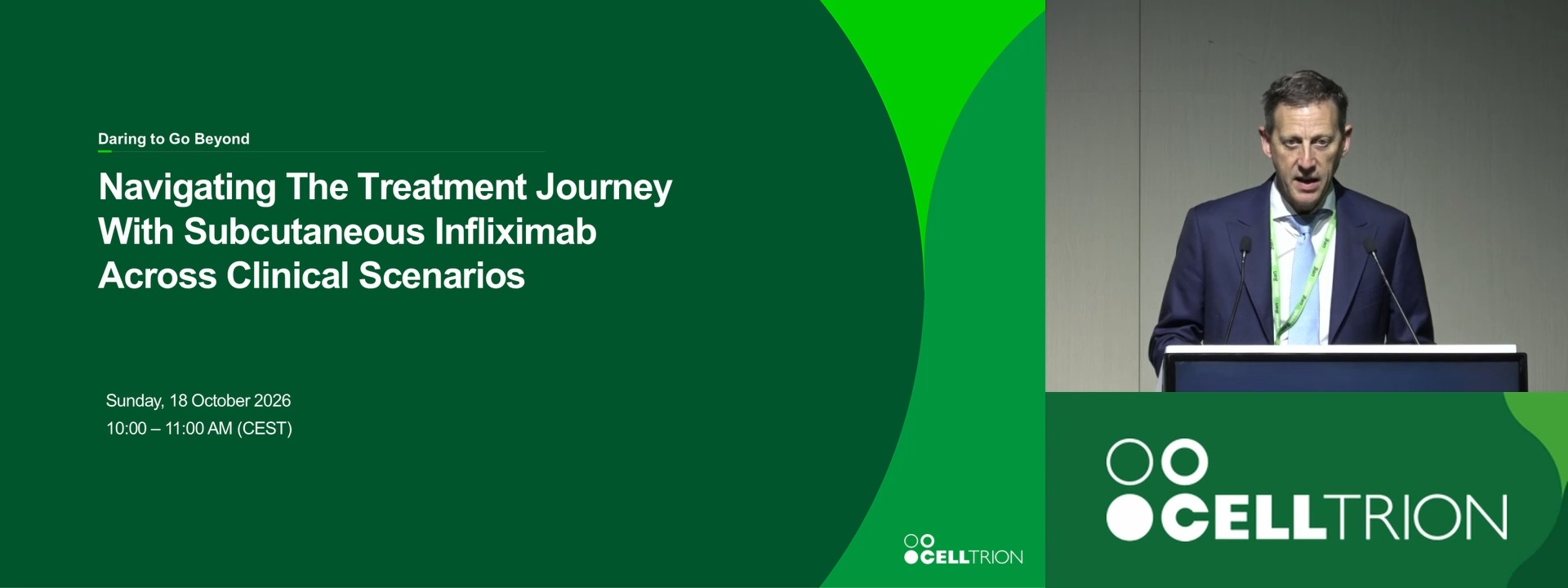
Navigating the Treatment Journey with Subcutaneous Infliximab across Clinical Scenarios (Celltrion) (Complete Session)
Affiliations
1 IBD Unit, London, United Kingdom
2 Inselspital - Bern University Hospital, Bern, Switzerland
3 University Hospitals Leuven and KU Leuven, Translational Research in Gastrointestinal Disorders - IB, Leuven, Belgium
Log in to continue.
This content is part of Gutflix. Log in with your myUEG account, or create one free, to watch it.
Not sure what you can access? Learn more about account types.
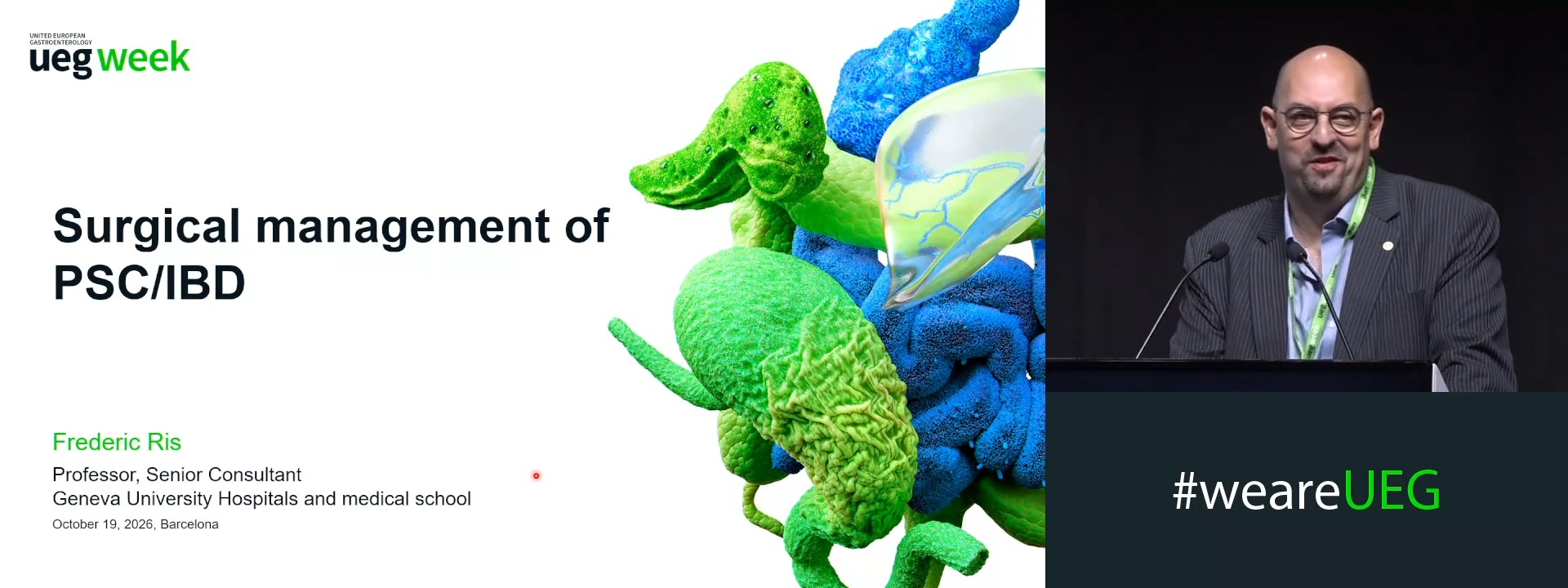
Surgical management of PSC/IBD
Affiliations
1 Geneva University Hospitals, Geneva, Switzerland

Log in to continue.
This content is part of Gutflix. Log in with your myUEG account, or create one free, to watch it.
Not sure what you can access? Learn more about account types.
Q&A: Comparative discussion: Choosing the right tool for the right patient
Log in to continue.
This content is part of Gutflix. Log in with your myUEG account, or create one free, to watch it.
Not sure what you can access? Learn more about account types.
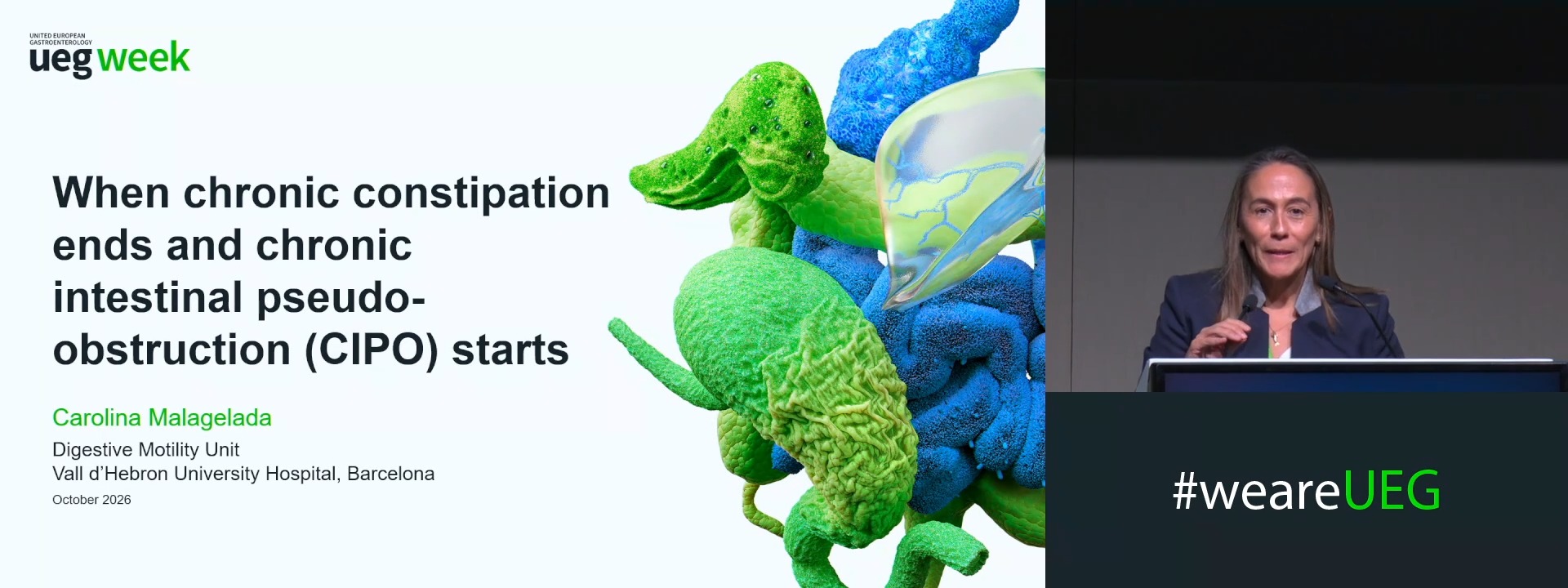
When chronic constipation ends and chronic intestinal pseudo-obstruction (CIPO) starts
Affiliations
1 Hospital Universitari Vall d`Hebron, Barcelona, Spain
Log in to continue.
This content is part of Gutflix. Log in with your myUEG account, or create one free, to watch it.
Not sure what you can access? Learn more about account types.
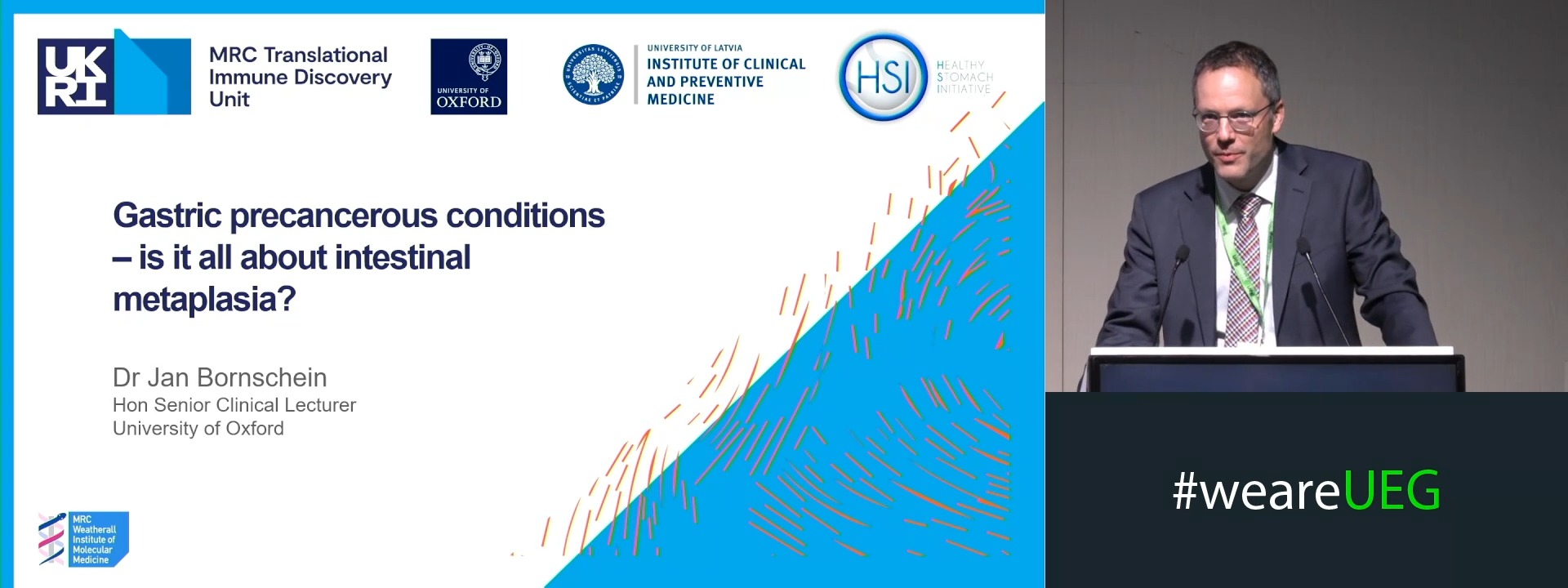
Is it all about intestinal metaplasia?
Affiliations
1 Oxford University Hospitals NHS Foundation Trust, Oxford, United Kingdom
Log in to continue.
This content is part of Gutflix. Log in with your myUEG account, or create one free, to watch it.
Not sure what you can access? Learn more about account types.
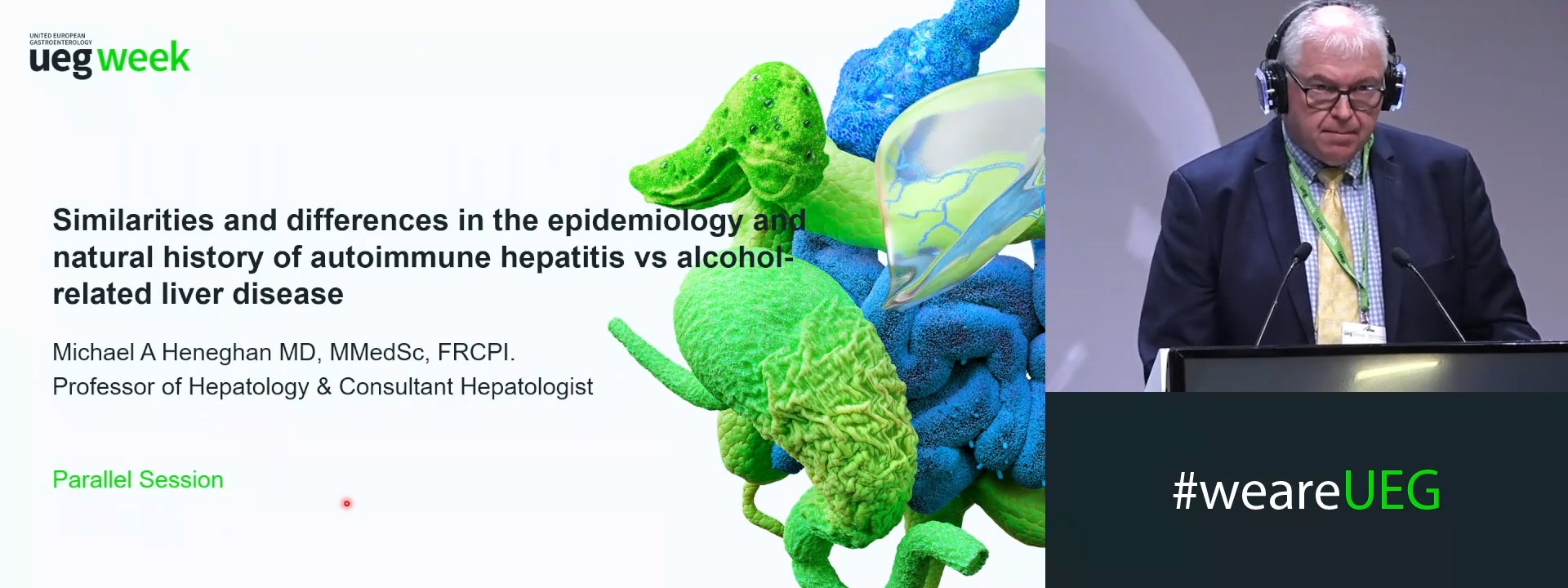
Similarities and differences in the epidemiology and natural history of autoimmune hepatitis vs alcohol-related liver disease
Affiliations
1 King's College Hospital, London, United Kingdom
Log in to continue.
This content is part of Gutflix. Log in with your myUEG account, or create one free, to watch it.
Not sure what you can access? Learn more about account types.
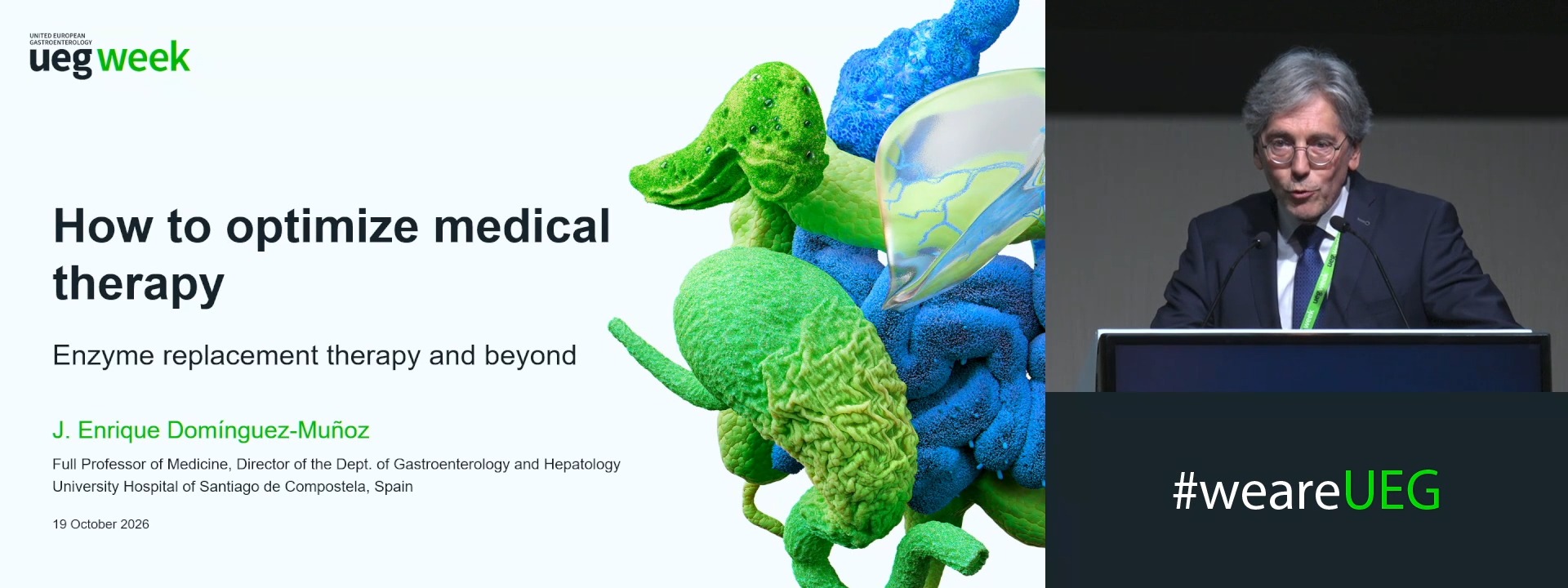
How to optimise medical therapy: Enzyme replacement therapy and beyond
Affiliations
1 University Hospital of Santiago de Compostela - Gastroenterology and Hepatology, University Hospital, Santiago de Compostela, Spain