UEG's educational platform for gastroenterology education bringing recordings, courses, guidelines, and more together in one place.
Most popular content
Rate for better recommendations!
Your feedback helps us show you more of what you like and less of what you dislike!
Log in to access this content.
Free for all myUEG account holders. Your access level is set automatically based on your occupation. Medical professionals get full access to all content. If you are a non-medical user, you can only access UEG Week content from congresses you attended.
Not sure what you can access? Learn more about account types.
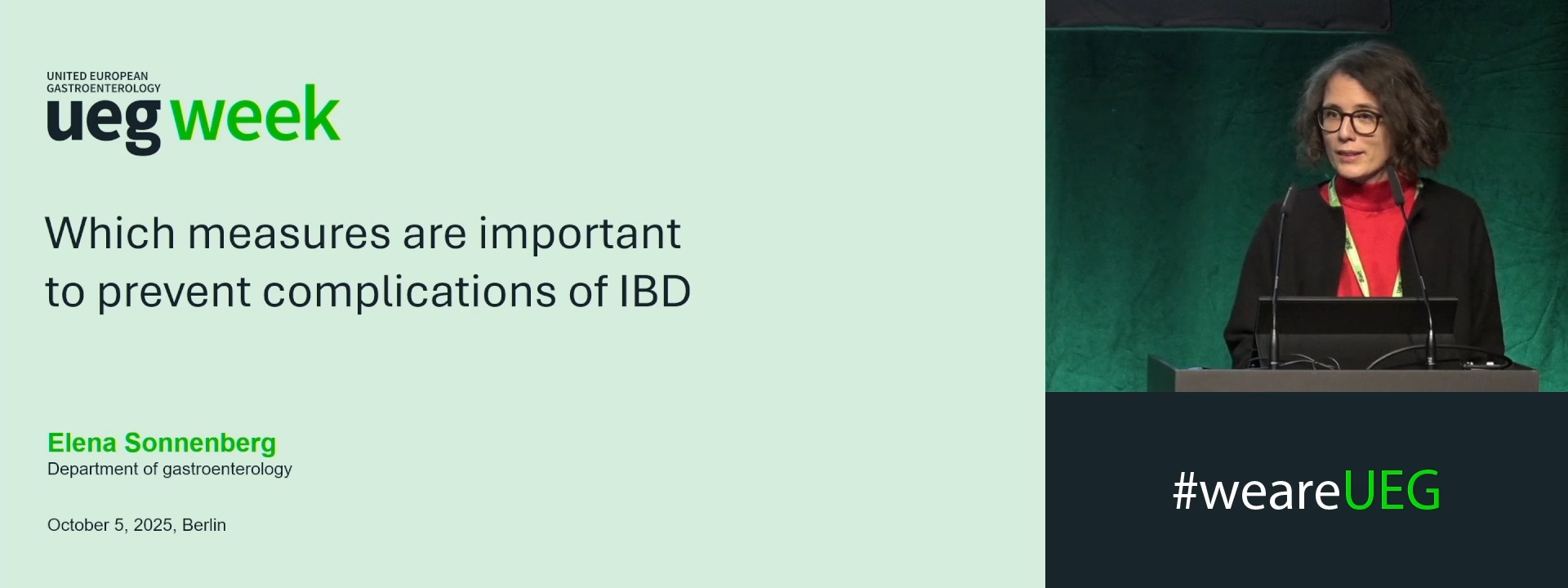
Which measures are important to prevent complication of IBD
1 Charité – Universitätsmedizin Berlin, Berlin, Germany
Event
Session
Citation
Published
Log in to access this content.
Free for all myUEG account holders. Your access level is set automatically based on your occupation. Medical professionals get full access to all content. If you are a non-medical user, you can only access UEG Week content from congresses you attended.
Not sure what you can access? Learn more about account types.
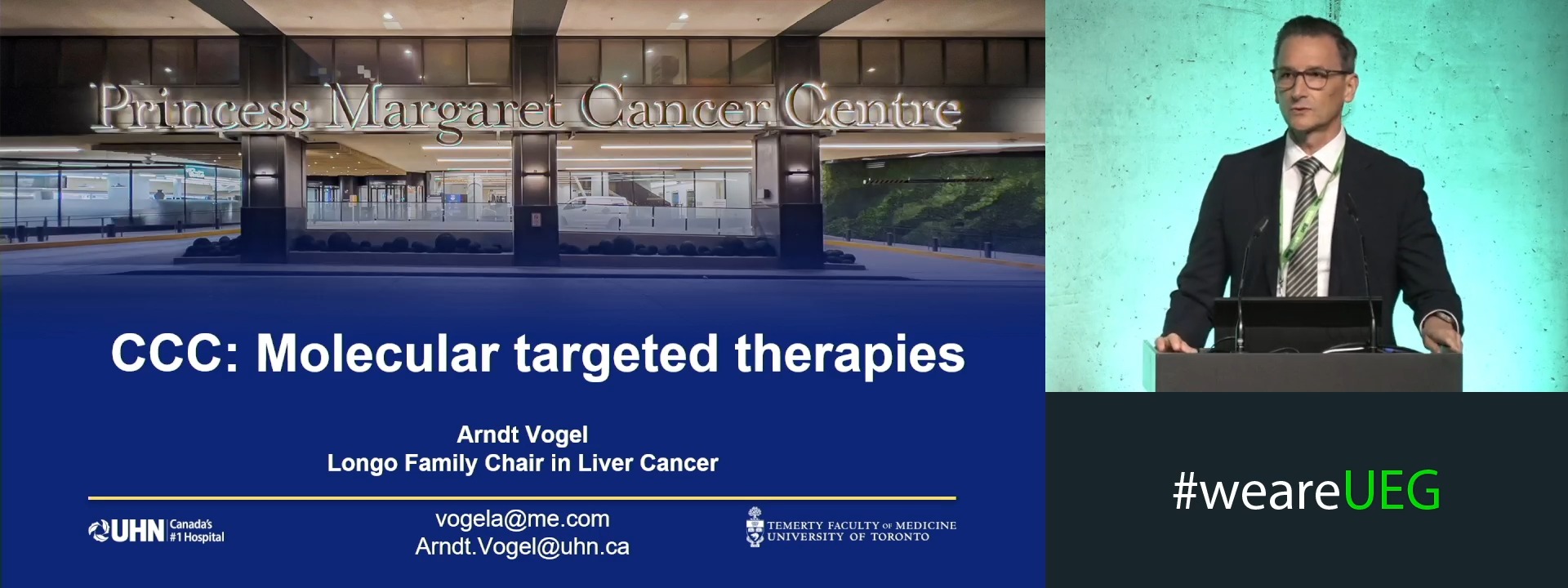
CCC: Molecular targeted therapies
1 Medizin. Hochschule Hannover, Hannover, Canada
Event
Citation
Published
Log in to access this content.
Free for all myUEG account holders. Your access level is set automatically based on your occupation. Medical professionals get full access to all content. If you are a non-medical user, you can only access UEG Week content from congresses you attended.
Not sure what you can access? Learn more about account types.
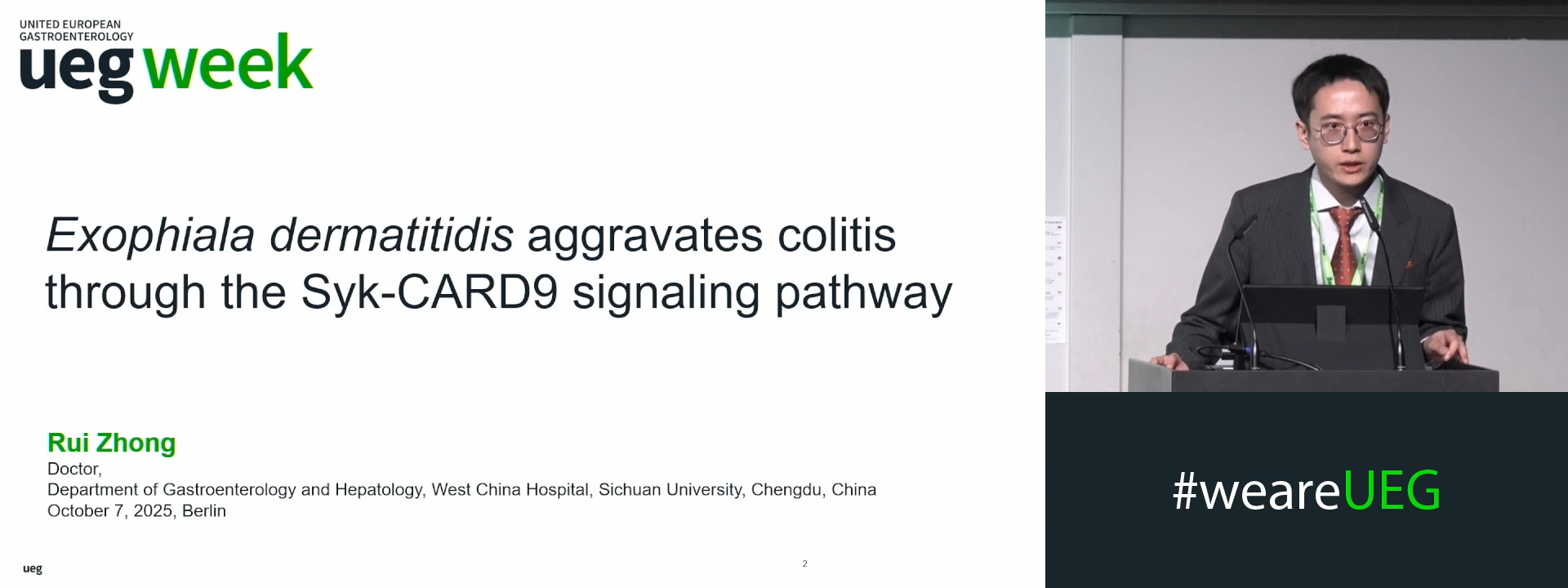
EXOPHIALA DERMATITIDIS EXACERBATES COLITIS THROUGH THE SYK-CARD9 SIGNALING PATHWAY
1 West China Hospital of Sichuan University, Chengdu, China
Event
Submission format
Citation
Published
Log in to access this content.
Free for all myUEG account holders. Your access level is set automatically based on your occupation. Medical professionals get full access to all content. If you are a non-medical user, you can only access UEG Week content from congresses you attended.
Not sure what you can access? Learn more about account types.
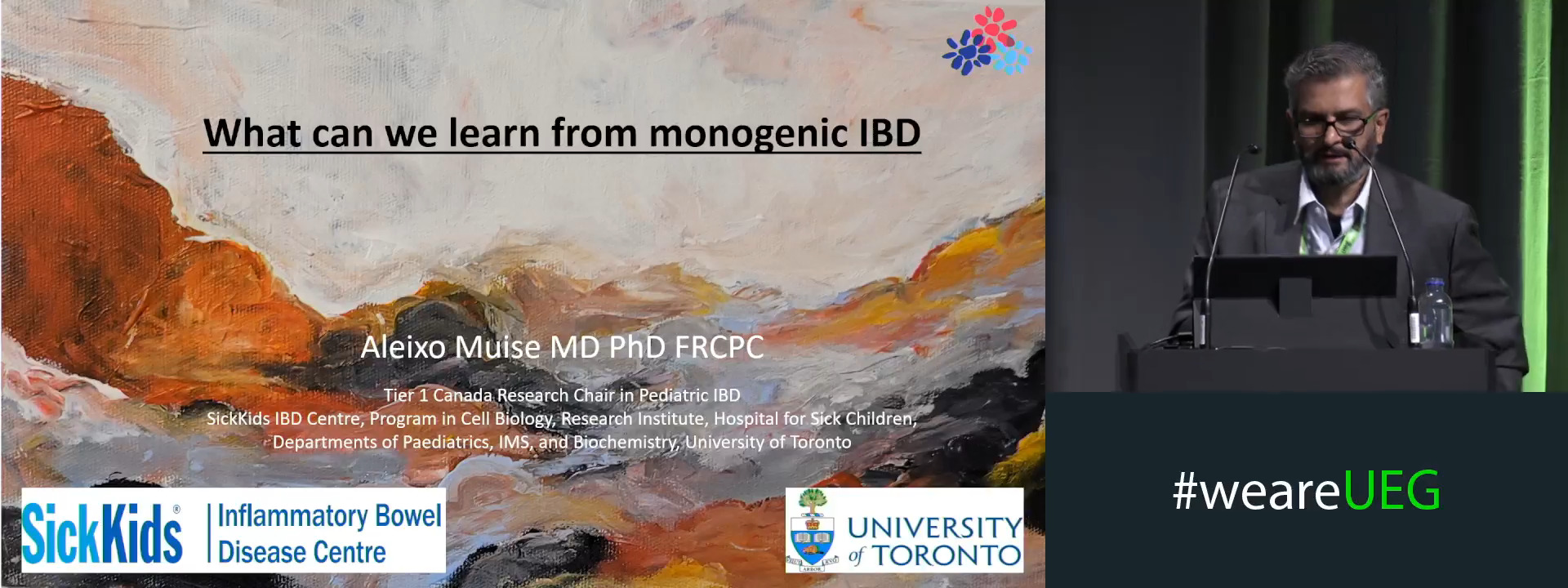
What can we learn from monogenic IBD
1 SickKids Research Institute, Toronto, Canada
Event
Citation
Published
Log in to access this content.
Free for all myUEG account holders. Your access level is set automatically based on your occupation. Medical professionals get full access to all content. If you are a non-medical user, you can only access UEG Week content from congresses you attended.
Not sure what you can access? Learn more about account types.
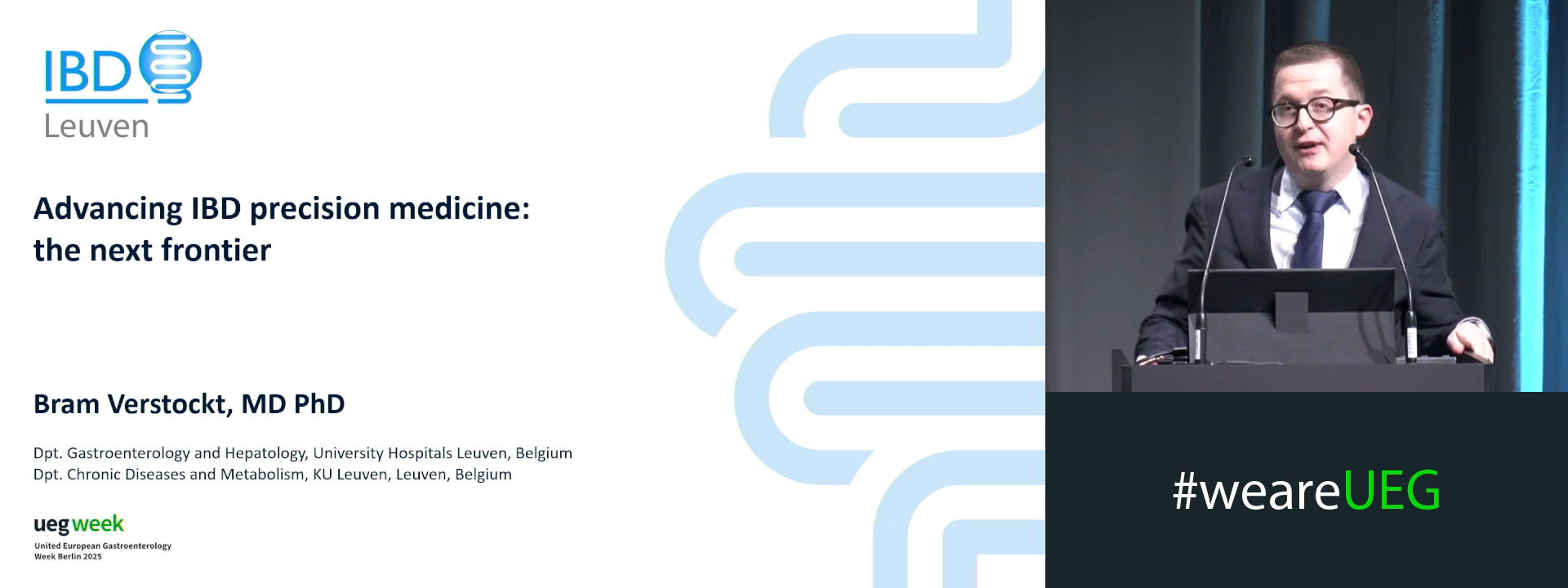
Advancing IBD precision medicine: The next frontier
1 University Hospitals Leuven and KU Leuven, Translational Research in Gastrointestinal Disorders - IB, Leuven, Belgium
Event
Citation
Published
Log in to access this content.
Free for all myUEG account holders. Your access level is set automatically based on your occupation. Medical professionals get full access to all content. If you are a non-medical user, you can only access UEG Week content from congresses you attended.
Not sure what you can access? Learn more about account types.
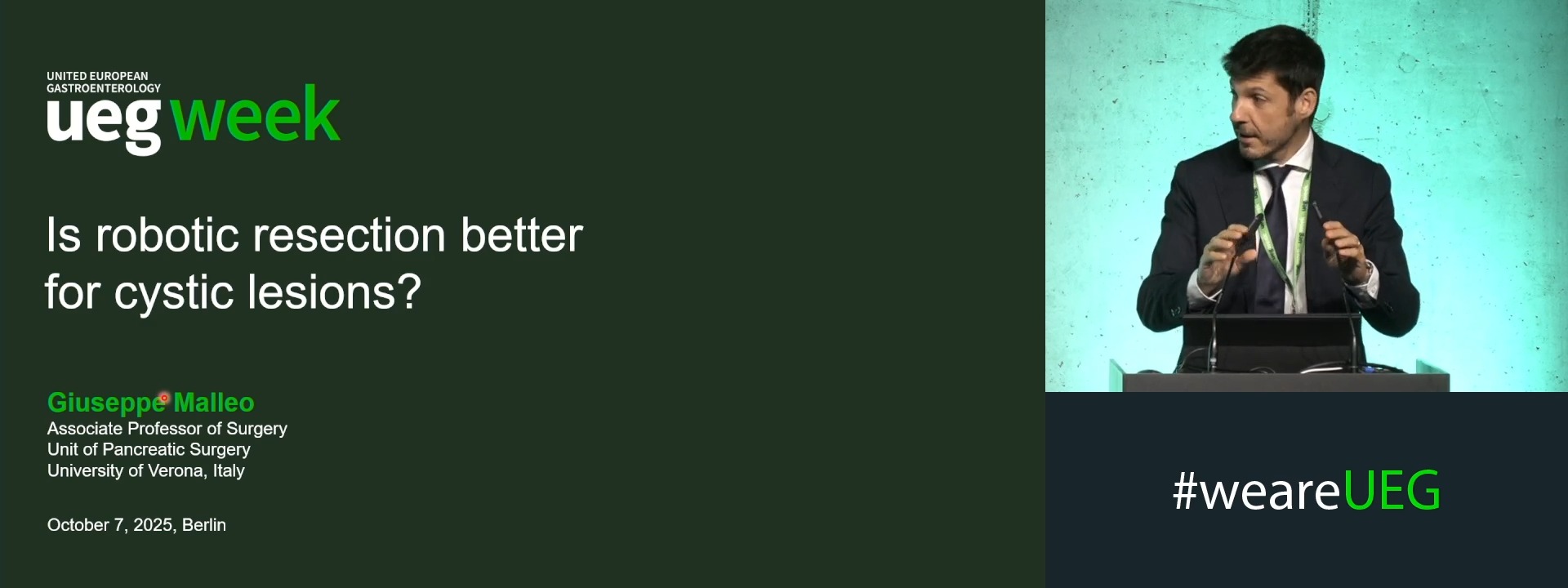
Is robotic resection better for cystic lesions?
1 Unit of General and Pancreatic Surgery, University of Verona Hospital Trust, Verona, Italy
Event
Session
Citation
Published
Log in to access this content.
Free for all myUEG account holders. Your access level is set automatically based on your occupation. Medical professionals get full access to all content. If you are a non-medical user, you can only access UEG Week content from congresses you attended.
Not sure what you can access? Learn more about account types.
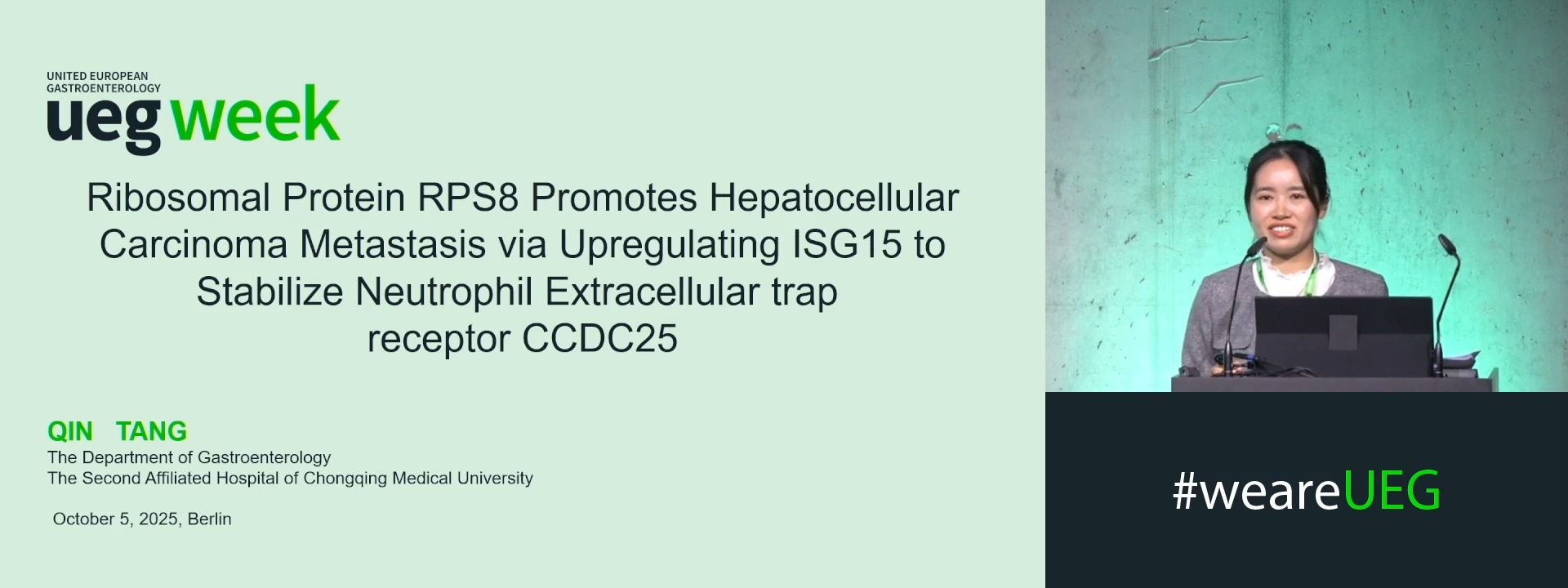
RIBOSOMAL PROTEIN RPS8 PROMOTES HEPATOCELLULAR CARCINOMA METASTASIS VIA UPREGULATING ISG15 TO STABILIZE NEUTROPHIL EXTRACELLULAR TRAP RECEPTOR CCDC25
1 The Second Affiliated Hospital of Chongqing Medical University, Chongqing, China