UEG's content platform for gastroenterology education bringing recordings, courses, guidelines, and more together in one place.
Trending on Gutflix
Rate for better recommendations!
Your feedback helps us show you more of what you like and less of what you dislike!
Log in to continue.
This content is part of Gutflix. Log in with your myUEG account, or create one free, to watch it.
Not sure what you can access? Learn more about account types.
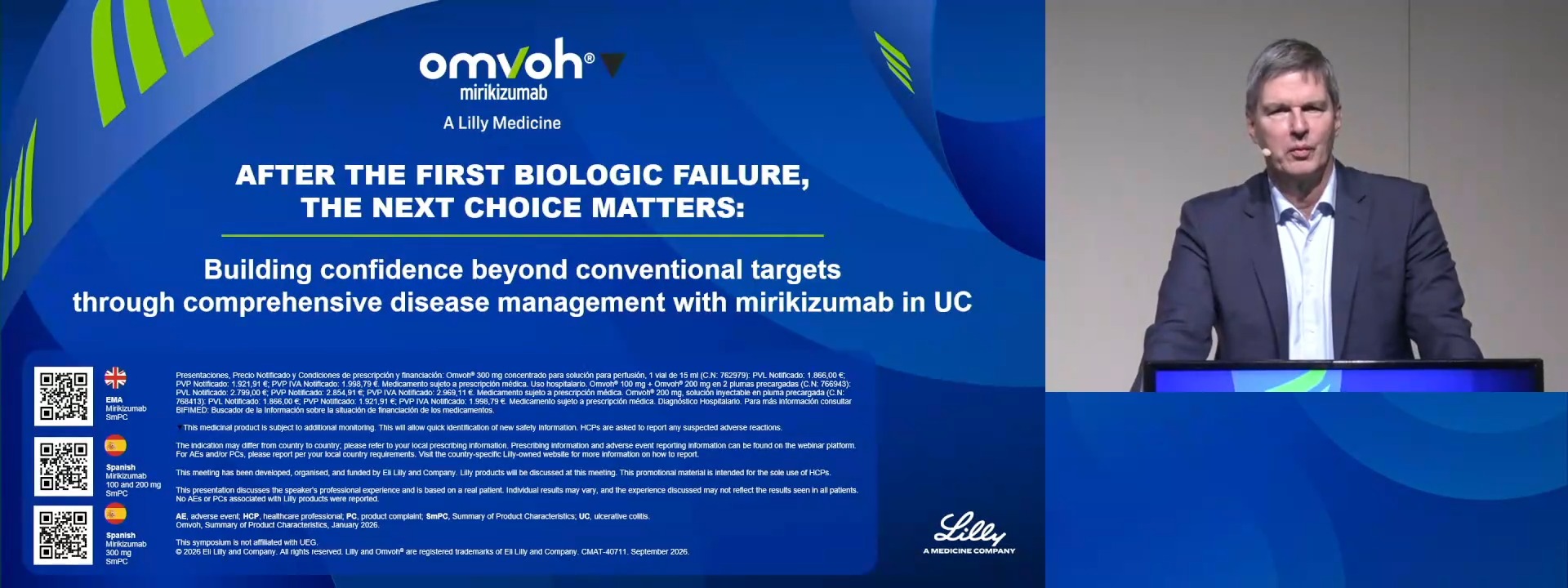
After the first biologic failure, the next choice matters: Building confidence beyond conventional targets through comprehensive disease control with mirikizumab in UC (Eli Lilly and Company) (Complete Session)
Affiliations
1 Agaplesion Markus Krankenhaus, Frankfurt/ Main, Germany
2 Hvidovre University Hospital, Virum, Denmark
3 Hospital Universitari Mútua Terrassa, Terrassa, Spain
Log in to continue.
This content is part of Gutflix. Log in with your myUEG account, or create one free, to watch it.
Not sure what you can access? Learn more about account types.
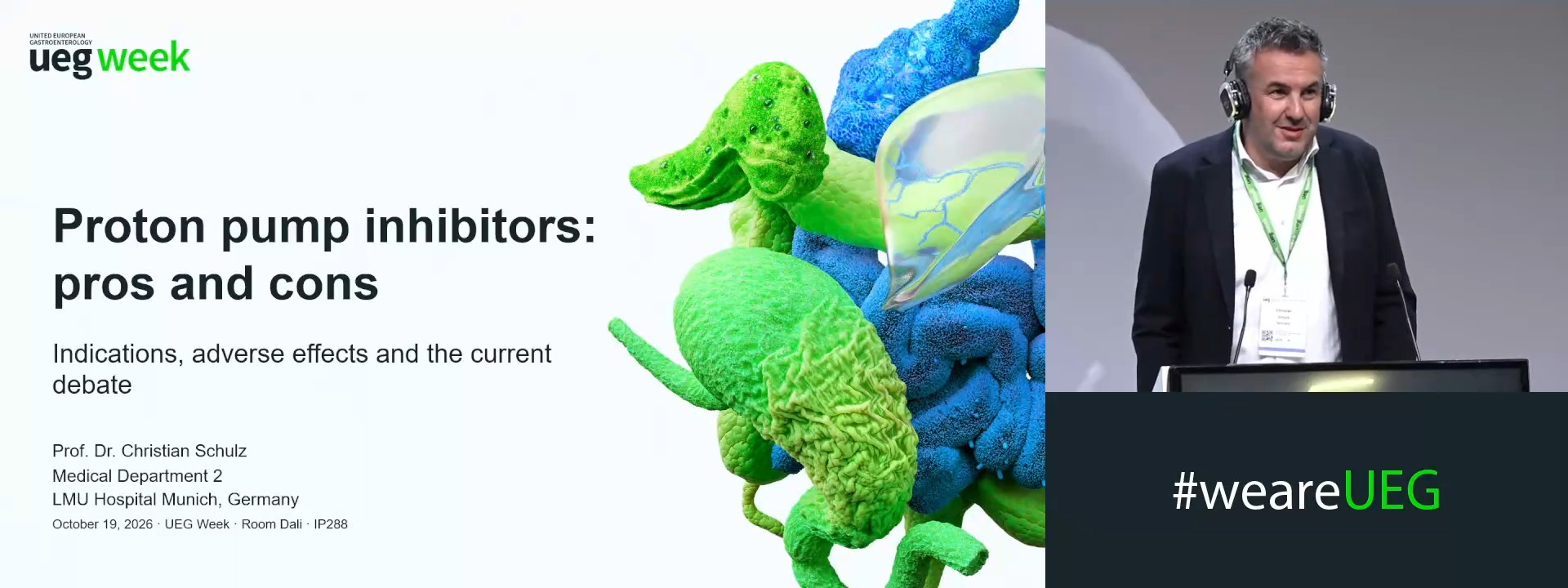
PPIs: Pros and cons evidence-based data
Affiliations
1 Ludwig Maximilian University, Munich, Germany
Log in to continue.
This content is part of Gutflix. Log in with your myUEG account, or create one free, to watch it.
Not sure what you can access? Learn more about account types.
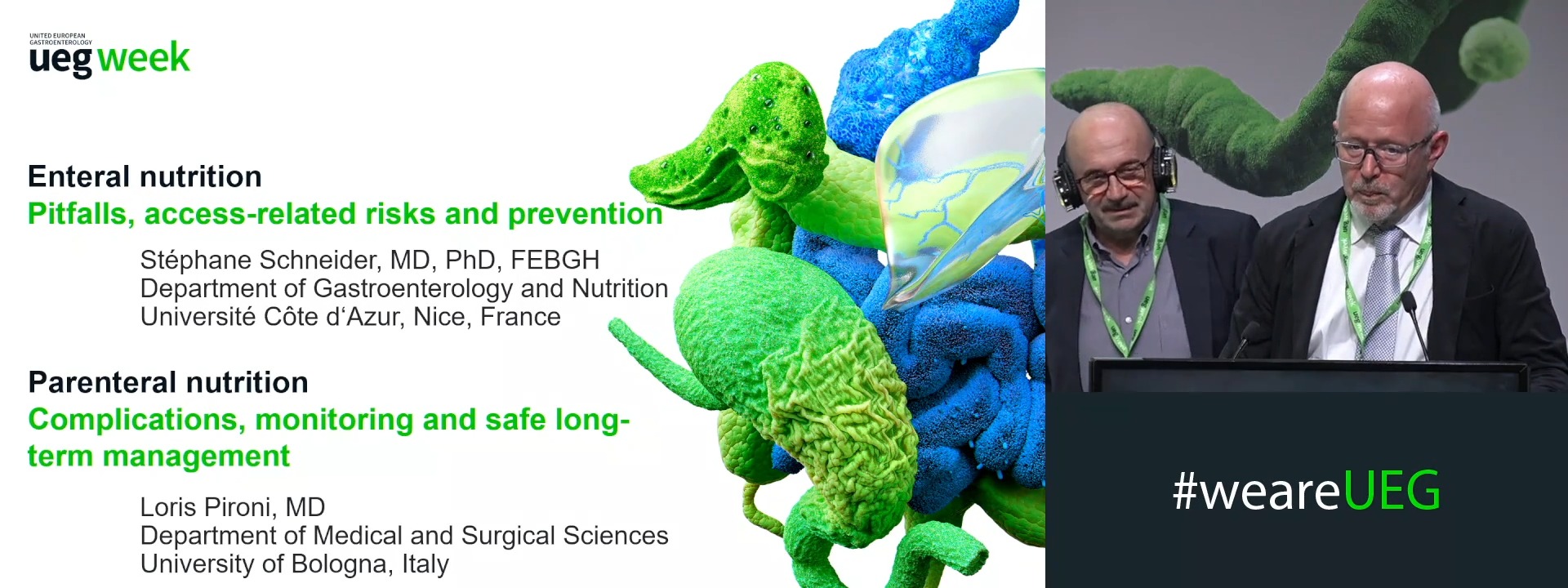
Complications in enteral and parenteral nutrition: Pitfalls, monitoring and safe long-term management
Affiliations
1 University of Bologna S. Orsola-Malpighi Hospital, Bologna, Italy
2 CHU de Nice - Archet, Nice, France
Log in to continue.
This content is part of Gutflix. Log in with your myUEG account, or create one free, to watch it.
Not sure what you can access? Learn more about account types.
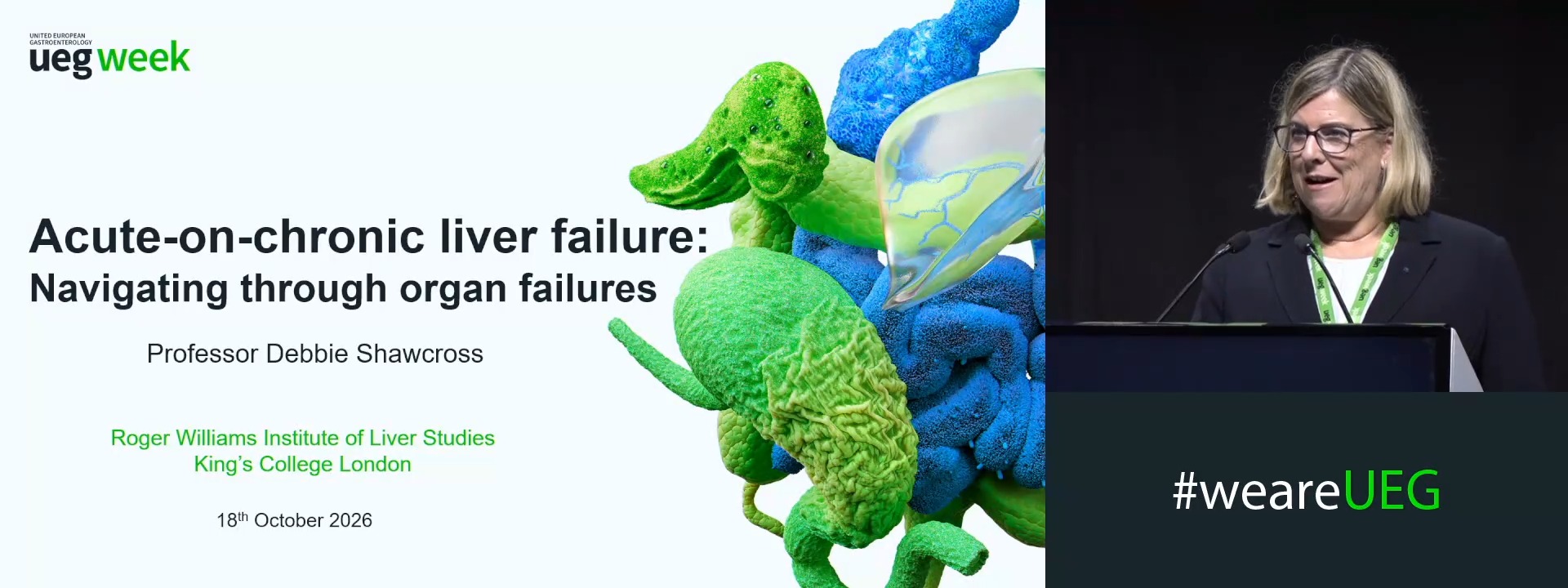
Acute-on-chronic liver failure: Navigating through organ failures
Affiliations
1 Kings College London, NHS Foundation Trust, London, United Kingdom
Log in to continue.
This content is part of Gutflix. Log in with your myUEG account, or create one free, to watch it.
Not sure what you can access? Learn more about account types.
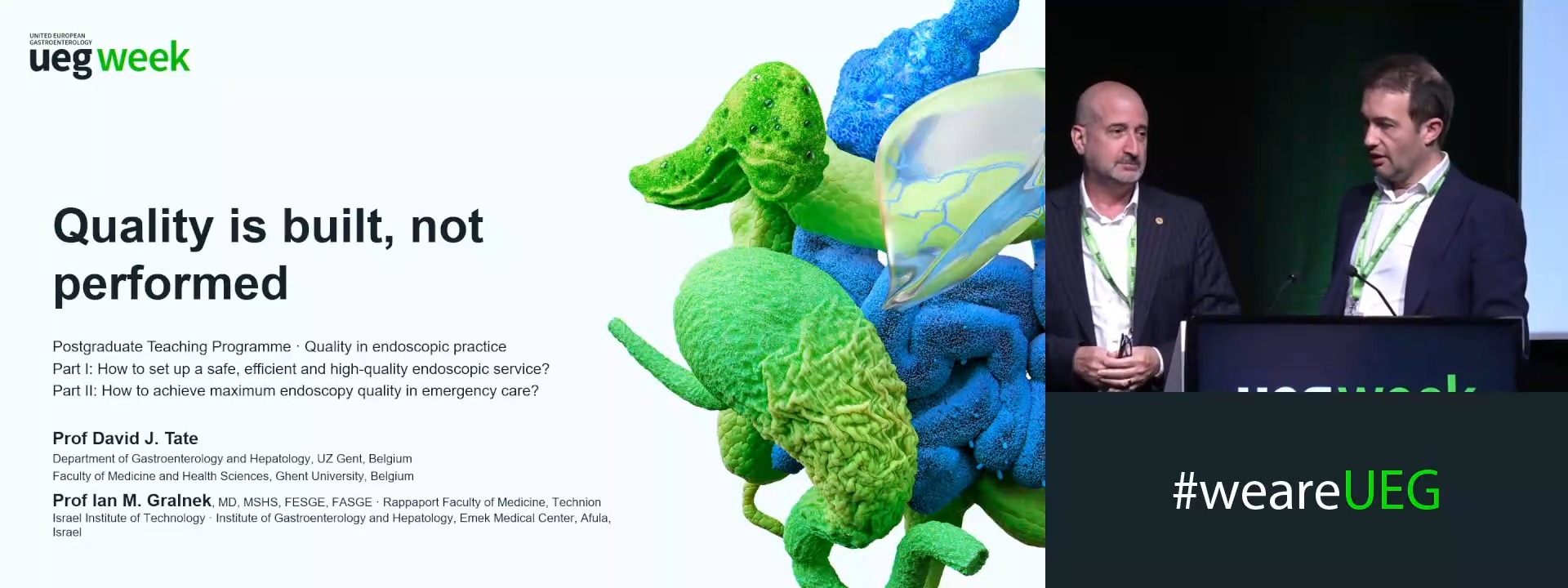
How to set up a safe, efficient and high-quality endoscopic service and achieve maximum endoscopy quality in emergency care?
Affiliations
1 University Hospital Ghent, Gent, Belgium
2 Ha'Emek Medical Center, Haifa, Israel
Log in to continue.
This content is part of Gutflix. Log in with your myUEG account, or create one free, to watch it.
Not sure what you can access? Learn more about account types.
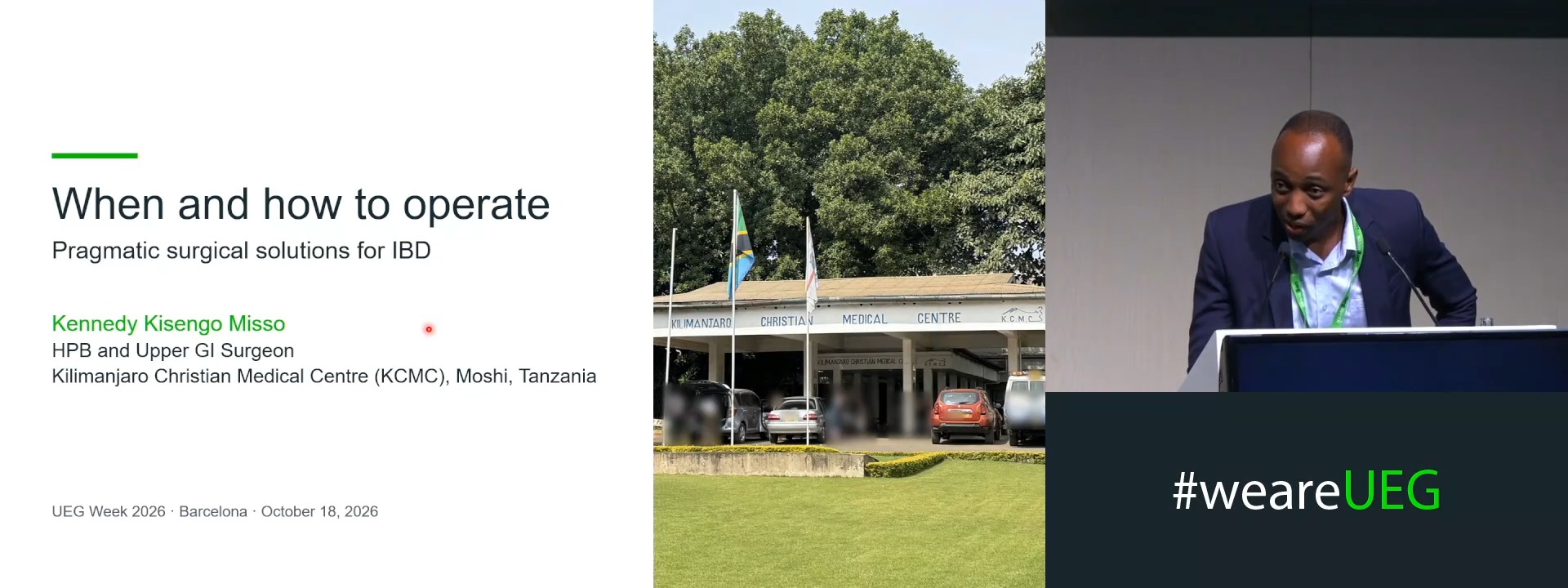
When and how to operate: Pragmatic surgical solutions for IBD
Affiliations
1 Kilimanjaro Christian Medical Centre, Moshi, Tanzania
Log in to continue.
This content is part of Gutflix. Log in with your myUEG account, or create one free, to watch it.
Not sure what you can access? Learn more about account types.
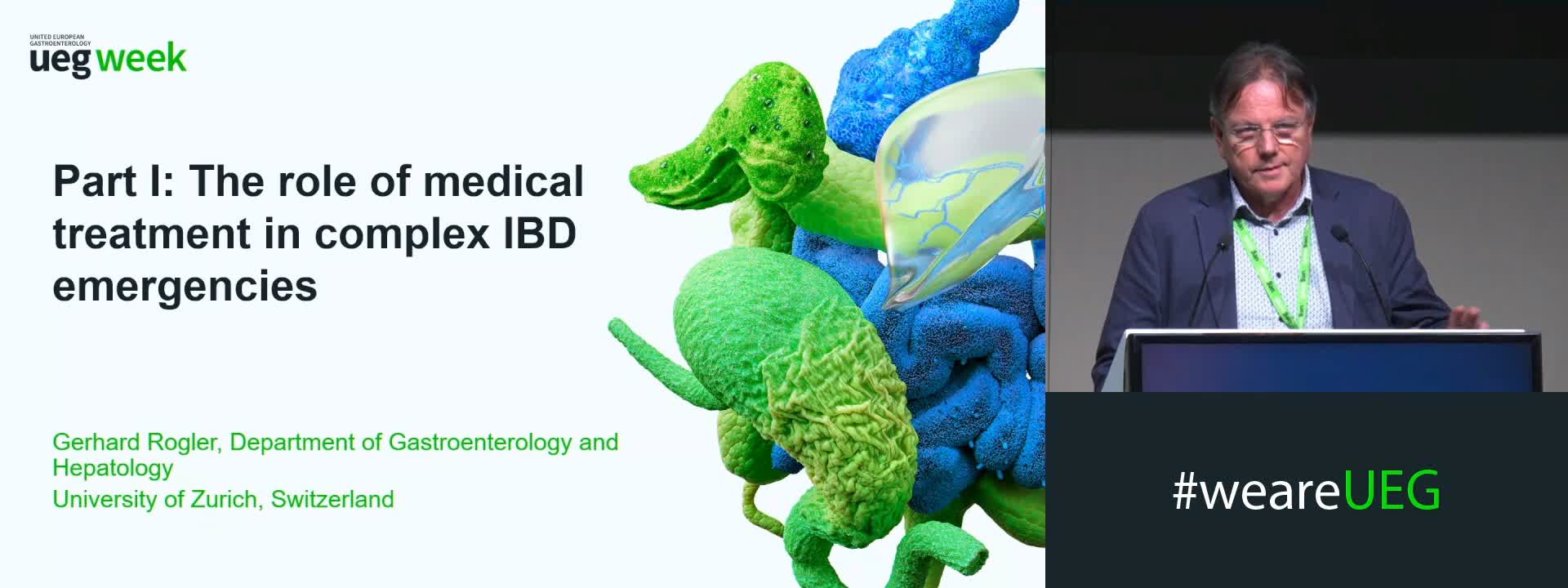
Medical treatment or surgery: What is the solution to complex IBD emergencies?
Affiliations
1 UniversitätsSpital Zürich, Zurich, Switzerland
2 IJsselland Hospital, Capell a/d IJssel, Netherlands