UEG's content platform for gastroenterology education bringing recordings, courses, guidelines, and more together in one place.
Trending on Gutflix
Rate for better recommendations!
Your feedback helps us show you more of what you like and less of what you dislike!
Log in to continue.
This content is part of Gutflix. Log in with your myUEG account, or create one free, to watch it.
Not sure what you can access? Learn more about account types.
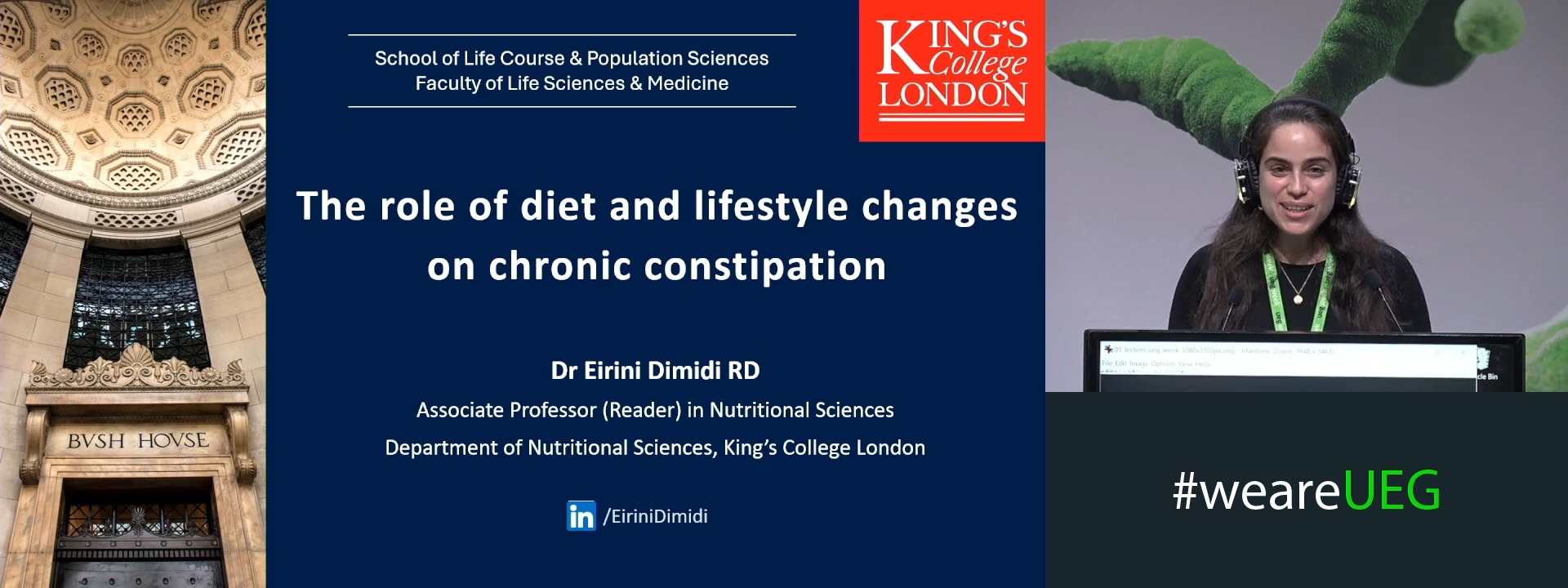
The role of lifestyle changes and diet
Affiliations
1 King's College London, London, United Kingdom
Log in to continue.
This content is part of Gutflix. Log in with your myUEG account, or create one free, to watch it.
Not sure what you can access? Learn more about account types.
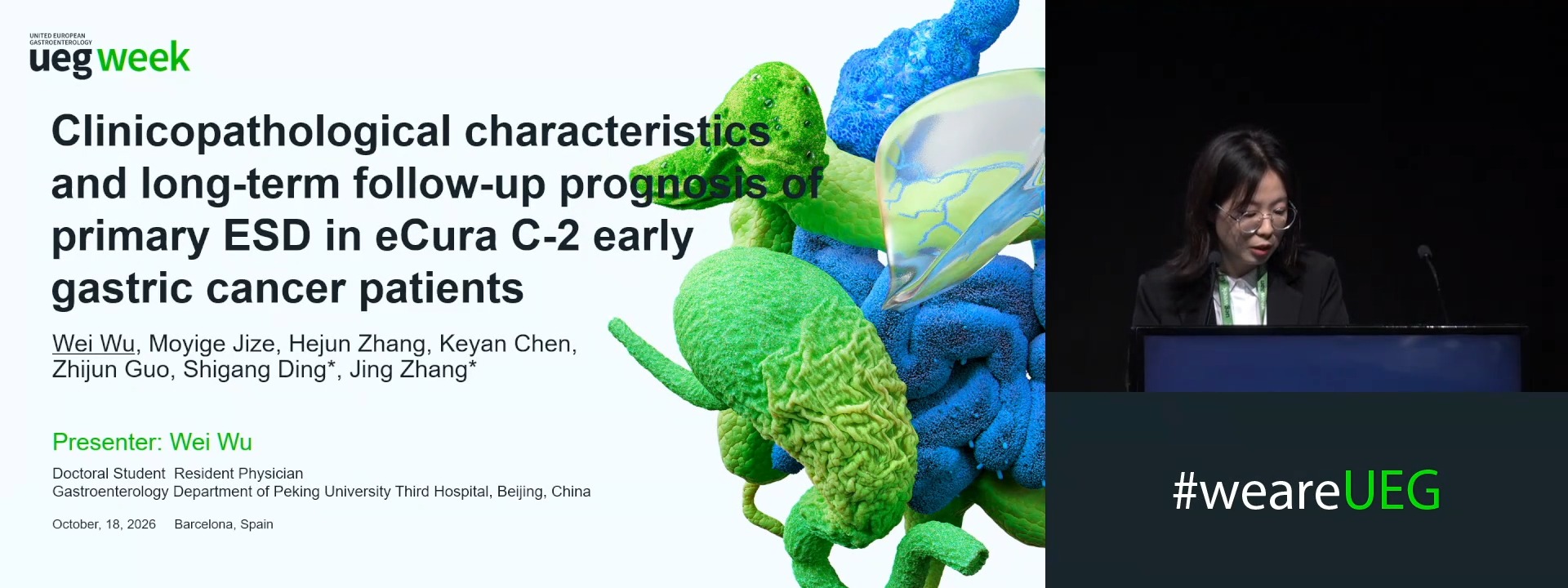
CLINICOPATHOLOGICAL CHARACTERISTICS AND LONG-TERM FOLLOW-UP PROGNOSIS OF PRIMARY ESD IN ECURA C-2 EARLY GASTRIC CANCER PATIENTS
Affiliations
1 Peking University Third Hospital, Beijing, China

Log in to continue.
This content is part of Gutflix. Log in with your myUEG account, or create one free, to watch it.
Not sure what you can access? Learn more about account types.
DEEP LEARNING AND CAPSULE ENDOSCOPY: AUTOMATIC PANENDOSCOPIC DETECTION OF VASCULAR LESIONS
Miguel Martins 1, Miguel Mascarenhas-Saraiva 1, João Afonso 1, Tiago Ribeiro 1, Pedro Cardoso 1, Francisco Mendes 1, Maria João Almeida 1, Joana Mota 1, Ana Patrícia Andrade 1, Hélder Cardoso 1, João Ferreira 2, Guilherme Macedo 1
Affiliations
1 São João University Hospital, Porto, Portugal
2 Faculty of Engineering of University Porto, Porto, Portugal
Log in to continue.
This content is part of Gutflix. Log in with your myUEG account, or create one free, to watch it.
Not sure what you can access? Learn more about account types.
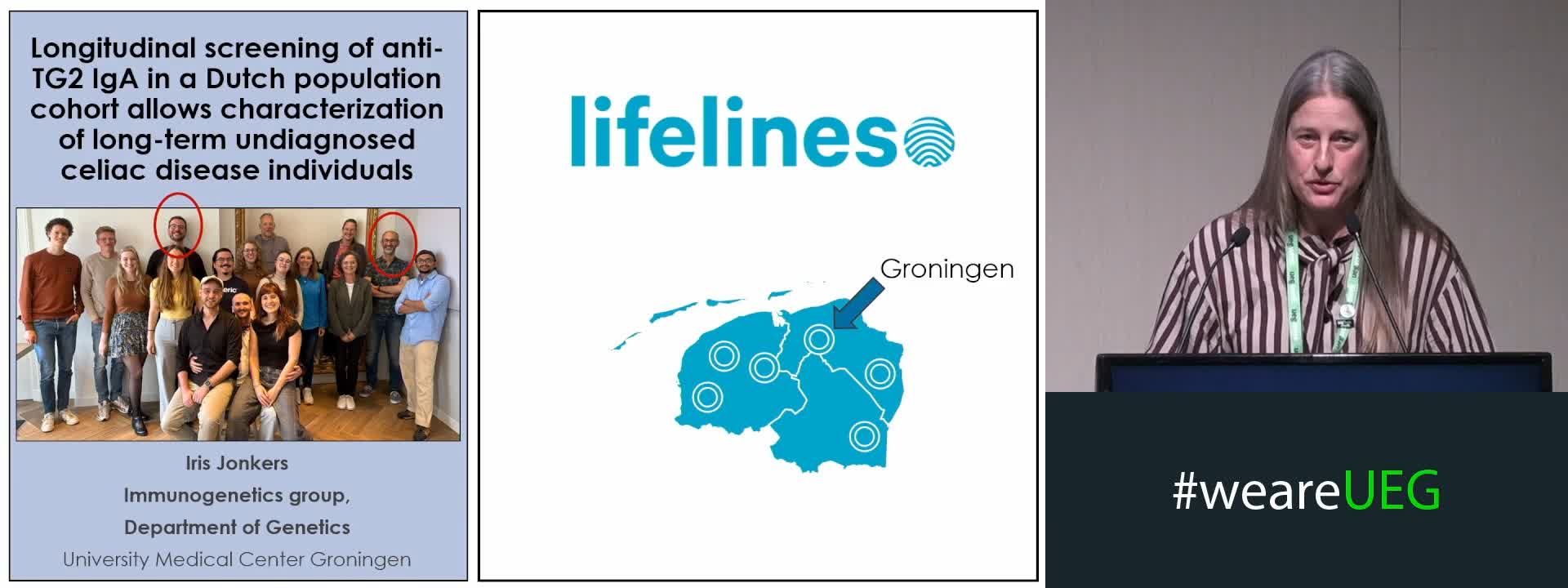
LONGITUDINAL SCREENING OF ANTI-TTG IGA IN A DUTCH POPULATION COHORT ALLOWS CHARACTERIZATION OF LONG-TERM UNDIAGNOSED CELIAC DISEASE INDIVIDUALS
Marijn Berg 1, Jelle Slager 1, Sarah Alhumaidi 1, Alexandra Petrovna Zhernakova 1, Sebo Withoff 1, Iris Jonkers 1
Affiliations
1 UMCG, Groningen, Netherlands