UEG's content platform for gastroenterology education bringing recordings, courses, guidelines, and more together in one place.
Trending on Gutflix
Rate for better recommendations!
Your feedback helps us show you more of what you like and less of what you dislike!
Log in to continue.
This content is part of Gutflix. Log in with your myUEG account, or create one free, to watch it.
Not sure what you can access? Learn more about account types.
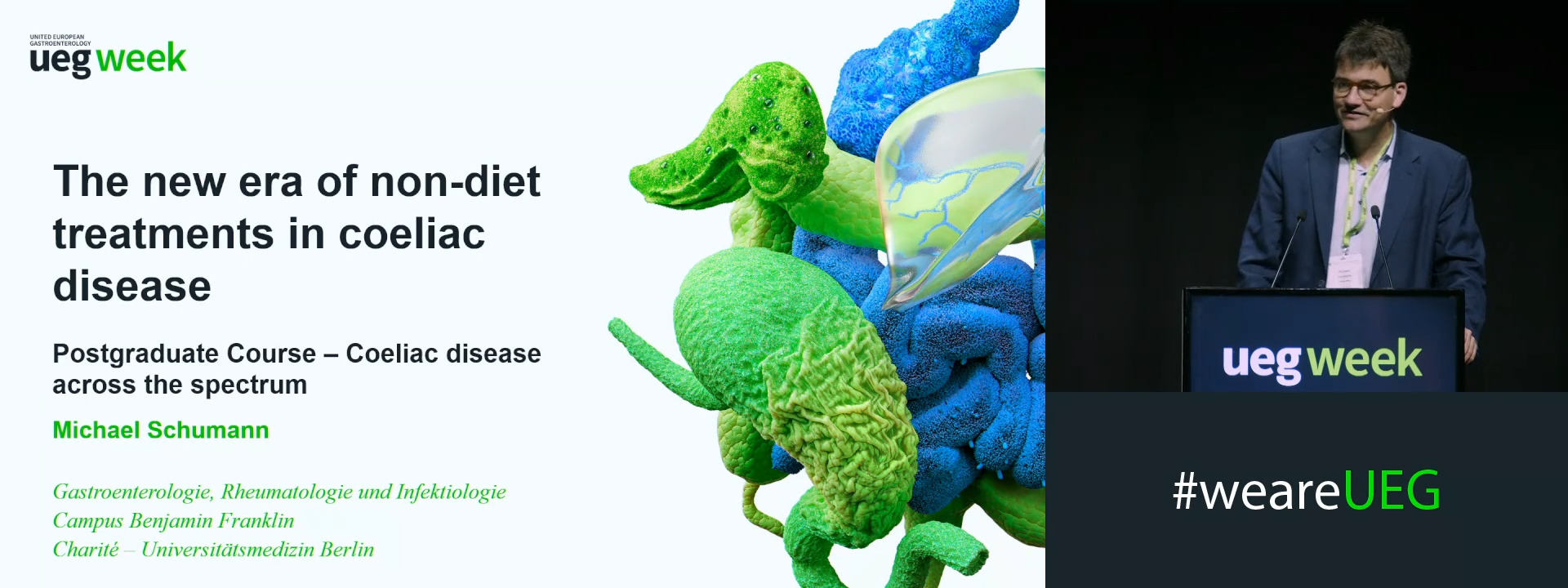
The new era of non-diet treatments in coeliac disease
Affiliations
1 Charité – Universitätsmedizin Berlin, Berlin, Germany

Log in to continue.
This content is part of Gutflix. Log in with your myUEG account, or create one free, to watch it.
Not sure what you can access? Learn more about account types.
THE ARTIFICIAL INTELLIGENCE IMPLEMENTATION IN THE TRAINING OF YOUNG ENDOSCOPISTS - DOES IT INFLUENCE THE QUALITY OF FUTURE COLONOSCOPIES?
Affiliations
1 Jagiellonian University, Cracow, Poland
Log in to continue.
This content is part of Gutflix. Log in with your myUEG account, or create one free, to watch it.
Not sure what you can access? Learn more about account types.
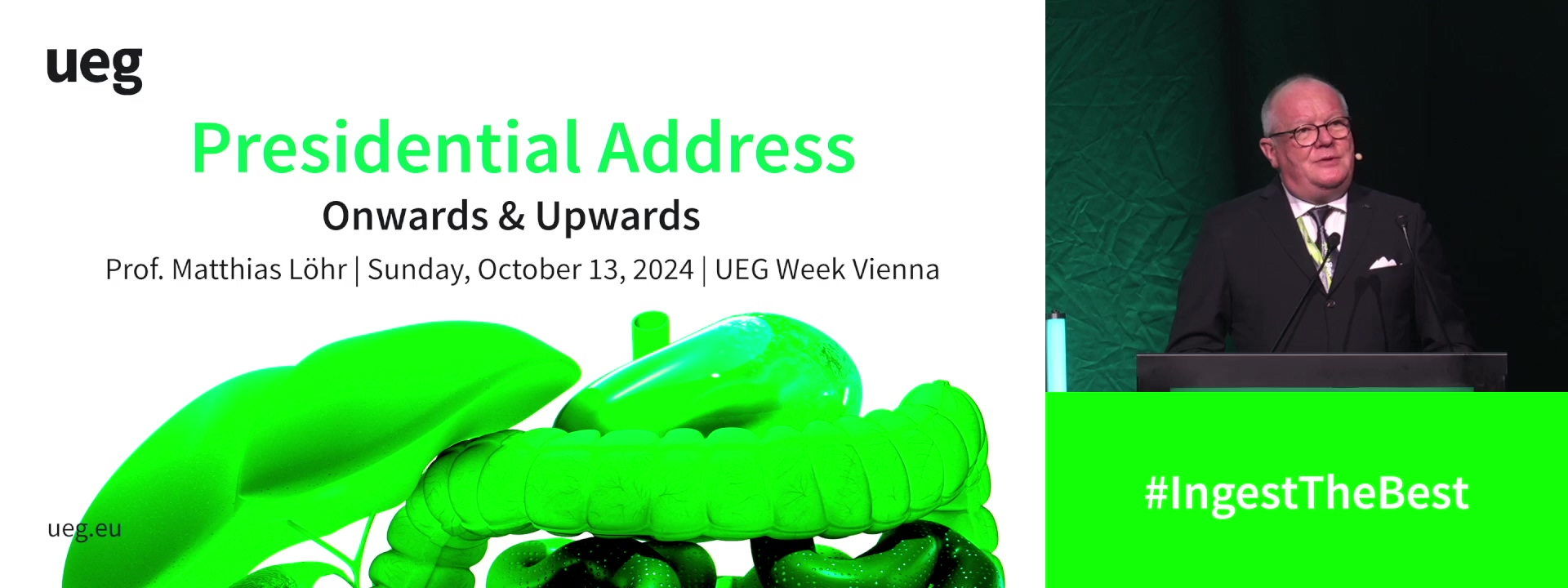
Presidential address
Affiliations
1 Karolinska Institutet, Stockholm, Sweden
Log in to continue.
This content is part of Gutflix. Log in with your myUEG account, or create one free, to watch it.
Not sure what you can access? Learn more about account types.
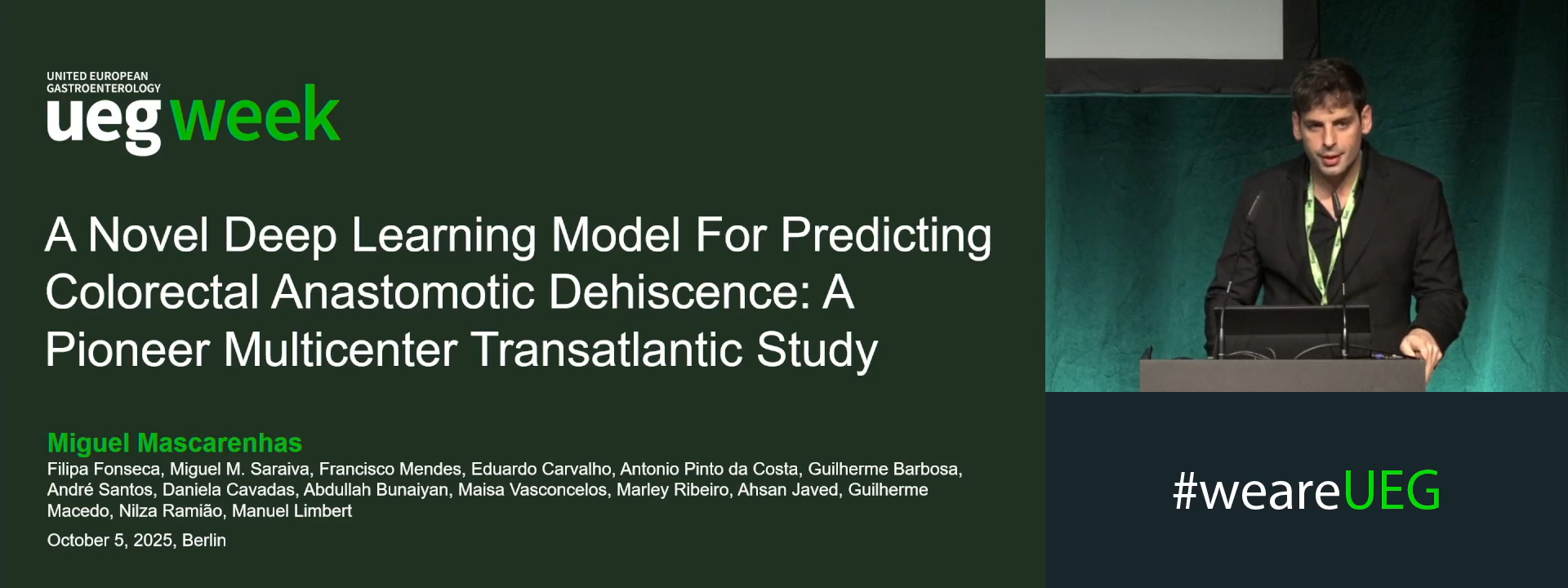
A NOVEL DEEP LEARNING MODEL FOR PREDICTING COLORECTAL ANASTOMOTIC DEHISCENCE: A PIONEER MULTICENTER TRANSATLANTIC STUDY
Miguel Mascarenhas-Saraiva 1, Francisco Mendes 1, André Martins dos Santos 2, António Miguel Martins Pinto da Costa 3, Filipa Fonseca 4, Eduardo Carvalho 5, Nilza Ramião 5, Guilherme Barbosa 5, Maisa Vasconcellos 6, Abdullah Bunaiyan 7, Maria Almeida 1, Joana Mota 1, Tiago Ribeiro 1, Miguel Martins 1, João Afonso 1, Pedro Cardoso 1, Francisca Pinheiro 2, Matheus Carvalho 3, Marcos Eduardo Lera dos Santos 3, Eduardo De Moura 3, Marley Feitosa 6, Ahsan Javed 7, Guilherme Macedo 1, Manuel Limbert 4
Affiliations
1 Centro Hospitalar Universitário de São João, Porto, Portugal
2 Faculdade de Medicina da Universidade do Porto, Porto, Portugal
3 Hospital das Clínicas da Faculdade de Medicina da USP, São Paulo, Brazil
4 Instituto Português de Oncologia IPO, Lisboa, Portugal
5 INEGI – Institute of Science and Innovation in Mechanical and Industrial Engineering, Porto, Portugal
6 Hospital das Clínicas da Faculdade de Medicina de USP - Ribeirão Preto, São Paulo, Brazil
7 Liverpool University Hospitals NHS Foundation Trust, Liverpool, United Kingdom
Log in to continue.
This content is part of Gutflix. Log in with your myUEG account, or create one free, to watch it.
Not sure what you can access? Learn more about account types.
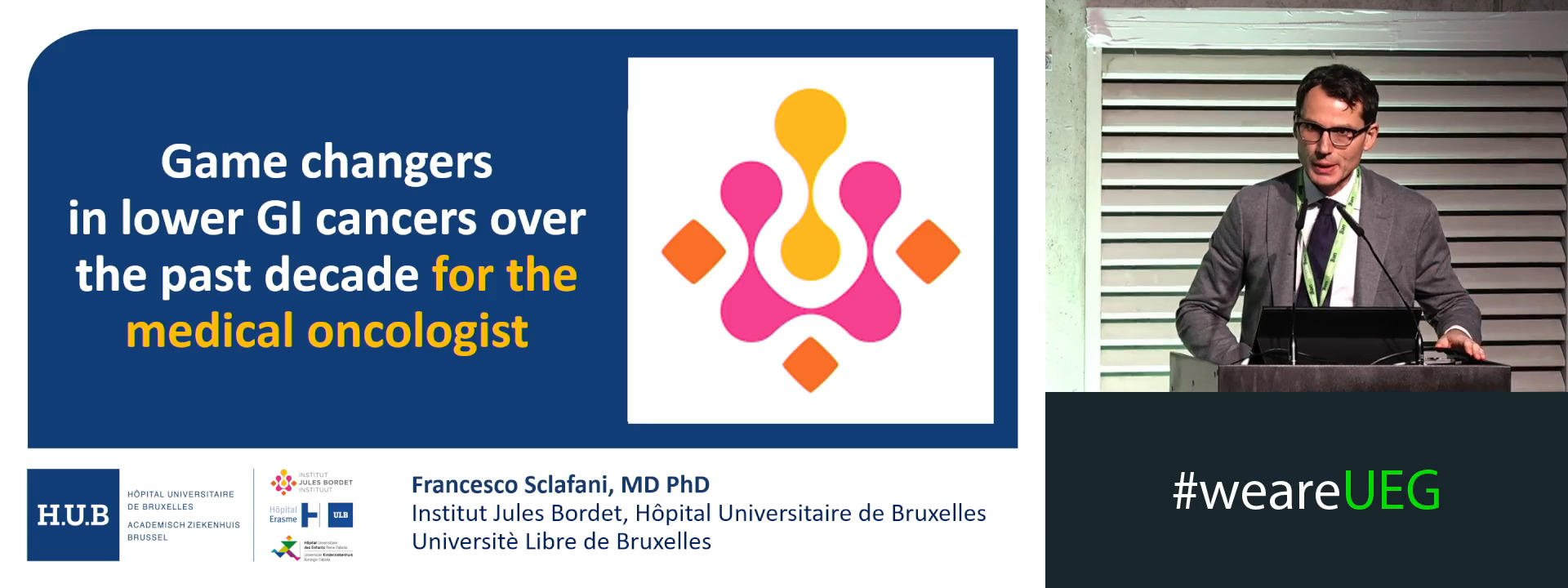
For the medical oncologist
Affiliations
1 Université libre de Bruxelles, Bruxelles, Belgium